





 Portuguese
  English
  Spanish
  4 min of reading
  0 comments


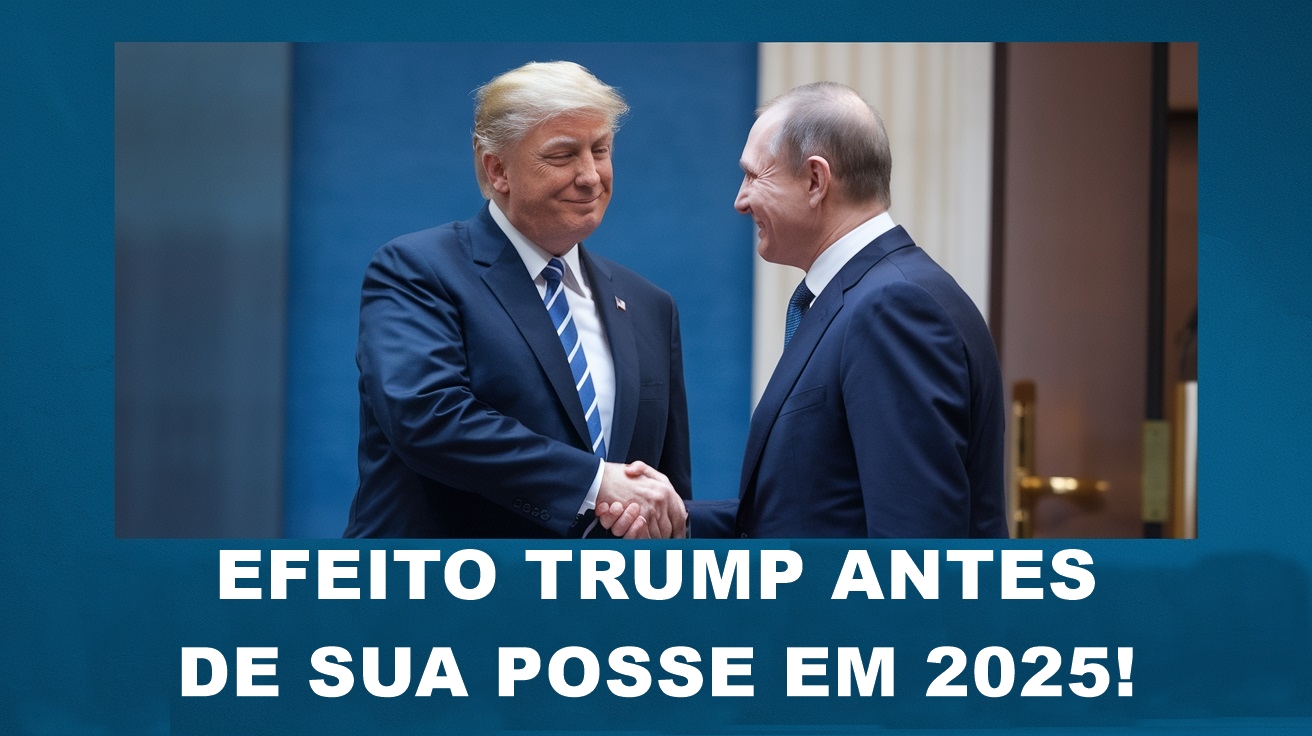
This Article Analyzes How the Election of Donald Trump and the Recent Decisions of the American Central Bank Can Impact the Economy of the US, Relations with Russia, and Immigration and Defense Policies.
The United States Central Bank Recently Announced a New Cut to the Interest Rate. The Decision to Cut 0.25 Percentage Points Was Less than Expected, but It is Another Step in the Attempt to Sustain the American Economy.
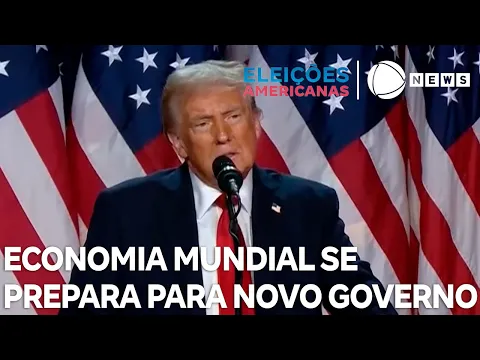
These Adjustments Come After a Long Period of Stability, and the Market is Now Eagerly Awaiting the Next Moves of the Federal Reserve, Especially Considering the Impact of Donald Trump’s Return to the Presidency.
Trump Has Already Stated That His Administration Will Prioritize Protectionist Policies to Strengthen Domestic Production. With a Leadership That Values Economic Independence, His Return Could Mean New Pressures on the American Central Bank to Maintain a Monetary Policy that Favors Domestic Growth.
-
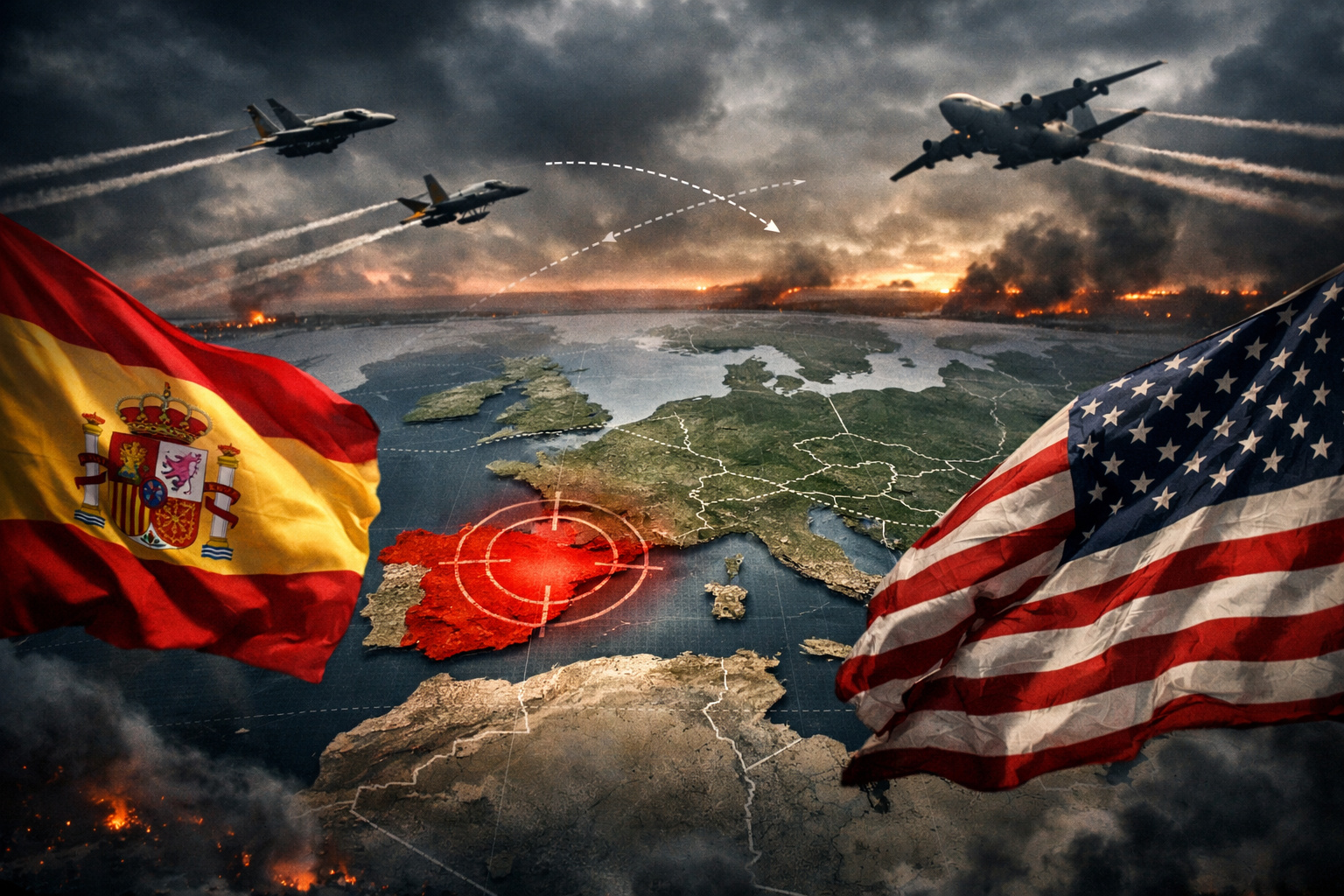
Spain challenges the USA and closes its airspace for operations against Iran, raising global tension and provoking the threat of a trade rupture.
-
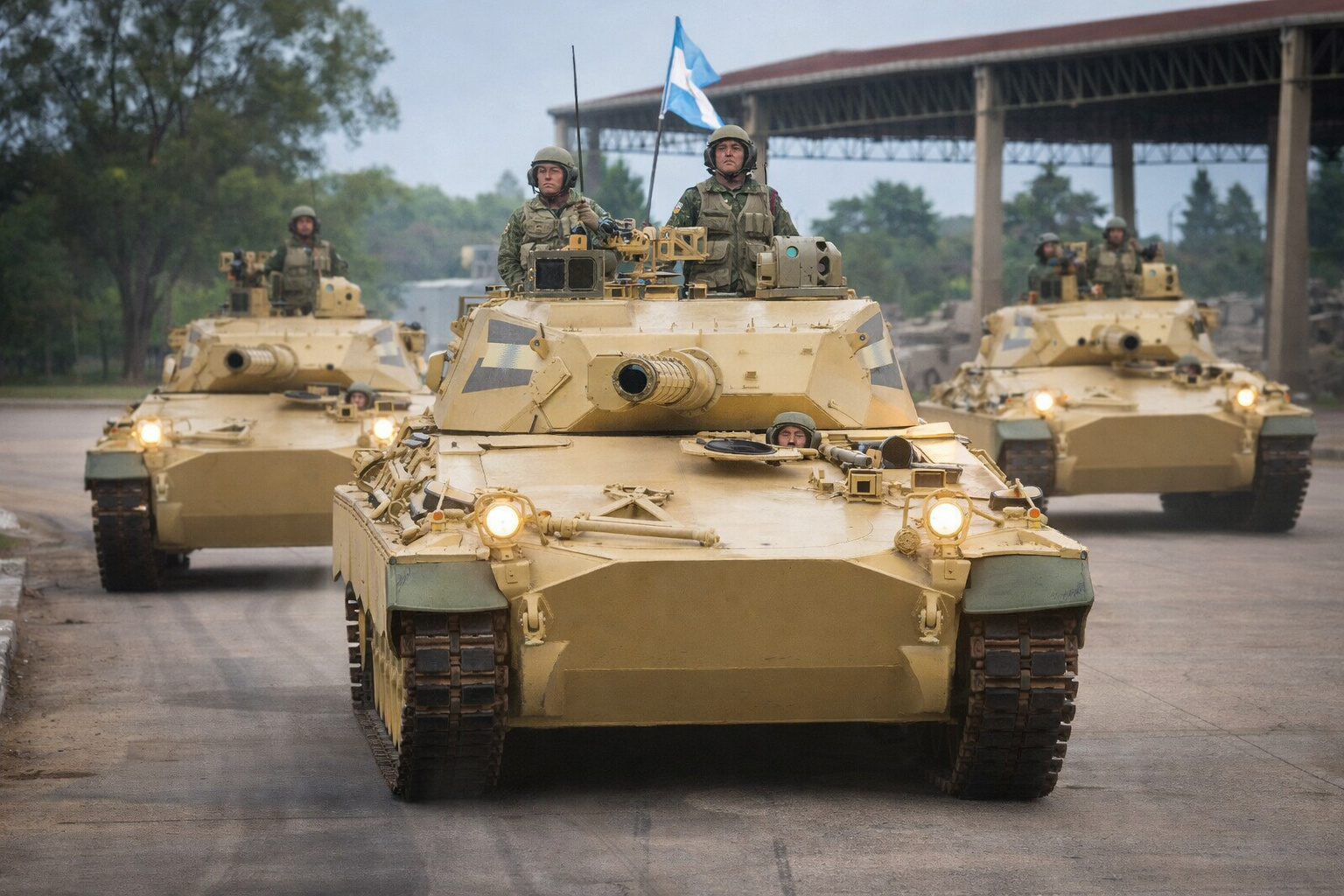
While no other country manufactures tanks in Latin America, Argentina activates the TAM 2C-A2 and raises a curiosity about the technological lag in the region.
-
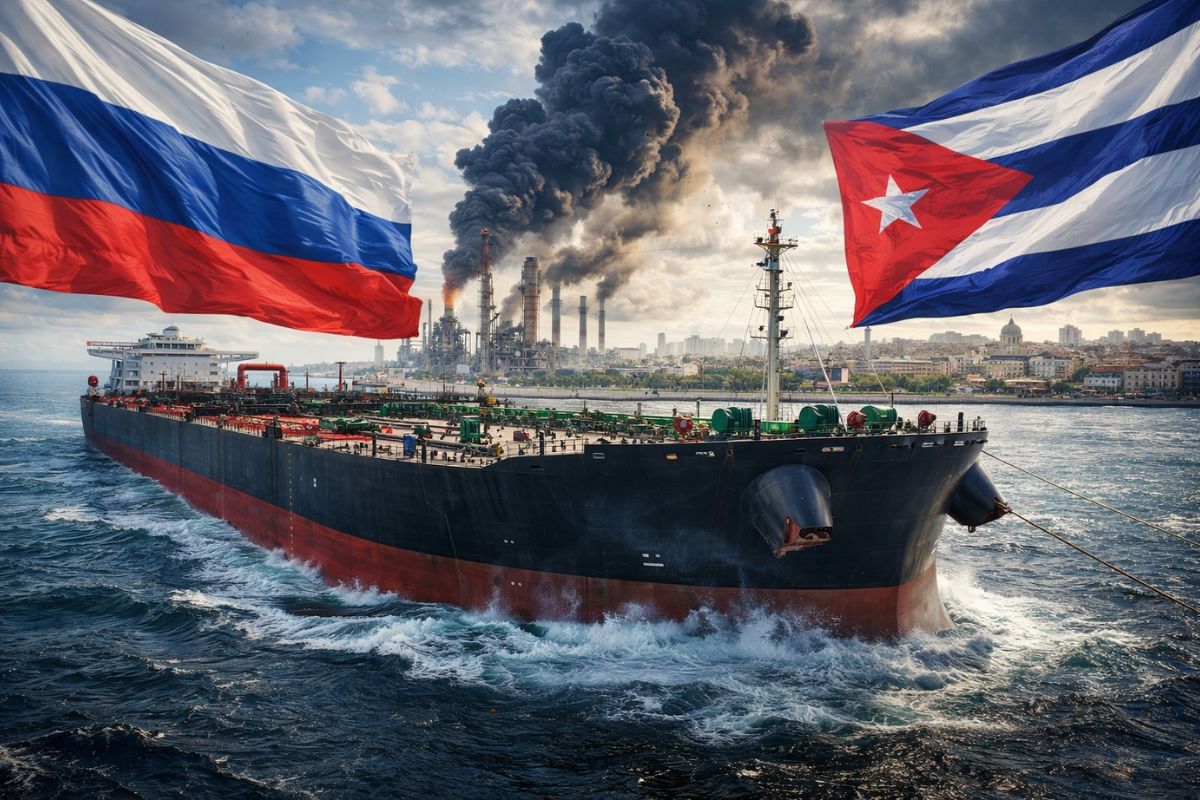
A Russian ship with 730,000 barrels of oil has just arrived in Cuba while Mexico negotiates fuel sales through private companies: the communist island is desperately seeking alternatives after losing its supply from Venezuela due to American military action.
-
Iranian drones and missiles destroyed a 270 million dollar American spy plane in Saudi Arabia, splitting the E-3 Sentry aircraft in half and injuring 12 military personnel in an attack that exposes the vulnerability of U.S. bases in the Persian Gulf.



Trump and the Relationship with Russia: The Economic Cold War and Sanctions
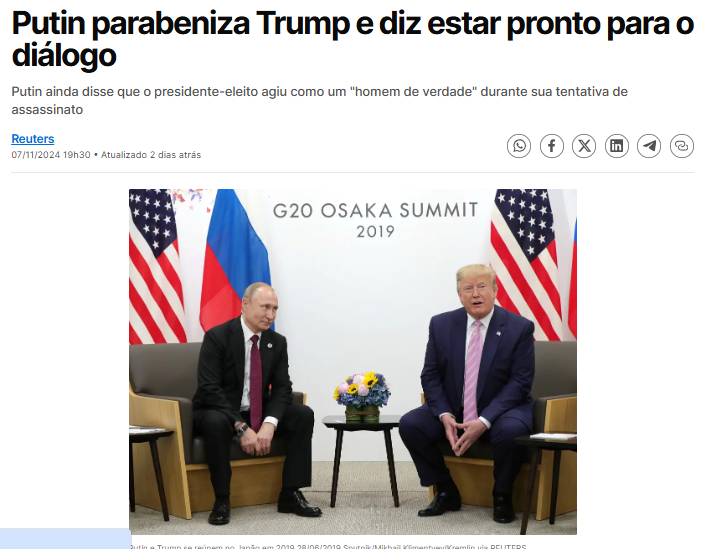
Trump’s Election Brought to Light the Possibility of Reconfiguring Relations Between the US and Russia. During His Campaign, Trump Indicated That If Elected, He Would Seek to Resolve International Conflicts More Directly and Quickly, Including the Clash Between Russia and Ukraine.
With a Less Predictable Stance than Joe Biden, Trump Reinforces an Image of an “Unpredictable Man,” Which Could Be a Determinant Factor in International Relations.
Under Biden, Economic Sanctions Against Russia Have Been Intensified, Directly Affecting the Russian Economy. However, Trump Believes That His Strong Diplomacy and Negotiation Style Could Open Doors for New Agreements and Even Alleviate Some of These Sanctions, Provided That Economic or Political Concessions Are Offered in Return. For Russia, the Scenario with Trump Represents a New Hope for Economic Flexibility.
The Promise of Economic Growth with Immigrant Labor
One of the Most Complex Issues of Trump’s Administration Has Always Been Immigration. During His Campaign, Trump Was Explicit in Stating That He Would Seek to Reduce the Influx of Cheap Immigrant Labor Illegally.
However, Many Sectors of the American Economy Rely Heavily on This Workforce, Which Occupies Essential Roles that American Workers Generally Reject.
Studies Indicate That Illegal Immigration Has Both Positive and Negative Economic Impacts. While It Helps Sustain the Growth of the US Economy by Boosting Consumer Market and Providing Labor for Key Sectors, It Also Raises Debates About Security and Competitiveness.
NATO, Europe, and Expectations for Defense
Another Central Point of Discussion Regarding Trump’s Presidency is the Role of the US in NATO. Trump Has Made It Clear That He Expects European Countries to Take on a Larger Share of Military Spending, Instead of Relying on American Military Support.
For Him, It is Essential That Europe Recognizes the Need to Invest in Its Own Defense, Thus Strengthening NATO with a Fairer and More Balanced Participation.
If European Nations Answer This Call and Increase Their Military Investment, the NATO Alliance Could Be Strengthened. On the Other Hand, the Cost for These Countries Will Also Be Significant, Challenging Economies That Still Depend on American Support.
Trump’s Transition and Global Economic Impacts
Trump’s Return May Have Repercussions on Various Fronts of the Global Economy. From Imposing Tariffs to Protect the Domestic Market to Reducing Bureaucracy for Small Entrepreneurs, Trump’s Economic Agenda Promises Substantial Changes.
In a Scenario Where Economic Sanctions and Strict Immigration Policies Are at the Top of the Agenda, the International Community is Closely Watching What This New Phase of Trump’s Administration Will Bring for Global Trade and Geopolitical Balance.
Tensions with China May Also Increase, as Trump Has Signaled That He Intends to Review Commercial Relations with the Asian Country. This Could Have Direct Consequences for the Global Market, as the US is One of the Largest Importers in the World, and Any Restriction on International Trade Could Impact Not Only the American Economy but also the Stability of Emerging and Developed Markets.







Seja o primeiro a reagir!