





 Portuguese
  English
  Spanish
  3 min of reading
  0 comments


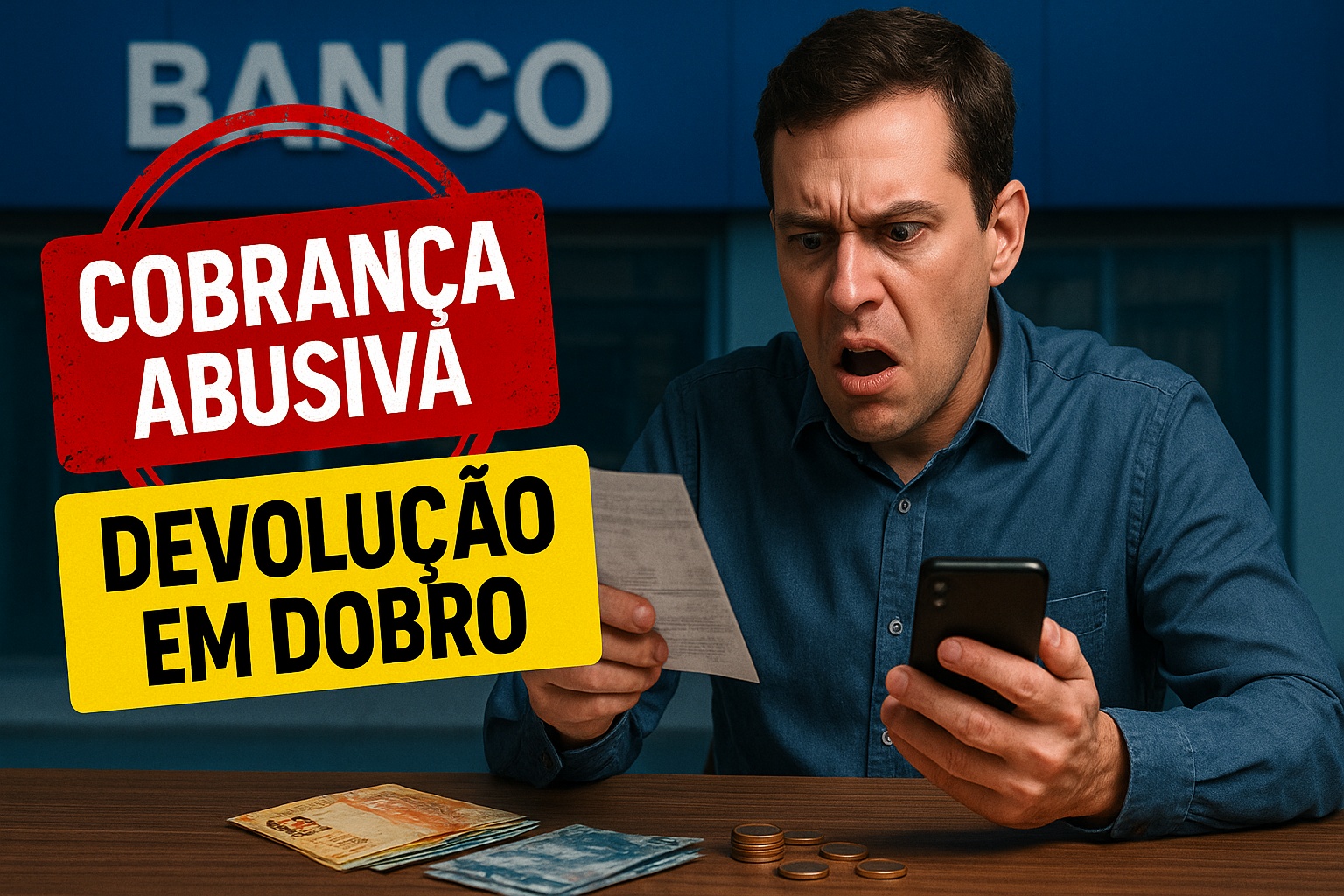
STJ Confirms: Unauthorized Deductions from Salary or Account Entitle to Double Refund and Damages That Can Exceed R$ 20,000 in Abusive Cases.
Millions of Brazilians have part of their salary or retirement deposited directly into a bank account. However, in many cases, these amounts suffer from unauthorized automatic deductions, whether due to uncontracted fees, embedded insurance, unauthorized loans, or duplicate charges.
What few people know is that the law guarantees double reimbursement of these amounts, along with corrections and interest. Furthermore, when the deduction causes embarrassment or compromises the family’s livelihood, courts have set damages that can reach R$ 20,000.
What Does the Law Say About Unauthorized Automatic Deductions
The single paragraph of Article 42 of the Consumer Protection Code (CDC) is clear:
-
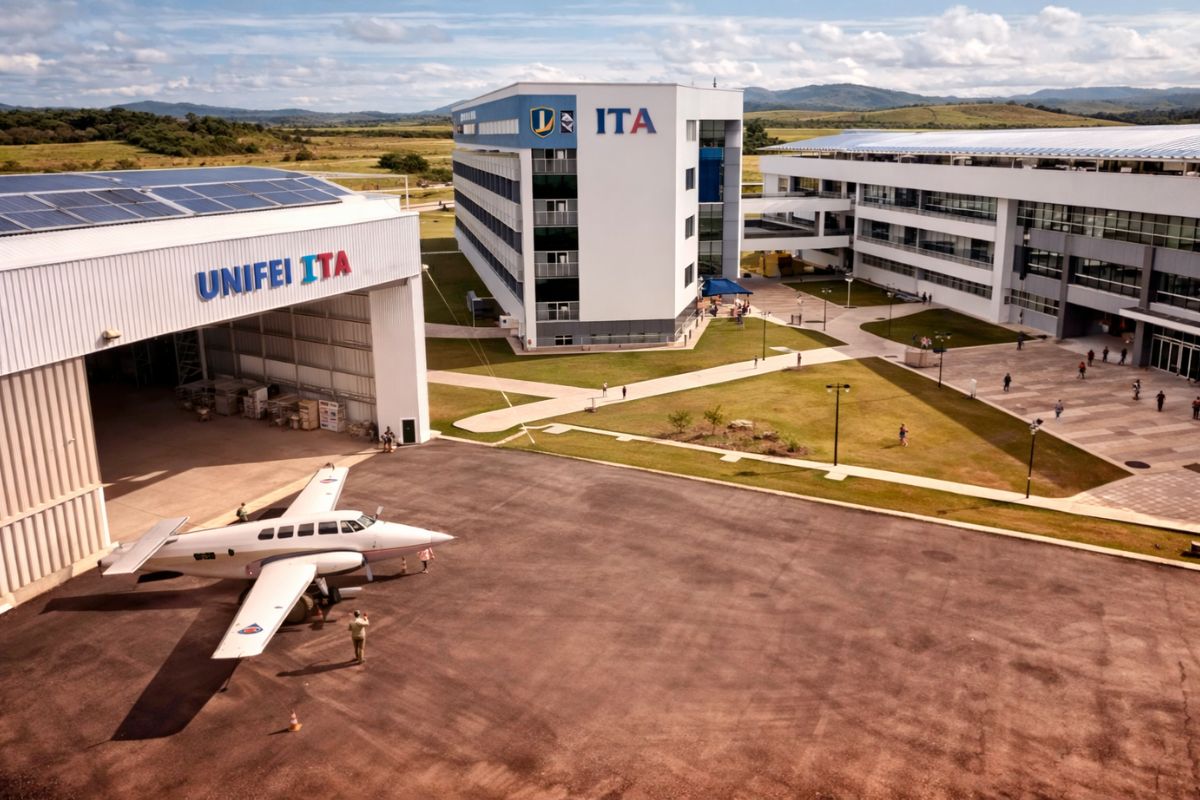
The institute that trained the greatest aerospace engineers in Brazil has just opened its first campus outside São Paulo after 75 years: ITA Ceará will have R$ 445 million, new courses in energy and systems, and classes are expected to start in 2027.
-
Luciano Hang, owner of Havan, goes to Juiz de Fora after the tragedy in February, brings R$ 1 million, hands out R$ 2,000 cards, and donates up to R$ 15,000 to victims in the region.

-
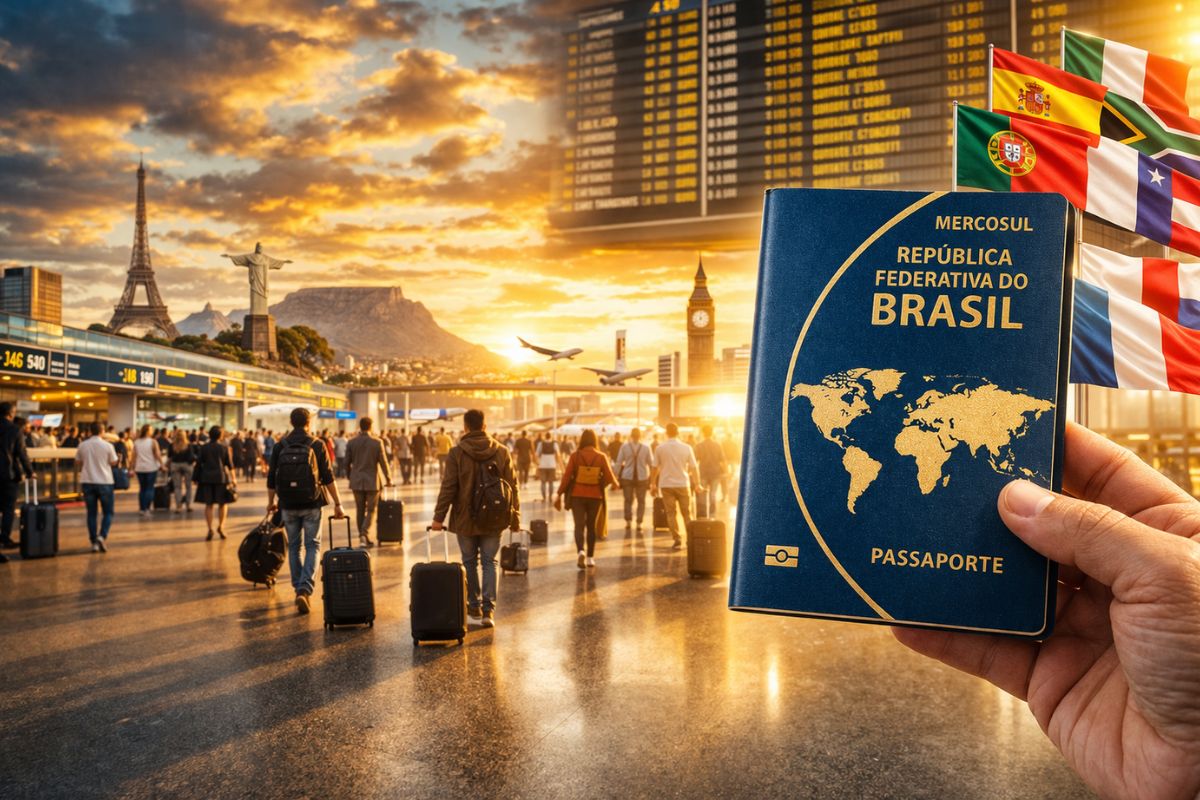
The Brazilian passport allows legal residence in dozens of countries without the need for a prior visa, and most Brazilians are unaware that they can apply for residency directly upon arriving in nations in South America, Africa, and even Europe.
-
Petrobras sends a message to Brazilian truck drivers after fuel collapse and reveals plan to have 100% domestic diesel.


“The consumer charged an undue amount has the right to repeat the undue payment, for an amount equal to double what was paid in excess, plus monetary correction and legal interest, unless there is a justifiable error.”
In practice, this means that any unauthorized deduction must be refunded in double—unless the bank proves that the error was justifiable and made in good faith.

Court Decisions
Brazilian courts have consolidated this understanding in various situations:
- The STJ has already ruled that retirees who had deductions from uncontracted payroll loans must receive double the charged amounts and compensation for moral damages.
- The TJSP ordered a bank to refund in double the amounts of uncontracted fees and also set compensation at R$ 10,000.
- The TJMG upheld a sentence that forced a financial institution to refund in double the embedded insurances in salary accounts, with an additional compensation of R$ 15,000.
These cases show that the Justice system has acted to curb abuses and protect consumers in vulnerable situations.
Main Cases of Unauthorized Deductions
Unauthorized payroll loans: common among retirees and pensioners of INSS.
Unrequested insurances and services: banks embed life insurance, card protection, or fees without authorization.
Illegal bank fees: charges in salary accounts, which should be exempt by law.
Duplicate charges: automatic entries that deduct the same amount twice.
All of these cases can be pursued legally based on the CDC.
How Consumers Should Act
The path to reclaim the amounts is clear:
- Identify the deduction: check bank statements regularly.
- File a complaint: open a protocol with the bank demanding reimbursement.
- Contact Procon or the Central Bank: if the bank does not resolve the issue.
- Seek Justice: with the support of a lawyer or Public Defender, requesting double reimbursement and compensation for moral damages.
Many cases can be resolved in Special Civil Courts, without initial costs and with faster processes.
When Is Compensation for Moral Damages Applicable
In addition to double reimbursement, courts have recognized moral damages in situations such as:
- Deductions that compromise the consumer’s livelihood, especially retirees.
- Insistent collection of non-existent debts.
- Improper inclusion of names in default registers (SPC/Serasa).
In these cases, compensation ranges between R$ 5,000 and R$ 20,000, depending on the severity of the conduct and the damage caused.
Reports from the Central Bank and Procon show that banks are among the most complained sectors in Brazil.
- In 2024, more than 2 million records were filed with Procon regarding abusive charges and uncontracted payroll loans.
- The majority of those affected are retirees, pensioners, and low-income workers, who often do not notice the deductions or have difficulty contesting them.
The double reimbursement and damages act as protection mechanisms to balance the relationship between financial institutions and consumers.
Justice Sends the Message: No to Banking Abuse
The rulings from the STJ and state courts make it clear that banks cannot deduct amounts without express authorization. And when they do, they must not only refund the money but also compensate for the damages caused.
For consumers, the lesson is simple: stay alert to statements, question any suspicious deductions, and seek your rights.
Those who pay the price of abuse alone should not stay silent: Justice is on the side of the citizen.









-

-

-

-

-

14 pessoas reagiram a isso.