





 English
  Francês
  Alemão
  Italiano
  Japonês
  Norueguês
  Portuguese
  Spanish
  3 min of reading


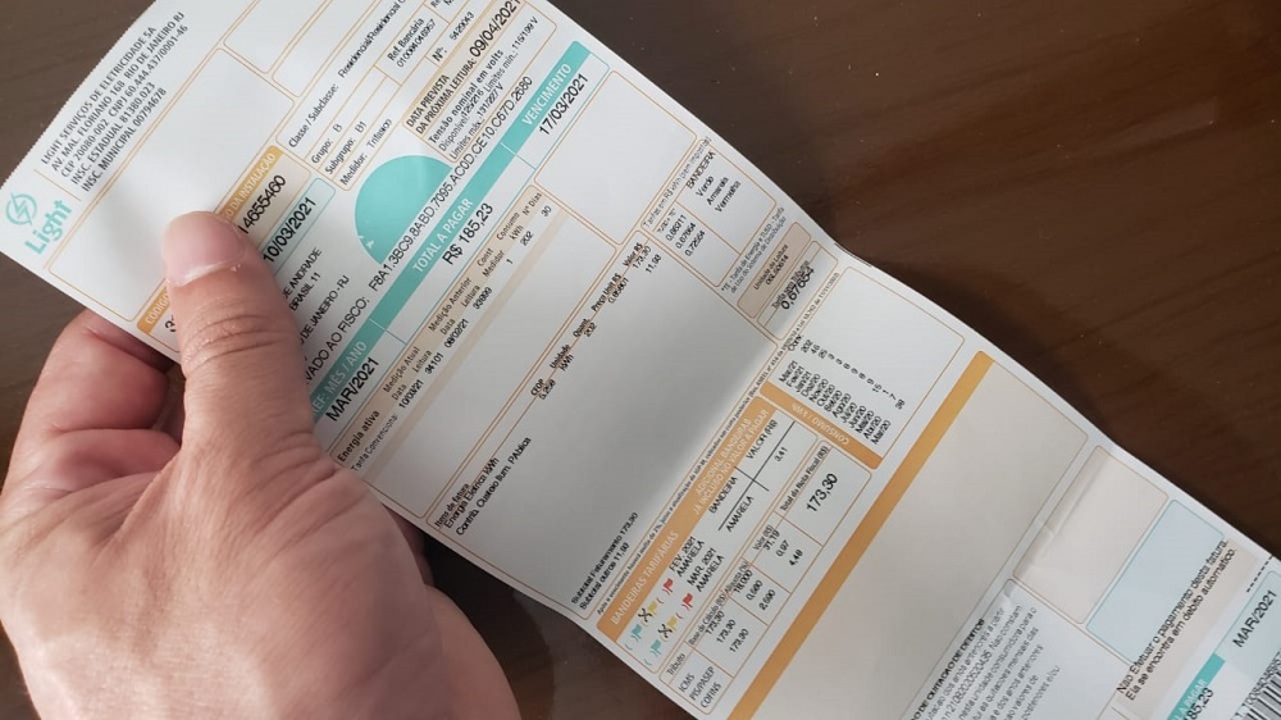
Due to Weak Rains in Hydroelectric Regions, the Tariff Flag on Brazilian Electricity Bills Should Remain Red Until the End of 2021
Brazilian electricity bills will continue to face pressure from so-called tariff flags until the end of 2021, which impose additional charges on consumers when there is lower energy supply in the system, according to experts. The projections mean, in practice, an increase in electricity bills compared to last year, when the National Electric Energy Agency (Aneel) suspended the application of the tariff flag starting in June, amidst the worsening of the Covid-19 pandemic.
Read Also
The tariff flag mechanism, created in 2015, results in additional costs for consumers when it switches from the green flag to the yellow or red flag. Aneel calculates the level each month based on the supply of hydroelectric generation and energy prices in the short-term market.
The electricity bill for the entire first quarter of this year had an additional cost of R$ 1.343 for every 100 kilowatt-hours consumed due to the activation of the yellow tariff flag.
-
With 160,000 m² of collectors, an area larger than 20 football fields, Silkeborg, in Denmark, hosts a solar thermal plant that heats 19,500 homes and could become the largest solar heating plant in the world.

-
A study reveals the expansion of renewable energy procurement in Brazil and shows how companies are taking advantage of opportunities to reduce expenses, ensure energy efficiency, and strengthen strategic environmental commitments.

-
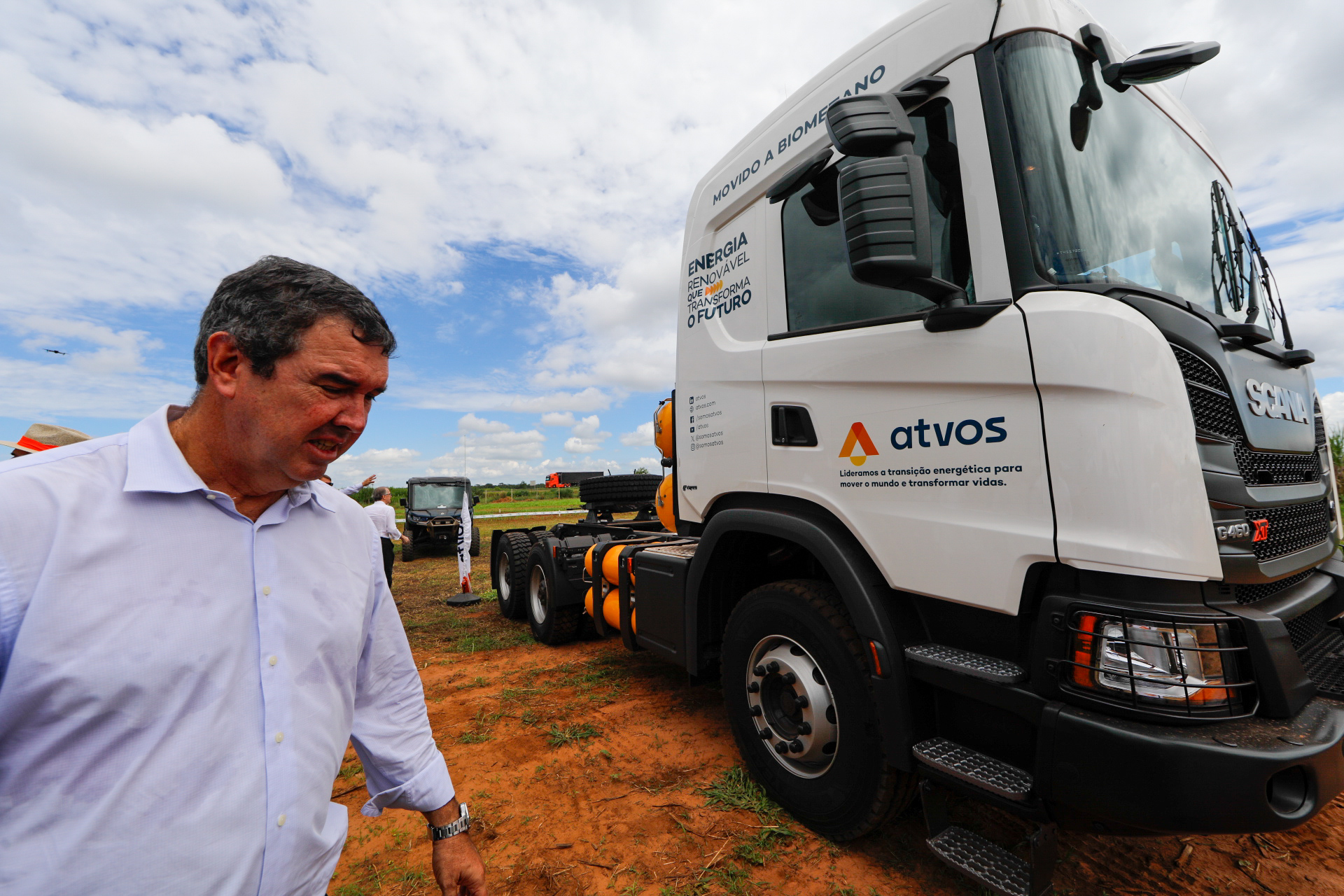
Mato Grosso do Sul excels in the sugar-energy sector: the state reaches a milestone of 22 operating mills and accelerates the production of clean energy in MS with a focus on sustainability.
-
National energy dilemma: Brazilians support clean energy but reject increases in tariff costs to finance the sustainable transition.

Words from Energy Companies
The president of Esfera Energia, Braz Justi, says his expectation is that from May onwards, it will be a red flag. And that in June there is a chance of it dropping to the yellow flag.
On the other hand, Comerc Energia is a bit more optimistic but sees the continuation of pressure from the tariff flag on electricity bills until the end of the year. According to the president of Comerc, Marcelo Ávila, it is quite possible that starting in May we will have an intense period of yellow flag and continue in that way, with chances of having a red flag in July and August.
Expectations for changes in electricity bills are due to weak rains in the hydroelectric regions from November to April.
The Future of the Tariff Flag
Possible activations of red flags could generate even higher costs on electricity bills starting in June, as Aneel’s board has been discussing a proposal that would increase the additional amounts generated by the tariff flag.
In this proposal, the red flag level 1 would become 10% more expensive, i.e., R$ 4.599 for every 100 kWh, while the red flag level 2 would increase by 21%, thus R$ 7.571 for every 100 kWh. The yellow flag could see a reduction of almost 26%, dropping to R$ 0.996.
The expectation is for average adjustments of around 10% in tariffs throughout 2021, according to specialized consulting firms, amid pressure factors such as the devaluation of the real and increased use of more expensive thermoelectric plants due to weak rains.
In light of this, Aneel’s board decided to suspend tariff adjustment processes while evaluating mechanisms to contain the trend of escalating costs.
Hydroelectric Plants Kill Tonnes of Fish and Threaten Species in Brazilian Rivers, Study Shows
Castro explains that while only the mass deaths of large groups of fish simultaneously attract attention and deserve to be recorded, it is highly likely that fish are dying, one by one, constantly due to the operation of the plants. Due to the peculiarities of the organisms, many fish do not die instantly when passing through the turbines — but their bodily structures are severely compromised.
“One example is gases. When there is a decompression, bubbles form in the blood, which we call embolism. This will remain in the blood and cause problems,” enumerates Castro. He also points out that damage to organs may not kill immediately but prevent the creature from having a normal life—making it more vulnerable to predators or even causing death some days later, in a slow agony.







Seja o primeiro a reagir!