





 Portuguese
  English
  Spanish
  4 min of reading


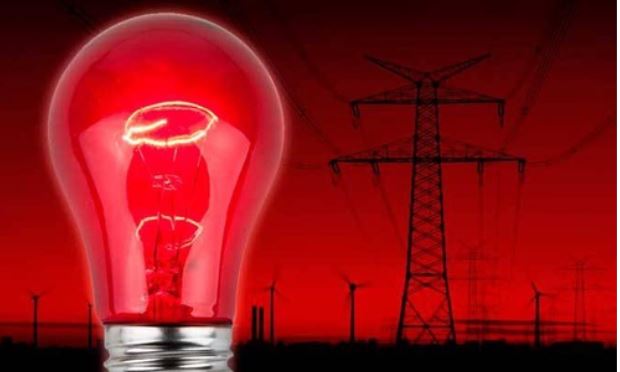
See What the Tariff Flag Means and How It Directly Impacts the Values of Your Electricity Bill!
Sometimes, some of the forces driving electricity prices in Brazil can be difficult to understand — while others seem logical and straightforward. One such mechanism, known as “tariff flags,” was recently adjusted by the National Electric Energy Agency (Aneel). The main consequence of this change is that we have entered phase red level 2, which led to an increase in electricity bills.
Keep reading to understand how this system works and what caused the variation in electricity prices.
What Are Tariff Flags?
This system was created to make information about electricity prices in Brazil more transparent. It works like a traffic light.
-
China alone accounts for 70% of trade within the BRICS, while Brazil establishes itself as an essential supplier of food and minerals: understand how the group, which already represents nearly 40% of the world’s GDP, is changing the game.
-
Starting in May, those who do not have registered biometrics will not be able to apply for Bolsa Família, sickness benefits, or unemployment insurance: understand the new rule that changes access to benefits for millions of Brazilians.

-
A new law being voted on in Brazil proposes a minimum fare of R$ 10 per trip and R$ 2.50 per kilometer for Uber and 99 drivers, and promises to ensure they earn as well as taxi drivers did during the golden age of taxis in the country.

-
Bauer Group collapses after failed judicial recovery: 25 years, 800 vehicles, and a network of gas stations leave a debt of R$ 50 million and 100 layoffs, exposing costs, tight margins, and expensive credit in Brazil.

Depending on the availability of inputs for production, the flag can change on a scale of green, yellow, and red, with the last indicating more difficulties.
The green flag means that the situation is positive and that there are no changes in energy costs.
The yellow flag represents less favorable conditions and currently generates an increase of R$ 1.874 per 100 kWh consumed;
The red flag represents a very adverse situation and is divided into two levels.
- In level 1, the rate is R$ 3.971 per 100 kWh consumed;
- In level 2 (the current flag), an additional R$ 9.49 will be charged for every 100 kilowatt-hours consumed.
Water Crisis Is the Main Cause of the Change
Due to the lack of rainfall, the country has relied on thermoelectric plants, which generate energy that is more expensive than that from hydroelectric plants.
According to a statement from the agency, “the amount determined by the Collegiate Board of ANEEL for the red flag level 2 includes the costs of electricity generation resulting from the exceptional hydrological situation experienced at this moment, the worst since 1931 according to the National System Operator (ONS).”
Other Factors That Affect Electricity Prices
In addition to tariff flags, there are other factors that can alter the cost of electricity, especially when we are talking about businesses and industries:
Supply
Nuclear energy, coal, gas, oil, and renewable sources respond quickly to the available supply (or lack thereof).
This is a key factor that contributes to price fluctuations, which can occur hour by hour.
Demand
The demand for heating, cooling, lighting, and processes directly impacts the values of electricity bills.
Weather Forecasts
The weather forecast, as well as actual weather events, are important considerations, affecting market prices and short-term contracts. If the forecast comes true, it is less critical for long-term prices.
Import and Export
Global prices for oil and gas determine the relative profits that suppliers can obtain by selling fuels in the domestic or foreign market. Remember that all energy prices are interconnected to some degree.
Government Regulation
Federal and state regulations can change supply and demand costs quickly and significantly, which, as noted above, affects the cost of energy.
Geographical Location
The location of a business significantly affects its energy rates. Transportation barriers, proximity to energy suppliers, taxes, and government regulations affect energy prices based on location.
7 Tips to Save on Consumption
There are many different ways to reduce energy use in your home or business, ranging from simple behavioral adjustments to extensive infrastructure improvements.
The two main reasons to save energy are to save on utility bills and to protect the environment.
Here are five ways to keep your electricity bills low:
- Switch Off Lights:
5% of your bill is due to lighting, but this can increase if you are not careful. A very simple habit to form is to turn off lights when leaving a room.
- Replace Old Bulbs with Current Bulbs:
Switch to more energy-efficient bulbs like LEDs. This is one of the simplest ways to see your electricity bill decrease without needing significant effort.
- Stop Leaving Things on Standby:
In some cases, consumption can double if you have “old” electronics.
- Upgrade Old Appliances:
Looking for an excuse to replace your old dishwasher? Then know that it is probably using a ton more energy than a modern model — even a cheap one, so go ahead and upgrade.
- Unplug or Switch Off Plugs When Not in Use:
This is one of the behaviors that few people pay attention to, but it can significantly help reduce bills and save energy.
- Know Your Real Energy Consumption
What is the quantified energy usage for your operations? Are your energy needs forecasts aligned with your energy usage reports?
Reviewing your actual commercial consumption is crucial to gaining a competitive advantage in new energy procurement plans.
Ignoring your business’s energy consumption is like buying an all-inclusive smartphone plan but never knowing how much data or minutes you are using.
- Use Generators
If you want to save energy during the red flag level 2 period, using a generator can be a very efficient solution. Especially in a market where various variables can alter the price of your electricity bill.
If you are in the commercial or industrial sector, renting a generator is a starting point. These devices can be seen as a valuable business continuity tool in our “connected” economy. They will be vital to keep your business operational in case of emergencies and still reduce your energy expenses!










Seja o primeiro a reagir!