





 Portuguese
  English
  Spanish
  3 min of reading
  1 comment


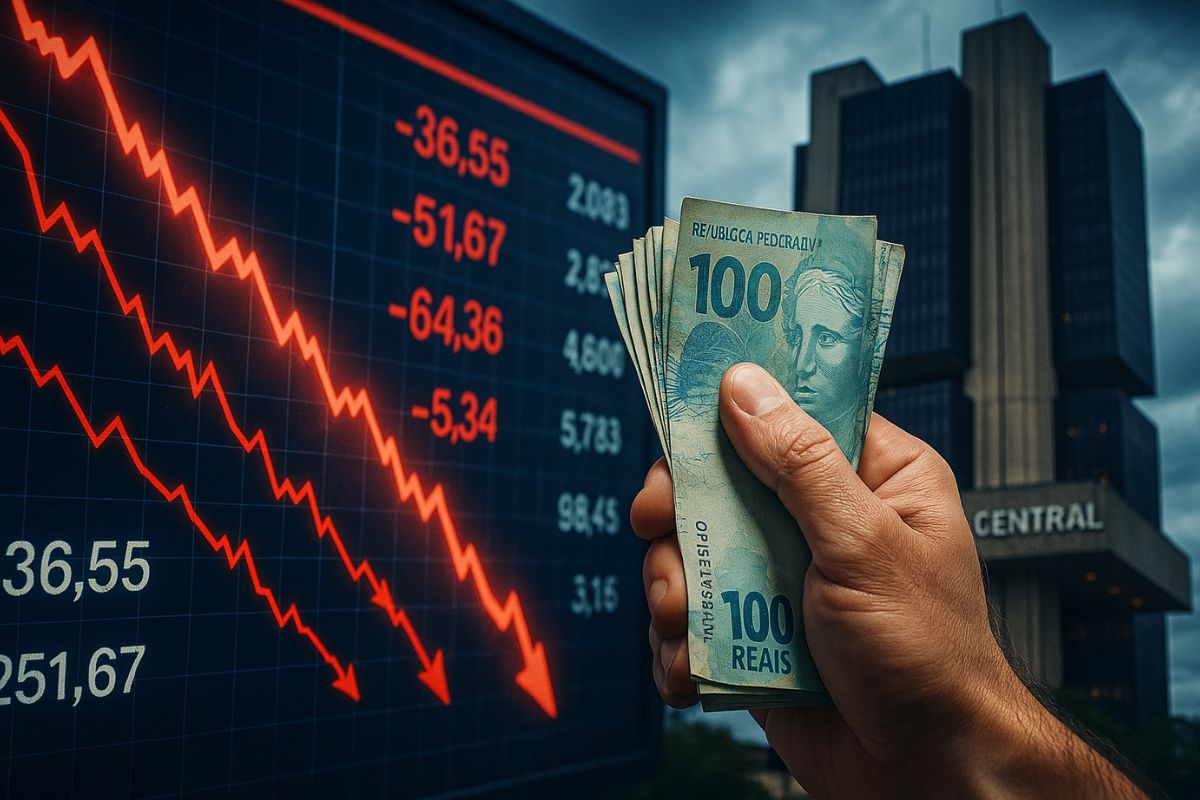


Excessive Interest Rates in Brazil Are Obvious, Says André Esteves. BTG Pactual Chairman Criticizes the Discrepancy Between Fiscal and Monetary Policies and Warns About the Negative Impact of High Selic on the Real Economy.
The banker André Esteves, chairman and senior partner at BTG Pactual, stated that there is an excessive level of interest rates in Brazil, highlighting that the Selic is at a level much higher than necessary to control inflation. At an event with agricultural executives, he said that “one doesn’t need to be a great economist” to see the problem, since high real interest rates make credit more expensive and harm the entire production chain.
According to Esteves, the discrepancy between the expansionary fiscal policy and the restrictive monetary policy creates a scenario where the Central Bank keeps interest rates high to contain prices, but at a high cost for companies and consumers. Today, the basic rate is 15% per year to try to bring inflation from 4.5% to the target of 3%, a move he considers excessive and burdensome for the economy.
Impact of High Selic on the Market
For the executive, the environment of high interest rates in Brazil does not even benefit the banking sector, contrary to what many believe. He explained that this level reduces the volume of credit operations and discourages productive investments, directly affecting economic growth.
-
The largest food company on the planet, JBS, has just opened a 4,000 square meter laboratory in Florianópolis to develop customized proteins that modulate muscle mass gain, immune response, and metabolic performance.

-
After nearly 30 bids and competition among industry giants, a Spanish company purchases one of the largest airports in Brazil for almost R$ 3 billion and takes over the management of Galeão in a concession that will last until 2039.

-
The Federal Revenue Service now automatically cross-references everything you declare with data from banks, credit cards, brokerage firms, and insurance companies, and any discrepancy between your income and your expenses triggers an alert in seconds.

-
Amid global tensions, Brazil blocks the United States’ proposal at the WTO and paves the way for a trade crisis and possible retaliations.

Although investors obtain good returns with securities like LCA, the economic slowdown and decline in loan demand reduce the profitability of financial operations in the medium and long term. Esteves stressed that high capital costs have a negative effect on companies, workers, and even on public revenue.
The View on the External Scenario
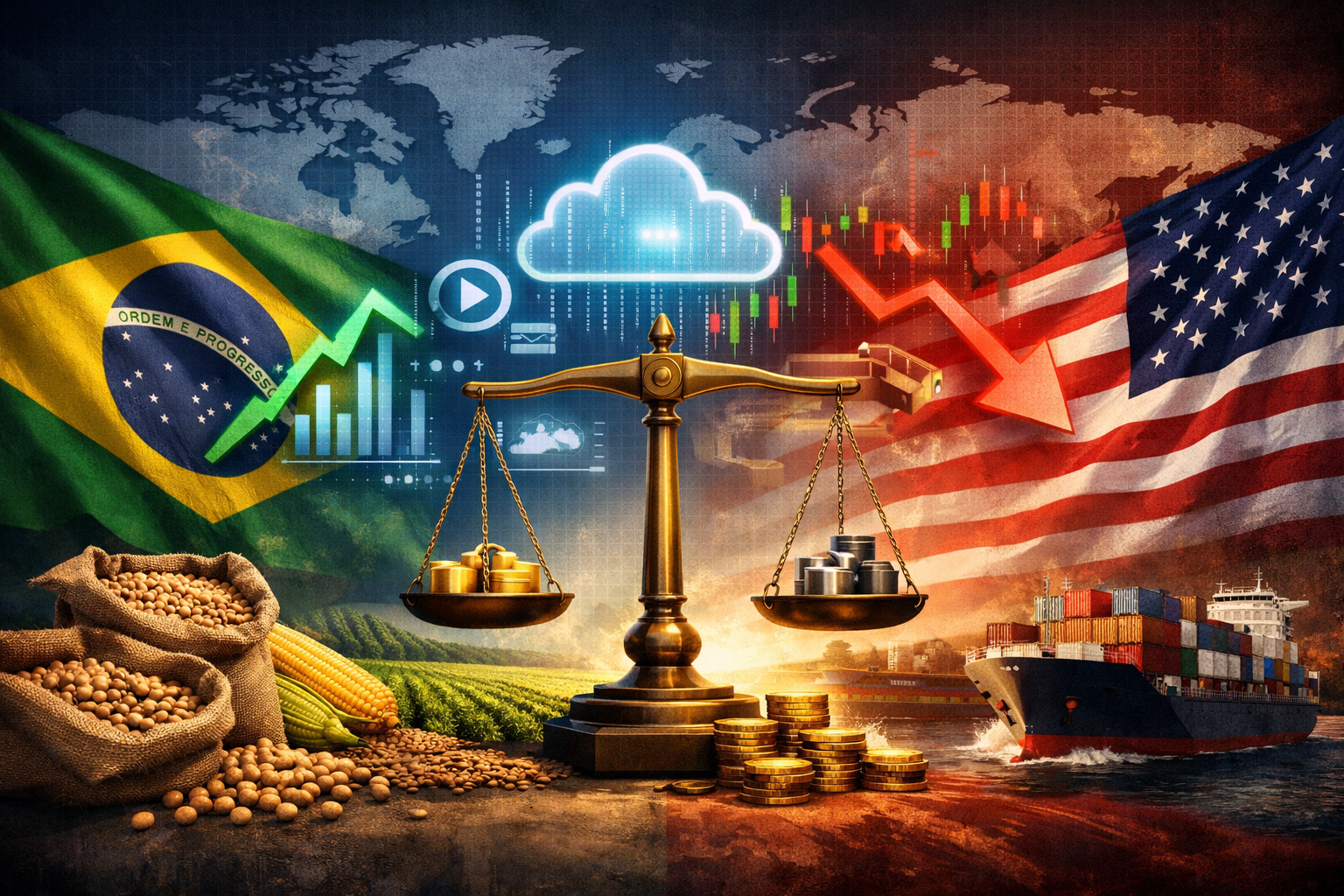
Esteves also criticized commercial confrontation strategies, citing as an example the tariff imposed by the U.S. government on Brazilian products. For him, increasing international tensions is an economic mistake that can further harm the economy. He advocates for a constructive and long-term diplomatic stance that favors business stability.
Despite the political impact of these measures, the banker assesses that the direct economic effect tends to be limited, with a possible deflationary influence of up to 0.1 percentage points on the IPCA and GDP.
Agribusiness and Brazilian Competitiveness
The BTG chairman emphasized that Brazilian agribusiness is highly competitive and little dependent on subsidies, needing to be promoted abroad strategically. He believes that Brazilian diplomacy lacks a more assertive action to sell the sector’s real image, which combines technology, efficiency, and sustainable production.
With the Safra Plan 2025/2026 allocating R$ 516.2 billion to corporate agriculture, Esteves believes that Brazil has the potential to expand markets, as long as communication and foreign policy work in tune with economic interests.
André Esteves’ warning about the excessive interest rates in Brazil reinforces an urgent debate on how to balance the economic policy to favor growth and stability. High Selic has profound impacts on the real economy, and the lack of alignment between fiscal and monetary policy increases costs for society as a whole.
Do you agree that interest rates in Brazil are excessively high? Do you think this stance hinders the country’s growth? Share your opinion in the comments—we want to hear from those who experience this in practice.







Este sujeito já foi preso por lavagem de dinheiro. Não dá pra confiar.