





 English
  Francês
  Alemão
  Italiano
  Japonês
  Norueguês
  Portuguese
  Spanish
  3 min of reading


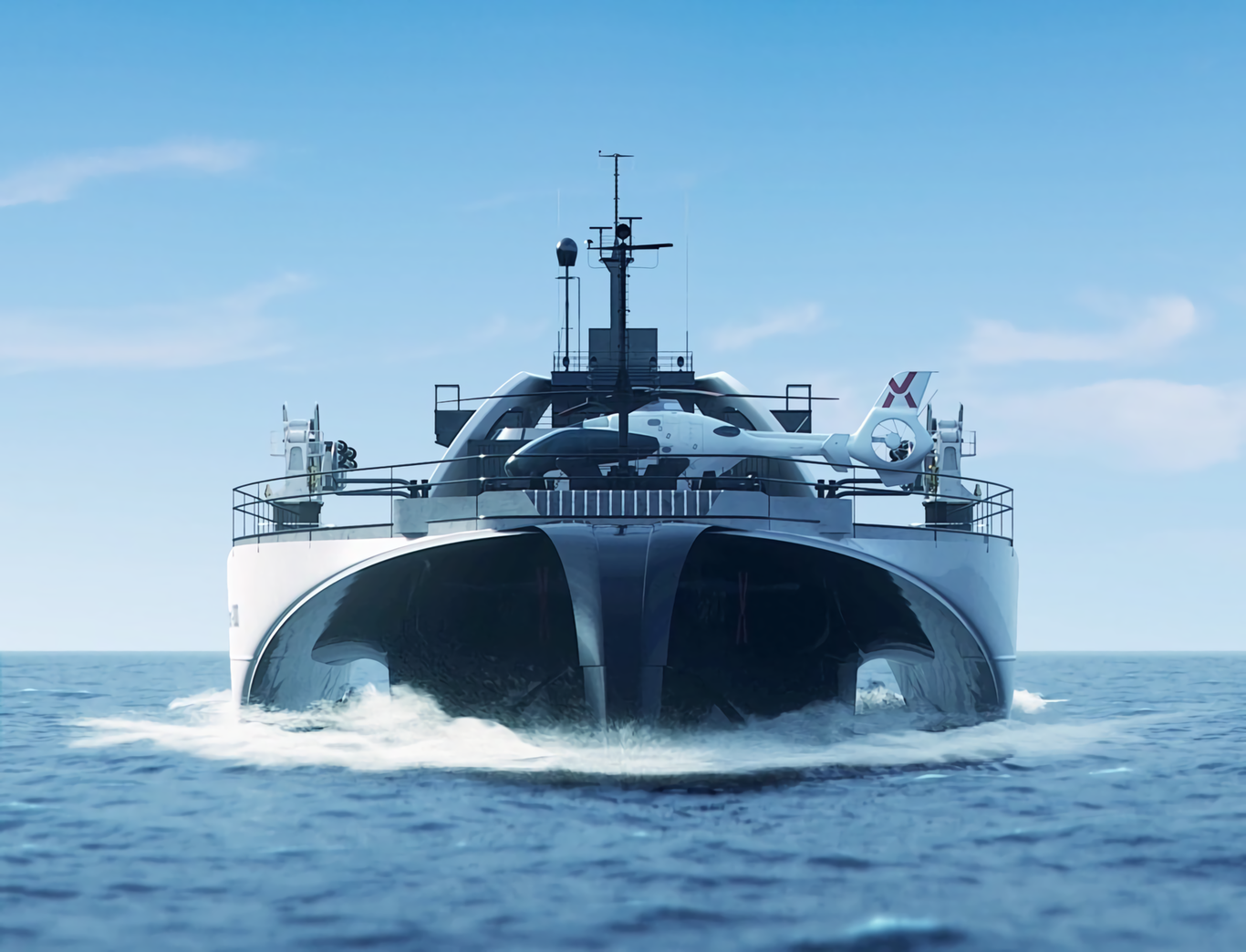
Wind Power: PowerX Boat Will Transport Offshore Wind Turbine Energy Enough to Meet the Daily Energy Needs of 22,000 Japanese Households in a Single Trip
If offshore wind farms are much more efficient than those on land, why do we continue to place them in “wrong” locations? One of the obstacles that arises when installing wind turbines offshore is transporting energy via cables to the coast. But what if we could develop wind energy almost anywhere on the planet, regardless of its location? The Power ARK boats from a Japanese startup could play a key role in solving this challenge.
Read Also
- Petrobras Successfully Drills the Deepest Oil Exploration Well in Brazil’s History; Record Depth of 7,700 Meters Equals 1.3 Times the Height of Mount Kilimanjaro, the Tallest Mountain in Africa
- WEG, One of the Largest Manufacturers of Turbines and Electric Motors in the World, Develops a Line of Niobium-Based Coatings Resistant to Corrosive Agents in Partnership with Randon Companies
- Nordex, One of the Largest Wind Turbine Manufacturers in the World, Secures a New Million-Dollar Contract from Brazil’s AES to Manufacture and Install 65 Turbines for a Wind Power Plant in Rio Grande do Norte
- Global Wind Turbine Giants, Vestas and Siemens Gamesa, Become Victims of Their Own Success
- The World’s Largest Wind Turbine Manufacturer Wants to Install an Offshore Wind Turbine Factory in Ceará and Many Jobs Will Be Created in the State
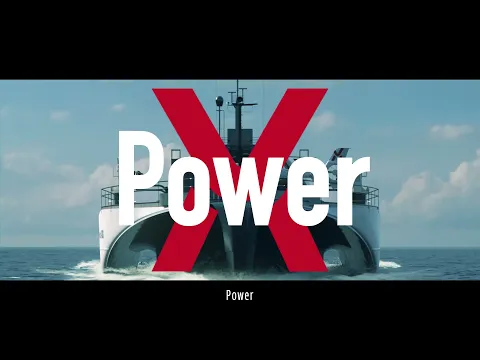

Wind Turbines of the PowerX Boat Will Transport Energy Generated by Offshore Parks to the Coast
PowerX is developing a ship designed to transport energy generated by offshore wind farms to the coast. The boat, measuring 100 meters long, will operate on electricity and be able to travel a distance of 300 km. However, it will also have a backup biodiesel engine that, if necessary, will allow the initial autonomy to be extended.
Unlike other vessels designed to transport crude oil, gas, or coal, the Power ARK will have 100 batteries capable of providing a capacity of 220 MWh of energy generated by offshore plants. According to PowerX, this will be enough to meet the daily energy needs of 22,000 Japanese households in a single trip.
-
Renewable energy advances over protected areas in Brazil, and a survey by the Energy Transition Observatory reveals silent impacts that challenge environmental conservation and pressure sensitive traditional territories.

-
Rio Grande do Sul accelerates energy transition: State invests in renewable technologies and consolidates decarbonization strategies and pathways to attract billions in new industrial investments.

-
With 160,000 m² of collectors, an area larger than 20 football fields, Silkeborg, in Denmark, hosts a solar thermal plant that heats 19,500 homes and could become the largest solar heating plant in the world.

-
A study reveals the expansion of renewable energy procurement in Brazil and shows how companies are taking advantage of opportunities to reduce expenses, ensure energy efficiency, and strengthen strategic environmental commitments.


The company states in a press release that transferring energy from offshore wind farms to land using submarine cables is complex, costly, and has a significant environmental impact. However, with its solution, they plan to solve this problem and offer new opportunities to harness wind energy almost regardless of location, although they have been inspired by Japan and its deep coastal waters.
The project, which also seeks to manufacture batteries for its own ships and for electric cars, is still in its early stages, but has already attracted the attention of some investors who promise to support it. For now, PowerX has just signed an agreement with Japan’s largest shipbuilding company, Imabari, to construct the first prototype of the boat, which is set to be completed in 2025.






Seja o primeiro a reagir!