





 Portuguese
  English
  Spanish
  5 min of reading
  2 comments


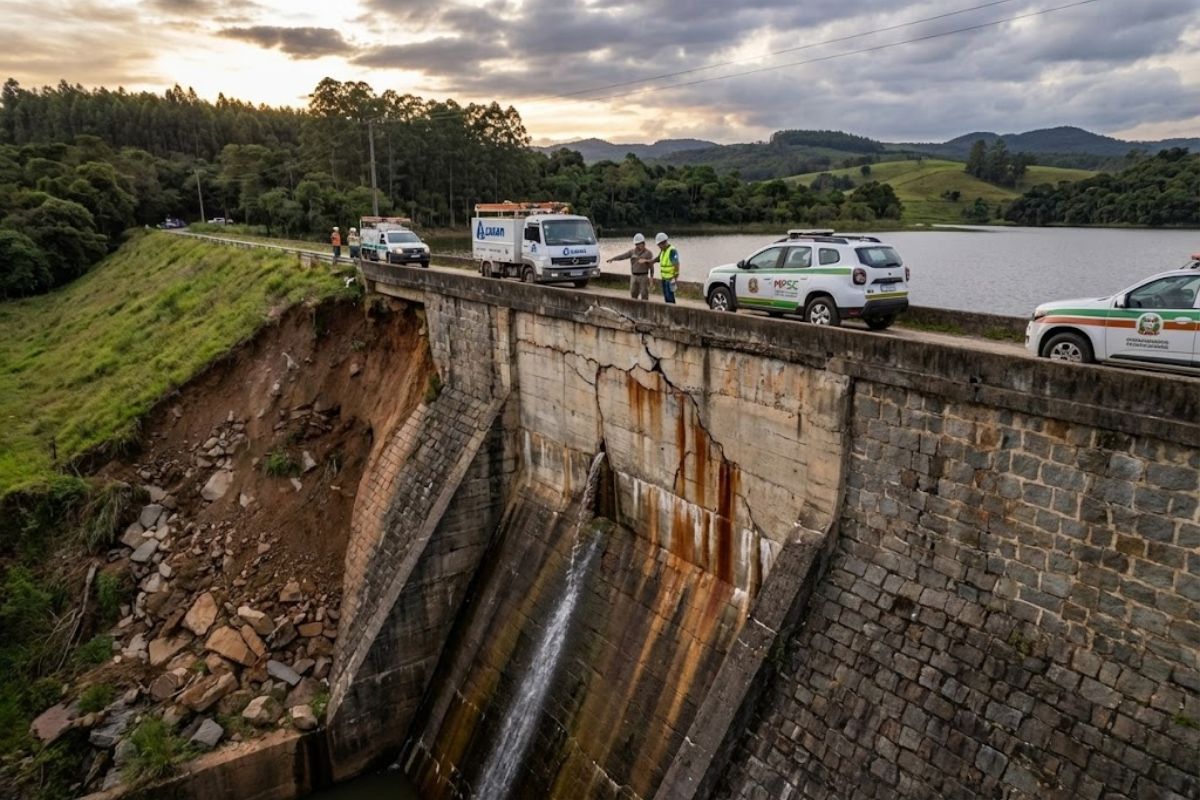


With Cracks, Erosion, Leaks, and Neglect, the Ubatã River Dam in Santa Cecília, Built in the 1960s, Led the MPSC to Take Legal Action in a Public Civil Action After Technical Inspections and Studies Indicated Risk of Collapse and Absence of Formal Responsibility for the Structure, Posing a Risk to the Population.
Built in the 1960s to supply drinking water to Santa Cecília and the surrounding region, the Ubatã River dam has become, over the years, one of the main tourist attractions in the municipality, even facing visible signs of wear today, such as cracks, erosion, and leaks, which have raised alarms among residents and authorities.
In light of the lack of proper maintenance and the absence of a formal responsibility for the work, the Public Prosecutor’s Office of Santa Catarina filed, last Thursday (18), a public civil action to ensure urgent safety measures at the dam and prevent the risk of collapse indicated by technical studies from turning into a potential disaster for the local population.
Dam Structure Concerns Residents and Authorities

The Ubatã River dam, in Santa Cecília, was built in the 1960s primarily to ensure the supply of drinking water for the municipality and nearby cities.
-
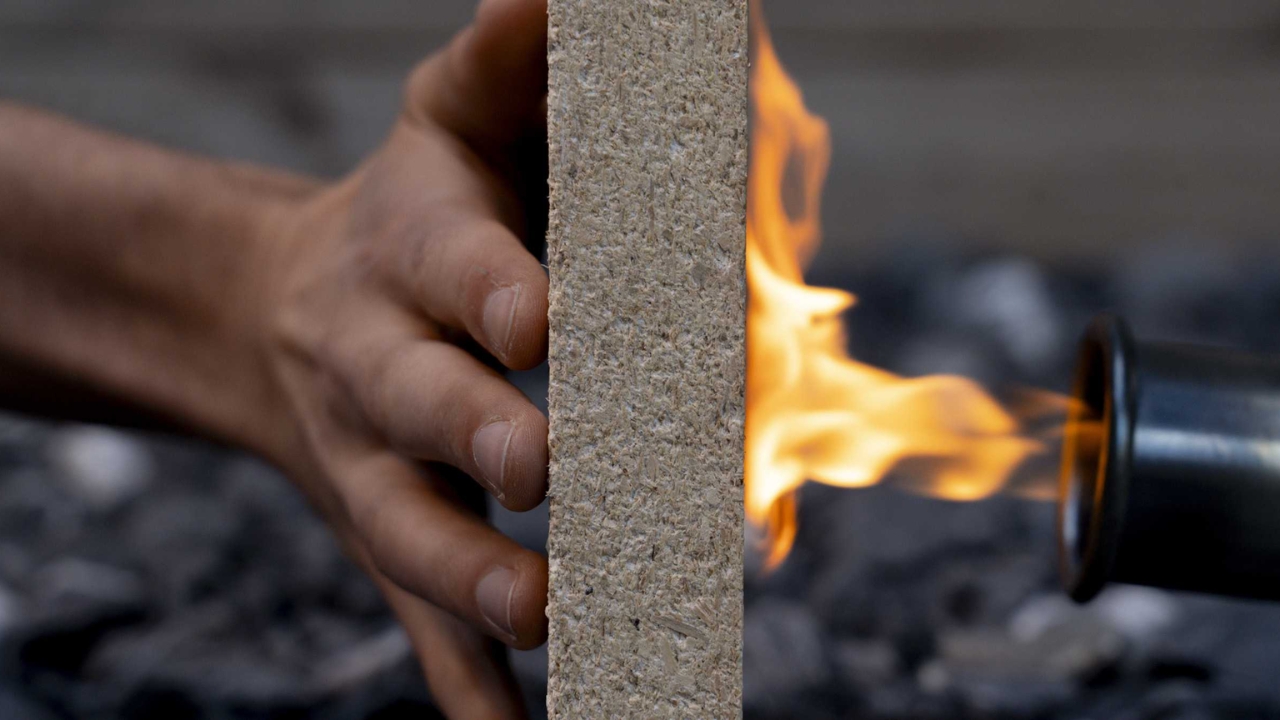
Scientists transform sawdust into fire-resistant panels, stabilize the compound with an enzyme extracted from watermelon seeds, and turn waste into promising material for construction.
-
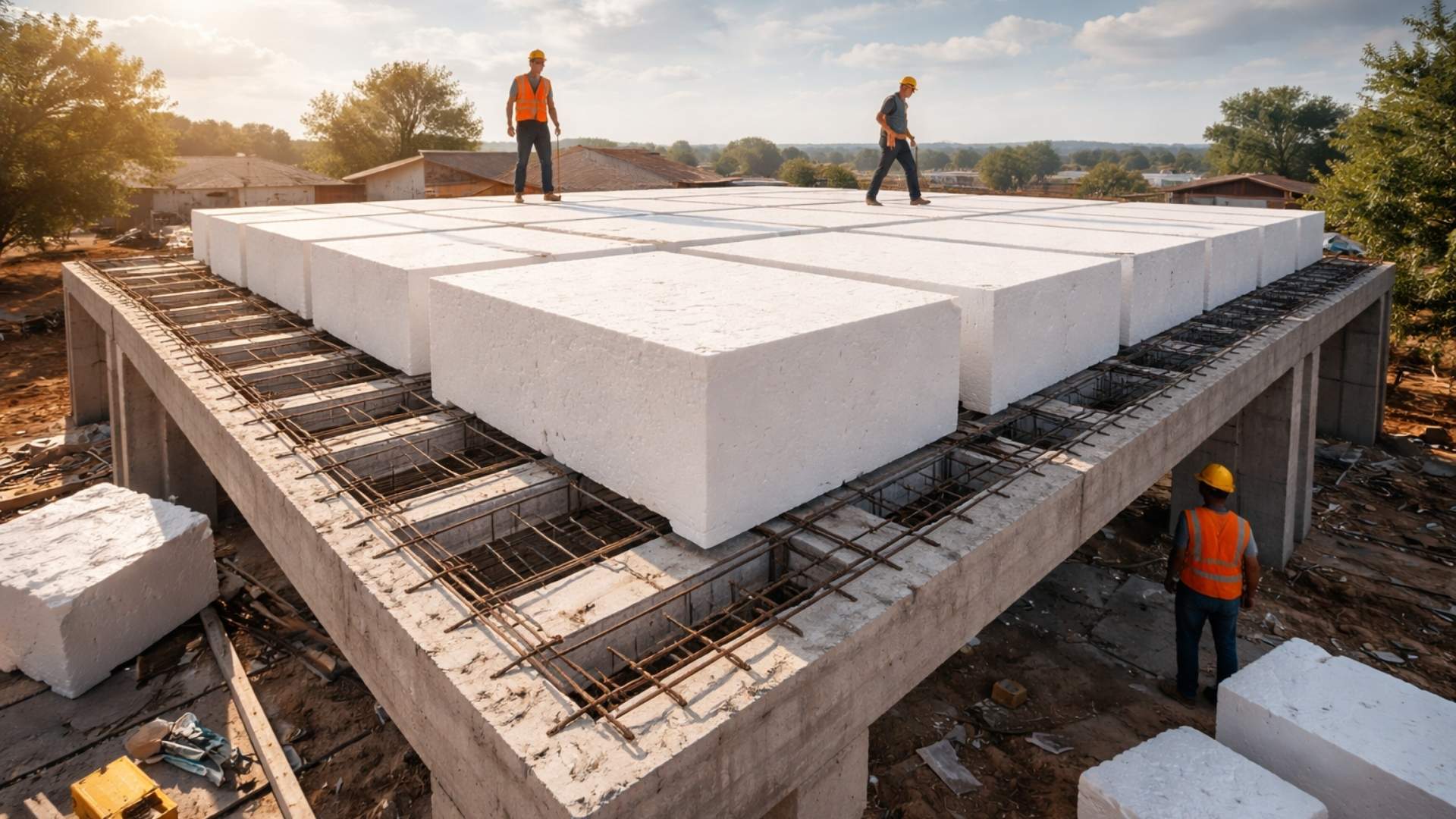
Forget concrete: architects are replacing tons of concrete with giant blocks of expanded polystyrene to build the roofs of houses and reduce structural weight by up to 50%, cut costs, improve thermal insulation, and speed up construction.
-
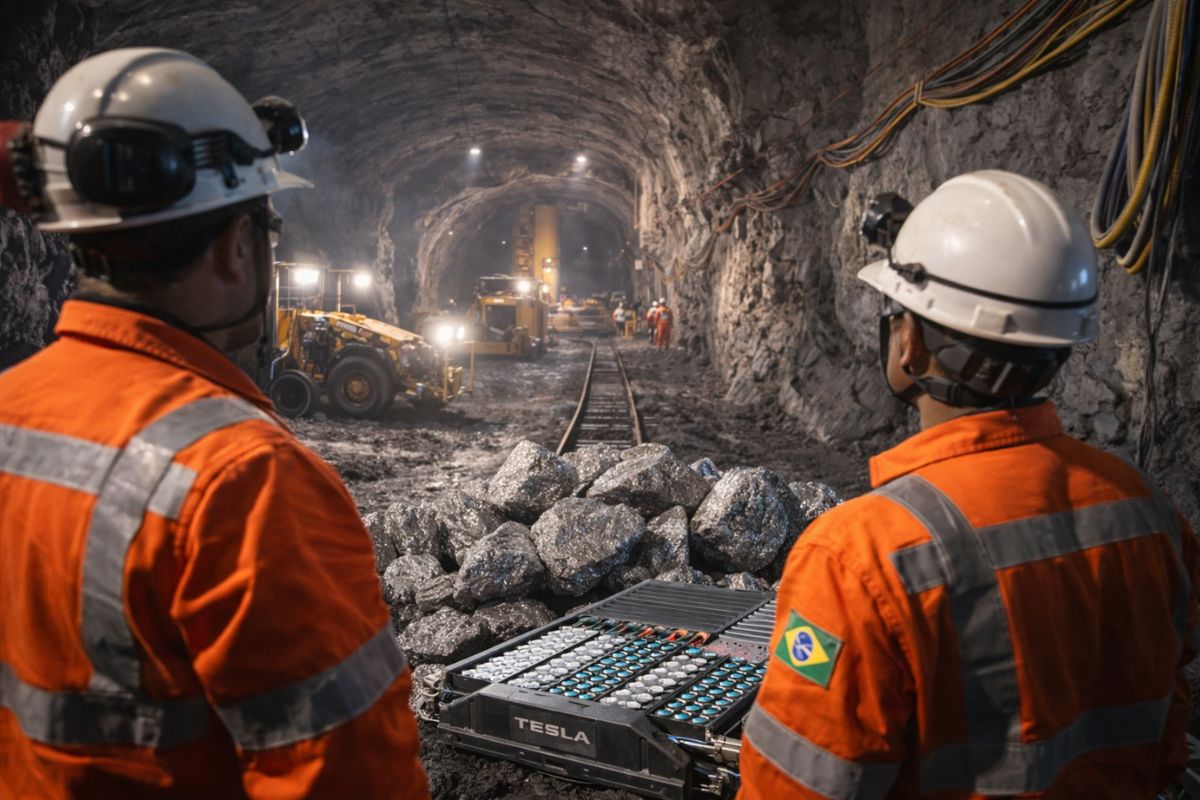
The Brazilian state enters the center of the global race for critical minerals by starting the construction of the largest underground nickel mine in Latin America, a mineral essential for electric car batteries that the entire world is competing for at this moment.
-
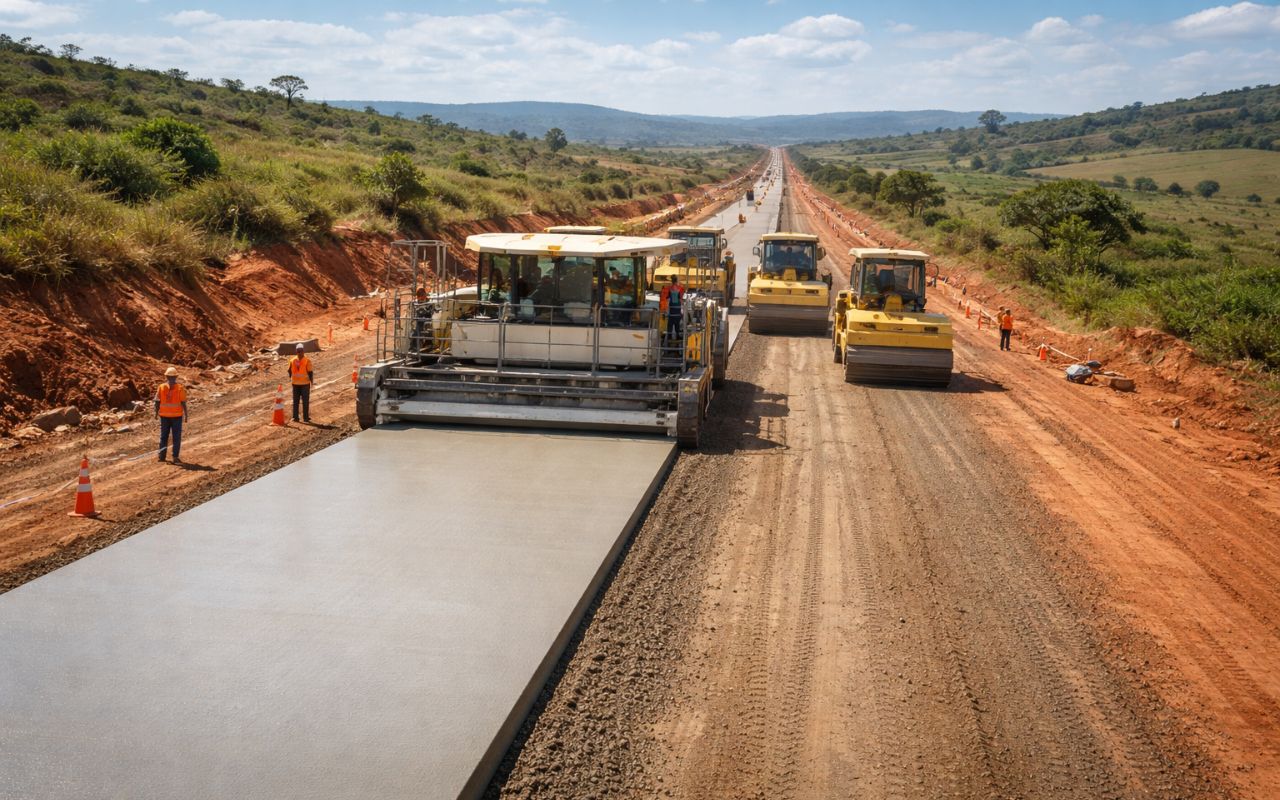
New CCR concrete paving technology promises roads up to 3x more durable, less maintenance, and cost reduction in Brazil.

Over time, the reservoir has also established itself as one of the main tourist spots in the city, attracting both residents and visitors.
Despite this significance, the structure still lacks a clearly defined formal responsibility, complicating the enforcement of preventive and corrective maintenance.
Older residents report that the work was allegedly carried out by the Army, but there is no documentation to support this information, leaving the situation in an administrative limbo.
The combination of the structure’s age, continuous use, and lack of systematic maintenance has contributed to the current deterioration.
Structural issues identified in recent inspections have heightened concerns that the dam, in the event of a failure, could pose real risks to those living in the potentially affected areas downstream of the structure.
Technical Study Points to Casan as Responsible for Maintenance
In light of reports regarding cracks, erosion, and other signs of instability in the dam in Santa Cecília, the Public Prosecutor’s Office requested a technical study from the Operational Support Center for Environmental Matters of the MPSC.
The mission was to evaluate the structure’s condition and clarify who, from a legal standpoint, should assume responsibility for its conservation.
The study concluded that the responsibility for the dam’s maintenance falls on whoever holds the grant, license, concession, or another act that authorizes the operation of the structure.
In this context, Casan was identified as responsible, as it has been drawing water from the dam since 2008 to supply the public system.
For the Public Prosecutor’s Office, it is unacceptable to maintain an old dam with a history of problems without a clearly identified entity to carry out periodic inspections, recovery work, and safety measures.
Defining the responsibility for the dam is seen as a necessary step to ensure transparency, effective accountability, and protection for the population.
Public Civil Action Demands Safety Plan and Urgent Measures
Based on the technical study, Prosecutor Murilo Rodrigues da Rosa filed a public civil action asking the Judiciary to order Casan to immediately adopt measures to reduce the risk of collapse of the Ubatã River dam.
The requests are made in urgent protection due to the signs of structural instability identified in the inspections.
Among the main demands is the designation of a licensed technical responsible by CREA to formally take charge of the dam’s safety, accountable for inspections, reports, and necessary interventions.
It is also requested that the company develop a safety plan for the dam in Santa Cecília, with clear rules for monitoring, controlling water levels, and procedures to be followed in abnormal situations.
The action further requests the implementation of emergency measures to stabilize the structure and mitigate immediate risks, along with communication to the potentially affected population, ensuring that residents are informed about the dam’s status, ongoing measures, and guidance in case of a potential emergency.
Another central point is the presentation of a rehabilitation project for the dam, with defined deadlines for each stage, covering supplementary studies, execution of works, and regularization with the competent authorities.
This project must include the obtaining of necessary environmental licenses, so that any intervention complies with current legislation and adequate technical standards.
State May Be Held Subsidiarily Responsible
The MPSC’s action also provides that if Casan fails to comply with judicial determinations, the State of Santa Catarina will be held subsidiarily responsible for the maintenance and safety of the dam in Santa Cecília.
This means that, in the absence of action by the company, it will be the State’s responsibility to take precautions to protect the population.
In a statement in the public civil action, Prosecutor Murilo Rodrigues da Rosa stated that “the Public Prosecutor’s commitment is to preserve the safety of the population and prevent a potential disaster”, emphasizing that this is an old structure with signs of instability that cannot continue without a formally appointed responsibility.
The MPSC emphasizes that this is not just a bureaucratic debate, but a concrete safety issue, as a dam failure can cause significant material damage and directly affect communities located nearby.
Therefore, the agency insists on adopting preventive measures and clearly defining responsibilities.
Inspections Reveal Serious Flaws in the Dam
The latest technical inspections carried out at the Ubatã River dam identified a series of irregularities that reinforce the risk picture.
The technicians recorded neglect of the structure, with the absence of protective barriers in sensitive areas, which allows easy access for people to areas that should be controlled, in addition to deficient safety signage.
There were identified erosion on the flanks, cracks, and deterioration of the concrete, as well as signs of displacement of parts of the dam.
Water leaks were also observed, indicating that the waterproofing is compromised in certain sections of the structure.
In the spillway area, responsible for draining excess water from the reservoir, erosion was noted that draws technicians’ attention and could affect the dam’s performance during heavy rain events.
The damaged level gauges hinder the precise monitoring of the water surface, an essential tool for any dam safety plan.
With this set of flaws, the MPSC decided to file the public civil action last Thursday (18), demanding an urgent response from Casan and the State of Santa Catarina.
Now, the Public Prosecutor’s Office awaits the court’s response regarding the preliminary requests made to ensure the rehabilitation and safety of the dam in Santa Cecília.
And you, as a resident or reader, believe that the dams in Santa Catarina receive the necessary oversight and maintenance today to prevent anticipated tragedies?






A barragem de Ubatã não é a primeira imagem. É a barragem menor com a foto batida da ponte para a barragem. Depois que a Casan passou a captar água, acabou com a beleza do lugar, pois, geralmente na parte superior acima do túnel da linha férrea, o alagado virou habitualmente apenas um rio.
Jesus amado, aí os caras vão lá e param os veículos bem em cima da área que pode colapsar a qualquer momento.