





 Portuguese
  English
  Spanish
  5 min of reading
  0 comments


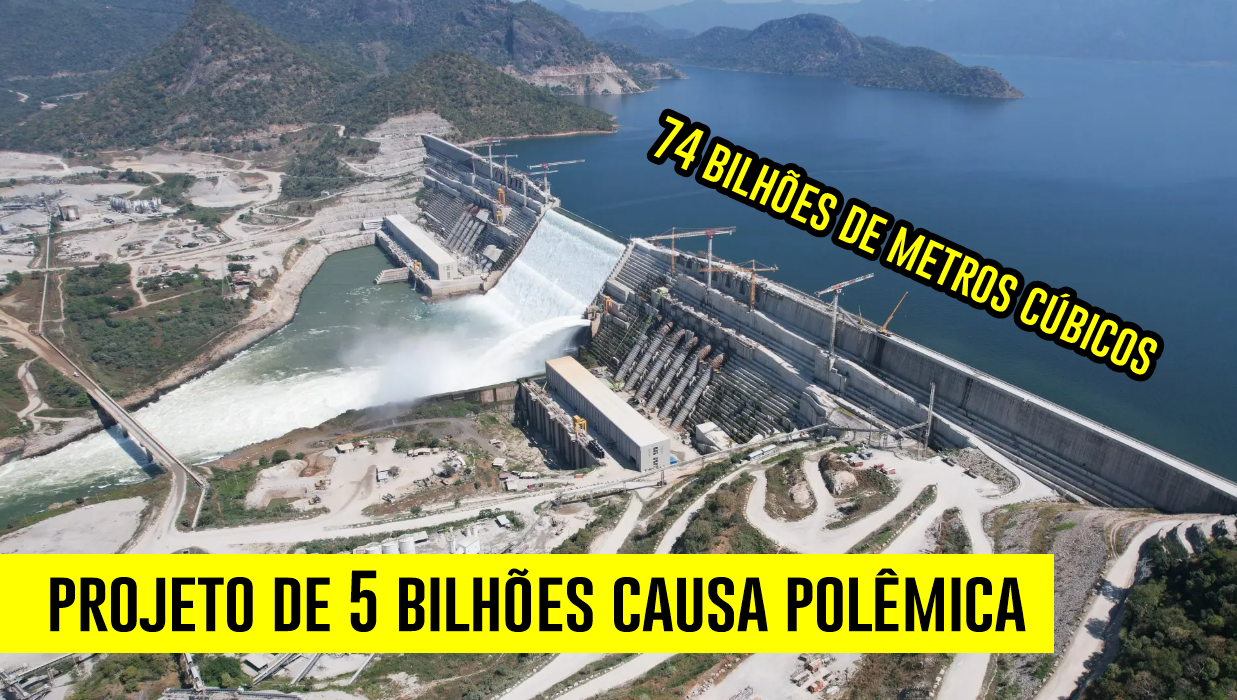
The Construction of a US$ 5 Billion Mega Dam on the Nile River Threatens Water Supply in Egypt and Increases Flood Risks in Sudan, Generating Geopolitical Tension.
The Grand Ethiopian Renaissance Dam (GERD, in English) is one of the most ambitious infrastructure projects in Africa’s history. Located on the Blue Nile, the dam promises to transform Ethiopia’s energy matrix but is also a source of one of the continent’s most tense geopolitical disputes.
Since the beginning of its construction in 2011, the GERD has been controversial, mainly involving Ethiopia, Egypt, and Sudan, with implications that extend beyond water security to include political and economic stability in the northeast of Africa.
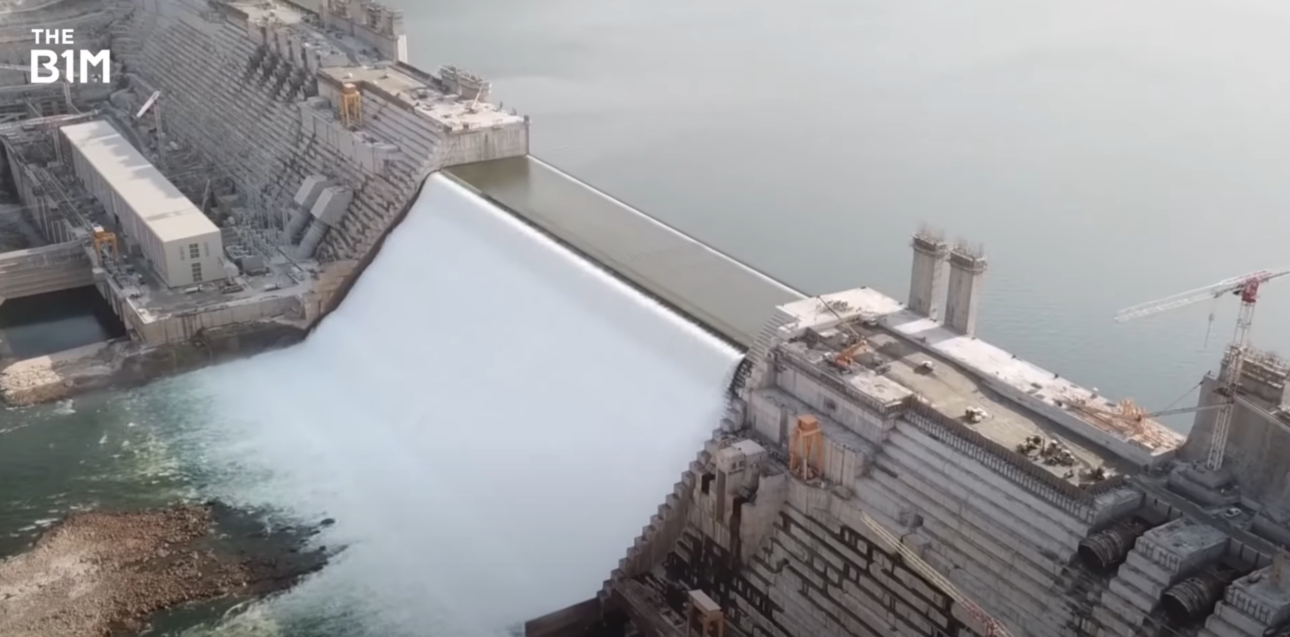
The Dam and Its Importance to Ethiopia
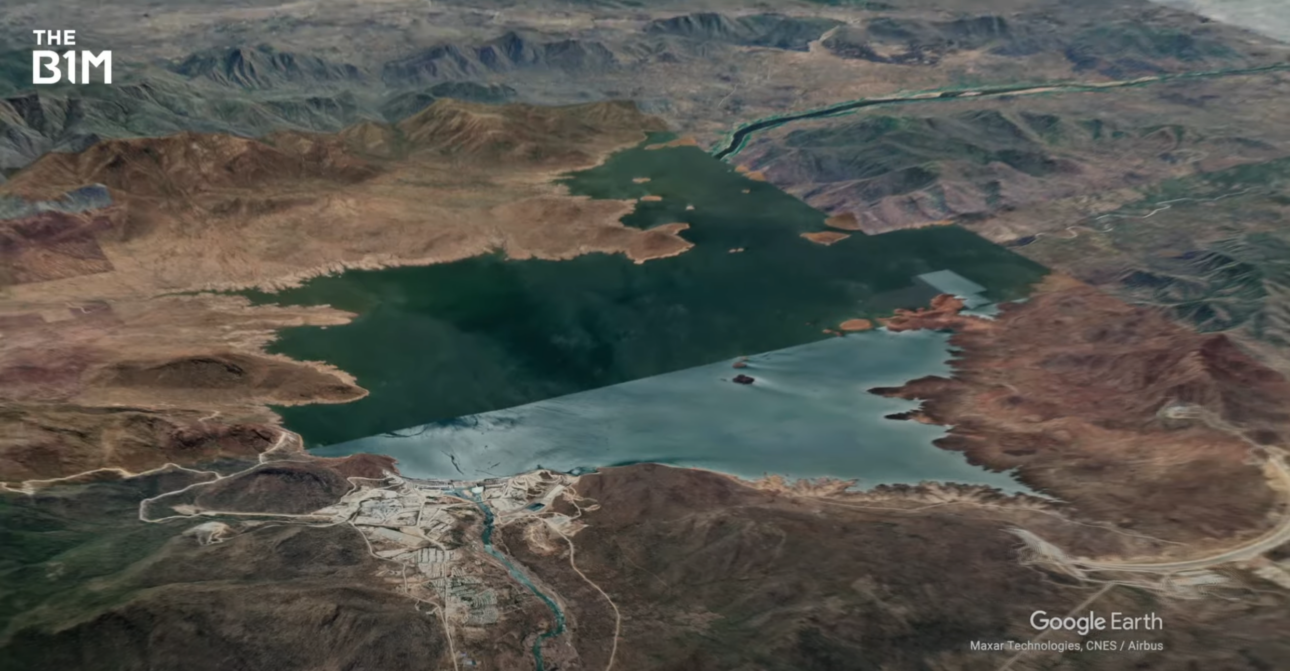
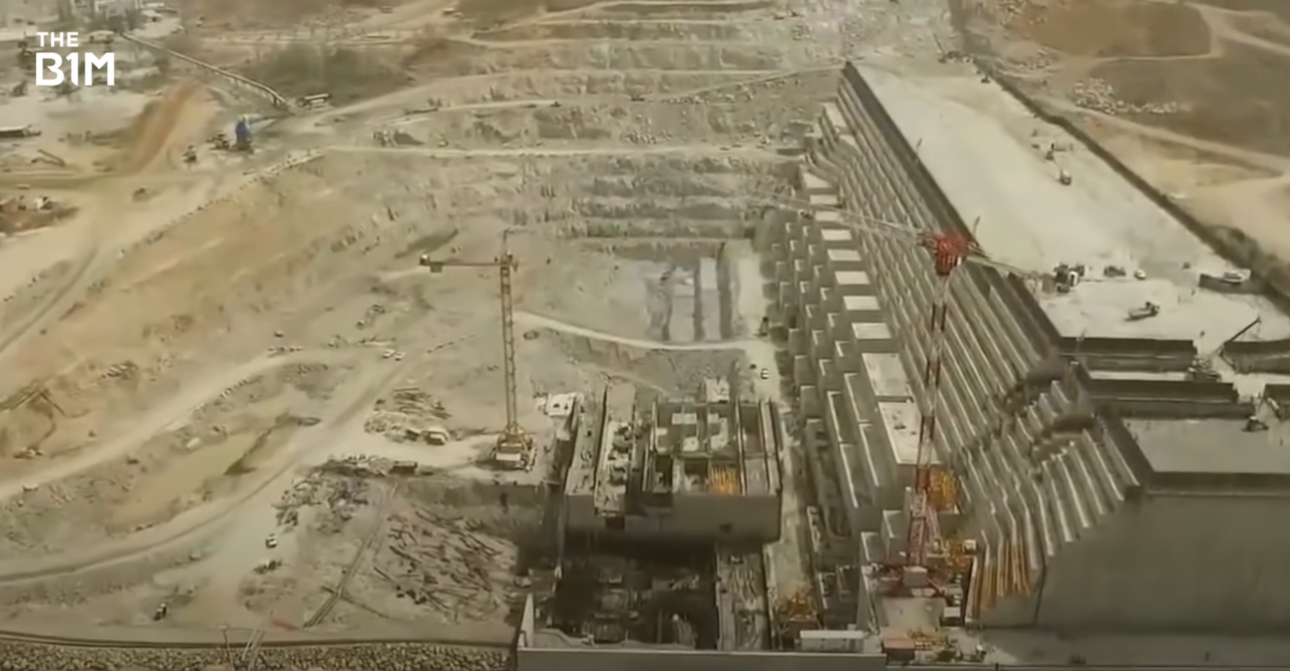
The GERD is located in the Benishangul-Gumuz region, about 40 kilometers from the border of Ethiopia with Sudan. When completed, it will be the largest dam in Africa, with an installed capacity of 6,000 megawatts.
-
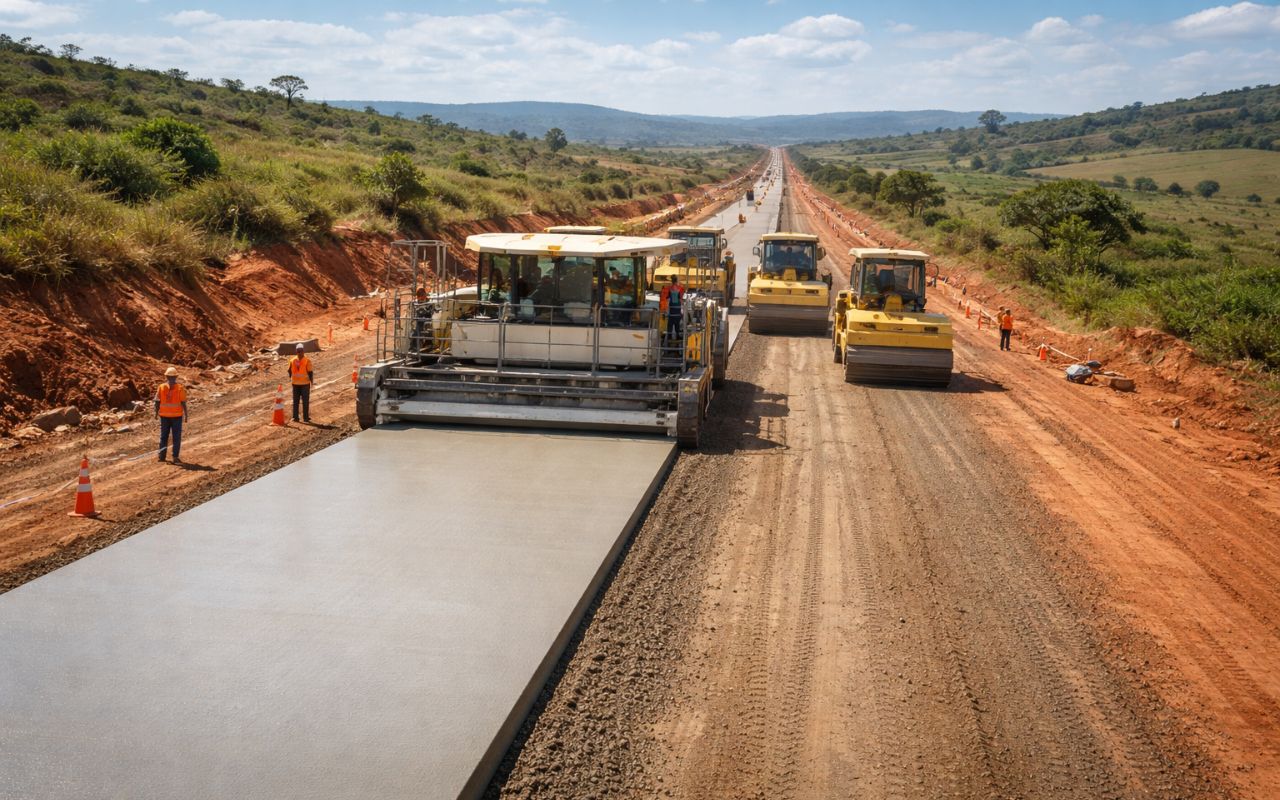
New CCR concrete paving technology promises roads up to 3x more durable, less maintenance, and cost reduction in Brazil.
-
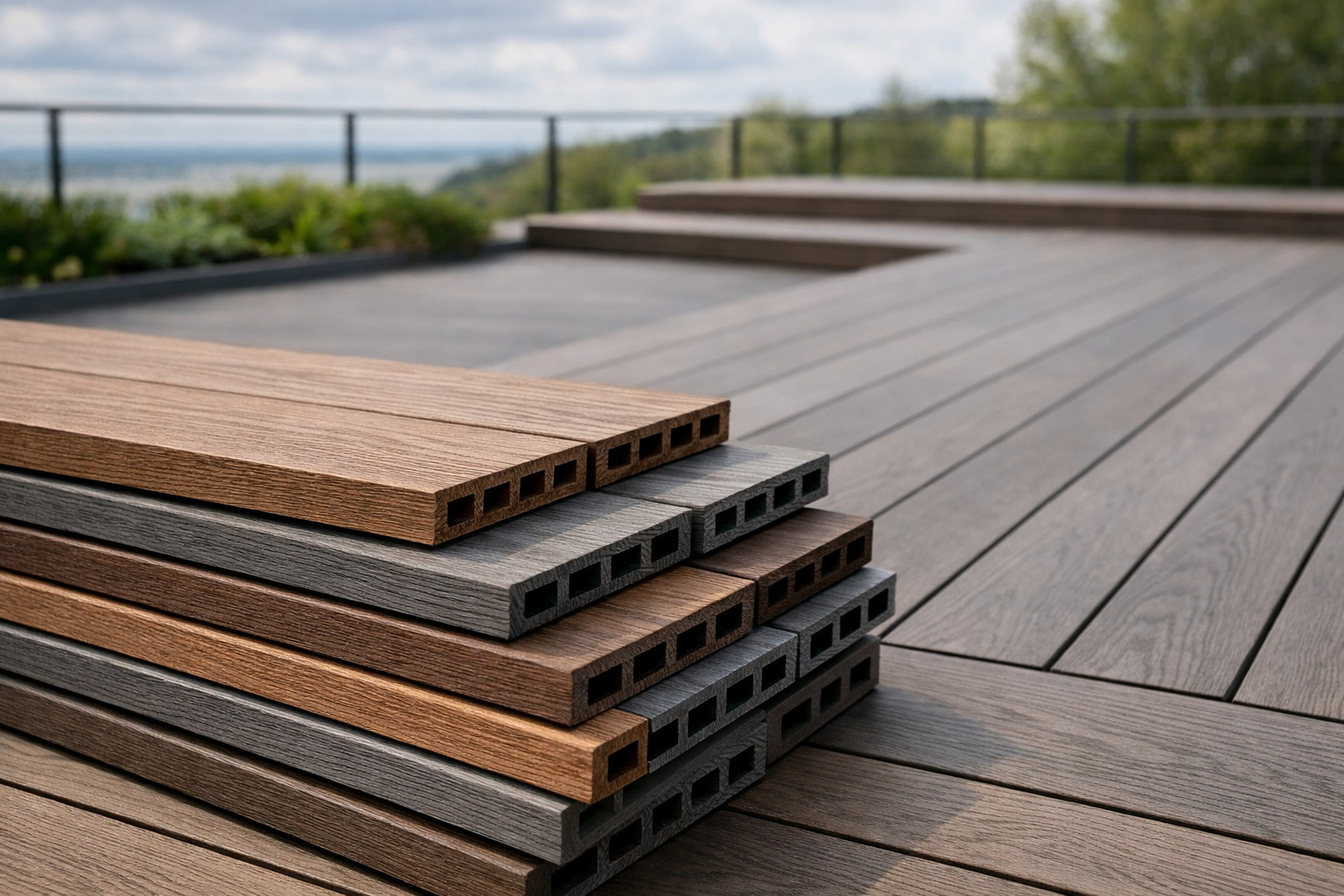
Made from recycled plastic, plastic wood is gaining space in the construction industry because it does not rot, resists moisture, and reduces maintenance costs over the years.
-
Florianópolis will receive a million-dollar BRT that will begin construction in 2026 with nearly 400 million in funding from the federal government and the Inter-American Development Bank, and the map already shows the routes for the exclusive bus corridors.
-
Without a blueprint, without an engineer, and using scrap from the dump, a father spends 15 years building an 18-room castle for his daughter, featuring tram tracks, 13 fireplaces, and over 700 m², which may now be demolished.

This milestone represents a significant leap for Ethiopia, which currently faces major challenges related to providing electricity to its growing population of over 120 million inhabitants.
The Ethiopian government views the dam as a symbol of progress and sovereignty. The country has largely financed the project with domestic resources, such as public donations and bond sales, demonstrating a strong national desire to achieve energy self-sufficiency.
In addition to providing electricity to the country, the GERD also has the potential to export energy to neighboring countries, such as Sudan, Kenya, and Djibouti, strengthening Ethiopia’s position as a regional power.
The International Controversy
Despite the benefits for Ethiopia, the GERD has raised serious concerns in neighboring countries, especially in Egypt and Sudan. Egypt, which relies on the Nile River for about 90% of its drinking water and agriculture, fears that the dam will significantly reduce the river’s flow.
The issue is particularly sensitive for Egyptians, who have historically regarded control over the waters of the Nile as a matter of national security.
Sudan, for its part, adopts an ambivalent position. While it recognizes the potential benefits of the GERD, such as flood regulation and access to cheap energy, the country also expresses concern about the project’s impact on water security and irrigation system management.
Since the project’s inception, various countries and organizations have made diplomatic efforts to resolve the dispute, including negotiations mediated by the African Union and the UN.
However, the involved countries have not reached a binding agreement on the operation and filling of the dam’s reservoir. Ethiopia insists on its right to use its water resources for development, while Egypt demands guarantees that the flow of the Nile will be maintained.
The Filling of the Reservoir and the Escalation of Tensions
One of the main points of contention has been the pace of filling the GERD’s reservoir. In September 2023, Ethiopia announced the completion of the fourth and final phase of filling, increasing the water retention capacity to 74 billion cubic meters.
This announcement was met with vehement protests from Egypt, which accused Ethiopia of acting unilaterally and violating the principle of not causing significant harm to downstream countries.
The situation further escalated in September 2024 when Egypt mobilized troops to Somalia, a move widely interpreted as a strategic response to Ethiopia’s growing influence in the region.
Additionally, the agreement between Ethiopia and Somaliland, which granted Ethiopia access to the sea, added a new layer of complexity to the dispute.
Is There a Danger of War? Experts warn that although the risk of a direct military conflict remains low, the escalation of tensions increases instability. The region, already marked by internal conflicts and geopolitical rivalries, generates even more concerns.
Environmental and Social Impacts on Africa
In addition to political disputes, the GERD also raises concerns about its environmental and social impacts. The construction of large dams often results in the displacement of local communities, and the GERD is no exception.
It is estimated that thousands of people have been relocated to make way for the project, often without adequate compensation.
From an environmental perspective, there are uncertainties about how the damming of the Blue Nile will affect downstream ecosystems. The reduced flow of sediments, for example, may compromise the fertility of agricultural soils in Sudan and Egypt.
On the other hand, flood regulation and increased water availability during the dry season may bring benefits for agriculture and water resource management.
Technical Information of the Grand Ethiopian Renaissance Dam Project
| Category | Detail |
|---|---|
| Project Name | Grand Ethiopian Renaissance Dam (GERD) |
| Location | Blue Nile River, Benishangul-Gumuz region, Ethiopia |
| Type of Dam | Rolled earth dam |
| Total Height | 145 meters |
| Length | 1,780 meters |
| Reservoir Capacity | 74 billion cubic meters |
| Installed Capacity | 6,450 MW |
| Number of Turbines | 13 Francis turbines (7 of 400 MW and 6 of 375 MW) |
| Estimated Cost | Approximately US$ 5 billion |
| Construction Start | April 2011 |
| Planned Completion | 2024 (final operational phases began in 2020) |
| Main Objective | Electricity generation and socioeconomic development |
| Regional Impact | Water dispute with Egypt and Sudan; potential for energy supply |
| Involved Companies | Salini Impregilo (Webuild) as main contractor |
| Main Material | Roller compacted concrete |
The Future
Resolving the dispute surrounding the GERD requires a careful diplomatic approach and a genuine commitment from all parties involved.
Ethiopia, Egypt, and Sudan share a common responsibility to ensure that the Nile River continues to be a source of life and prosperity for millions of people.
Progress can be achieved through detailed technical negotiations mediated by international organizations.
A possible path would be the creation of an agreement that establishes clear guidelines for the filling and operation of the dam, taking into account the needs and concerns of all countries.
The Grand Ethiopian Renaissance Dam is more than an infrastructure project. It symbolizes Ethiopia’s development aspirations, the challenges of managing shared water resources, and the complex geopolitical dynamics of Africa.
While tensions persist, the GERD also represents an opportunity for regional cooperation, showing that the Nile River can be a point of unity rather than division for the countries that depend on it.





-

Uma pessoa reagiu a isso.