





 Portuguese
  English
  Spanish
  3 min of reading
  0 comments


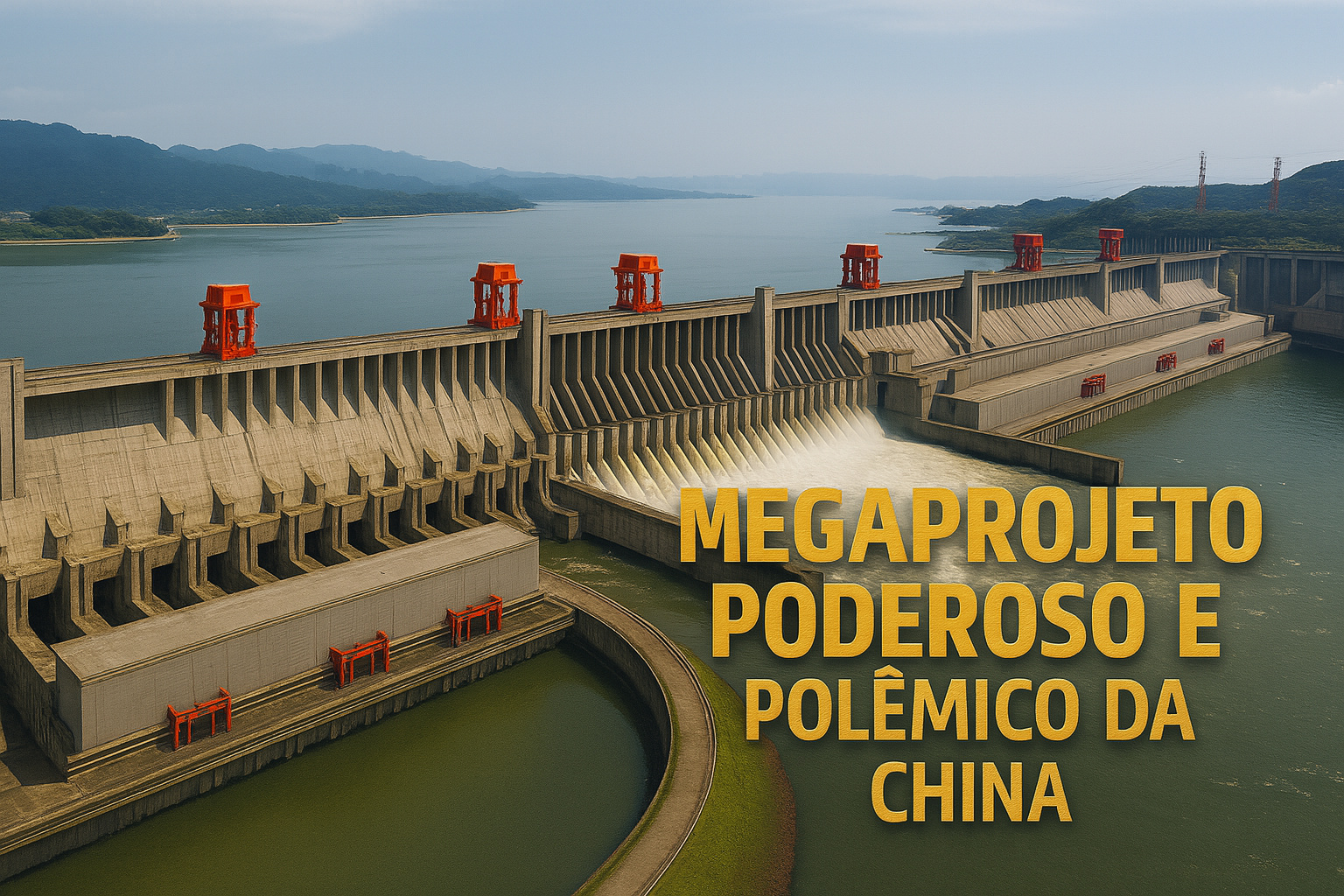
Recognized as one of the greatest engineering achievements in modern history, the largest hydroelectric power plant in the world is a symbol of Chinese industrial advancement — but also one of the most controversial projects of the century.
China, the largest country in Asia and the leader in world population, has built a reputation as an industrial and technological powerhouse over the past few decades. Among the great engineering feats of the country is the Three Gorges Dam, considered the largest hydroelectric power station on the planet, both in size and energy generation capacity.
Located on the immense Yangtze River — the longest in Asia and nearly as long as the Amazon River — this dam took 18 years to be completed. Construction officially began in 1994 and only reached its full capacity in 2012. The project cost around 32 billion dollars and involved the mobilization of over 40,000 workers over the years.
28 Million Cubic Meters of Concrete and 463 Thousand Tons of Steel
With a length of 2.3 km and a height of 185 meters, the dam was built with more than 28 million cubic meters of concrete and 463 thousand tons of steel — enough to build 66 Eiffel Towers. The reservoir formed by the project can store up to 40 km³ of water, a volume so massive that its weight has subtly altered the Earth’s rotation, shortening the day by 0.06 microseconds.
-
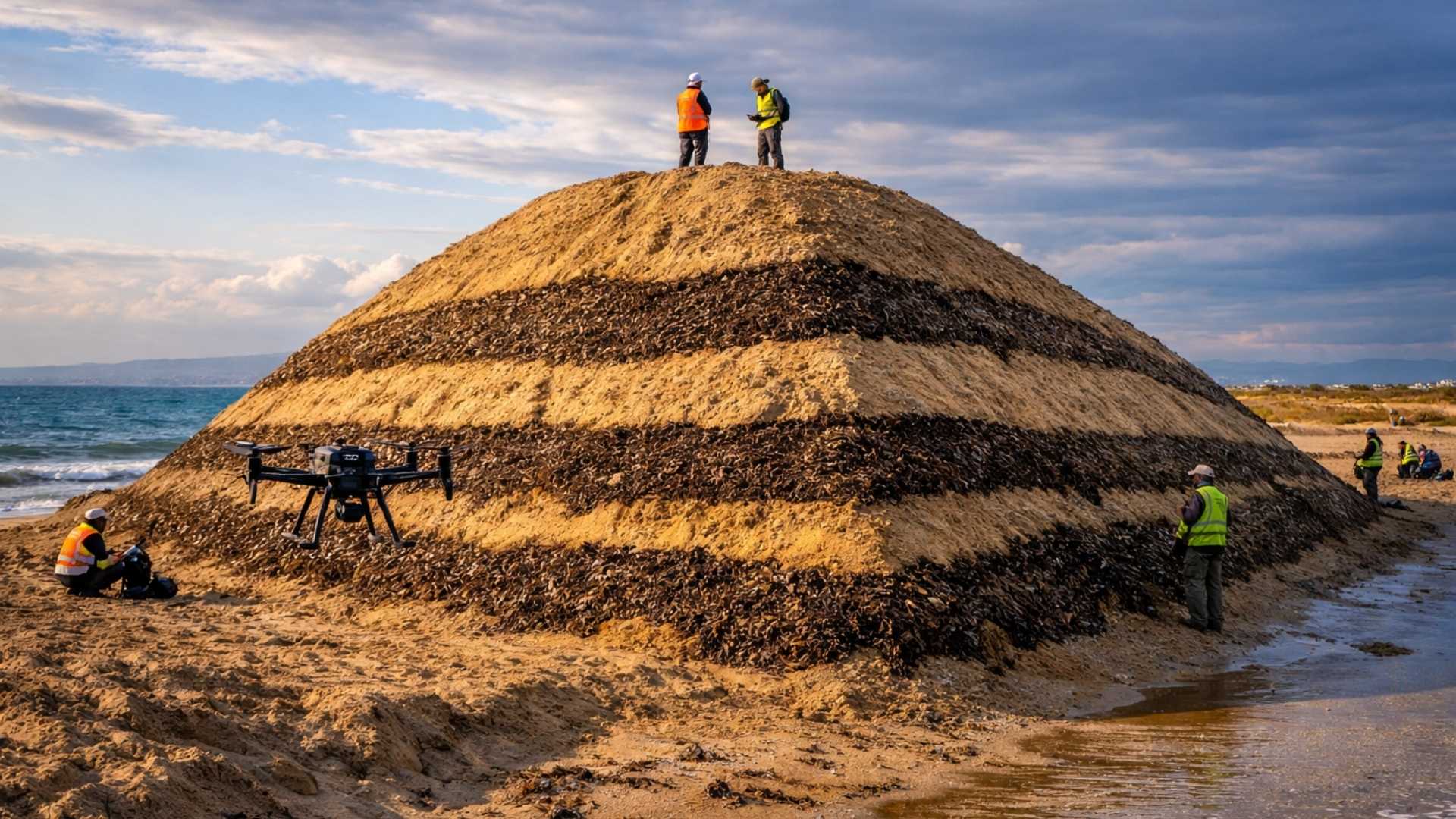
Spain surprises the world by erecting 62 artificial dunes, mixing sand with natural remains of posidonia, and causing the structure to lose only 1.4% of its volume in 1 year.
-
Meta and YouTube condemned for addiction to social media: ruling links the operation of the platforms to the worsening of anxiety and depression.

-
For just 96 dollars and with a 3D printer, an amateur created a prototype of a homemade guided missile with GPS, camera, and Wi-Fi tracking system, and this raised the debate about printed weapons to a frightening level.

-
The government will charge up to R$ 650 from pet owners in 2026, and tourists traveling with their dogs will have to pay a daily fee; the measure surprised thousands of pet ‘parents’ in Italy.

In addition to generating clean and colossal energy, the project fulfills another fundamental role: preventing natural disasters caused by the historical floods of the Yangtze River, which have already resulted in the deaths of tens of thousands of people in the last century. It was exactly this objective — to avoid new tragedies — that propelled the revival of the idea back in the 1990s, after decades of delays due to civil war and cultural revolution.
Turbines Working Hard
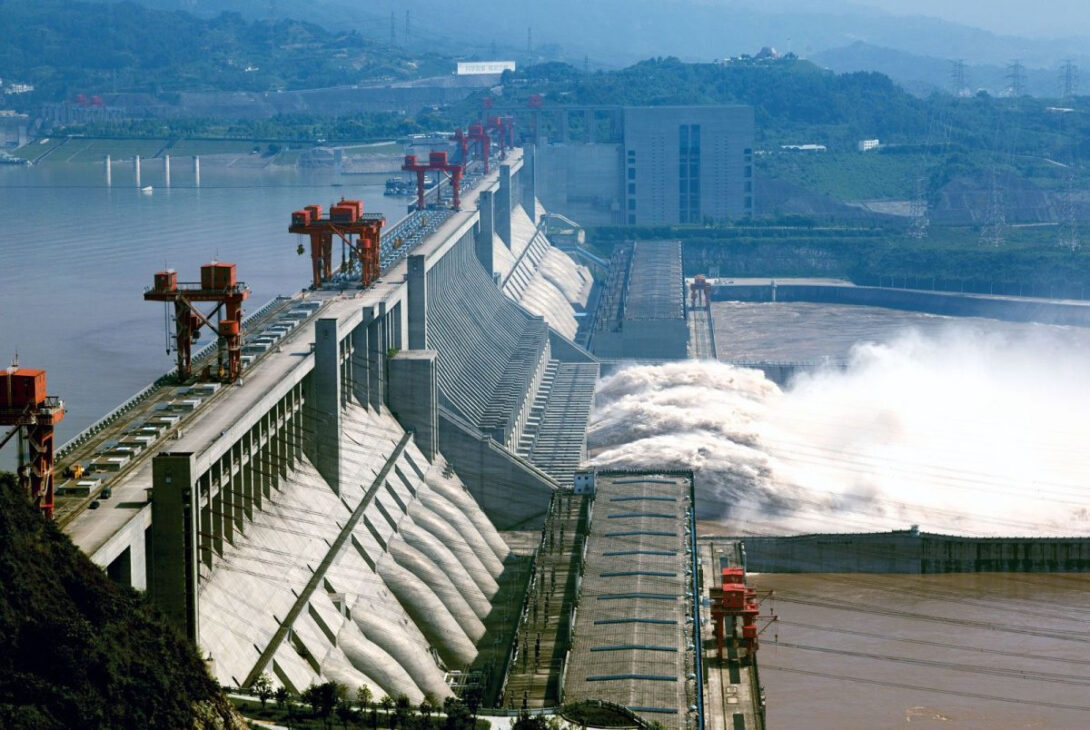
Energy production began in 2003 and grew with the progressive activation of the turbines, totaling 32 main units and two additional generators. In 2020, the plant set a world record by producing 111.88 TWh (terawatt-hours), enough energy to supply 60 million Chinese.
Another impressive achievement is in the transportation sector. The dam transformed river navigation within the country. Two series of locks with five levels each and a 120-meter ship lift were installed, capable of raising vessels up to 3,000 tons.
This allows ocean-going freighters to navigate up to 2,250 km inland, reaching previously inaccessible regions. Currently, more than 150 cargo ships pass through the dam daily, reducing logistical costs and promoting regional trade.
However, not all are achievements. The construction generated significant environmental and social impacts. More than 1.3 million people were displaced due to rising waters. Archaeological sites and entire landscapes disappeared beneath the reservoir, generating national and international criticism. Additionally, about half of the local flora is threatened, and essential sediments for regions like Shanghai — 1,600 km away — are being retained, which may compromise the ecosystem in the long run.
Despite these challenges, the Chinese government believes that the benefits outweigh the negative impacts. The energy generated replaces part of the coal usage and significantly reduces greenhouse gas emissions. The project also provides water for nearby cities and agricultural areas, consolidating the dam as one of the pillars of the country’s sustainable development.
Positive Impacts of the Three Gorges Dam:
- Clean and renewable energy generation for 60 million people
- Reduction of historical floods in the Yangtze River
- Improvement of river transport and increased logistical capacity
- Stimulus to economic growth and reduction of CO₂ emissions
Even with all the controversies, the Three Gorges Dam is already recorded in history as a symbol of ambition, innovation, and sacrifice. Its grandeur symbolizes not only China’s economic strength but also the dilemma faced by many countries: how to balance progress and environmental preservation.




Seja o primeiro a reagir!