





 Portuguese
  English
  Spanish
  6 min of reading
  2 comments


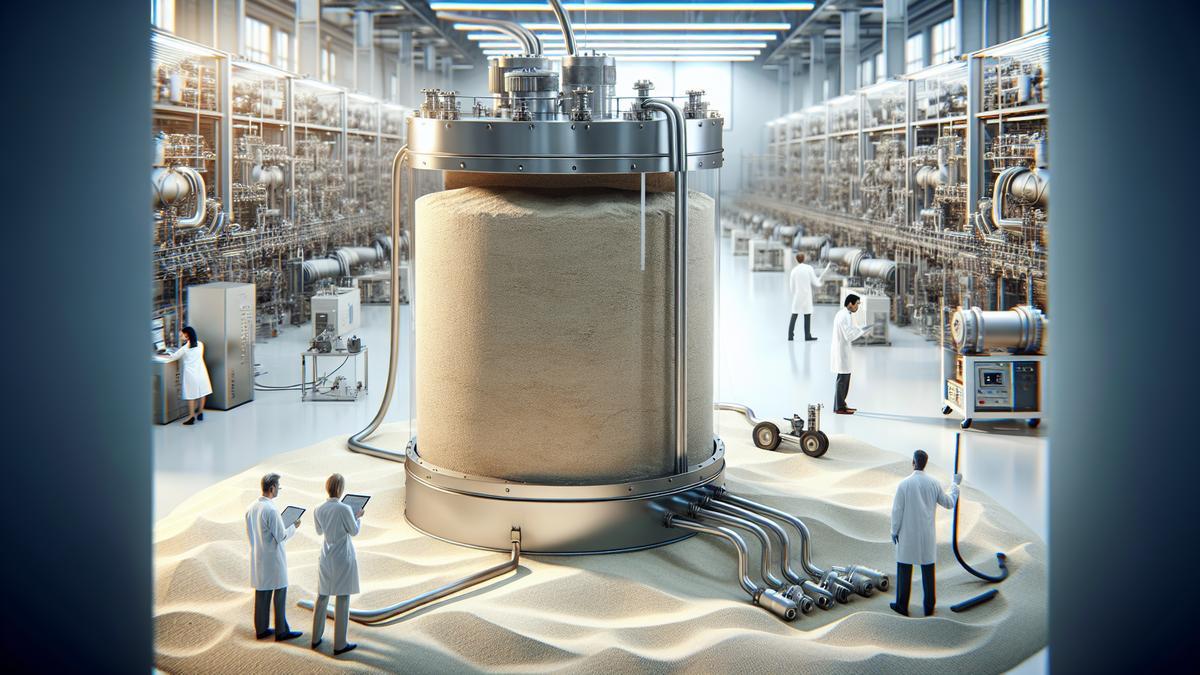

Get Ready for the Sand Battery Revolution! Innovative Technology Stores Heat for Long Periods, Converting Electrical Energy into Heat, Which is Stored in Sand Inside a Silo. Check Out All the Details of the New Sand Battery That is Changing the Energy Storage Industry.
Get ready for a revolution in energy storage with the new sand battery! This innovative technology, still in development, uses sand to store heat for long periods. The idea is simple: electrical energy is converted into heat, which is stored in sand inside a silo. Sand, in addition to being abundant and cheap, retains heat efficiently for months, allowing its use for residential heating and much more. With great advantages such as durability, high storage capacity, and support for renewable energy, the sand battery could change the game.
The Finnish company Polar Night Energy is already testing this promising technology. Imagine a future where excess solar and wind energy is stored for later use, branching out even into rural areas with limited infrastructure. This also contributes to the reduction of emissions and improves the stability of electrical grids. This is a big step toward an economical, efficient, and sustainable solution.


Sand Battery Could Change the Renewable Energy Market Forever
The new sand battery is an innovative technology being developed to store thermal energy. It uses sand due to its ability to retain heat for long periods. Let’s explore more about this technology and its implications.
-
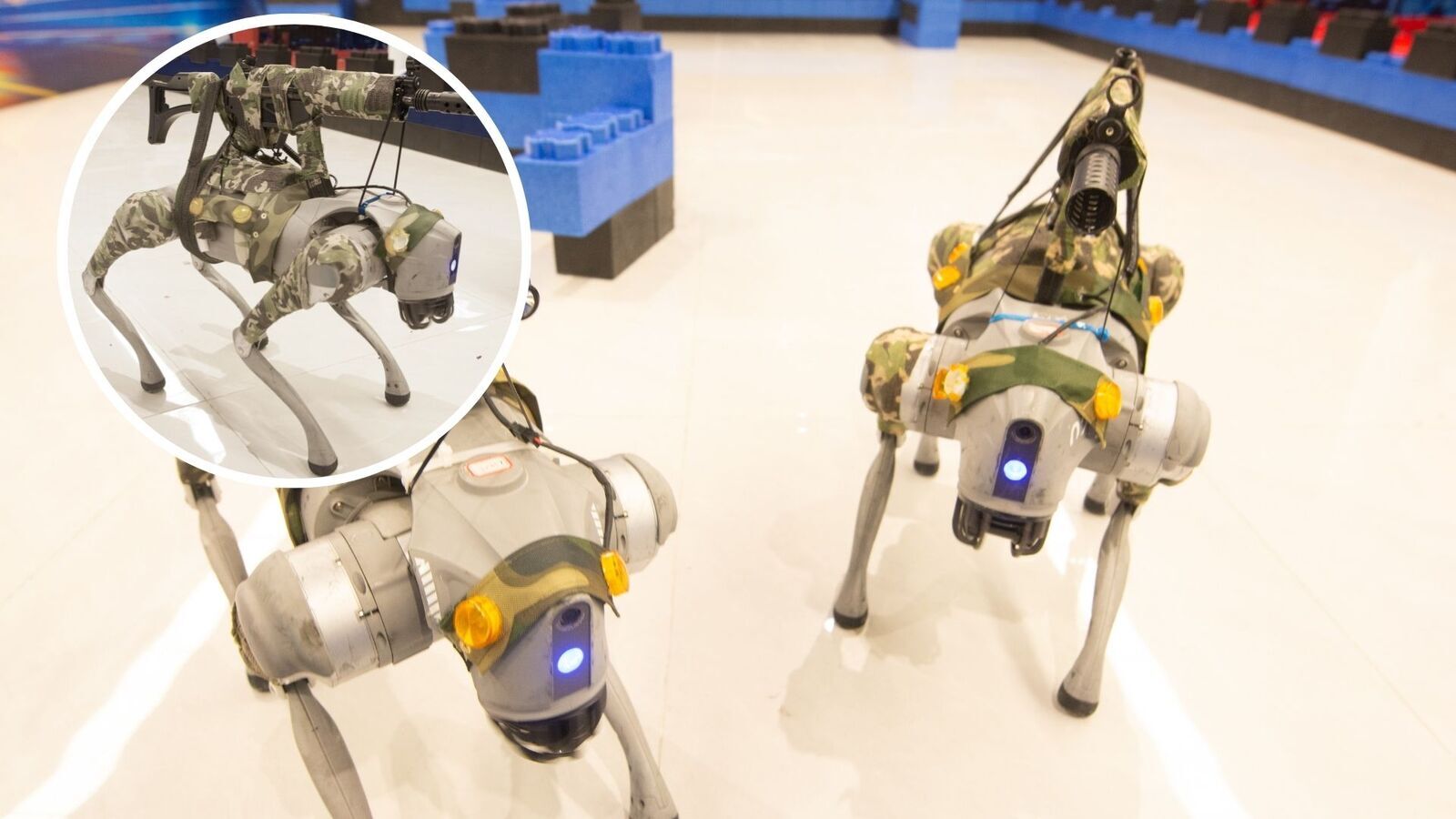
China showcases robot dogs that act in groups like a coordinated pack, make decisions together, and could change the way modern wars operate.
-
The coldest seawater ever recorded in Earth’s history was hidden under extreme ice 717 million years ago and reached an impressive -15°C.

-
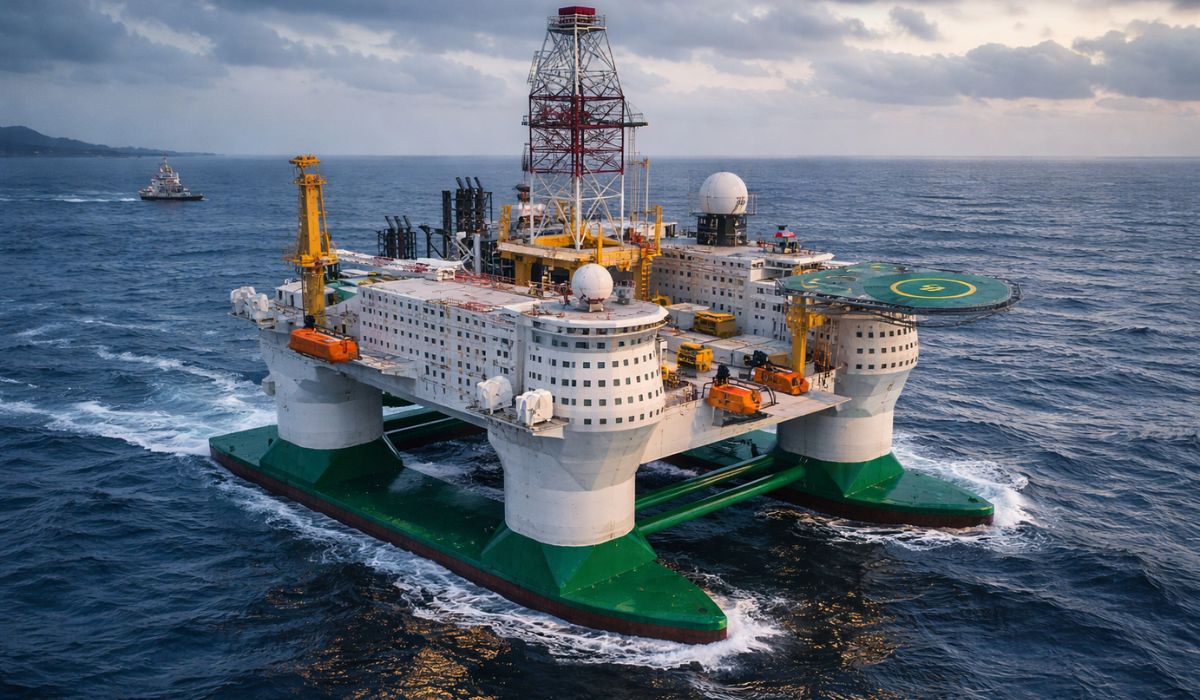
China has launched the world’s first floating artificial island, a scientific structure designed to face open seas, test equipment weighing hundreds of tons, and reach depths of 10,000 meters.
-
China accelerates global science and may surpass the United States in 2 years with increased public investment, continuous growth, and direct impact on the global technological competition.


The new sand battery works by converting electrical energy into heat. This heat is then transferred to the sand inside a silo. The sand heats up and can maintain these high temperatures for months. Later, the stored heat can be extracted for use, such as residential heating.
| Stage | Description |
|---|---|
| Energy Conversion | Electrical energy is converted into heat. |
| Heat Transfer | Heat is transferred to the sand inside a silo. |
| Storage | Sand heats up and maintains high temperatures for months. |
| Heat Extraction | The stored heat is extracted for use, such as residential heating. |
Advantages of Sand Battery
The new sand battery offers several advantages that make it a promising solution for thermal energy storage.
Sand is an abundant and cheap material. This makes the sand battery a cost-effective and sustainable long-term solution.
Storage Capacity
The battery can store large amounts of thermal energy. This is crucial to ensure that energy can be used when needed, even during periods of low renewable energy production.
Sustainability and Heat Retention Efficiency
The battery helps utilize renewable energy, such as solar and wind energy. These energy sources can be unstable and irregular, but the storage capacity of the sand battery allows excess energy to be stored for later use.
Sand has a high thermal capacity, which means it can retain heat for long periods without significant losses. This increases the efficiency of the sand battery and ensures that the stored energy can be used effectively.

Where Can the Sand Battery Be Used?
The technology can be used in various applications, making it a versatile solution for thermal energy storage.
Residential Heating
The sand battery can provide heat for homes and buildings during cold periods. This is especially useful in regions with harsh winters, where the demand for heating is high.
Development in Rural Areas
The prototype can be used in environments where energy infrastructure is limited. This can help provide thermal energy to rural and remote areas, improving quality of life in these regions.
Storage of Excess Renewable Energy
The technology that uses sand can store excess energy generated by solar panels and wind turbines for later use. This ensures that renewable energy is not wasted and can be used when needed.
A promising example of the sand battery is the company Polar Night Energy in Finland. They store about 100 tons of sand in a silo to test this technology. This example demonstrates the feasibility of the battery as a thermal energy storage solution.
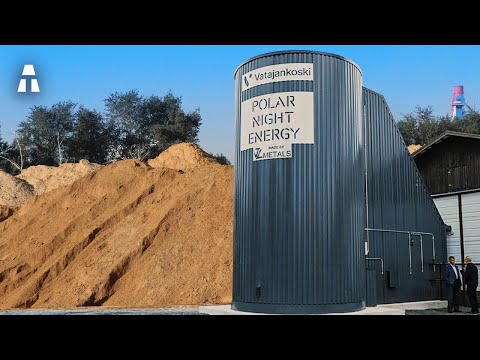
The idea has the potential to transform how we manage and utilize renewable energy. Let’s explore some of the future impacts of this technology.
The technology of the new sand battery can be integrated into electrical grids to improve stability and efficiency of energy supply. This is especially important in regions where renewable energy production is high, but demand is variable.
By utilizing clean and renewable energy sources, the battery can significantly contribute to the reduction of CO2 emissions. This is crucial for combating climate change and promoting a sustainable future.
The technology facilitates continuous access to renewable sources in different climates and regions. This ensures that renewable energy can be used effectively, regardless of weather conditions.
To better understand the technology of the new battery, it is important to consider some technical aspects.
Thermal Capacity of Sand
The thermal capacity of sand is one of the main reasons for its choice as a storage medium. Thermal capacity is the amount of heat that a material can store per unit of mass. Sand has a high thermal capacity, meaning it can store large amounts of heat without undergoing significant temperature changes.
The efficiency of energy conversion is another crucial factor. This refers to how efficiently electrical energy is converted into heat and subsequently, how that heat is extracted for use. The sand battery should be designed to minimize energy losses during these processes.
Durability and maintenance are also important considerations. Sand is a durable material that does not degrade easily, but the energy conversion system and the storage silo need to be designed to withstand long periods of use with minimal maintenance.
Comparison with Other Energy Storage Technologies
To better understand its position in the energy storage market, it’s helpful to compare it with other existing technologies.
| Technology | Storage Capacity | Cost | Sustainability | Durability |
|---|---|---|---|---|
| Sand Battery | High | Low | High | High |
| Lithium-Ion Batteries | Medium | High | Medium | Medium |
| Hydropower Storage | High | Variable | High | High |
| Melted Salt Thermal Storage | High | Medium | High | High |
The sand battery is a promising technology that has the potential to transform thermal energy storage. With its ability to retain heat for long periods, durability, and sustainability, it offers a cost-effective and efficient solution for the challenges of energy storage.
Integrating this technology with energy networks can enhance the stability and efficiency of energy supply, significantly contributing to the reduction of carbon emissions and promoting a more sustainable future.
The idea represents a significant advancement in thermal energy storage and has the potential to transform how we manage and utilize renewable energy, offering an economical, efficient, and sustainable solution to the challenge of energy storage.
When considering the implementation of new batteries, you should pay attention to the safety of this system. The inherently safe nature of sand, which is non-flammable and non-toxic, significantly reduces the risks associated with its use compared to other energy storage technologies. This is particularly beneficial in residential or urban environments where safety is a priority.
Another relevant aspect is the operating temperature. The technology can operate at very high temperatures, which increases its efficiency. However, these high levels of heat require good thermal insulation to avoid losses and protect surrounding infrastructure. Therefore, you should carefully consider the materials and construction techniques to maximize the benefits.
Finally, the integration with future technologies is an advantage. The versatility of the sand battery allows it to be integrated with other energy storage solutions, such as lithium-ion batteries or even hydropower systems. This adaptability gives you the necessary flexibility to tackle future energy challenges and adapt to changes in the energy market.




Excelente artigo.
Porém é um inferno para ler por conta de tanta propaganda.
Muitas vezes simplesmente desisto.
É preciso ter muita paciência
Essas imagens “futurísticas” nas capas das matérias feitas com IA estão muito exageradas, na minha visão. Algumas vezes já ocorreu da matéria em si não ter nada a ver com a imagem, o que confunde nós leitores. Isso não quer dizer, contudo, que o conteúdo esteja ruim, apenas que pode não estar coerente. Voto por imagens menos impressionistas e mais condizentes com a realidade