





 English
  Francês
  Alemão
  Italiano
  Japonês
  Norueguês
  Portuguese
  Spanish
 3 min of reading


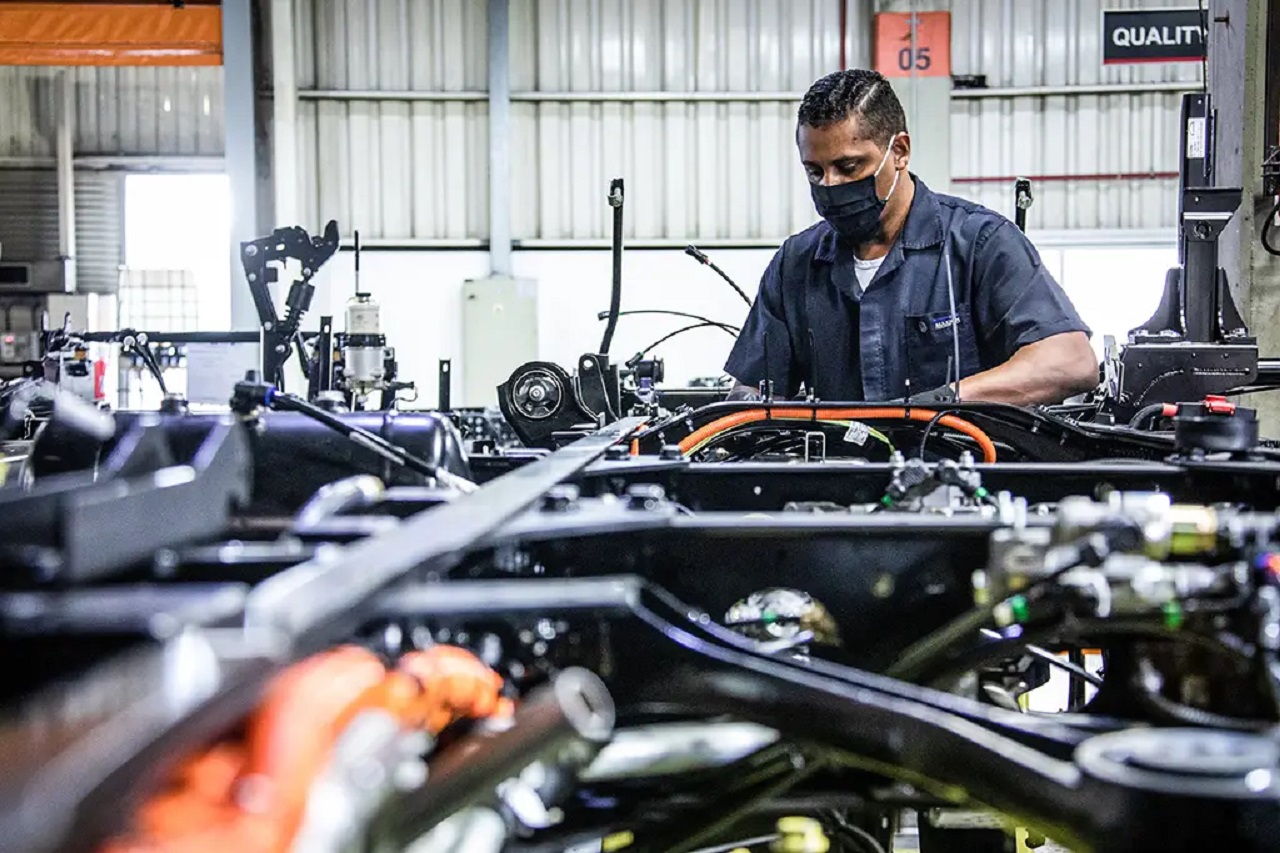
CBMM and Volkswagen Are About to Test, in Rio de Janeiro, the Niobium Battery Produced After a Partnership Last Year. The Component Focused on the Electric Car Market Promises Ultra-Fast Charging, Increased Safety, and Several Other Benefits.
Volkswagen Trucks and Buses, a giant in the development and mass production of electric trucks, and CBMM, the world leader in the production and sale of niobium products, have formed a partnership in the last year to promote electric mobility. The agreement aims to develop a niobium battery with ultra-fast charging for electric models designed by the German company. Now, the fruit of this partnership will be tested soon in Rio de Janeiro.
Learn All the Details About the Partnership Between CBMM and Volkswagen Trucks and Buses

According to Volkswagen’s President and CEO, Roberto Cortes, the company has accumulated experience in the electrification sector for three years and is now applying all this expertise to make niobium batteries viable.
The e-Mobility development center in Resende, Rio de Janeiro, will use modular architecture for electric vehicles aiming to expand the platform, which started with the e-Delivery and is now advancing to new models. The executive states that the partnership with CBMM is yet another important step towards the mobility of the future.
-
Engineers propose a fourth traffic light for intersections – the change promises to affect crossings, queues, and waiting times.

-
Chevrolet Suburban Z71 lands in Brazil with a V8 engine, off-road design, air suspension, seven seats, and colossal size, a rare version imported for around R$ 1.3 million with luxury and exclusivity.
-
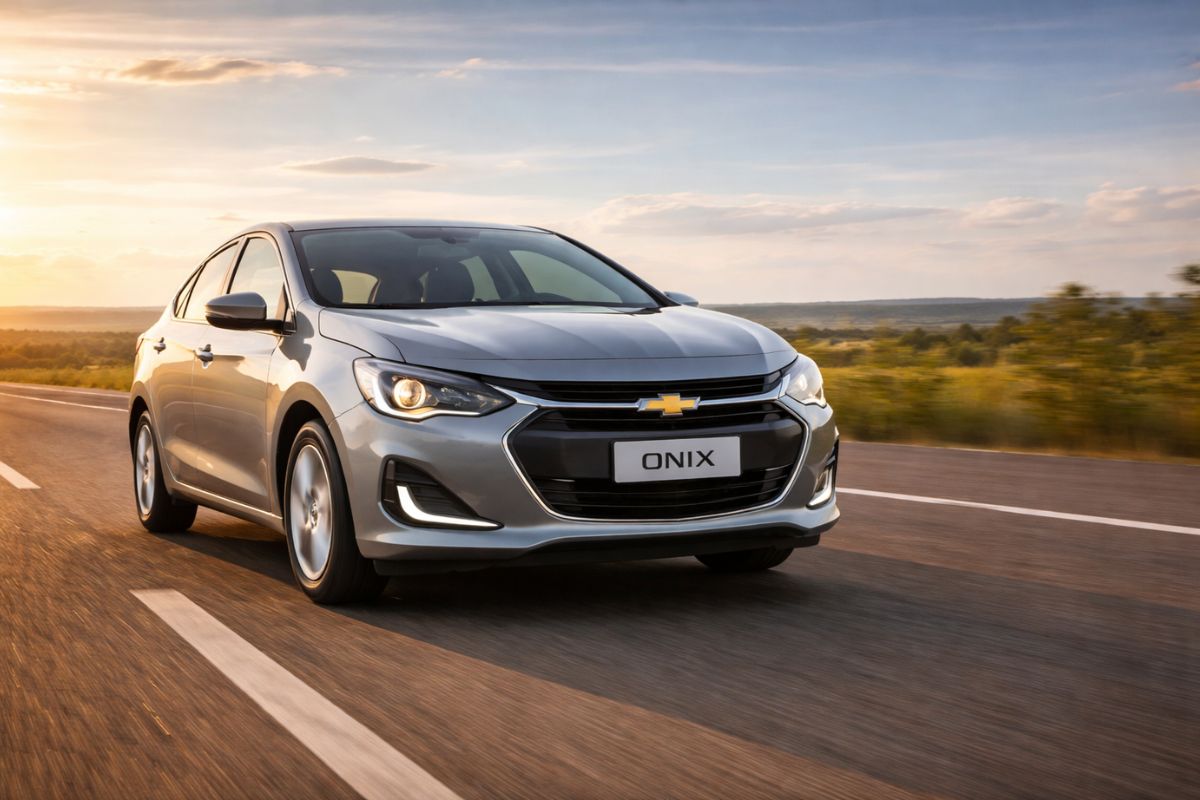
The Chevrolet Onix 1.0 turbo achieves 17.7 km per liter on the highway and ranks among the three most economical cars in Brazil in 2026, alongside two more expensive Toyota hybrids available at dealerships.
-
Little sister of the Hilux: Toyota launches Land Cruiser FJ with 4 radical versions, 2.7 engine with 166 hp and 4×4 traction with locking.
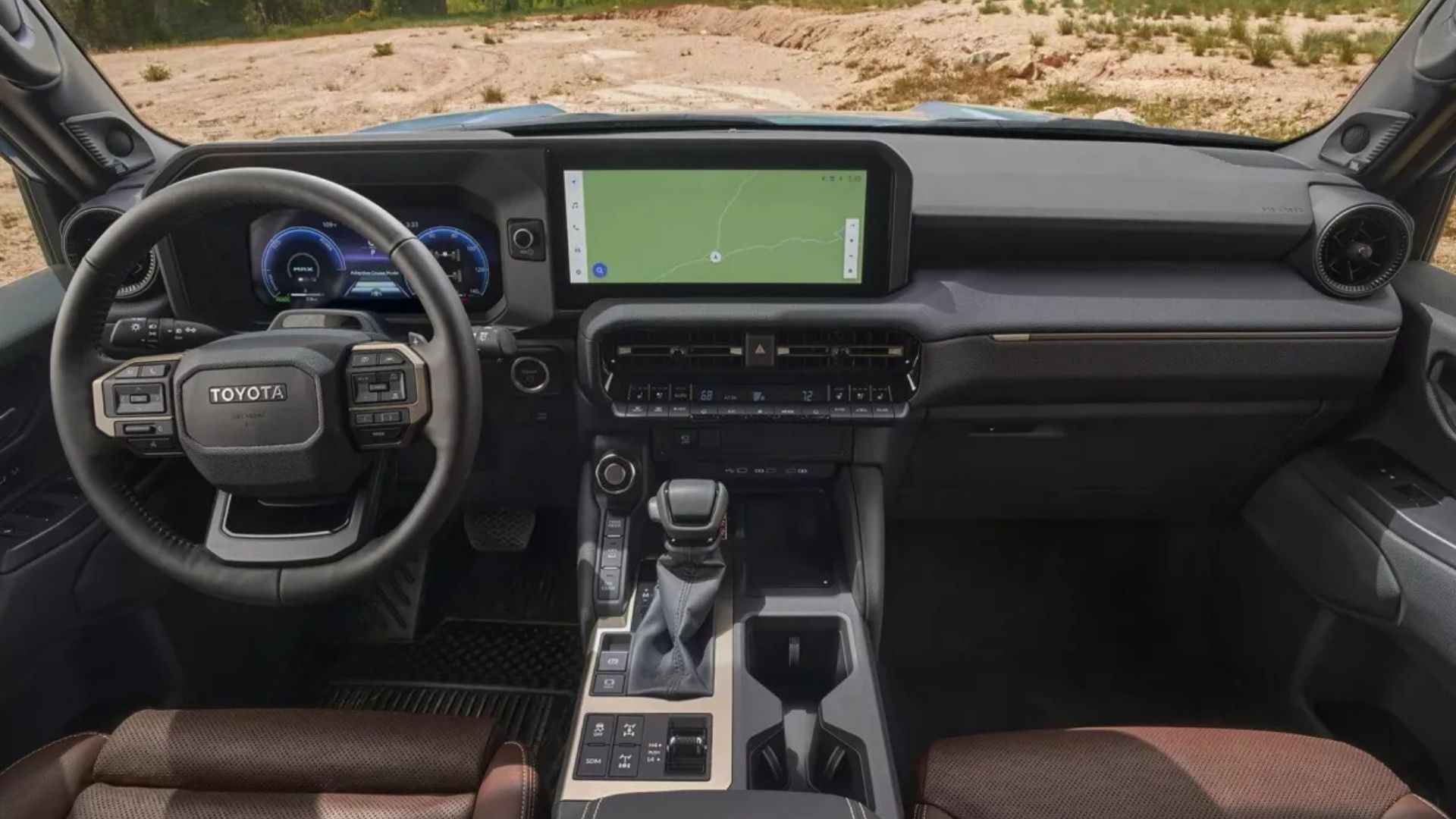

The goal of the partnership is to develop a pioneering ultra-fast charging niobium battery solution in Latin America. The partnership with CBMM was strategic, considering that the company is established as a global reference in developing new niobium technologies for batteries, with the potential to generate significant transformations in the mobility sector in the coming years. Meanwhile, Volkswagen Trucks and Buses will bring its expertise to determine the behavior of these batteries in vehicles, with all the quality parameters necessary to develop the expected performance.
CBMM Uses Experience Acquired with Toshiba to Improve Niobium Technology
According to the Vice President of CBMM, the partnership with Volkswagen for the niobium batteries, which will be tested in Rio de Janeiro, shows what two global companies can achieve when working together. The experience of Volkswagen Trucks and Buses in producing commercial vehicles will be combined with CBMM’s knowledge in developing innovative technologies.
The executive further adds that the technology being used in the niobium batteries is the result of more than three years of research and development in partnership with Toshiba in Japan. For the first time, the company is utilizing this solution, which due to the use of niobium oxide in the battery anode, will enable ultrafast charging operation.
The partnership between CBMM and Toshiba was established in 2018 to produce lithium batteries with mixed titanium and niobium anodes. This partnership has produced batteries for vehicles with ultrafast charging, longer lifespan, greater durability, and safety. Now, what the partnership with Volkswagen seeks is to test these batteries in buses and heavier vehicles in Rio de Janeiro.
Curiosities About Niobium
Niobium has gained attention for some time now, and as there is also a lot of fake news on the subject, we have separated some important information about this material.
Niobium is a transition metal discovered in 1801 and was initially called Columbium, only receiving its current name in 1846. Contrary to what many people believe, niobium is not a material that exists only in Brazil, but rather in various locations around the world. The material is a metal produced from ore found in certain rocks and soil, and the production process is not so simple.
The production requires ores such as Tantalite Columbite, Loparite, or Pyrochlore, which is more popular in Brazil. Niobium is quite versatile, ductile, and has high corrosion resistance, as well as superconductivity. In gas pipeline systems, niobium steels are used that can increase the strength of steel by 25%.








Seja o primeiro a reagir!