





 Portuguese
  English
  Spanish
  3 min of reading


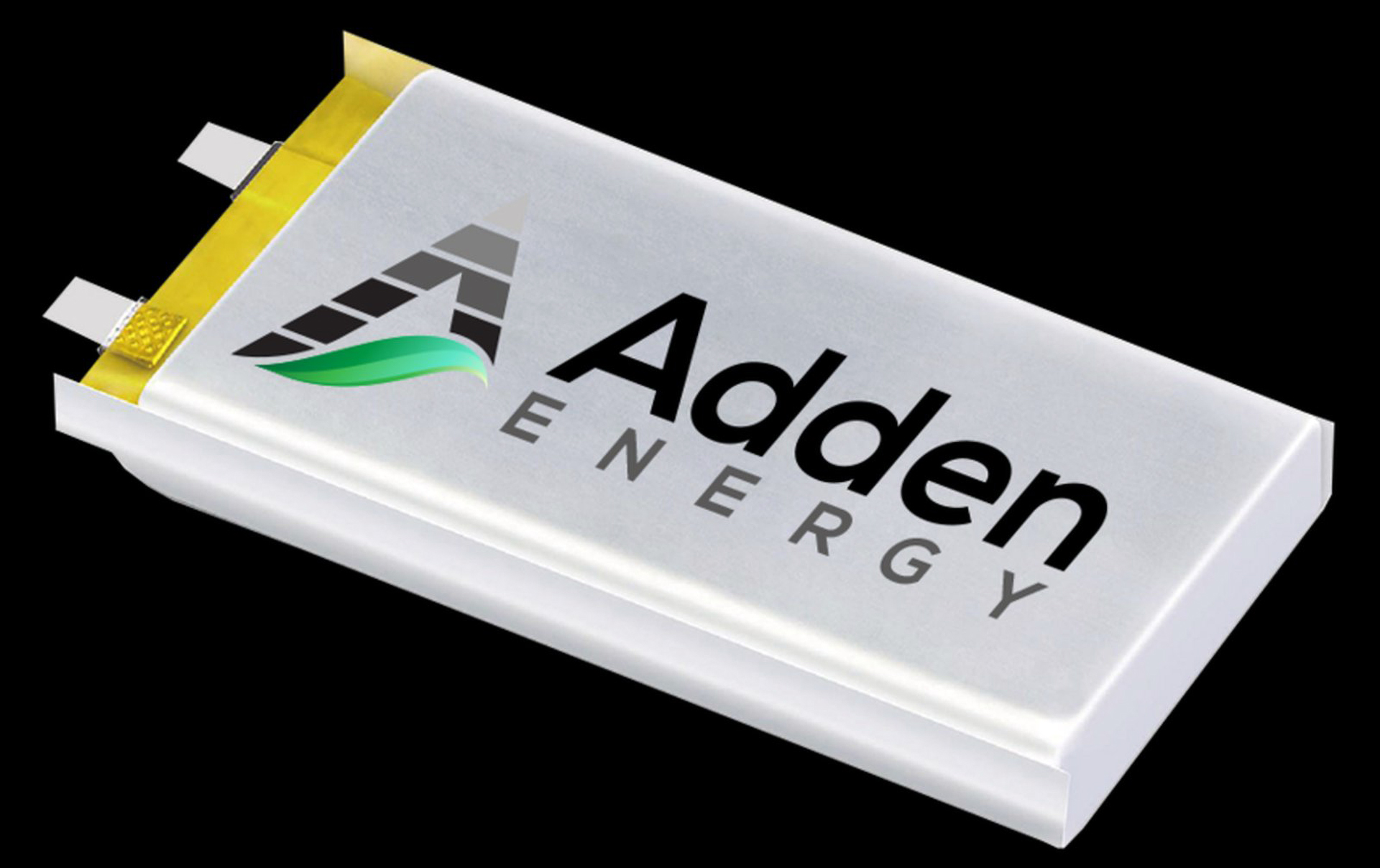
Adden Energy In Partnership With Harvard Engineers Developed A Solid-State Battery That Does Not Degrade Over Time And Promises To Revolutionize The Market
Although there are a number of technological challenges that need to be addressed before solid-state batteries can be produced at an industrial scale, this is a promising area of research and development. The development of a new type of solid-state battery by the American startup, Adden Energy, could lead to a significant improvement in both its performance and reliability.
To create a new solid-state battery technology that can be used in future electric cars, the company is benefiting from an exclusive technical license granted by the Harvard University Office of Technology Development.
Adden Energy Believes It Will Be Able To Commercialize Solid-State Batteries Using This New Technology Within 5 Years
The lithium-metal technology that powers the battery allows it to achieve full charge in less than three minutes and withstand more than 10,000 cycles during its lifespan. The coin-type cell prototypes that Adden Energy built for laboratory testing do not seem to be very functional at this moment. However, the researchers intend to further develop the battery so that it can power larger devices and, eventually, an electric vehicle.
-
While the world looks at oil, the war with Iran is already disrupting helium supply from Qatar, affecting car and iPhone chips, threatening AI expansion, and putting pressure on aluminum packaging at the highest value in four years.

-
Global warming will expose a treasure hidden under the ice of Antarctica and may spark an international dispute over gold and valuable minerals.

-
A street vendor from Praia Grande built a robot made of scrap from scooters and washing machines that pulls his popcorn cart on the beach, emits sounds, and interacts with customers, becoming an attraction on the coast of São Paulo.

-
The specifications of the Xiaomi 18 Pro Max have been leaked, and the highlight is a dual 200 MP camera with a new 22-nanometer technology that promises to consume less energy and capture details in shadows and bright areas using LOFIC HDR.

The lithium-metal anodes in the solid-state battery are protected by a unique technique that eliminates the risk of dendrite formation. This technique would not be possible without the innovative solid-state electrolyte that was specifically developed for it by the researchers. This electrolyte makes it possible to achieve an extremely high current density without any penetration of lithium dendrite.
The structure of the electrolyte can be described as having a “multilayer design”, in which a less stable electrolyte is placed between two solid electrolytes that have a higher degree of stability. Dendrite formation occurs within the less stable electrolyte layer, but any fractures that arise are immediately filled by “dynamically produced decompositions that are also well-restricted”.
Nature Magazine Has Already Published A Study Showing The Effectiveness Of The New Technology Now Used By Adden Energy
The cycling performance of a lithium metal anode combined with a LiNi0.8Mn0.1Co0.1O2 cathode is remarkably stable, according to research on solid-state batteries published in Nature last year. Over 82% of the original capacity is retained after 20,000 cycles when measured at a rate of 20C. An excellent specific power of 110.6 kW/kg and an energy density of up to 631.1 Wh/kg are also characteristics of this material.
The Startup Adden Energy believes it will have commercial samples of the new batteries in the next three to five years, as its findings are much more promising than those of other Li-Ion battery initiatives.










Seja o primeiro a reagir!