





 English
  Francês
  Alemão
  Italiano
  Japonês
  Norueguês
  Portuguese
  Spanish
  2 min of reading
  0 comments


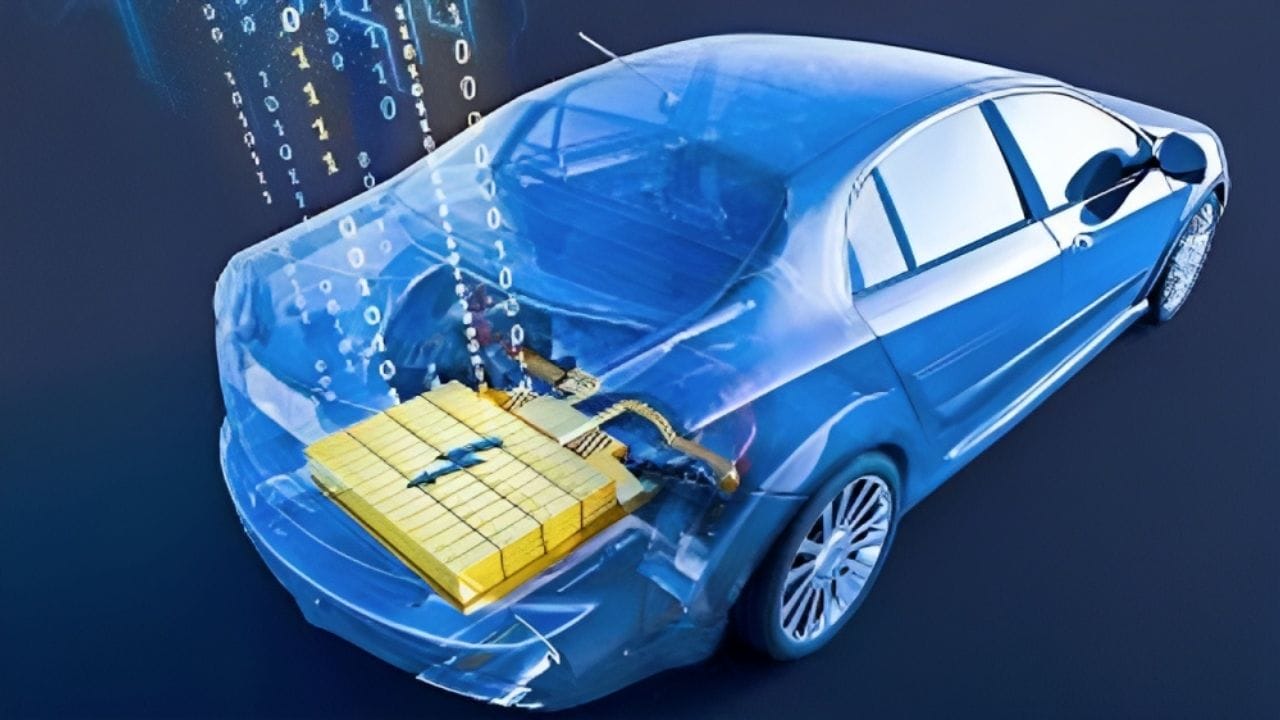
A recent Financial Times survey explores the journey of lithium, from Chile to England and Norway, addressing two critical issues: the ability to increase production to meet growing demand and the minimization of negative social and environmental impacts.
Chile, holding the largest lithium reserves in the world, produces most of this element through the company SQM, located in the Salar de Atacama. Here, lithium-rich brine is extracted and, after a process of evaporation and concentration, is transformed into lithium carbonate and hydroxide for use in lithium batteries.
Lithium Extraction Raises Significant Concerns
Local communities, such as Rosa Ramos, fear that mining activities will deplete their water resources. Although SQM claims to minimize environmental impacts, the lack of independent data makes it difficult to objectively assess the effects of mining in the region.
Global investors are increasingly focused on sustainable lithium production. Brian Menell, founder of TechMet, highlights the importance of well-governed, transparent, and low-impact mining. The demand for lithium is expected to grow exponentially, as stated in this Estadão study, driven by the production of electric vehicles.
-
The climate in 2026 may surprise with extremes even more intense than in 2025, with heatwaves, out-of-season cold, and irregular rainfall in Brazil.

-
Astronomers identify 45 rocky planets that could harbor life, and one of them is just 4.2 light-years from Earth, making it the closest neighbor with the potential to have liquid water on its surface.

-
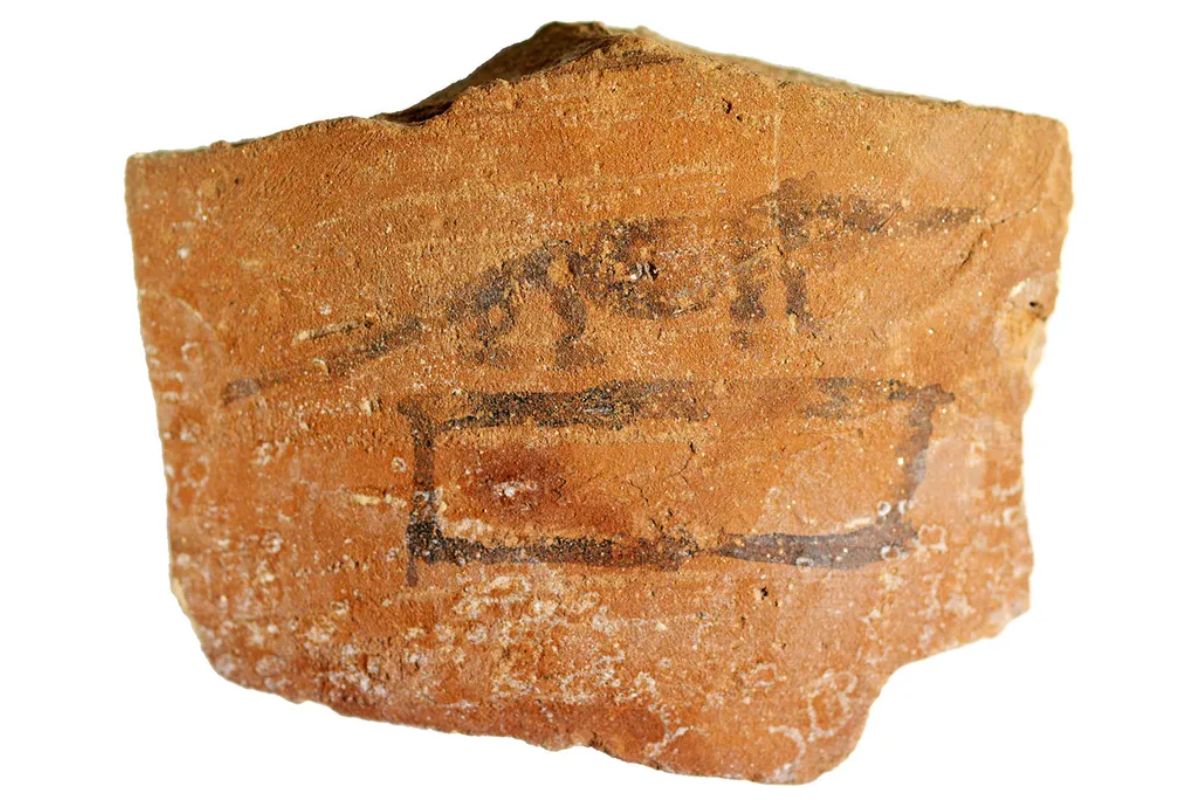
Archaeologists discover 43,000 ostraca in Egypt with tax lists, drawings, religious texts, and everyday notes that reveal what life was like in ancient Athribis before Cleopatra.
-
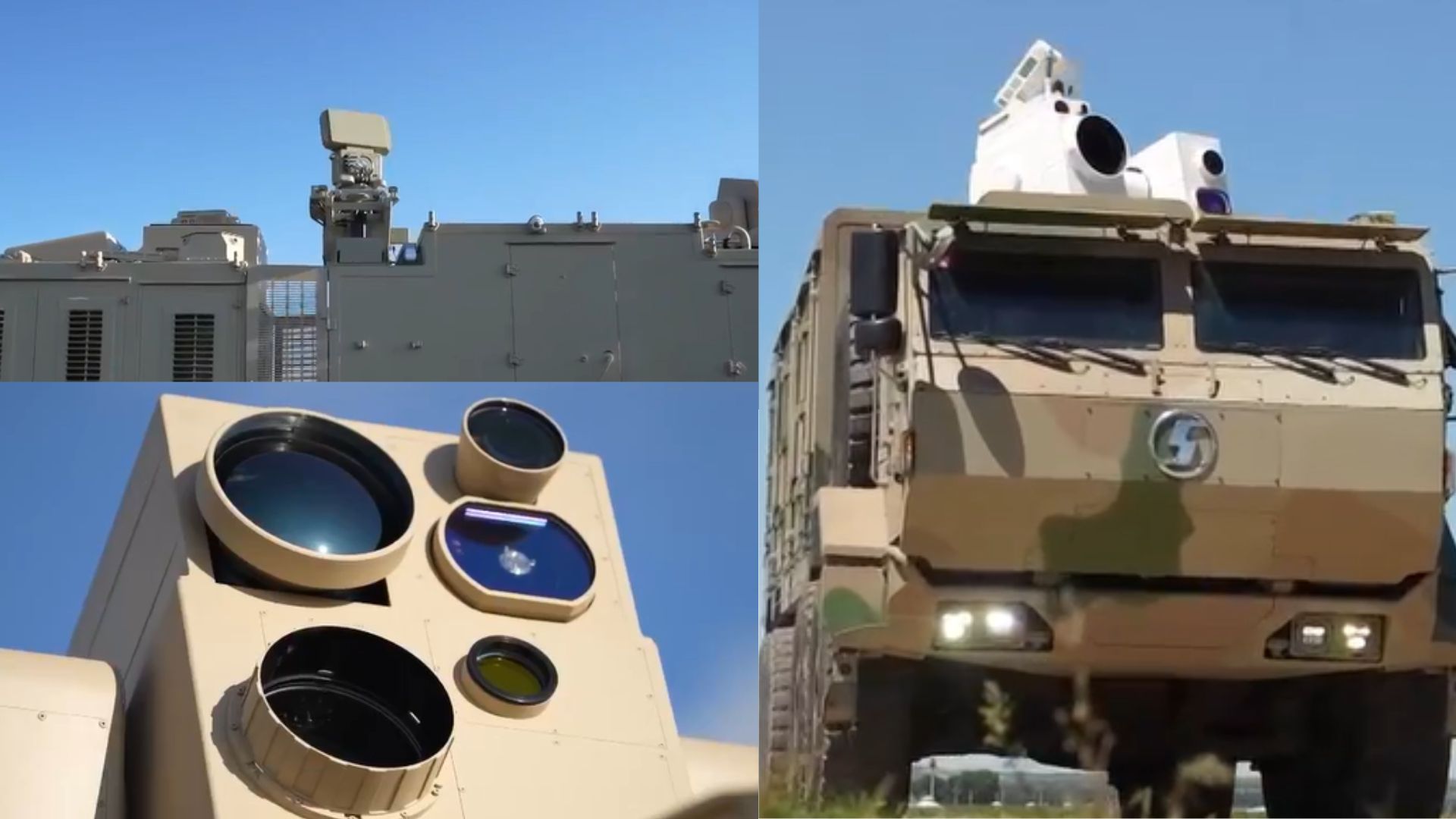
China showcases laser defense systems that target drones flying very low and attempts to address a flaw that has been concerning armies worldwide.

Lithium Supply and the Role of China
China dominates the production of lithium-ion batteries and the refining of lithium chemicals, a position that challenges other countries to balance the global market. The country has invested in critical mineral processing capabilities, creating challenges for the rest of the world.
Governments around the world, including the U.S. and the European Union, are encouraging investments in lithium. Emerging technologies, such as direct lithium extraction, promise to make the process more sustainable, although they still require validation and development.


Revival of Mining in England
In Cornwall, England, British Lithium, led by Roderick and Andrew Smith, is exploring innovative methods to extract lithium, aiming to serve local manufacturers and contribute to a circular value chain.
The London Metal Exchange could play a vital role in stabilizing the lithium market. Additionally, the recycling of used batteries, such as those from Hydrovolt in Norway, offers a sustainable alternative to traditional mining.
The lithium industry is at the center of the transition to cleaner energy. Companies, investors, and governments face the challenge of balancing economic opportunities with environmental and social responsibilities.







Seja o primeiro a reagir!