





 Portuguese
  English
  Spanish
  4 min of reading


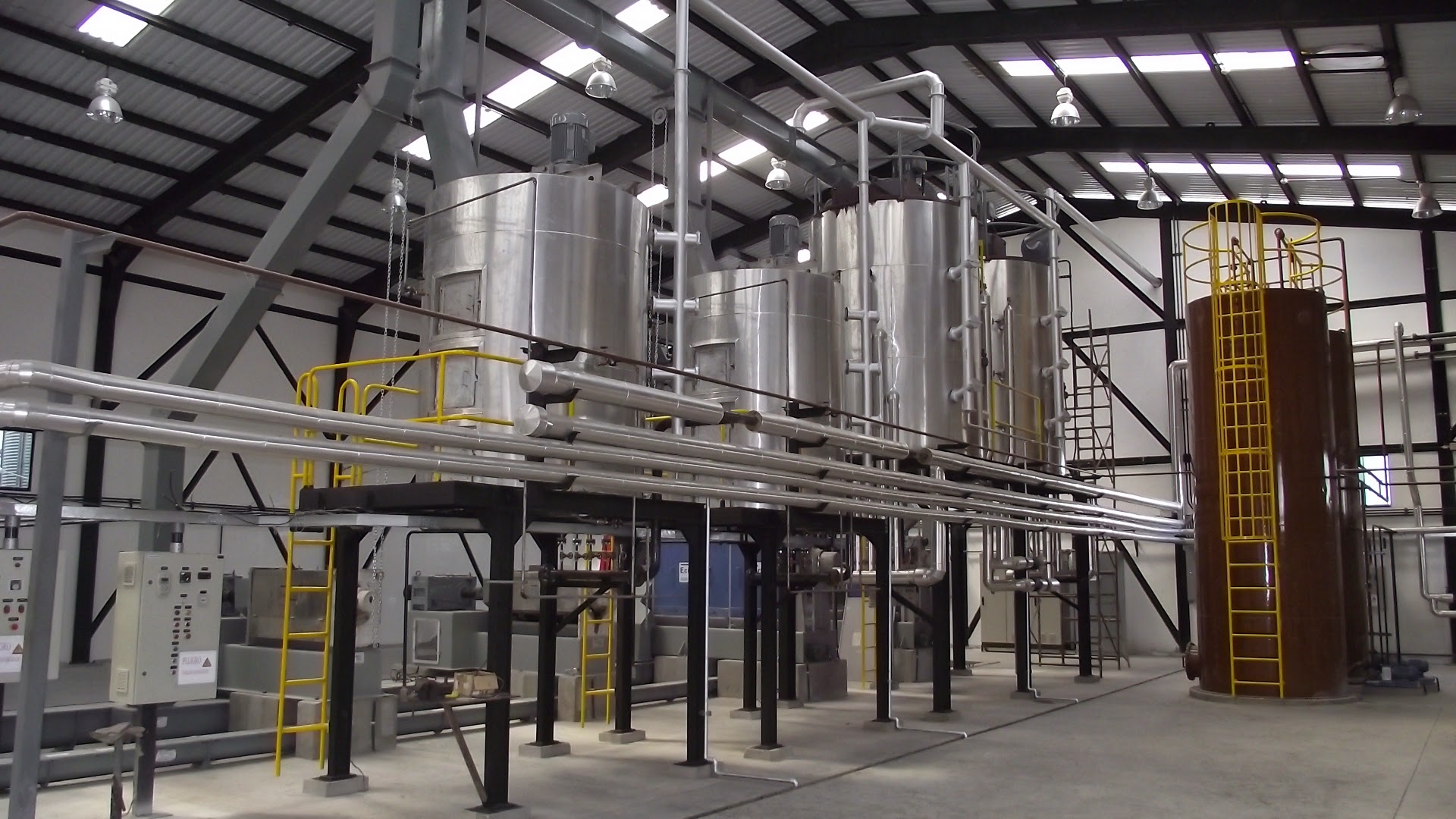
The New Thermal Power Plant That Will Be Built In The State Of Roraima Will Have 17.6 MW Of Capacity And Will Use Palm Oil And Biomass As Fuel
Brasil BioFuels (BBF) and Nova Engevix have formed a partnership to complete the construction of a 17.6-megawatt thermal power plant to generate energy from renewable sources in Roraima, the only state still isolated from Brazil’s interconnected system, according to a statement released by the companies on the last day 01. Also Read This News: Marlim Azul Thermal Power Plant In Macaé Is 70% Completed And Will Begin Operations In 2023
- Mini Wind Turbine Priced Like A Cell Phone Generates Energy At Home, Functions Like Large Wind Farms, And Promises To Revolutionize Renewable Energy Generation Worldwide
- Senai Ceará Launches “Introduction To Green Hydrogen” Course, With The Support Of A Multinational Leader In Hydrogen Production
- Offshore – Engeman Has Many Job Openings For Professionals With Basic, High School, And Technical Education
- NSK Presents Technologies For The Mining Industry At Exposibram 2021
- Raízen Will Invest R$ 150 Million To Build A New Electric Power Generation Unit Using Sugarcane Bagasse
Details About The Project That Will Be Built In Roraima
The new thermal power plant will be built in the municipality of São João da Baliza and will use raw materials available in the region, such as palm, in two different processes: with vegetable oil and biomass, explained the company, noting that the asset will be important in helping to reduce emissions in a state that heavily relies on diesel thermal plants.
The construction of the new thermal power plant began in January 2020 by BBF and will now benefit from the expertise of the contractor for the development of the second phase, related to energy generation with palm vegetable oil. In the statement, the companies stated that the contract is a result of Nova Engevix’s strategy to invest in the development of sustainable projects, such as those of BBF.
-
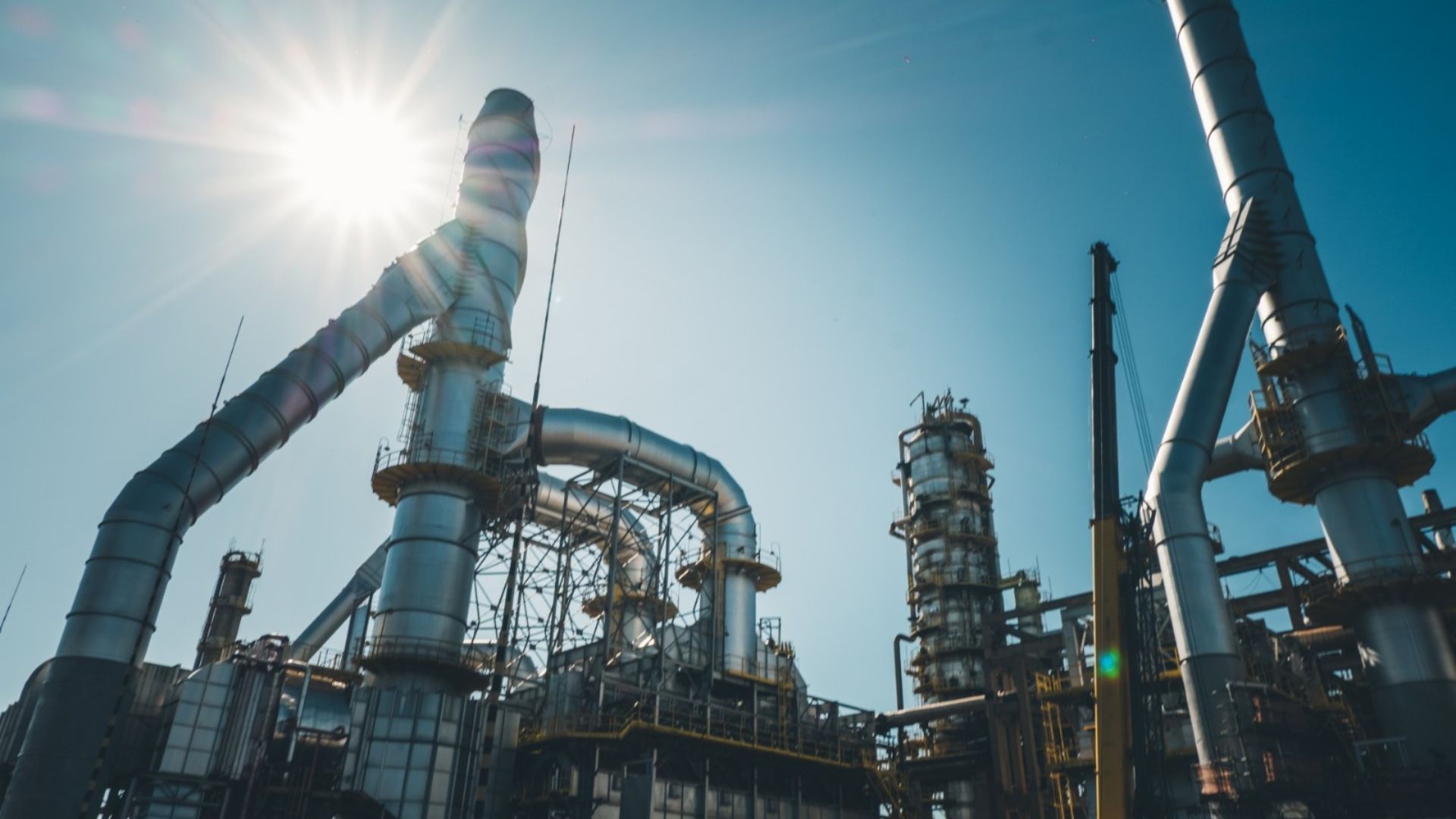
Petrobras Expands Refining in Brazil, Increases Production of Diesel S-10 and Gasoline, Enhances Operational Efficiency, and Reduces Import Dependence Between 2023 and 2025
-
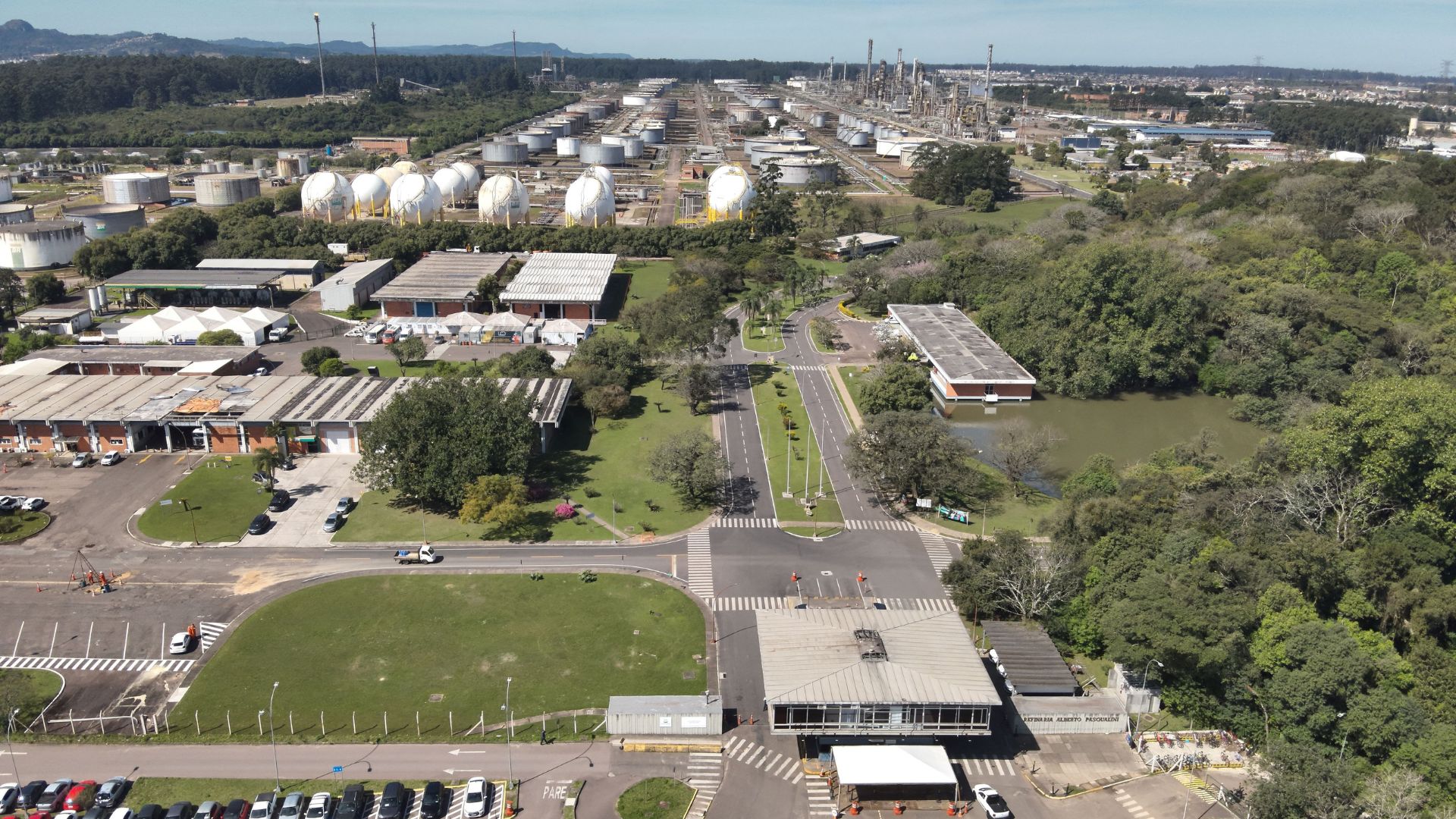
Petrobras’ Refap Sets Historic Records for Gasoline and S-10 Diesel Production in Canoas in Q4 2025, Surpassing Previous Figures
-
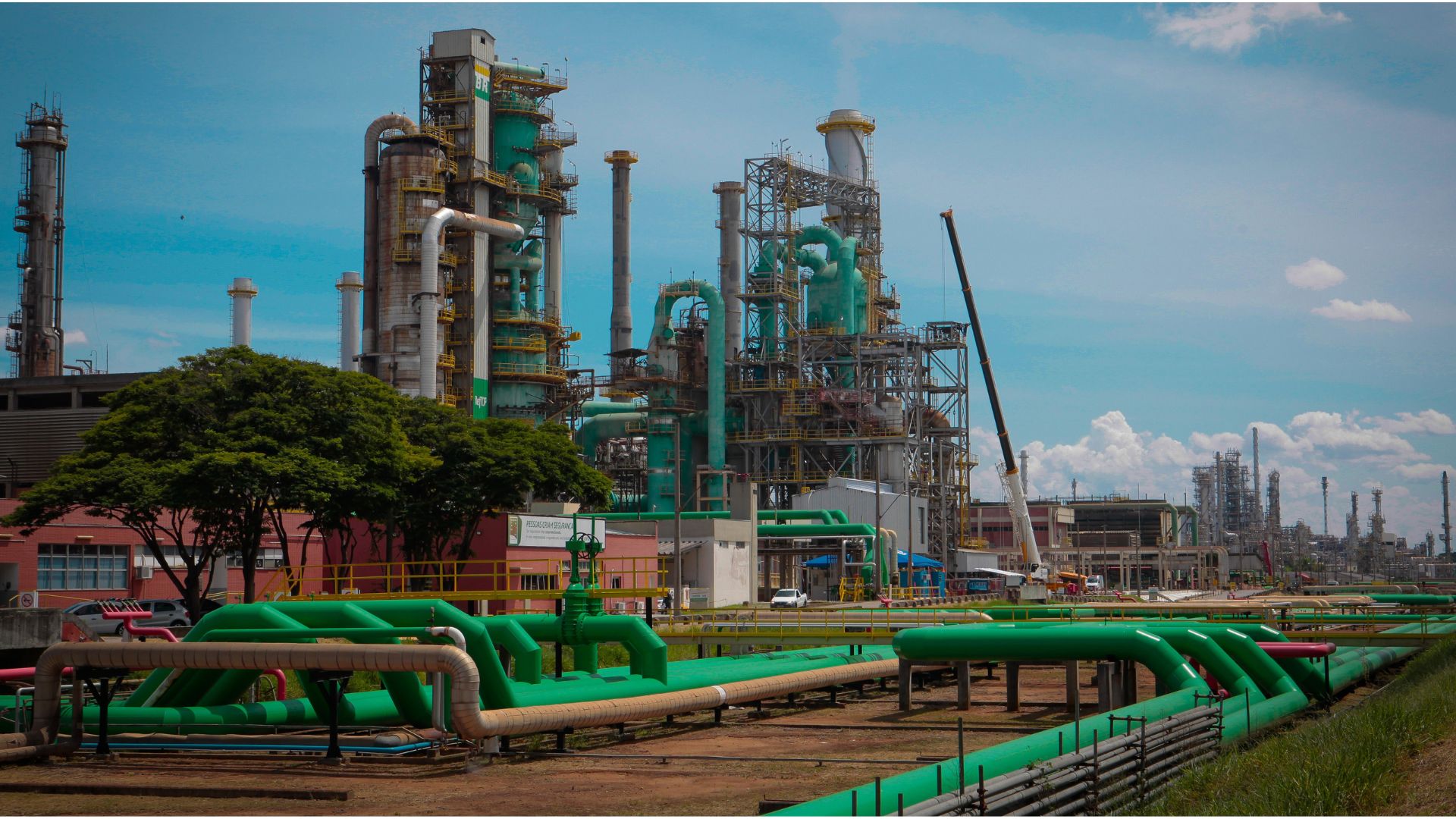
Revap Starts Operation of Modernized HDT and Petrobras Expands S-10 Diesel Production by 80% at the Refinery, Boosting Supply of Less Polluting Fuel in Brazil
-
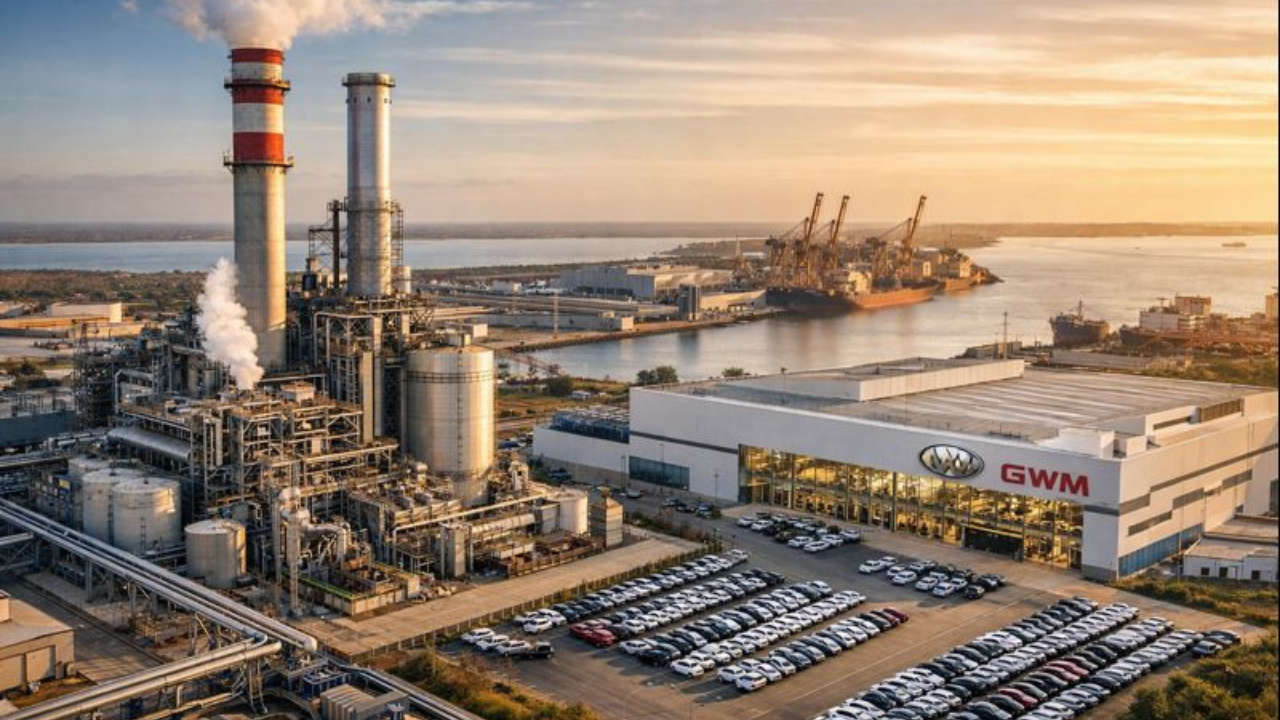
Thermal Power Plant in Rio Grande do Sul Is Key to Attracting GWM
The Thermal Power Plant Will Use Palm Oil
The palm oil and biomass to be used for energy generation at the plant in São João da Baliza will be sourced from the local agribusiness. The palm is planted by BBF on over 5,400 hectares in the city itself, following the Federal Program for Sustainable Palm Oil Production, created in 2010 by the Ministry of Agriculture to promote reforestation and ensure cultivation only in areas that were deforested before 2007.
With the power plant, it is possible to achieve an almost complete utilization of the palm, extracting oil and biomass from the fruit to be used as fuel for energy generation. In the same statement, Milton Steagall, president of Brasil BioFuels, points out that developing a plant with a renewable source of raw material abundant in the area meets the three ESG principles, as it is possible to reduce CO2 emissions, lower the costs of energy production, and generate jobs and income for the population of Roraima.
Also Check This News: Located At The Port Of Açu, Construction Of The GNA II Thermal Power Plant Will Begin In October
Gás Natural Açu (GNA), a joint venture formed by BP, Siemens, SPIC Brasil, and Prumo Logística, has been authorized by the City Hall of São João da Barra (RJ) to start construction of its second thermal power plant at the Port of Açu, GNA II, which is expected to begin commercial operations in 2024. According to the newspaper Estadão, construction is expected to start in October, and the company has already begun preparing the site where the project will be installed and new job openings will be created.
According to information released by Estadão, the thermal power plant will consist of three natural gas turbines and one steam turbine, totaling an installed capacity of 1.67 gigawatts (GW), enough energy to supply 7.8 million homes. The total investment is expected to be R$ 5 billion, with R$ 3.93 billion obtained through financing from the National Bank for Economic and Social Development (BNDES).
The construction of the plants and the supply of equipment, such as gas and steam turbines, as well as heat recovery boilers, is the responsibility of Siemens Energy, which will also provide operation and maintenance services for the units. Natural gas will be imported and supplied by BP.






Seja o primeiro a reagir!