





 Portuguese
  English
  Spanish
  5 min of reading
  0 comments


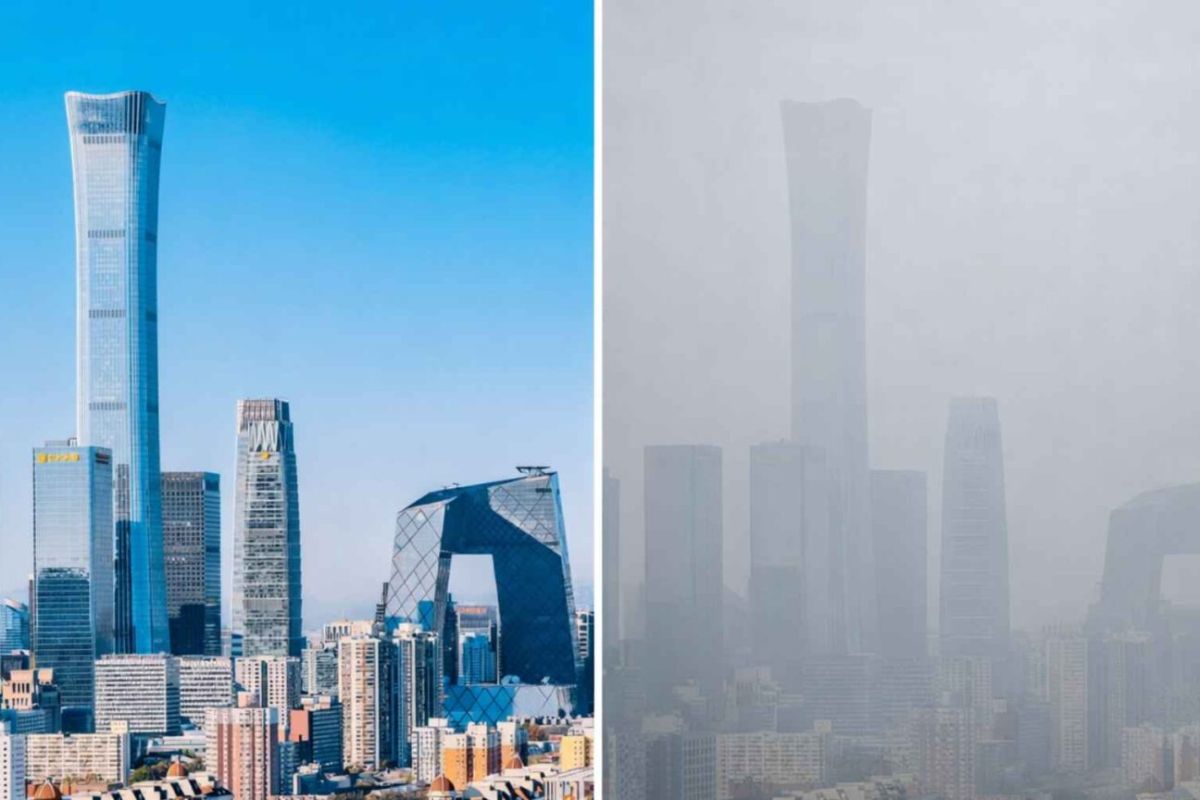
Beijing reached the lowest level of air pollution since monitoring began, with an annual average of PM2.5 of 27 µg/m³ and 311 days of good air in 2025. But a 2026 study in Science Advances revealed up to 180 thousand microplastics per cubic meter in the air of Chinese cities, exposing a problem that traditional sensors cannot capture.
Beijing has just proven that a megacity can clean its air in record time. The annual average of PM2.5, the most dangerous pollutant for human health, dropped to 27 µg/m³ in 2025, the lowest level since monitoring began in the Chinese capital. This is a decrease of approximately 70% from the 89.5 µg/m³ recorded in 2013, when public pressure forced the government to act against pollution that obscured the urban landscape. The city recorded 311 days with good or moderate air quality and only a single day of intense pollution throughout the year, a scenario that seemed impossible a decade ago.
But just when Beijing seemed to finally be winning the battle against soot and exhaust gases, scientists identified a new category of pollution that traditional monitors cannot even track. An article published in the journal Science Advances in 2026 described concentrations of up to 180 thousand microplastics per cubic meter in the air of Guangzhou, another major Chinese city, and pointed out that road dust resuspension and wet deposition are the main dispersion mechanisms. The irony is precise: Beijing cleaned the visible air, but the invisible air may be laden with plastic particles that no one was measuring.
How Beijing managed to reduce air pollution by 70%
The recovery of air quality in Beijing was not the result of a single measure, but a combination of policies applied consistently over 12 years. The authorities progressively intensified industrial emission controls, gradually phased out older and more polluting vehicles, and adopted emission standards for new cars comparable to the European Euro 6. During periods of high pollution, emergency measures such as odd-even license plate restrictions quickly reduced pollutant concentrations.
-
The largest rock cut in Brazil is a surreal road: named after a bird, this route in SC crosses a rock that is 160 million years old, opens a 90-meter gap, and connects the mountains to the coast of Santa Catarina.

-
An entire city sank in the Uruguai River, and about 15,000 residents had to leave, but the towers of the old church in Itá still rise from the waters in western Santa Catarina as a symbol of memory and rebirth.

-
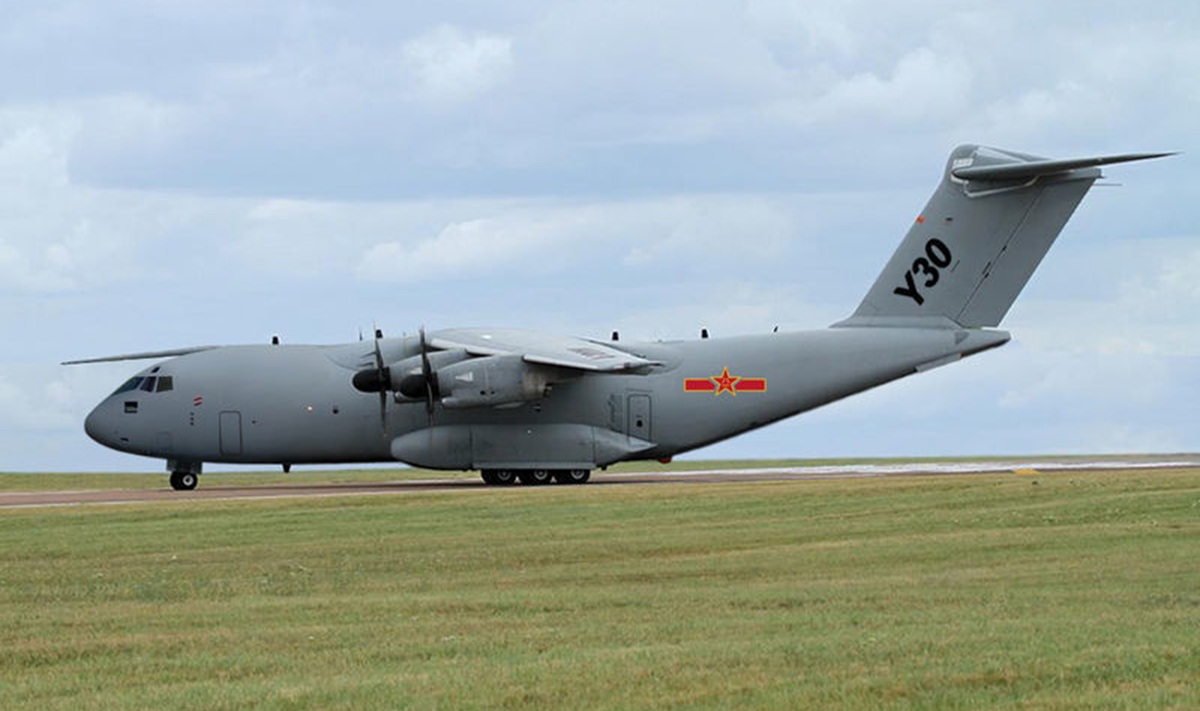
China launches the Y-30, an aircraft with four turboprop engines, a spacious cabin, and a capacity of 30 tons, while local analyses suggest that it surpasses the famous C-130J and could change military transport in remote islands and mountains.
-
Mothers stop paying taxes forever, government creates a package with 7 measures, expands benefits, releases credit, and tries to reverse the population decline that threatens the future of Europe.
Equally important was the expansion of public transportation and incentives for residents to leave private cars at home. In practice, this meant fewer exhausts idling in traffic jams and fewer fine particles from heavy traffic. Beijing also invested in the electrification of mobility, with incentives for new energy vehicles and expansion of the charging point network throughout the city. These are not glamorous policies, but the results show up on air quality monitors: from 89.5 µg/m³ in 2013 to 27 µg/m³ in 2025. It is the first time Beijing has fallen below the 30 µg/m³ limit set by its own national standards.
The numbers that show the transformation of air in Beijing
According to the Beijing Municipal Ecology and Environment Department, the data from the Beijing ecological report for 2025 goes beyond annual averages. The number of days with good or moderate air rose to 311, while episodes of severe pollution virtually disappeared, with only one day classified as “intense pollution” by the national air quality index. This type of improvement has a direct impact on daily life: children can play outdoors more often, runners can exercise after work without elevated risk, and elderly people with respiratory diseases face fewer crises.
The report also points to reductions in other pollutants, including PM10 and nitrogen dioxide. However, ozone remains a persistent seasonal problem in Beijing, a reminder that air quality is a constantly changing issue, with different pollutants gaining relevance depending on the weather and emission sources. The improvement is real and measurable, but it is far from solving all the atmospheric problems of the Chinese capital.
Beijing has improved, but is still far from global health standards
The 27 µg/m³ of PM2.5 in Beijing represents an extraordinary advance for those who remember the unbreathable air of 2013. But the World Health Organization recommends an annual target of 5 µg/m³, and the American standard is 9 µg/m³. In other words, Beijing has reduced pollution by 70%, but is still breathing air that is three times more polluted than what is acceptable by U.S. standards and more than five times above the WHO recommendation.
PM2.5 particles pose a special risk because they are small enough to penetrate deep into the lungs and even enter the bloodstream. Prolonged exposure to levels above WHO recommendations is associated with cardiovascular, respiratory, and neurological diseases. For Beijing, the next challenge is to continue the downward trajectory without becoming complacent with the gains already made. Public health experts consider the target of 27 µg/m³ to be just an intermediate step, not the finish line.
The invisible cloud of microplastics hovering over Beijing
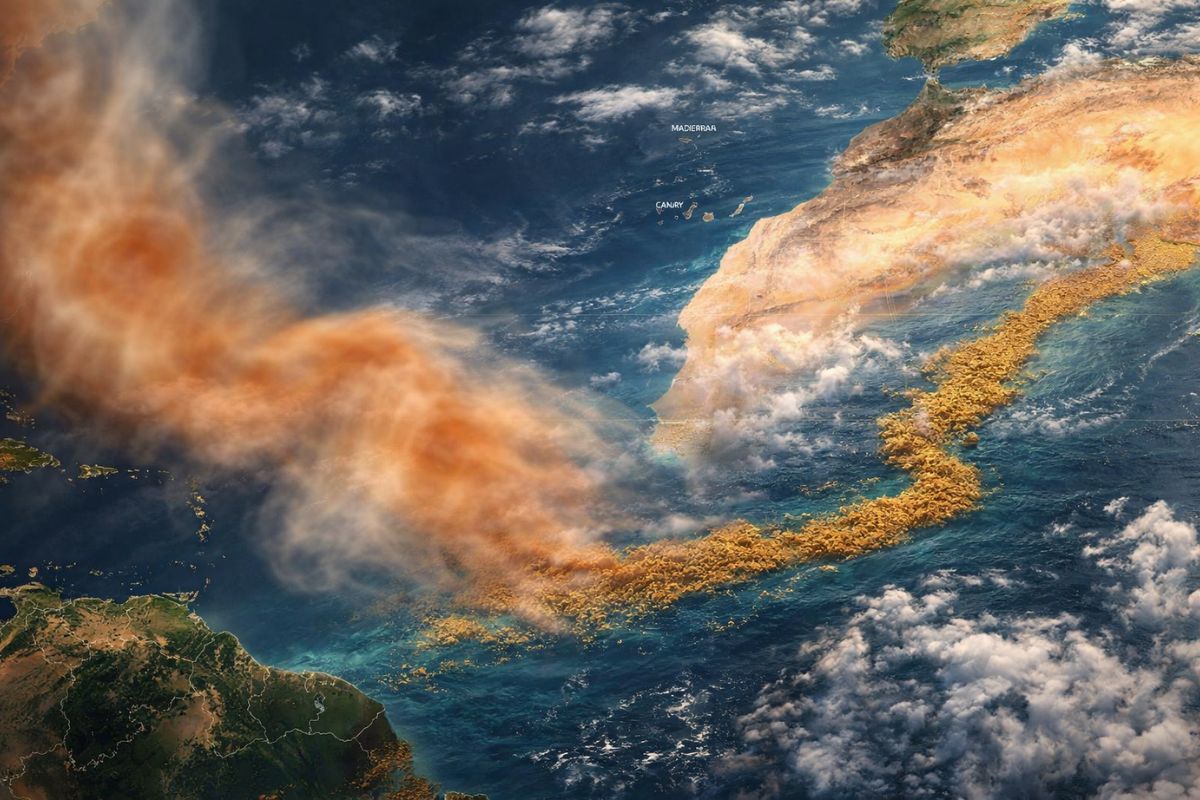
Just when Beijing begins to control traditional pollution, a new category of contamination emerges. The study published in Science Advances in 2026 developed a method capable of detecting plastic particles as small as 200 nanometers and found concentrations of up to 180 thousand microplastics per cubic meter in the air of Guangzhou, equivalent to about 5,100 particles per cubic foot. It is a considerable amount to imagine in a single breath.
The same study identified road dust resuspension and wet deposition as the main factors for the dispersion of microplastics in urban air. This means that traffic not only emits exhaust gases but also releases plastic fragments back into the atmosphere every time vehicles pass over roads where these particles accumulate. For Beijing and other megacities, the discovery implies that “clean air” is no longer just a story about soot and sulfur. Air quality monitors need to be updated as quickly as regulations.
What Beijing teaches and what other cities need to learn
Beijing’s trajectory demonstrates that consistent policies, coupled with rigorous monitoring, can transform the air quality of a megacity in about a decade. But the work never ends, especially as climate change intensifies heat, wildfire smoke, and ozone formation, and because new pollutants like microplastics enter the scene without measurement systems being prepared to detect them.
The most important lesson from Beijing may be that air quality management is a marathon with a constantly moving finish line. The city has proven that rapid progress is possible, but the next phase will require governments and scientists to continue asking difficult questions about what is hovering over cities and what these particles, whether soot or plastic, are doing inside our bodies. Beijing cleaned the air that could be seen. The challenge now is to clean what cannot be seen.
Beijing reduced pollution by 70%, but a cloud of invisible microplastics may be the next threat. Do you think Brazilian cities should follow the Chinese example of aggressive pollution policies? Leave your opinion in the comments.





Seja o primeiro a reagir!