





 Portuguese
  English
  Spanish
 2 min of reading
  0 comments


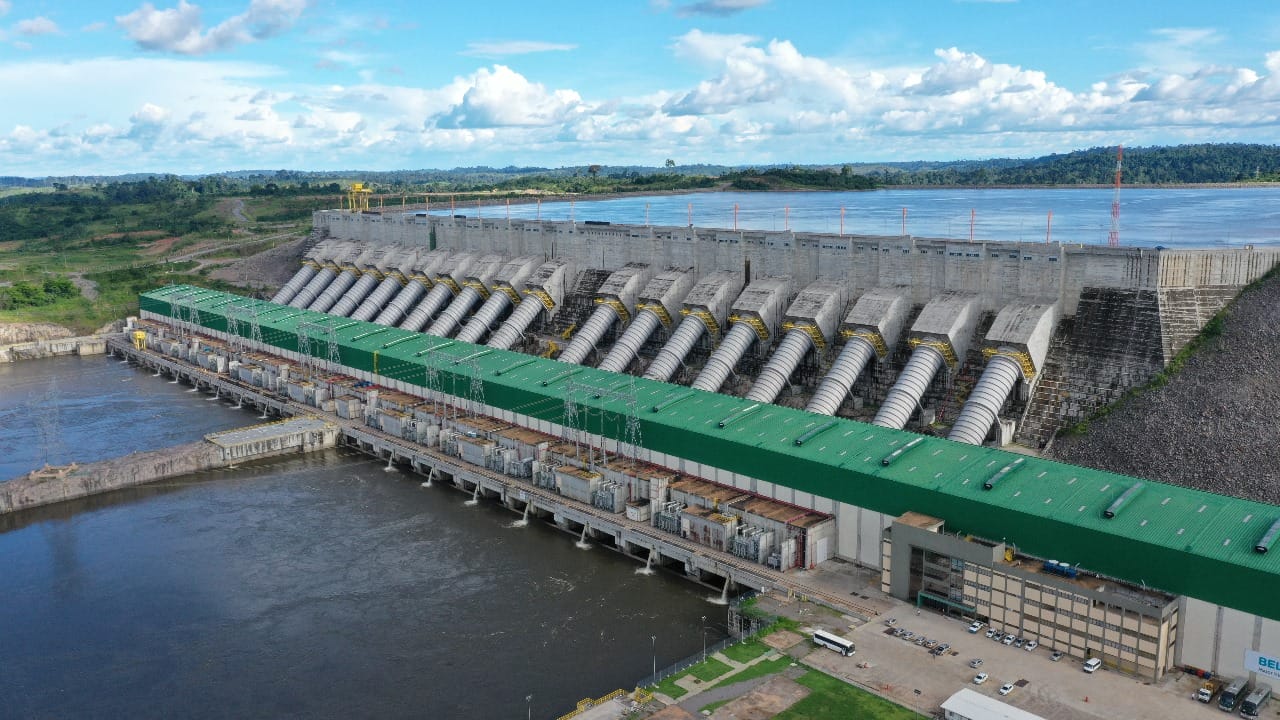
Hydropower Plant Mitigates CO2 Emissions and Meets High Demand
The Belo Monte Hydropower Plant, located in Pará, plays a crucial role in the energy security of Brazil, especially during peak consumption hours, between 6 PM and 10 PM. With the recent rise in temperatures, the country has faced a significant increase in energy demand, requiring 91,232 MW daily, a substantial growth compared to the 70,827 MW recorded the previous year.
Impact of El Niño on Energy Generation
Despite climate challenges, such as reduced rainfall in the Northern region due to the El Niño phenomenon, Belo Monte has been essential. In the last three days, specifically between 8 PM and 9:30 PM, the plant provided an average of 1,782 MW of clean energy, enough to serve about 9.5 million people. This contribution is particularly relevant as it avoids the need to resort to thermal plants, which would have emitted approximately 1,230 tons of CO2.
The increase in temperatures directly impacts the behavior of the National Interconnected System (SIN), intensifying the known peak consumption. The Belo Monte plant emerges as a bulwark against this growing demand, offering a sustainable and efficient alternative.
-
A Canadian retiree creates a hydroelectric system on a real river, generating energy continuously throughout the day and demonstrating how the power of water can supply a house with stability even in a simple structure.

-
CNPE strengthens policy and prevents imported biodiesel from being mixed with diesel, aiming to strengthen the Brazilian industry and protect jobs by reducing external dependence amid tensions in the global market.

-
Petrobras reaffirms its commitment to the market and ensures that it will carry out the energy transition safely to maintain national sovereignty.

-
Researchers discover a possible hydrogen deposit of up to 46 million tons beneath an ancient coal basin, and the volume could exceed half of the entire global production.


Belo Monte: Balance and Sustainability
In addition to helping avoid the activation of thermal plants, Belo Monte contributes to the balance of the energy system. With the increasing incorporation of intermittent sources, such as solar energy that is not generated at night, the plant has an even more strategic role. It also helps maintain the reservoirs of hydropower plants in the Southeast, reducing the pressure on these sources during periods of high demand.
In summary, the Belo Monte Hydropower Plant not only ensures the energy security of Brazil in critical moments but also stands out in the fight against climate change. With its capacity to provide clean energy and reduce dependence on polluting sources, it presents itself as a model of sustainability and energy efficiency. The plant is a clear example of how innovation and environmental responsibility can go hand in hand in the quest for a greener and more sustainable future.
Source: Maria Eduarda Martinez.







Seja o primeiro a reagir!