





 Portuguese
  English
  Spanish
 3 min of reading
  0 comments


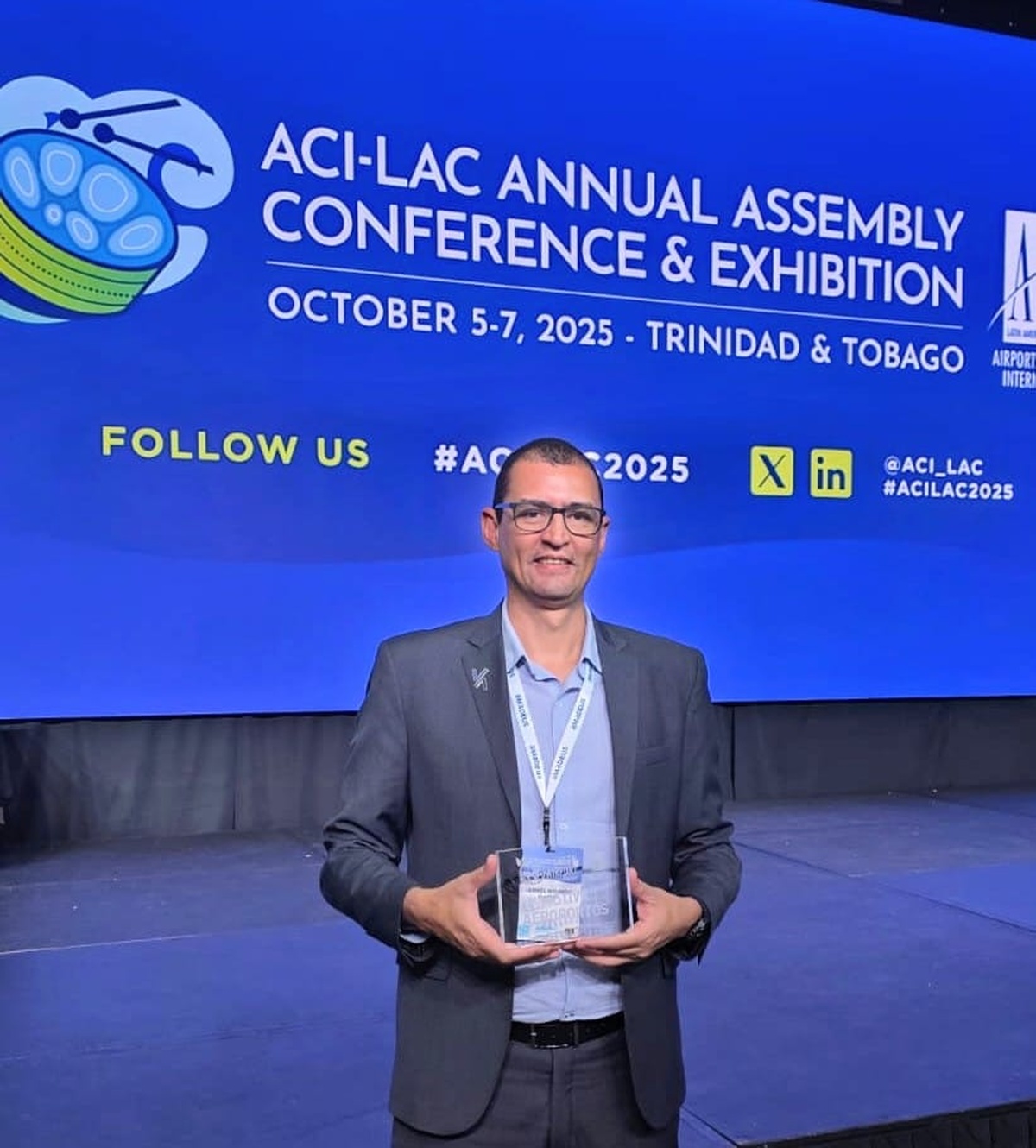
International Recognition Highlights The Wildlife Crossing Project And Sustainability Actions Of The Mining Airport
For the fifth consecutive year, BH Airport received the Green Airport Seal awarded by ACI-LAC (Airports Council International – Latin America and Caribbean). The recognition was announced on October 7, 2025, during the Annual Conference and Exhibition of the International Airports Council, held in Trinidad and Tobago, within the 2025 edition of the Green Airport Recognition.
According to the international organization, the award assesses airports that adopt innovative environmental initiatives and maintain a balance between operational efficiency and ecological responsibility. That is why the Wildlife Crossing Project at BH Airport was awarded for its positive impact on the preservation of local biodiversity.
Sustainability And Efficiency Come Together In Environmental Management Model
According to BH Airport CEO, Daniel Miranda, the recognition consolidates the integration of sustainability, modernization, and efficiency within airport operations. “By receiving the Green Airport seal once again, we demonstrate the importance of the ESG agenda for BH Airport, always in balance with operational efficiency and modernization of infrastructure,” stated the executive.
-
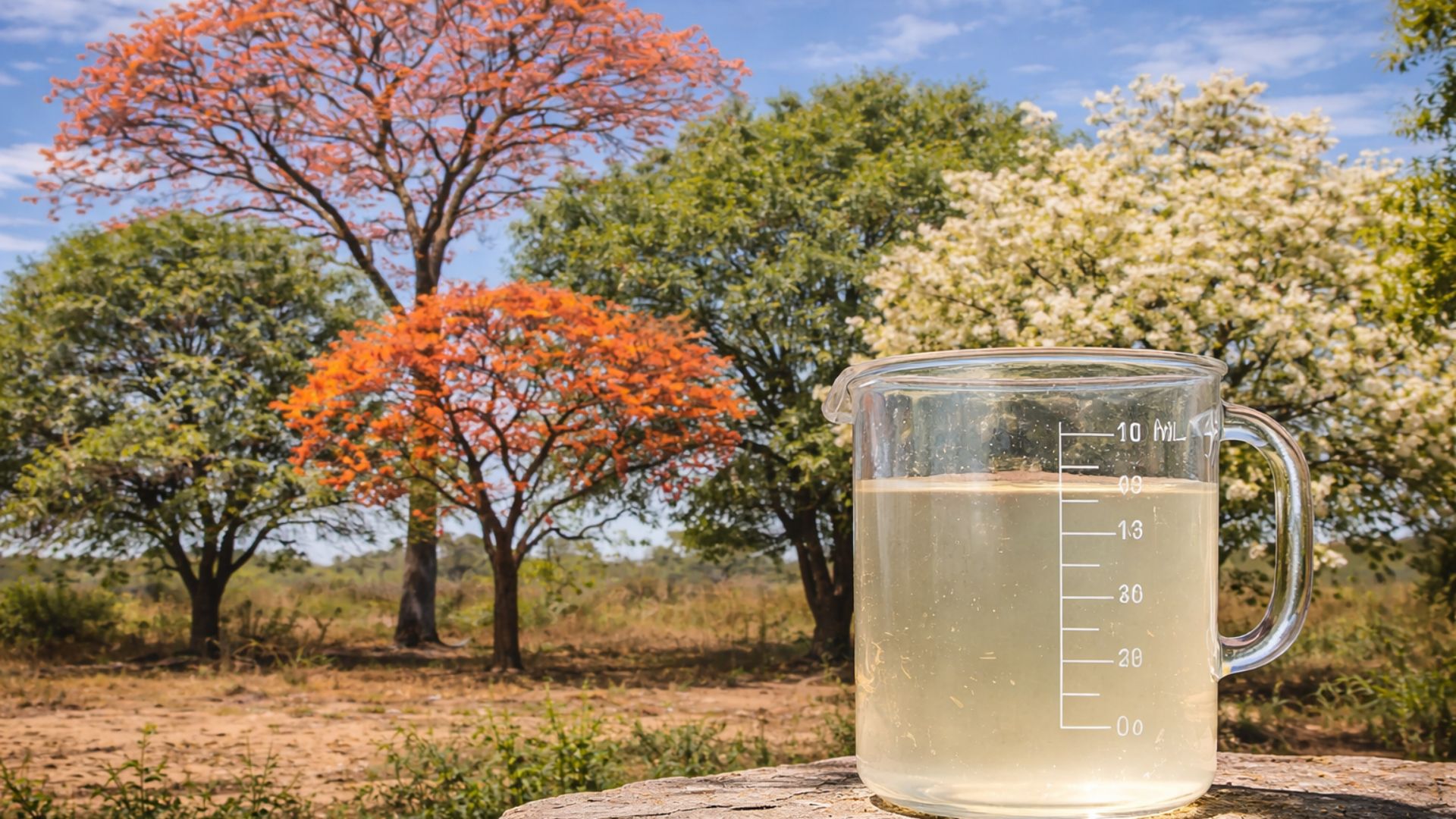
Embrapa’s discovery reveals an unexpected advancement by allowing the production of seedlings from the caatinga using brackish water, opening a new frontier for farmers to face drought more efficiently.
-
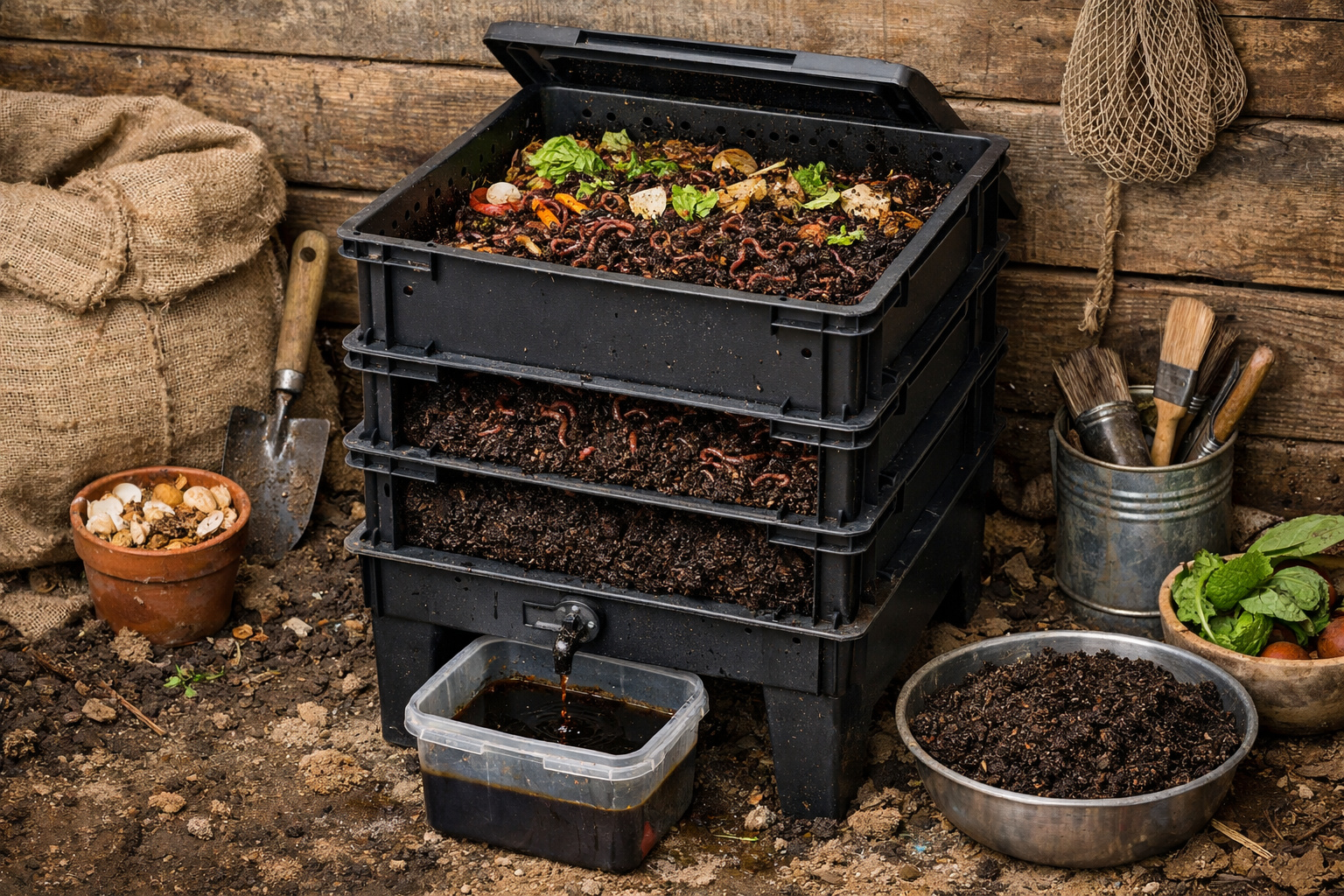
6 sources of free fertilizer that you are throwing away every day and can transform your garden without spending anything.
-
With a water crisis on the radar, Sabesp invests in reclaimed water for data centers and transforms sewage treatment into a solution that saves millions of liters and protects public supply.

-
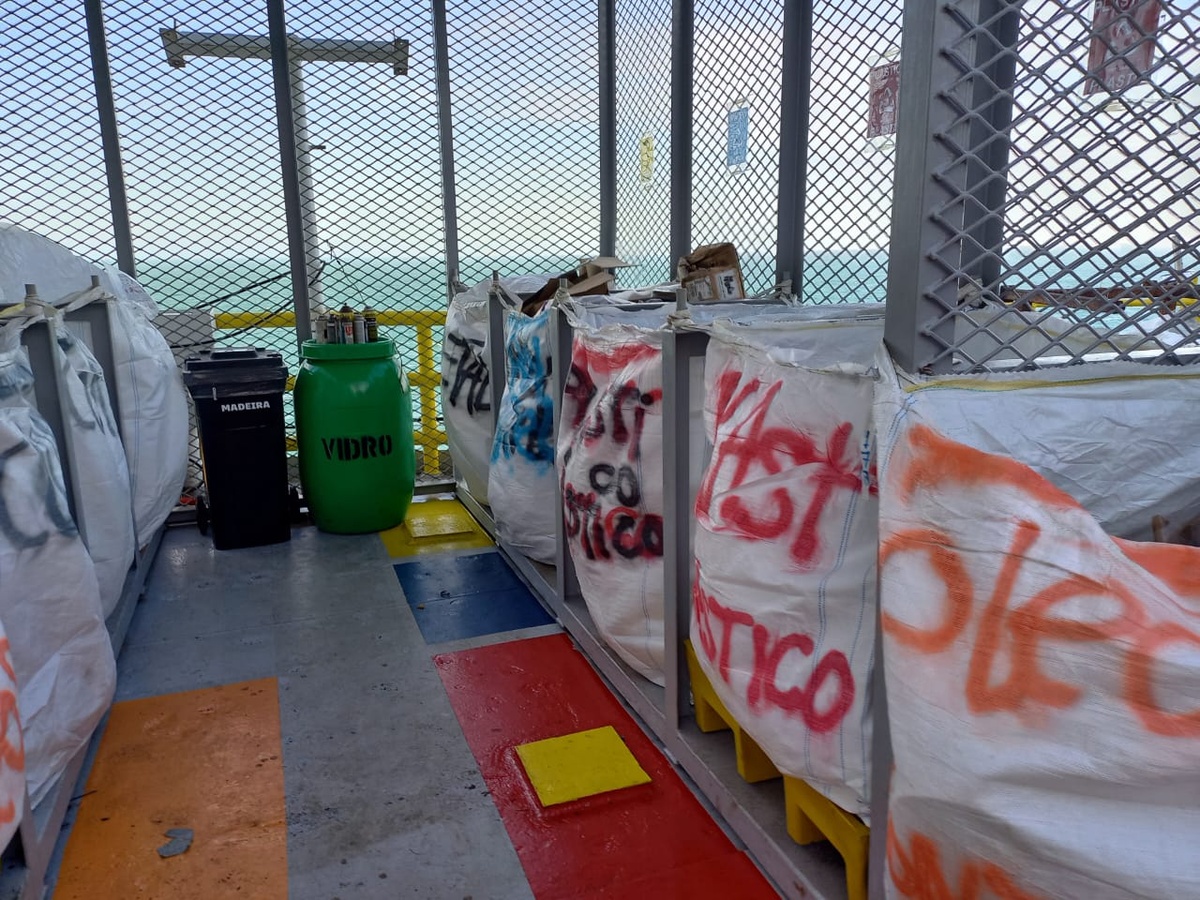
Foresea achieves 100% offshore waste reuse in 2025, eliminates landfill disposal, and consolidates sustainable strategy with 1,500 tons recycled.

The Green Airport Recognition program considers criteria such as top management involvement, environmental benefits proven by data and indicators, engagement of internal teams and external partners, in addition to the degree of innovation of the actions adopted. These parameters follow the United Nations Sustainable Development Goals (UN), which encourage the global advancement of sustainability.
Wildlife Crossing Connects Ecosystems And Reduces Collisions
The wildlife crossing, which brought recognition to BH Airport, is a 2-meter high and 60-meter long tunnel, located under the LMG-800 highway, the main access to the airport. The structure was built by the Department of Highways of Minas Gerais (DER-MG) before the terminal’s concession and is currently maintained and monitored by the environmental team at BH Airport, in partnership with the Environmental Protection Area of Lagoa Santa Karst (APA Karste).
This underground connection forms an ecological corridor between two large forest fragments, allowing for the safe crossing of wildlife typical of the Atlantic Forest and Cerrado. Since 2023, camera traps have recorded the use of the crossing by about 20 species, including giant anteaters, coatis, marsh deer, jaguarundis, capybaras, armadillos, and agoutis.
In addition, monitoring revealed an 83% reduction in wildlife collisions on the highway, according to reports provided by the airport. This data is used for scientific research and environmental studies developed within the APA Karste, reinforcing the scientific value of the project.
Natural And Historical Heritage Drives Regional Conservation
The region surrounding BH Airport is home to over 300 hectares of native vegetation, distributed among the Atlantic Forest and Cerrado biomes, integrating a rich ecosystem of endemic species and unique geological features. The local karst system, composed of caves, sinkholes, and underground aquifers, is essential for the hydrological balance and maintenance of the region’s flora and fauna.
The Environmental Protection Area of Lagoa Santa Karst, created on January 25, 1990, is one of the most important environmental heritage sites in the state, covering more than 37 thousand hectares. The area contains archaeological and paleontological remains of priceless value, including the fossil of Luzia, the oldest human in the Americas, found just 3 km from the airport runway.
With this, BH Airport reinforces its commitment to act in harmony with a territory of high ecological and scientific relevance, turning airport operations into an example of sustainable coexistence with the environment.
Permanent Commitment To A Sustainable Future For Aviation
By achieving the fifth Green Airport seal, BH Airport establishes itself as a benchmark for environmental standards in the Latin American aviation sector. The recognition highlights the success of a management approach that combines economic growth, technological innovation, and social and environmental responsibility.
The constant monitoring of wildlife, the investments in ecological infrastructure, and the integration with environmental agencies demonstrate that it is possible to balance development and preservation. Thus, the airport reaffirms its role as an active agent in fulfilling the UN Sustainable Development Goals, inspiring other transport and logistics concessionaires to adopt similar environmental policies.
Finally, the experience of BH Airport proves that sustainability can soar high when there is commitment, innovation, and respect for nature.









Seja o primeiro a reagir!