





 English
  Francês
  Alemão
  Italiano
  Japonês
  Norueguês
  Portuguese
  Spanish
  3 min of reading
  0 comments


With the Ban on New Oil Drilling in the Atlantic, Pacific, and Eastern Gulf of Mexico, Biden Protects Millions of Kilometers of Coastal Waters, Strengthens the Fight Against Climate Change, and Confronts the Powerful Fossil Fuel Industry.
A future where our coastal waters are preserved, protected, and free from the risk of oil spills? President Joe Biden is leading a bold movement to make this a reality, announcing the ban on new oil and gas drilling offshore in the vast coastal territories of the Atlantic, Pacific, and the eastern Gulf of Mexico. It is a milestone in the fight for sustainability and a significant blow to fossil fuel exploitation.
What Is Behind the Decision?
Biden made a decision that goes beyond politics. He is permanently protecting coastal waters and, along with them, the communities that depend on fishing, tourism, and marine ecosystems.
Imagine the oceans as large blue lungs that sustain life on the planet. By blocking drilling rights in large parts of the Atlantic and Pacific Oceans, Biden is ensuring that these vital areas are not compromised by oil exploitation. In the eastern Gulf of Mexico, the story is no different. The waters will remain untouched, a relief for those who fear the lasting damage from fossil fuels.
-
Brazilian giant expands borders in the Southeast: Petrobras confirms new oil discovery in ultra-deep waters in the pre-salt of the Campos Basin.

-
Alert in the global energy market: Severe tropical cyclone hits the coast and disrupts gas production at major plants in Australia, threatening global supply.

-
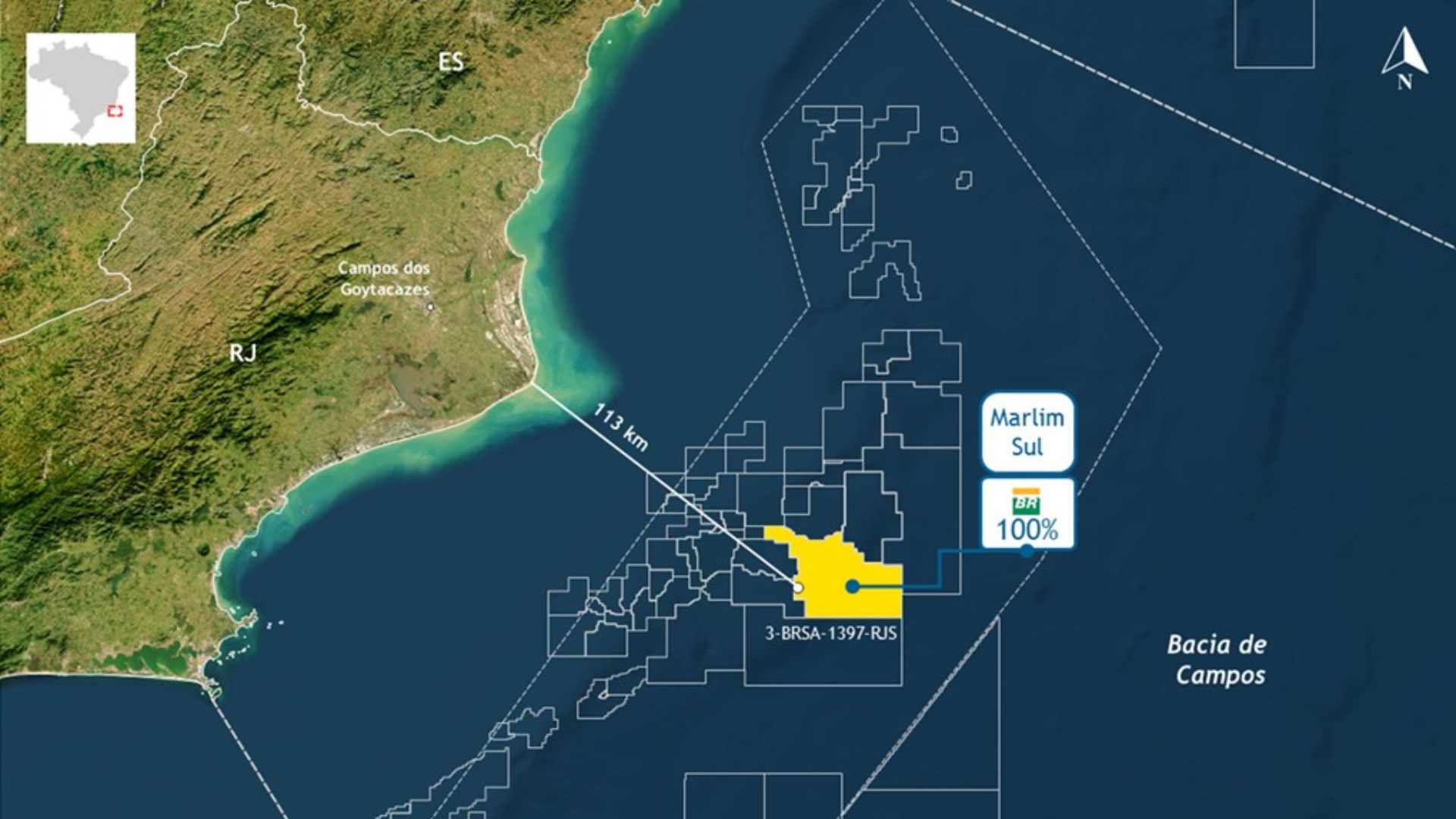
Petrobras finds high-quality oil in the pre-salt at 113 km from RJ and reignites expectations about strategic reserves in the Campos Basin.

-
Ocyan opens registrations for startups focused on innovation in the oil and gas sector and will select projects for Innovation Day with the support of Nexio.


Remember the BP disaster in 2010? This type of devastating event is one of the main reasons for the decision. Oil spills not only cause immeasurable environmental damage but also directly affect coastal communities that depend on the ocean for their livelihoods.
The Window to the Gulf of Mexico Remains Open

Why was the Gulf of Mexico left out of the total ban? This central and western region remains crucial for oil and gas production in the U.S., providing about 14% of national production. In other words, it is a strategic point on the country’s energy map.
As the transition to clean energy progresses, there is still a significant reliance on fossil fuels. Allowing the Gulf to continue operating is a practical decision, even amid the quest for sustainability.
A Strategic Movement for Sustainability
Biden is not just protecting the waters with this new rule for new oil drilling. He is strengthening his position as one of the most committed environmental leaders. Since taking office, the president has already taken steps to reduce emissions and protect public lands, showing that his commitment goes beyond words.
This decision is not just for now. It is grounded in a 72-year-old law, making it difficult for future attempts to reverse the ban. It’s like cementing a foundation: even when political storms come, Biden’s environmental legacy will be protected.
Impacts and Reactions to the Ban
Coastal communities are celebrating. With safer waters, they can thrive without the constant fear of spills. This means more safety for fishermen, more tourists, and less damage to ecosystems.
Of course, not everyone is happy. The oil and gas industry criticizes the decision, while environmentalists applaud. The debate reflects a clash between short-term economic interests and the urgent need to combat climate change.
What This Means for the Future of Oil in the U.S.
This decision sends a clear message: the future does not belong to oil, but to clean energy. While the road ahead is still long, bans like this encourage investment in renewable energy, accelerating the transition to a more sustainable world.
Biden’s movement is more than a political decision; it is a commitment to the planet’s future. By protecting coastal waters, he is inviting us to imagine a future where oil gives way to clean energy, where nature and humanity coexist in harmony. How about we accept that invitation?







Seja o primeiro a reagir!