





 English
  Francês
  Alemão
  Italiano
  Japonês
  Norueguês
  Portuguese
  Spanish
  3 min of reading
  0 comments


Regulatory Barriers And Arbitrary Decisions Hinder Expansion And Leave Investors On Alert
The Brazilian oil and gas industry, which accounts for about 15% of the industrial GDP (National Confederation of Industry, 2024), faces a scenario of uncertainties that threatens to stall billions of reais in investments. Since 2023, court decisions, regulatory disputes, and actions from regulatory agencies such as ANP and TCU have paralyzed essential projects. Private and state-owned companies, including Petrobras, Shell, Equinor, and TotalEnergies, are closely monitoring each new requirement to avoid compromising schedules and costs.
Processes And Blockages Intensify Concerns
In May 2023, Petrobras had its drilling permit in the Amazon River Basin halted, according to a report from the company itself. In early 2024, the Federal Court of Accounts (TCU) ordered a review of contracts under the pre-salt sharing regime. Consequently, private companies began to consider the legal risk even higher. According to the Brazilian Association of Independent Oil and Gas Producers (ABPIP), the country could lose up to R$ 100 billion in investments by 2030 if the environment of uncertainties is not reversed.
Direct Impacts On The Economy
According to data from the National Bank for Economic and Social Development (BNDES), the sector employs over 800,000 people, including direct and indirect jobs. Therefore, regulatory barriers threaten income, royalty collection, and the development of local suppliers. A clear example occurred in April 2024, when the suspension of deep-water drilling off the northeast coast halted service provider contracts, as reported by Abespetro.
-
Brazilian giant expands borders in the Southeast: Petrobras confirms new oil discovery in ultra-deep waters in the pre-salt of the Campos Basin.

-
Alert in the global energy market: Severe tropical cyclone hits the coast and disrupts gas production at major plants in Australia, threatening global supply.
-
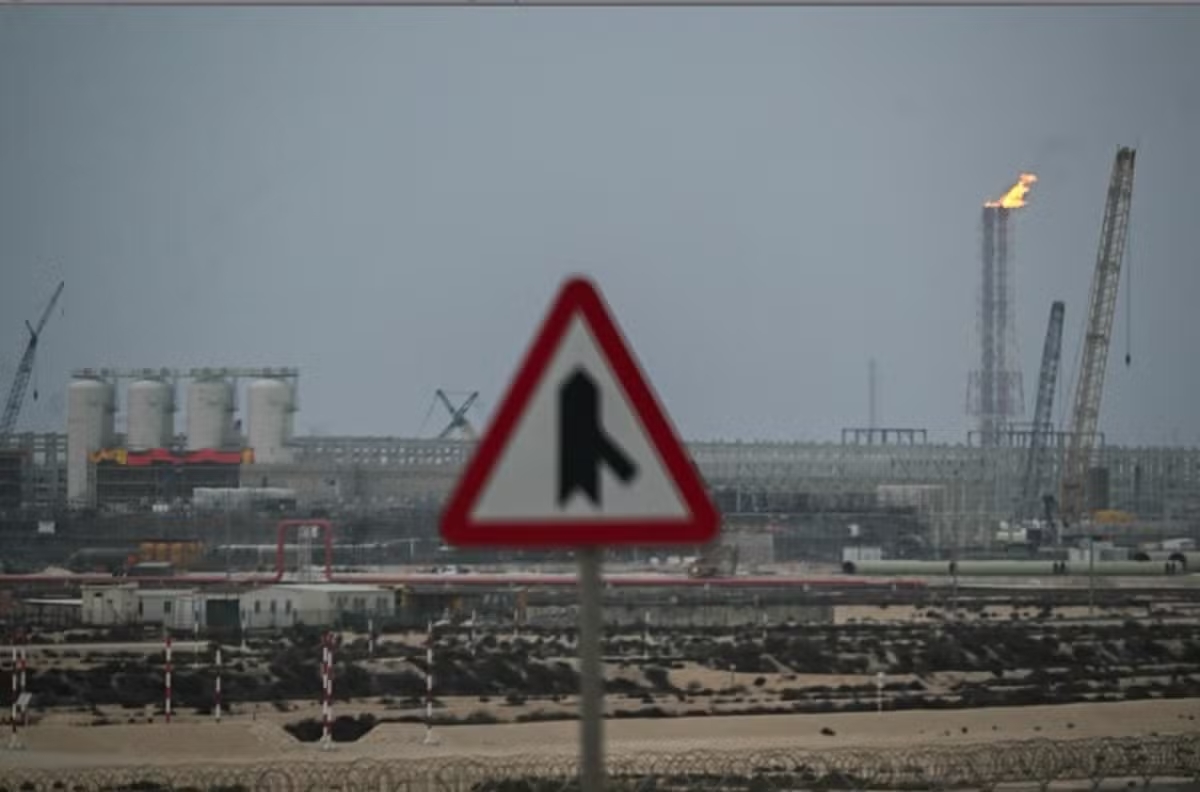
Petrobras finds high-quality oil in the pre-salt at 113 km from RJ and reignites expectations about strategic reserves in the Campos Basin.

-
Ocyan opens registrations for startups focused on innovation in the oil and gas sector and will select projects for Innovation Day with the support of Nexio.

Arbitrary Decisions Generate Legal Uncertainty
Adriano Pires from the Brazilian Center for Infrastructure (CBIE) highlights that legal uncertainty, combined with sudden changes in regulations, reduces confidence. The gas framework, approved in 2021, brought advancements, but new rules imposed since 2023 have reactivated old issues. Petrobras, since October 2023, has also dealt with challenges regarding pre-salt contracts. Regulatory bodies seek to correct alleged distortions, but the private sector views it as excessive intervention.
Companies Reassess Plans
Equinor, for instance, announced in March 2024 a cut of 20% in planned investments for 2024, justifying the decision with the need to assess regulatory risks. Meanwhile, neighboring countries like Colombia and Guyana are advancing with more simplified models, attracting global operators seeking greater predictability.
Sector Pressures For Stability
The Brazilian Institute of Oil and Gas (IBP), in its Annual Report 2024, emphasized the need for stability to ensure investments in decarbonization and low-carbon technologies. Stalling licenses therefore hinders the energy transition. In the same vein, the Federation of Industries of the State of Rio de Janeiro (Firjan), in a statement released in May 2024, advocated for legislative measures to reinforce legal security.
Threatened Investments Impact The Productive Chain
Studies by Abespetro indicate that, without regulatory clarity, local service contracts face cancellations in a domino effect. This increases unemployment in regions dependent on offshore activities. Moreover, the new environmental restrictions on drilling have caused delays in the schedules of companies that had already spent resources on infrastructure.
Planning To Avoid Setbacks
To try to reverse the situation, the government plans new bidding rounds for 2025, according to the National Agency of Petroleum (ANP). However, success depends on legislative adjustments and oversight that balances environmental protection and security for investors. Experts, as emphasized by Adriano Pires, reiterate that transparency, respect for contracts, and solid governance are basic conditions to unlock the sector.
What Does The Future Hold For Oil And Gas In Brazil?
The sector has the strength to continue as a driver of the national economy, but it needs regulatory coherence and predictability to compete with other emerging markets. In the meantime, companies and suppliers are seeking alternatives to mitigate losses and reorganize. The challenge is to balance environmental protection, legal security, and economic growth sustainably.









Seja o primeiro a reagir!