





 Portuguese
  English
  Spanish
  6 min of reading
  0 comments



The Japanese government intensifies investments in low-emission technologies and decarbonization in Japan creates a billion-dollar opportunity for Brazil to export sustainable fuels and attract high-technology industries.
Japan accelerates its climate goals to achieve carbon neutrality by 2050 and decarbonization in Japan drives a frantic search for global partners capable of providing renewable energy on a large scale.
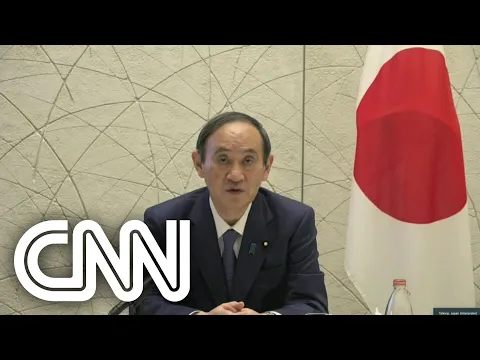
During recent international economic forums, representatives of the Japanese government and industrial giants highlighted Brazil as a priority strategic partner for the supply of green hydrogen, ammonia, and synthetic fuels.
The Asian country, which has limited territory for massive wind and solar generation, relies on energy imports to sustain its advanced economy. Meanwhile, Brazil offers one of the lowest clean energy production costs on the planet, as well as an expanding port infrastructure.
-
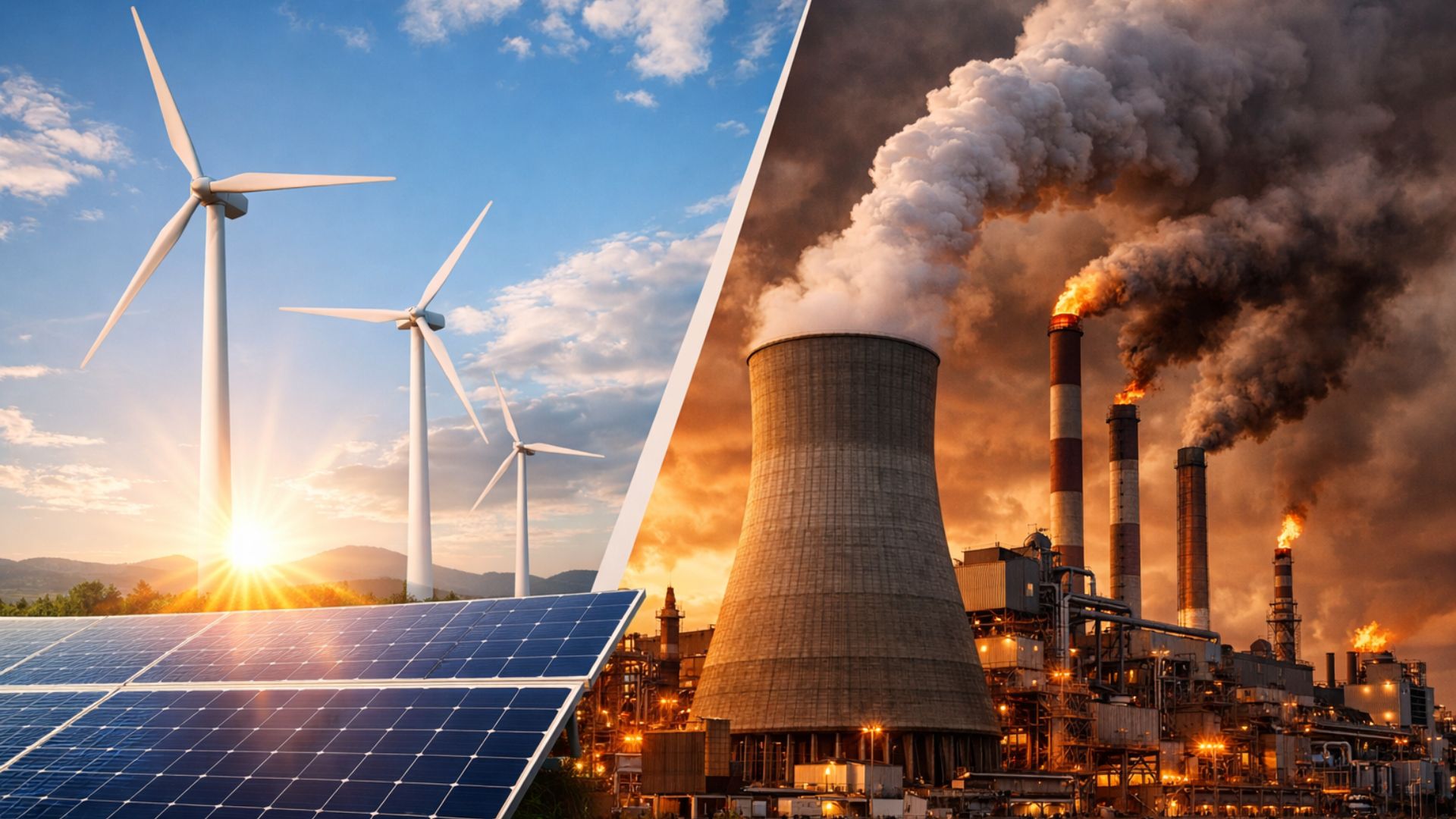
Understand how thermal security has become a key element in the energy transition by ensuring a balance between intermittent renewable energies and thermal sources capable of sustaining the electrical system during critical moments.
-
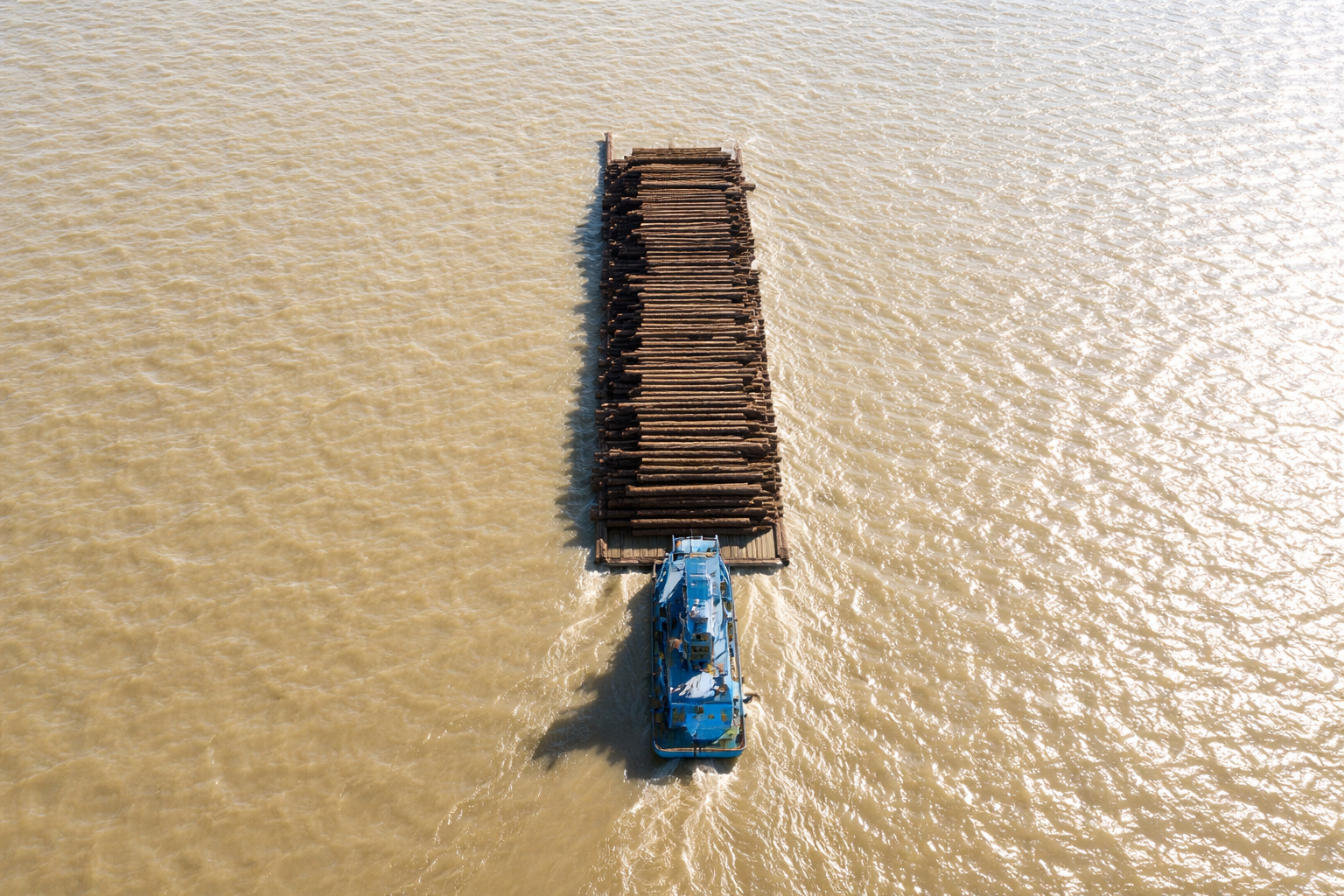
Billion-dollar investment for the forest: World Bank releases funds to expand renewable energy and create thousands of new green jobs in the Amazon region.
-
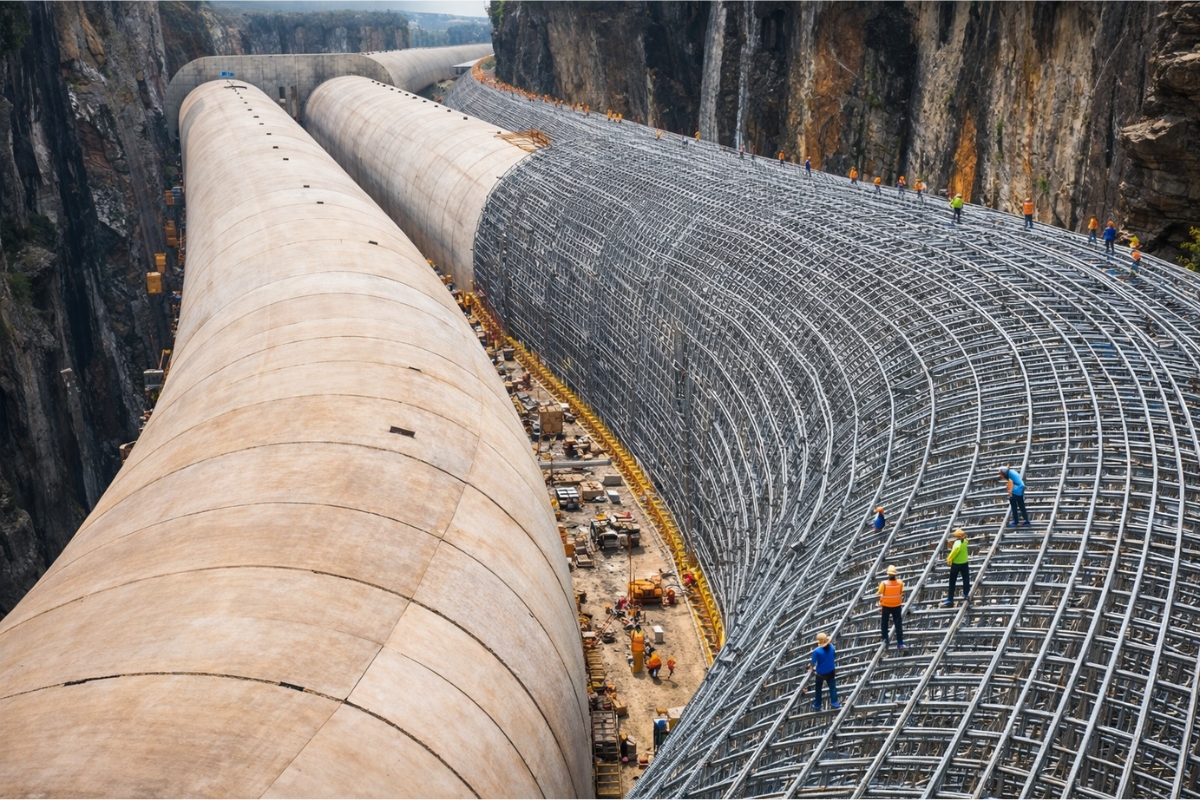
Switzerland invested over $2.3 billion and bet on water, altitude, and solid rock to create a battery in the Alps capable of powering more than 1 million homes.
-
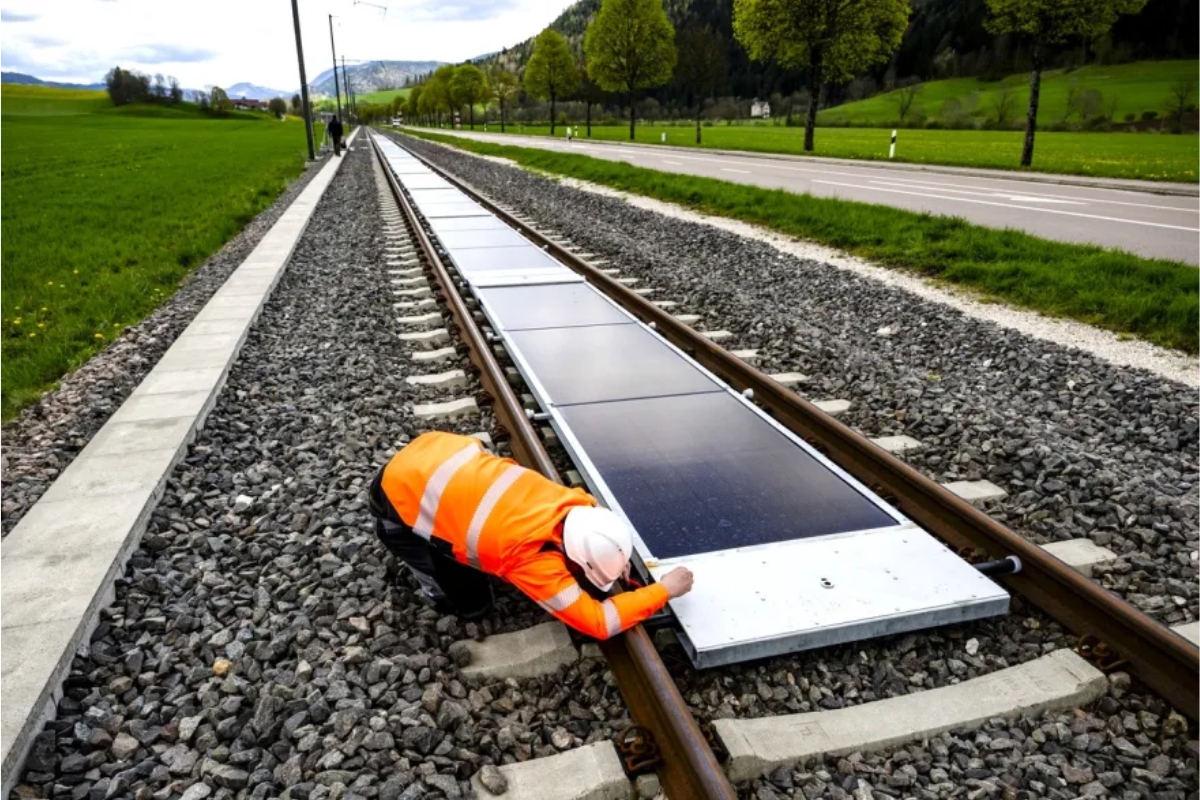
In Switzerland, tracks that previously only accommodated trains are beginning to generate electricity with removable solar panels installed on active railways, paving the way to transform the railway network into a new front for clean energy.

This synergy promises to inject billions of dollars into the Brazilian economy, generating skilled jobs in states like Ceará, Pernambuco, and Rio Grande do Norte, which are already developing hydrogen hubs.
The Japanese strategy focuses on replacing coal and natural gas in its thermal and steel plants, transforming Brazil into a “safe harbor” for the energy security of the world’s third-largest economy.
The energy transition strategy and decarbonization in Japan
Decarbonization in Japan requires a complete transformation of its electricity matrix, which still heavily relies on imported fossil sources after the Fukushima accident. The Japanese government launched the “Green Growth Strategy,” a plan that envisions massive investments in 14 priority industrial sectors.
For Japan, decarbonization is not just an environmental issue, but an economic survival necessity. The country needs energy sources that do not emit greenhouse gases but have the same stability and energy density as traditional fuels.
In this scenario, green ammonia and hydrogen emerge as the key pieces of the Japanese puzzle. Japanese thermal plants are already testing co-firing of coal with ammonia, drastically reducing CO2 emissions without the need to discard existing facilities.
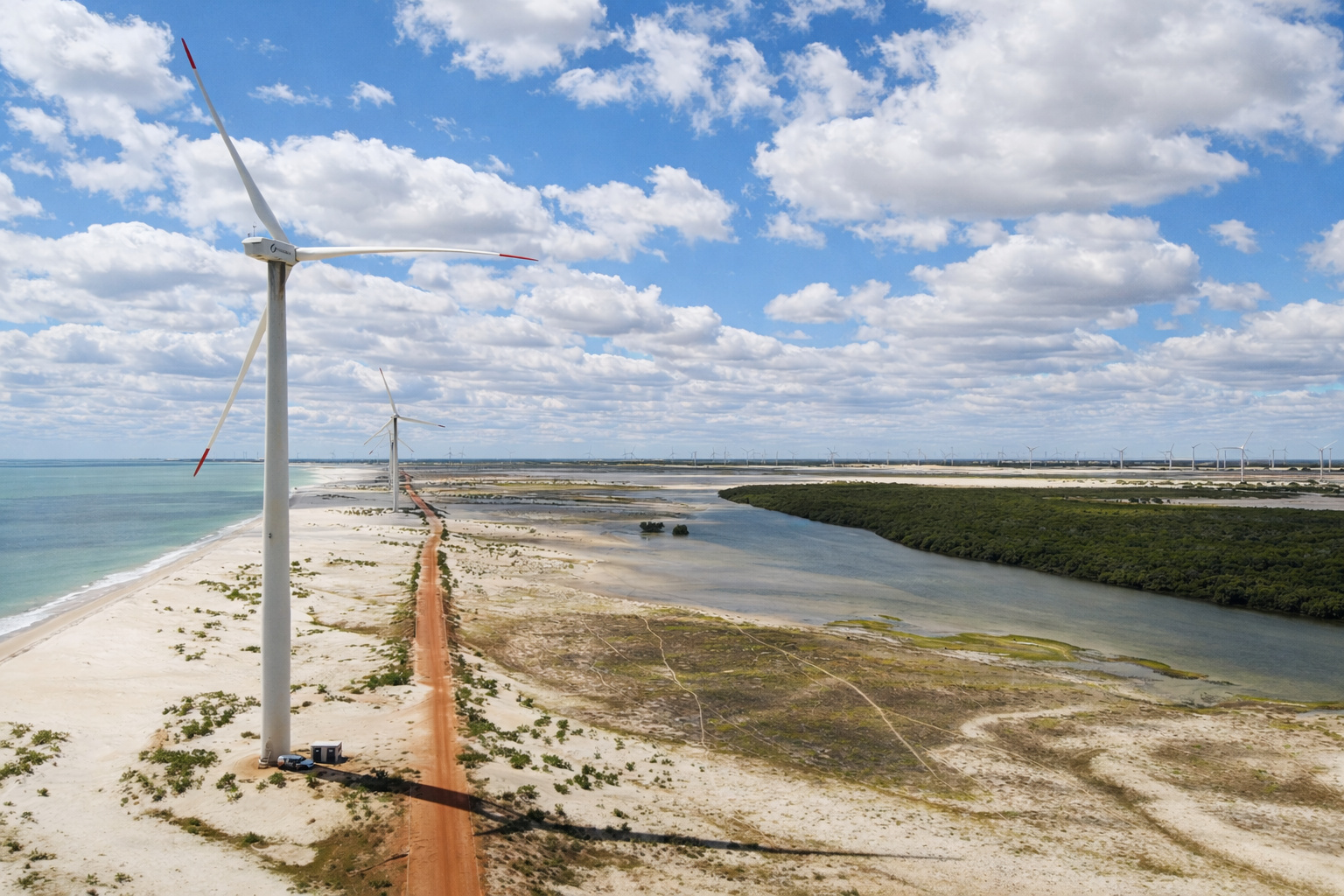
As Japan cannot produce all the necessary hydrogen domestically, it seeks countries with high solar incidence and constant winds. Brazil fits this profile perfectly, offering legal stability and an electricity matrix that is already 80% renewable, ensuring the “green certification” required by strict Japanese standards.
Why Brazil is the ideal partner for the Japanese market?
The Japanese interest in Brazil’s potential goes beyond the simple purchase of commodities. Decarbonization in Japan requires partners with industrial scale and efficient logistics.
Brazil holds one of the largest freshwater reserves in the world and a wind and solar generation capacity that often exceeds its internal demand. This surplus energy can be converted, through electrolysis, into green hydrogen for export.

Japanese companies such as Mitsui, Mitsubishi, and Sumitomo already have a solid presence in Brazil and know the local market. They are now directing their investments towards infrastructure projects that connect the interior of the country to export terminals.
The Port of Pecém, in Ceará, for example, has already signed several memorandums of understanding with international groups for hydrogen production. Japan sees Brazil as a safe alternative to reduce its dependence on energy sources from conflict regions or areas with geopolitical instability.
The impact on the Brazilian industry and the creation of green jobs
The demand generated by decarbonization in Japan acts as an engine for industrialization in Brazil. It is not just about exporting gas; the strategic goal includes the production of green fertilizers and low-emission steel on Brazilian soil.
By using green hydrogen domestically before export, Brazil adds value to its products and creates a high-tech production chain. This requires training thousands of technicians in electrolyzers, chemical engineers, and specialists in cryogenic logistics.
The creation of these “green jobs” revitalizes sectors of national engineering and attracts research and development centers of Japanese companies to Brazil. Technical cooperation allows Brazilian universities to develop patents in conjunction with researchers from Tokyo, accelerating innovation in fuel cells and ammonia-powered engines.
This knowledge exchange strengthens Brazil’s position not only as an energy exporter but as a developer of sustainable solutions for the world.
Logistical challenges and long-distance hydrogen transport
Despite the optimism, the geographical distance between Brazil and Japan imposes logistical challenges that decarbonization strategies in Japan need to overcome. Gaseous hydrogen occupies a large volume, making its transport on ships inefficient.

The solution lies in converting hydrogen into liquid ammonia or liquid organic hydrogen carriers (LOHC), which are easier to handle and transport in tankers similar to those used for LPG.
Japan leads the development of methane carriers adapted for transporting liquid hydrogen. Recently, the ship Suiso Frontier made its first international trip transporting hydrogen, proving that the technology is viable.
For Brazil, this means the need to adapt its ports with high-tech cooling and storage terminals. Investment in modern port infrastructure ensures that Brazilian products reach the Asian market at competitive prices, even crossing two oceans.
The role of Brazilian agriculture in the Japanese bioeconomy
Decarbonization in Japan also opens doors for Brazilian agribusiness through advanced biofuels. Japan has strict targets for decarbonizing the aviation sector (SAF – Sustainable Aviation Fuel) and maritime transport.
Brazilian ethanol and second-generation biodiesel serve as raw materials for the production of these sustainable fuels. Brazil’s sugar and alcohol sector is already preparing to supply record volumes of ethanol for the production of aviation bio-kerosene on Japanese soil.
Furthermore, the production of low-carbon footprint food becomes a competitive differential in the Japanese market. Consumers and companies in Japan demand traceability and environmental certifications.
The Brazilian farmer who adopts direct planting techniques and integrated crop-livestock-forest systems (ILPF) ensures access to a premium market that pays more for sustainable products. Thus, the Japanese energy transition drives a positive transformation across the Brazilian countryside.
Financing and direct investments from Japan in Brazil
The flow of capital to enable decarbonization targets in Japan relies on support from development banks such as JBIC (Japan Bank for International Cooperation). This bank offers special credit lines for green infrastructure projects abroad, as long as they ensure resource supply for Japan.

The Brazilian government works together with these institutions to reduce the cost of capital and attract private investors to transmission auctions and renewable generation projects.
Public-private partnerships (PPPs) emerge as the ideal tool to build “hydrogen highways” in Brazil. These foreign direct investments strengthen the real and stabilize the national economy, creating a virtuous cycle of growth.
Japan, known for its long-term investments and loyalty to partners, thus offers the stability that the Brazilian energy sector needs to undertake large engineering projects that take years to complete.
The future of technological cooperation between Brazil and Japan
Looking towards 2030 and beyond, decarbonization in Japan will serve as a laboratory for the rest of the world. By actively participating in this process, Brazil positions itself at the forefront of the low-carbon economy.
Japanese semiconductor and robotics technology can be applied to increase the efficiency of Brazilian solar plants, while Brazil provides the energy that powers factories of Toyota, Honda, and Panasonic.
This bilateral exchange creates a positive mutual dependency. Japan gains energy security, and Brazil gains industrial modernization. The “strategic opportunity” mentioned by experts is not fleeting; it is a reconfiguration of the global energy geopolitics, where countries holding renewable resources begin to play the role that oil producers held in the 20th century.
Brazil and Japan united by zero carbon
The advancement of decarbonization in Japan represents one of the most promising moments for diplomatic and commercial relations between the two countries. Brazil has the sun and the wind, while Japan has the technology and the need for consumption.
Bringing these two poles together creates a global solution to the climate crisis and generates real wealth for the Brazilian population. The path to a sustainable future necessarily passes through this transpacific bridge of innovation and clean energy.
The success of this partnership depends on the continuity of renewable incentives in Brazil and the agility in regulating the green hydrogen market. With the right investments and a focus on exporting added value, Brazil will cease to be merely the “breadbasket of the world” to also become the “green fuel station” of the planet.
The partnership with Japan is the first major step on this journey towards a decarbonized and prosperous global economy for all.




Seja o primeiro a reagir!