





 Portuguese
  English
  Spanish
 6 min of reading
  0 comments


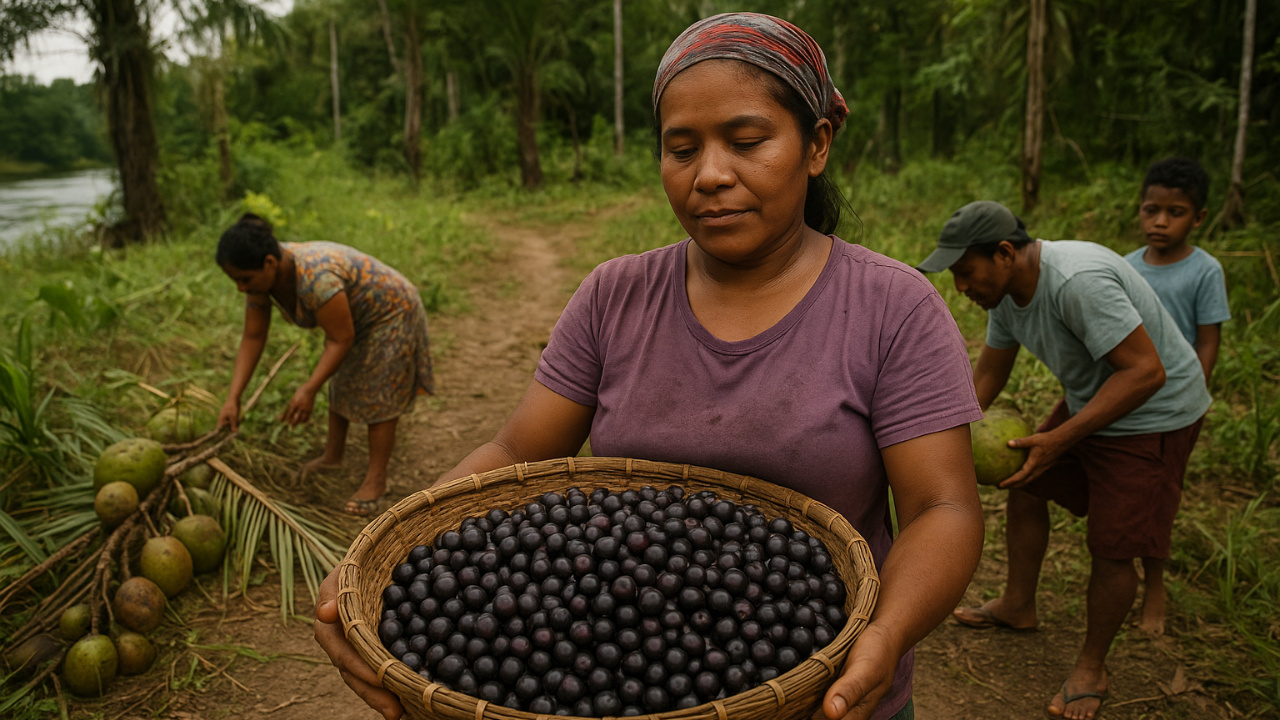
During the Varanda da Amazônia Forum in Belém, experts highlighted that the biofuels derived from açaí, babaçu, and palm oil can replace oil in Brazil’s energy matrix. Lack of energy, bureaucracy, and regulatory hurdles still limit the advancement of this sustainable solution.
As Brazil prepares to host the COP30 in Belém, the debate about the role of the Amazon in the energy transition is taking on new proportions, as reported this Wednesday, 08. Experts, authorities, and environmental leaders gathered at the Varanda da Amazônia Forum, an event envisioned by singer Fafá de Belém, to discuss an urgent issue: how to reconcile economic development with forest preservation.
The central point of the discussions was clear — the Amazon can be a protagonist of a new economy based on biofuels, without depending on oil exploitation. “The future of the Amazon is not in oil, but in a regional development plan with standing forests and a low-carbon economy,” stated Suely Araújo, coordinator of public policies at the Observatory of Climate.
The event takes place at a strategic moment, as Ibama analyzes the environmental licensing for the Equatorial Margin, a region considered promising for oil exploration by Petrobras. The decision, which is expected to be announced before COP30, divides opinions and symbolizes Brazil’s dilemma between the advancement of fossil fuels and investing in renewable sources.
-
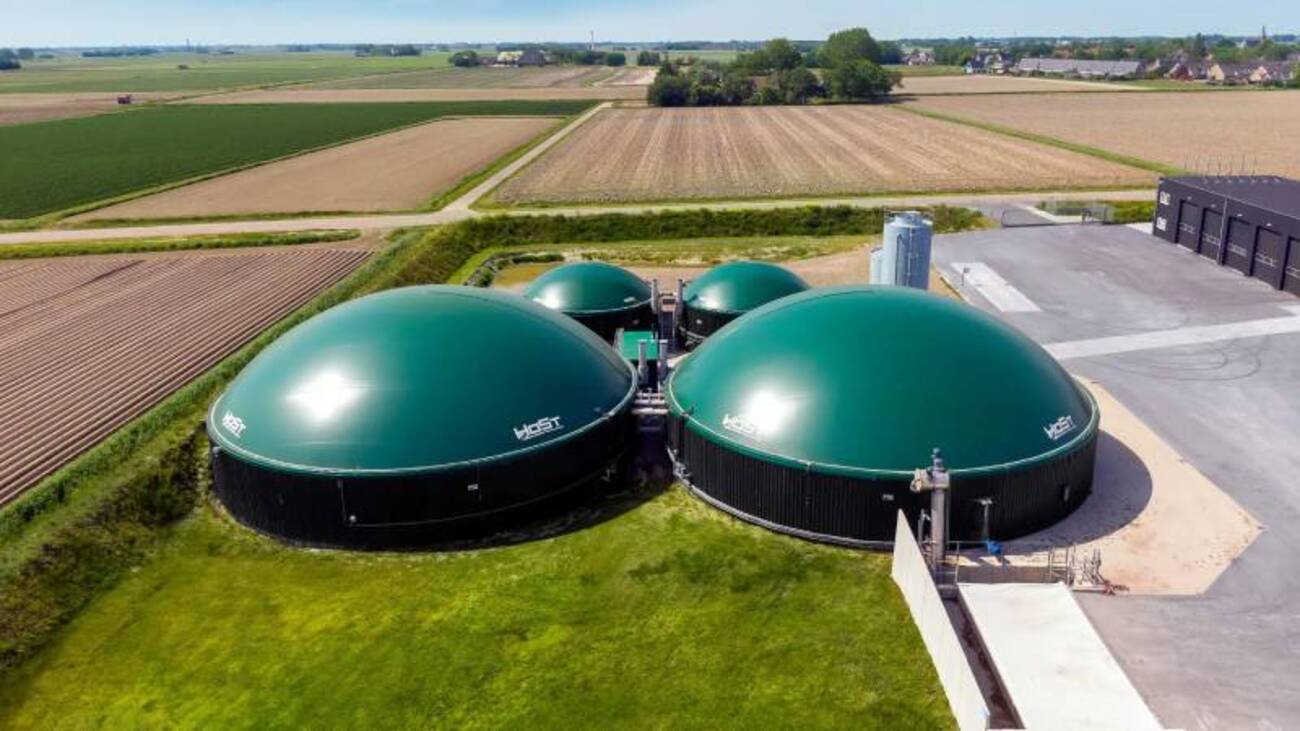
Revolution in the sugar-energy sector: Government sets new target for biomethane and paves the way for ethanol plants to profit from the conversion of waste into renewable fuel.
-
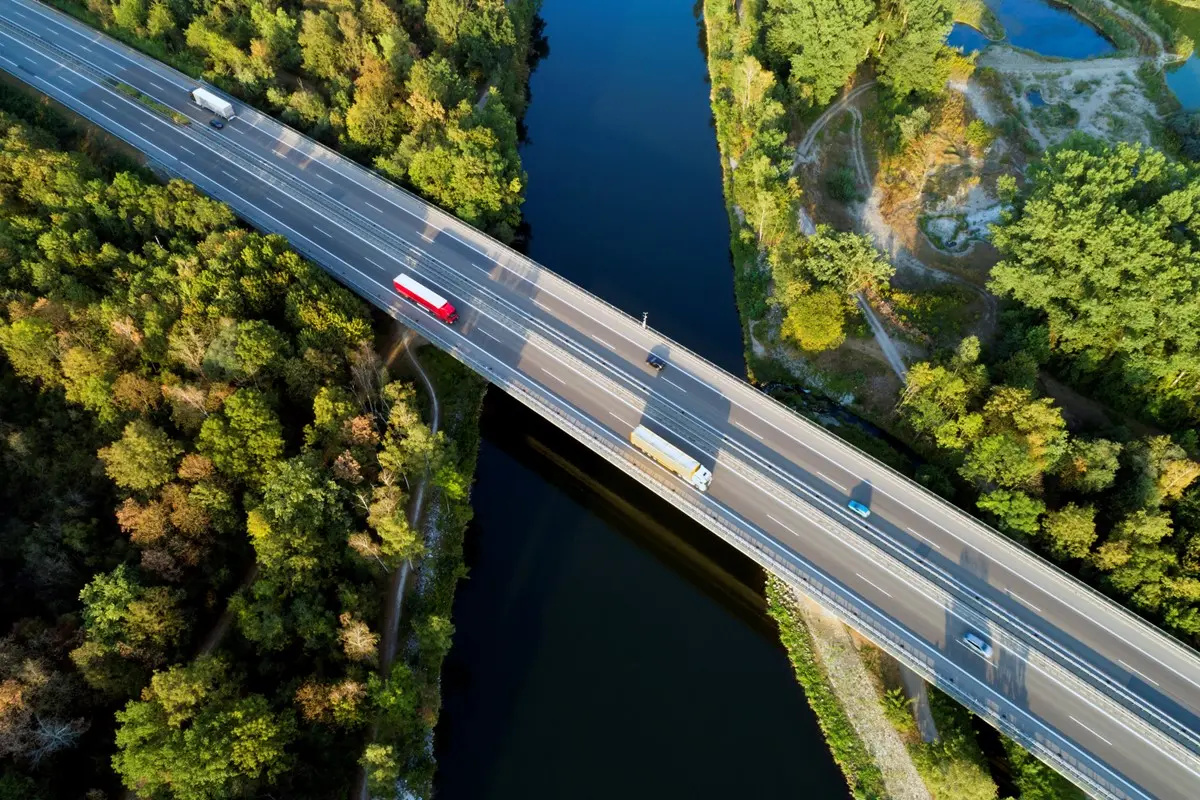
Brazil bets on biomethane, ethanol, and hydrogen as the definitive solutions for the decarbonization of heavy vehicles and the reduction of emissions in cargo transportation.
-
The biodiesel industry is pressuring the government for a simplified test to increase the blend with diesel and highlights the potential to attract investments, accelerate production, and consolidate Brazil’s leadership in biofuels.

-
Brazil accelerates hydrogen and biofuel projects to consolidate the fuel of the future and reduce dependence on oil by 2026.
Biofuels: Energy and Social Potential of the Amazon Forest
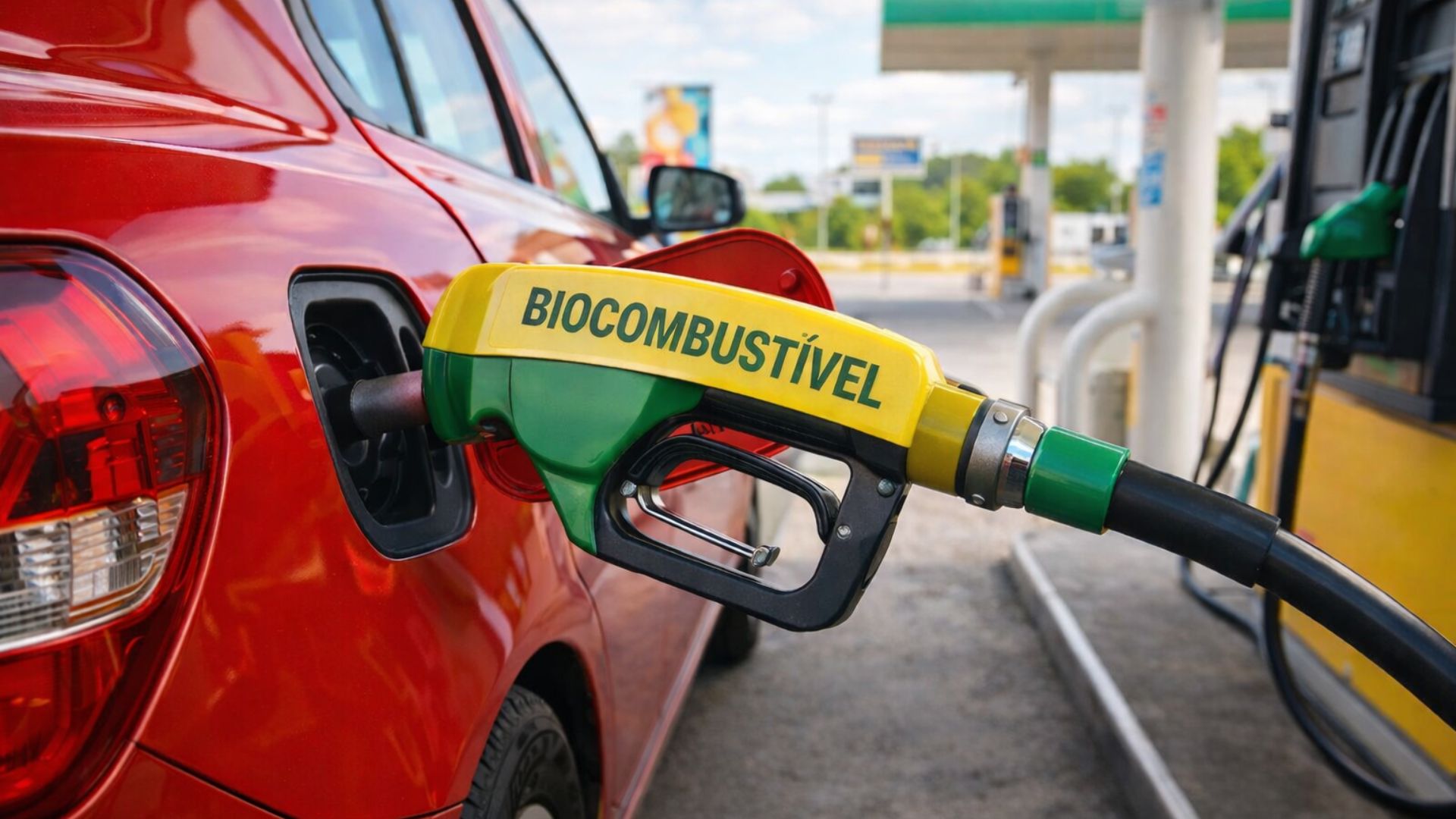
Experts state that açaí, babaçu, and palm oil are not just symbols of Pará’s culture — they are also promising sources of clean energy. These products from the Amazonian sociobiodiversity can generate biofuels capable of gradually replacing diesel and gasoline.
The technology to convert vegetable oils and organic waste into energy already exists, and the country has experience with ethanol and biodiesel. The problem, according to environmentalist André Guimarães, executive director of the Amazon Environmental Research Institute (IPAM), lies in the lack of political decision. “Can we not produce enough biofuel to replace diesel? We have ethanol technology to replace gasoline, the condition for biodiesel, and its modern cousin, HVO. We already have three or four alternatives for sustainable aviation fuel,” he stated.
Guimarães advocates that Brazil should use its natural resources strategically and sustainably. “Could we think of an alternative to generate royalties that are fair and sustainable for developing the region? Royalties through an alternative other than oil exploitation?” he questioned.
Oil Is Still an Economic Force, but Transition Is Necessary
Currently, Brazil is the 8th largest oil producer in the world, with 4.5 million barrels per day. More than half of this production is exported. However, the growth of the sector contrasts with international climate goals and the need to decarbonize the economy.
For Suely Araújo, continuing to invest in new oil frontiers is incompatible with the global climate scenario. “The only way out is to have a serious decarbonization and emission reduction schedule. It is impossible to reconcile energy transition with oil production,” she warned.
The Observatory of Climate advocates for a replanning of Petrobras, with an estimated investment of US$ 111 billion directed towards incorporating clean technologies and gradually reducing dependence on fossil fuels. “I’m not talking about stopping production tomorrow, but making a plan focused on gradual reduction. Petrobras invests in renewables, but it’s still very little compared to investments in fossil fuels,” Suely emphasized.
Despite the intense debate about oil, experts claim that the energy transition in the Amazon should prioritize the social aspect. Eliana Cabeza, an employee of the State Regulation Agency of Pará (Arcon), argues that it is possible to “develop without destroying.” For her, biofuels represent a clean solution, capable of generating income and including traditional peoples in the green economy.
“A sustainable decision in the Amazon can be a clean and viable alternative that involves traditional peoples in production and does not affect biodiversity,” Cabeza argued. She stresses, however, that the challenges go beyond technology — they include bureaucracy, regulation, and the lack of energy in producing regions.
Bureaucracy and Energy: The Main Bottlenecks for Biofuels
The so-called Future Fuel Law, enacted in 2024, establishes decarbonization targets and mandates that producers and importers of natural gas begin to inject biofuels, such as biomethane, into distribution networks. However, in practice, the legislation still faces regulatory hurdles.
In Pará, the Barcarena pipeline could receive biofuels produced locally, but the lack of clear regulation prevents the direct use of the existing infrastructure. “There is a significant specificity in how to proceed, as the regulator is the National Petroleum Agency (ANP),” explained Eliana Cabeza.
The executive advocates for greater coordination between federal and state governments, so that the transportation and commercialization of these biofuels do not become economically unviable. “We need to ensure that the transportation of this biofuel does not become costly due to distance and is feasible,” she added.
In addition to regulation, there is a serious structural problem: the lack of electricity in the producing regions themselves. Paradoxically, Amazonian communities that produce raw materials for biofuels still depend on diesel-powered thermoelectric plants, responsible for consuming 1.4 billion liters of fossil fuel per year.
Amazon: Infrastructure Challenges and Transition Opportunities
For Rodolpho Zahluth from the Environmental Secretariat of Pará, the absence of energy hinders the full development of bioeconomy production chains. “The fisherman still talks about an ice factory; there is no electricity to power the freezer. How can we have a consistent bioeconomy chain if there is no energy to generate this product?” he questioned.
According to Zahluth, the energy transition in the Amazon should not be limited to replacing oil with biofuels but should include public policies that guarantee access to clean energy and productive infrastructure for communities.
This lack of structure also affects the processing of açaí and other forest products, preventing Pará from fully exploring its sustainable energy and economic potential.
Equatorial Margin: The Impasse Between Oil and the Environment
Block 59, located in the Amapá Basin, symbolizes this impasse. The Petrobras project seeks authorization from Ibama to begin exploratory drilling and verify the existence of oil in the region. Environmentalists claim that should the block be approved, it will set a precedent for other authorizations.
According to estimates, between drilling and production, it would take six to ten years before commercial operations begin. Even so, the topic stirs controversy, given that global oil demand is expected to start falling after 2030, making the exploration of new frontiers even more contentious.
Although oil accounts for just 0.5% of Brazil’s emissions, environmental organizations argue that expanding fossil fuel production contradicts the climate commitments made by the country.
Historic Opportunity for Brazil and Pará
The president of the Federation of Industries of the State of Pará (Fiepa), Alex Carvalho, believes that Brazil can balance development and sustainability. For him, it is not necessary to choose between oil and biofuels, but to find a transition model that guarantees jobs and economic growth.
According to Carvalho, the exploration of Block 59 could generate 52,000 new jobs and inject R$ 2.7 billion into the Pará economy. “It’s not about one or the other. We need to have an effective planning for the transition and for Brazil to be a pioneer in biofuels. This does not exclude other alternatives,” he argued.
However, he also acknowledges the complexity of the Amazonian challenge. “Brazil is very complex, just like the Amazon. We have the opportunity for transition, but we need to be grounded to use these reserves with social and environmental responsibility,” he concluded.
The COP30, which will take place between November 10 and 21, promises to be the stage where the clash between biofuels and oil will intensify — and where Brazil can demonstrate, concretely, which path it will choose for the future of the Amazon and the planet.





Seja o primeiro a reagir!