





 English
  Francês
  Alemão
  Italiano
  Japonês
  Norueguês
  Portuguese
  Spanish
 2 min of reading


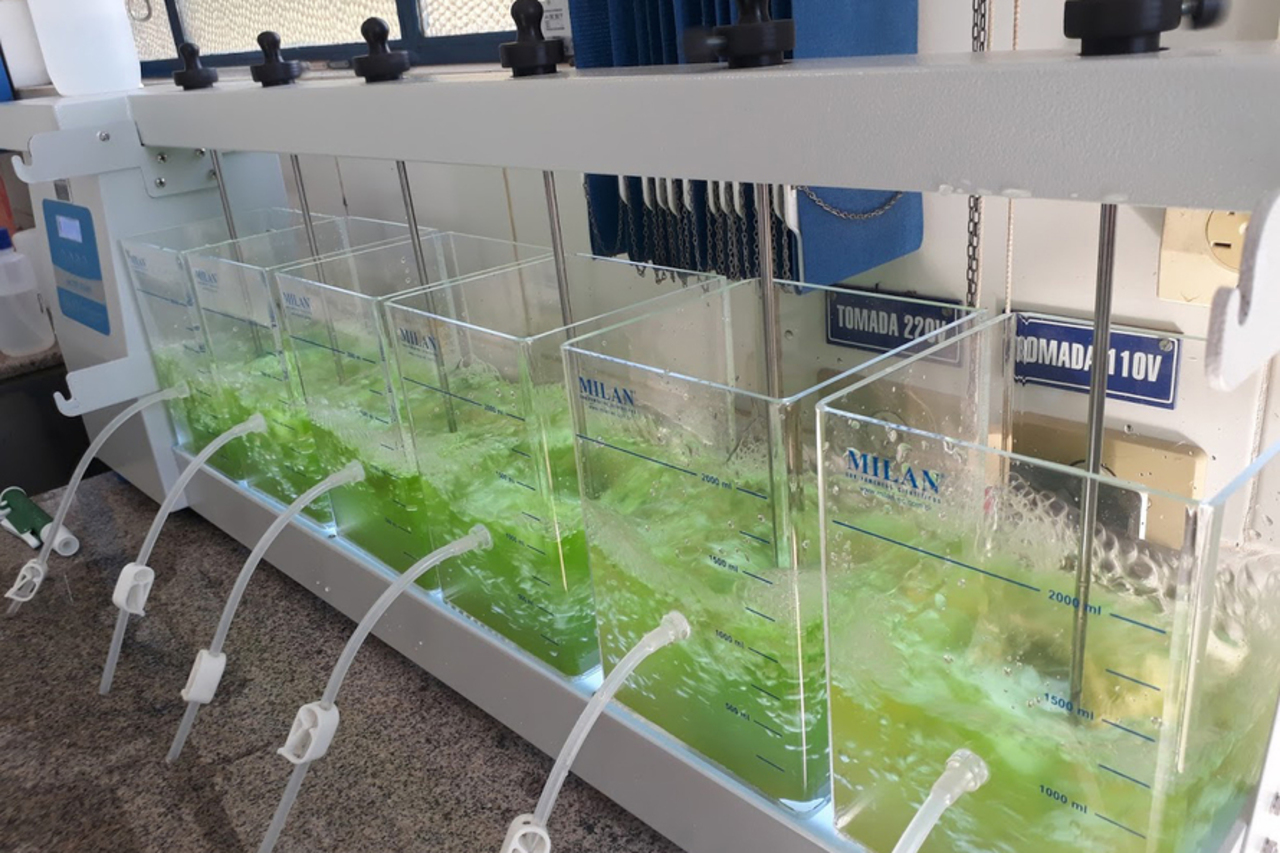
Located in Paraná, the Water and Sewage Company of Paraná (AGEPAR) had its name changed to the Sanitation Company of Paraná (Sanepar) on June 19, 1964, and currently aims to produce biofuel – ethanol from sewage waste.
Sanepar obtained a patent for the production of biofuel (Ethanol) as a result of the sewage treatment process. The title was claimed by Sanepar in partnership with Unicentro. This new technology, based on waste for the production of biofuel (Ethanol), was registered with the INPI – National Institute of Industrial Property, which utilizes algae from anaerobic lagoons found in sewage treatment stations to produce 3rd generation Ethanol. The research began with biologist Márcia Guareski, who works at Sanepar in Guarapuava, Paraná.
Also Read
Production of Biofuel (Ethanol) from Sewage Stations and UASB
During the research, waste from the sewage treatment lagoons in the city of Nova Laranjeiras and from the UASB Anaerobic Reactor at the Sewage Treatment Station of Vassoural in Guarapuava, Paraná, was used. The purpose of this study was to give a purpose to the algae that reproduced in the anaerobic treatment lagoons and needed to be removed in order to reduce the organic load and color of the effluent.
Analyzing some parameters, such as the biomass hydrolysis time, the volume produced per ton of dry algae, and alcohol content, and comparing it with the ethanol production obtained from sugarcane, the studies indicated that the sewage processing is of utmost importance in the generation of biofuel (ethanol).
-
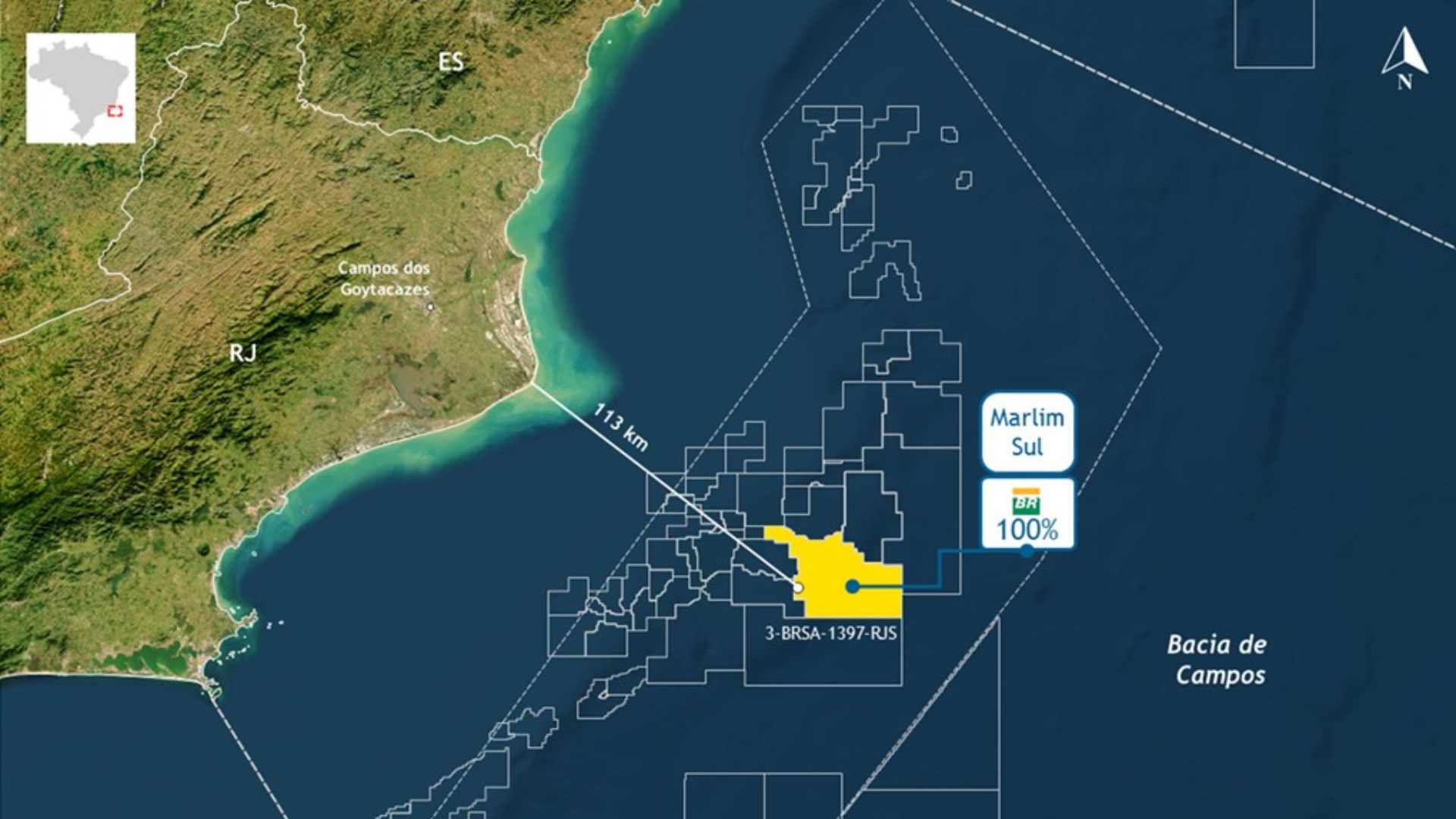
Brazilian giant expands borders in the Southeast: Petrobras confirms new oil discovery in ultra-deep waters in the pre-salt of the Campos Basin.

-
Alert in the global energy market: Severe tropical cyclone hits the coast and disrupts gas production at major plants in Australia, threatening global supply.

-
Petrobras finds high-quality oil in the pre-salt at 113 km from RJ and reignites expectations about strategic reserves in the Campos Basin.

-
Ocyan opens registrations for startups focused on innovation in the oil and gas sector and will select projects for Innovation Day with the support of Nexio.


Biofuel: Bioethanol Has 3 Classifications, According to Raw Material
As far as is known, based on studies conducted with biofuel, bioethanol has been classified into 3 classes: 1st, 2nd, and 3rd generation, according to the raw material that originated it. The production of ethanol from sugarcane, wheat, corn, etc., is from the first generation, with a relatively simple process already implemented in industries.







Seja o primeiro a reagir!