





 Portuguese
  English
  Spanish
  3 min of reading


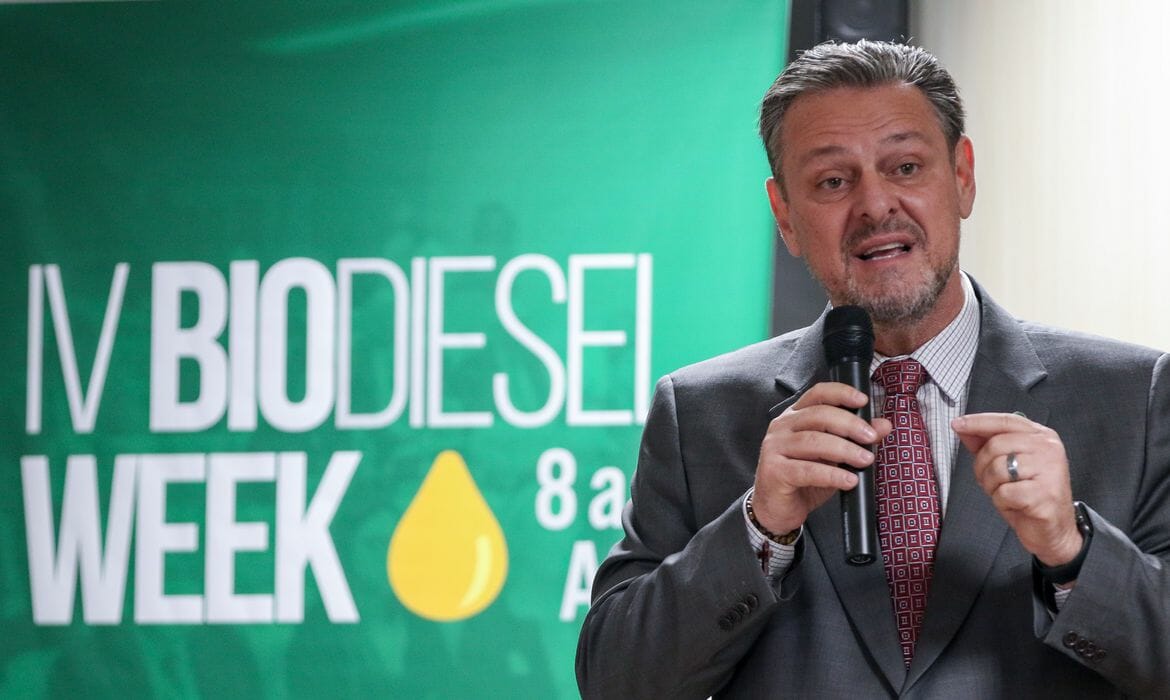
The Expectation Is That Increasing the Biodiesel Blend Will Have Positive Impacts on the Economy, Fostering Local Biofuel Production and Reducing Dependence on Fossil Fuels.
In an effort to boost the production and consumption of biofuels in the country and strengthen environmental sustainability, Agriculture Minister Carlos Fávaro made an emphatic call for the regulation of increasing the biodiesel blend with fossil diesel, raising it to up to 20%. Currently, the biodiesel proportion in diesel is 12%, with a plan to escalate to 15% by 2026, the maximum limit established by legislation.
See a Little of What Happened at the IV Biodiesel Week


Including Biodiesel in the Future Fuel Bill Is Essential, Says the Minister
Fávaro emphasized that the government is firmly committed to strengthening the biofuel chain, recognizing its crucial role in the pursuit of cleaner energy and in reducing carbon emissions.
During the opening of the IV Biodiesel Week, an event organized by the Brazilian Union of Biodiesel and Biojet Fuel (Ubrabio), the minister highlighted the importance of stimulating industry and the industrial capacity to realize this increase in the proportion of biodiesel in diesel.
-
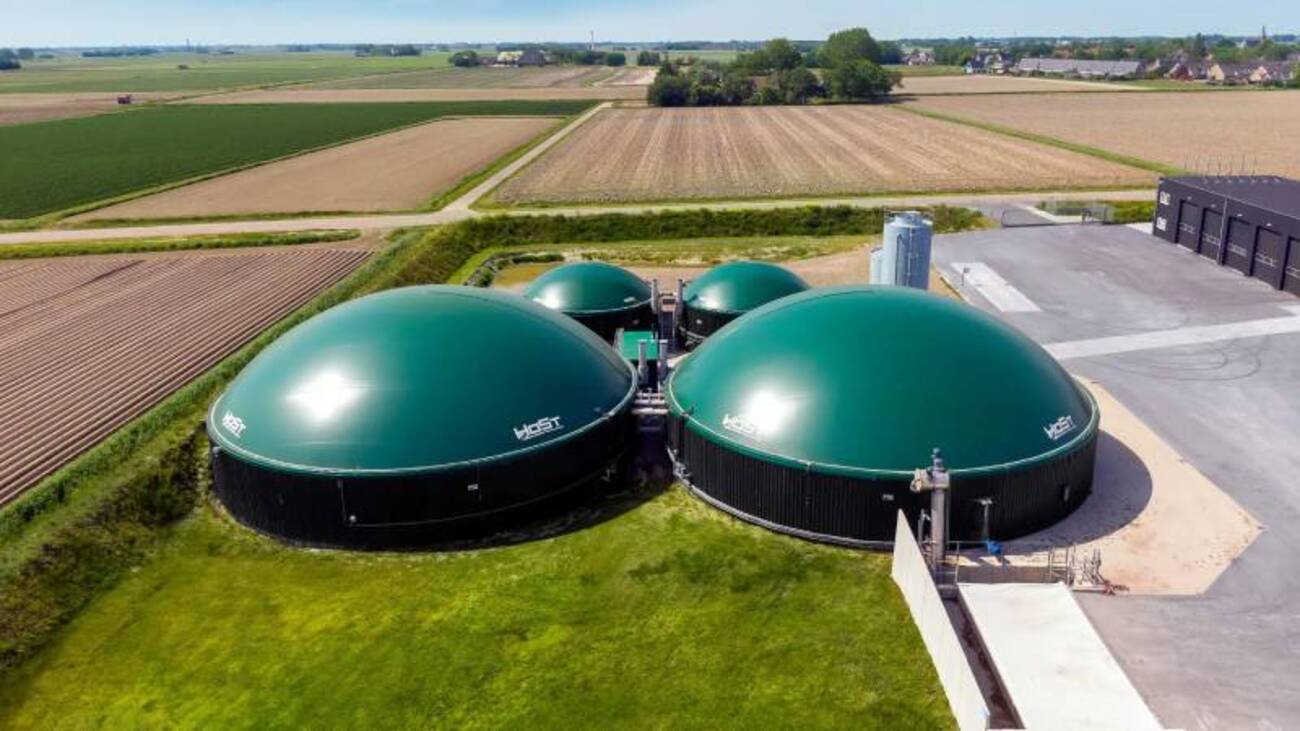
Revolution in the sugar-energy sector: Government sets new target for biomethane and paves the way for ethanol plants to profit from the conversion of waste into renewable fuel.
-
How green infrastructure and renewable energy at the World Cup transform the logistics of the largest sporting event on the planet in North America.

-
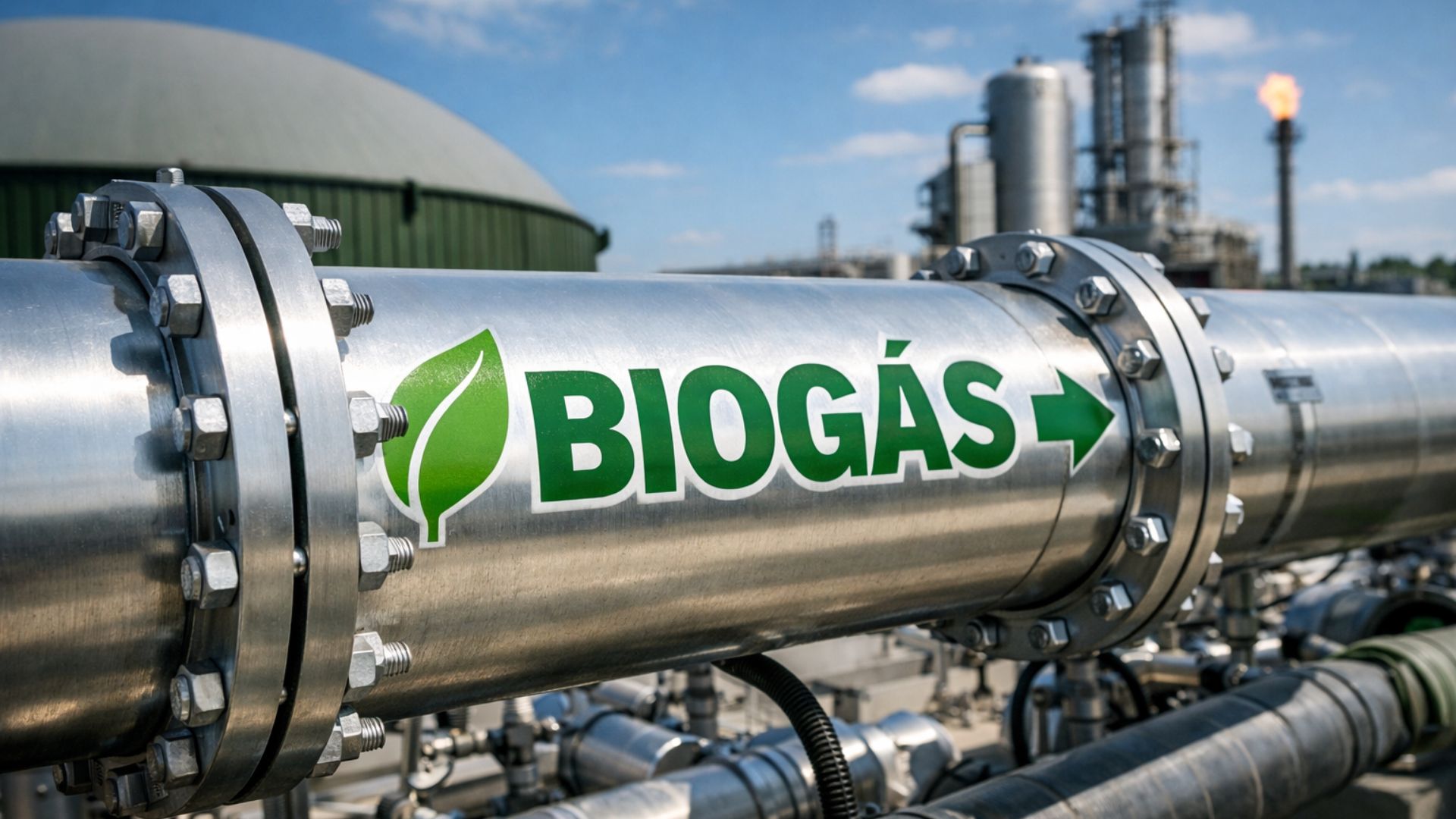
The Cagece and UFC project advances in sustainable innovation with biogas by converting waste into renewable energy, reducing environmental impacts, and increasing sanitation efficiency with concrete and measurable results.
-
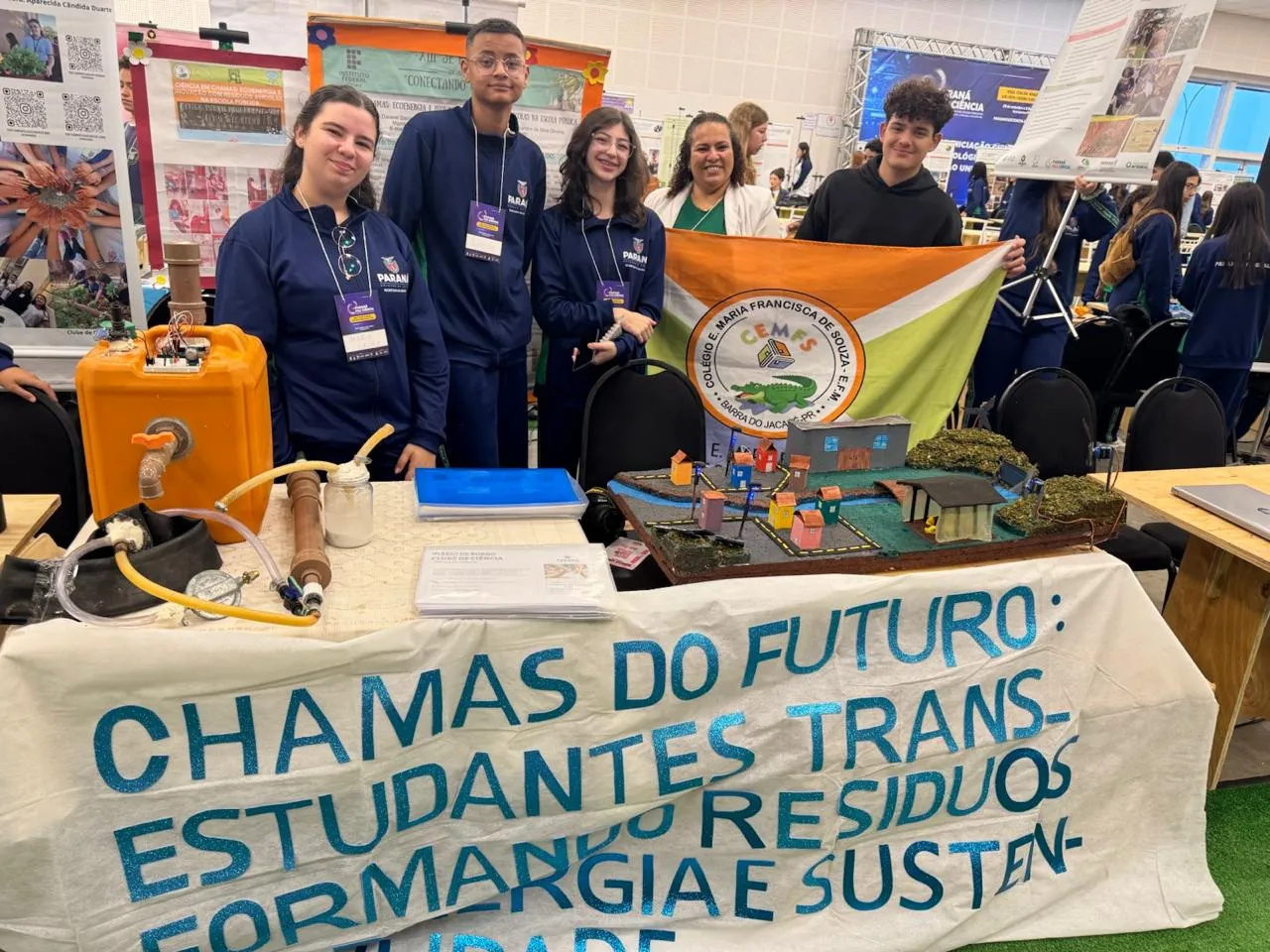
Paranaense students develop a system that transforms farm waste into clean energy and revolutionizes sustainable agribusiness.
The minister’s suggestion also involves incorporating biodiesel into the Future Fuel Bill, a legislative initiative aimed at encouraging research, production, and consumption of clean energy sources in Brazil.
Fávaro noted that there are technical foundations that guarantee the quality of biodiesel, even with larger additions to the blend, but lamented the existence of prejudices regarding the product.
“There is room, and it is essential to discuss the possibility of increasing the blend to up to 20%”, Fávaro stated, highlighting that this increase would be a testament to the Brazilian government’s commitment to global sustainability.
At a time when the world is directing its efforts towards reducing CO2 emissions and pollution, biodiesel would emerge as a key component in this process.
Industry and Production Capacity Are Key Points to Achieving the 20% Biodiesel Blend Target
The minister also addressed the possibility of bringing forward the target to reach B15, the blend of 15% biodiesel with fossil diesel.
He stated that the industry could influence this determination and that it might not be necessary to wait until 2026 to reach this mark.
However, he emphasized the importance of regulating the B20 blend, which represents an even higher level of biodiesel in the composition.
Fávaro criticized the previous government, accusing it of acting with “insensitivity” and harming the biodiesel production program in the country.
He stressed that the past intervention, which reduced or delayed the increase in the proportion of biofuels in diesel, was made under the pretext of avoiding a negative impact on fuel prices for end consumers.
The minister warned of the need for a gradual increase in the blend to align with Brazil’s industrial capacity.
Fávaro highlighted that the entire system, from production to infrastructure, would need to be reevaluated and adapted to support these changes.
The transition would not only be about meeting targets but also ensuring effective and sustainable implementation.
Regarding the growing electric vehicle industry, Fávaro assured that biodiesel will continue to be a vocation for the country.
He dismissed any concerns that biodiesel could harm engines and emphasized the importance of overcoming ingrained prejudices regarding this biofuel.







Seja o primeiro a reagir!