





 Portuguese
  English
  Spanish
  4 min of reading
  0 comments


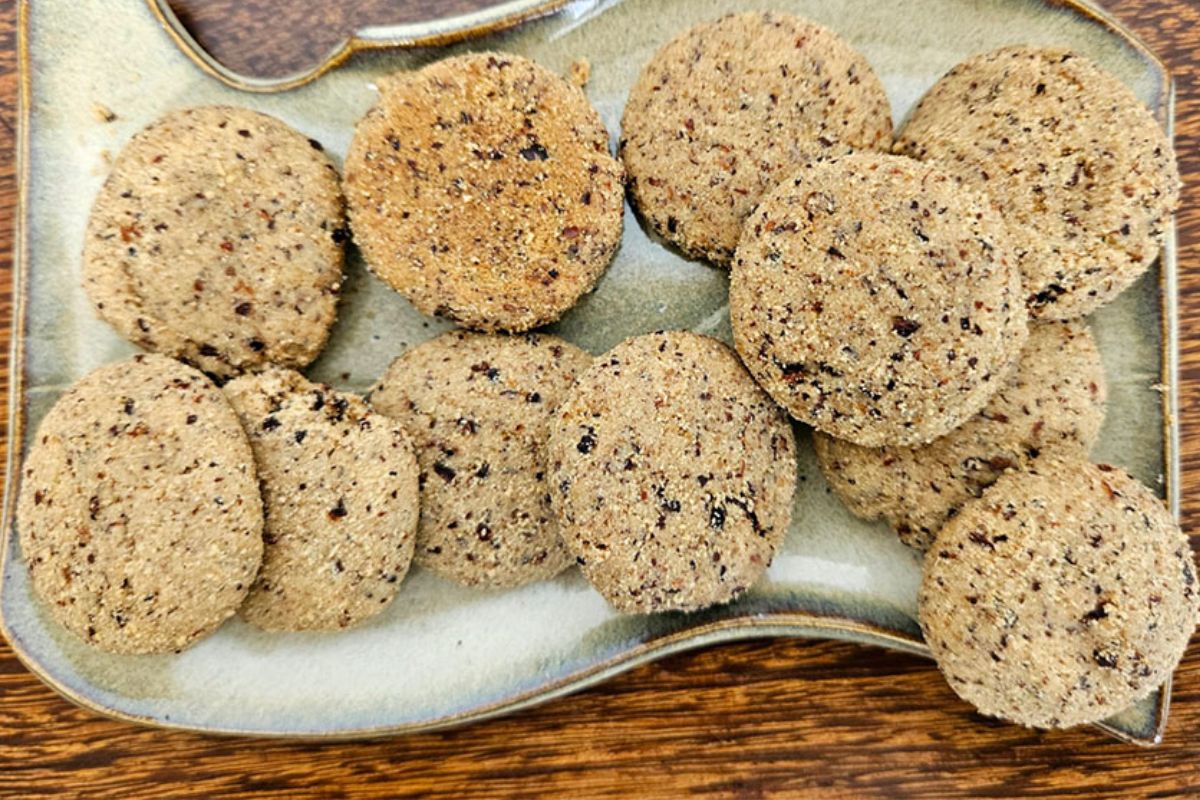
With Support from Embrapa and UnB, the Coffee Cookie Made with Husk Flour Values Amazon Robustas, Has Low Sugar Content, and Stimulates Sustainable Chains of Brazilian Family Farming
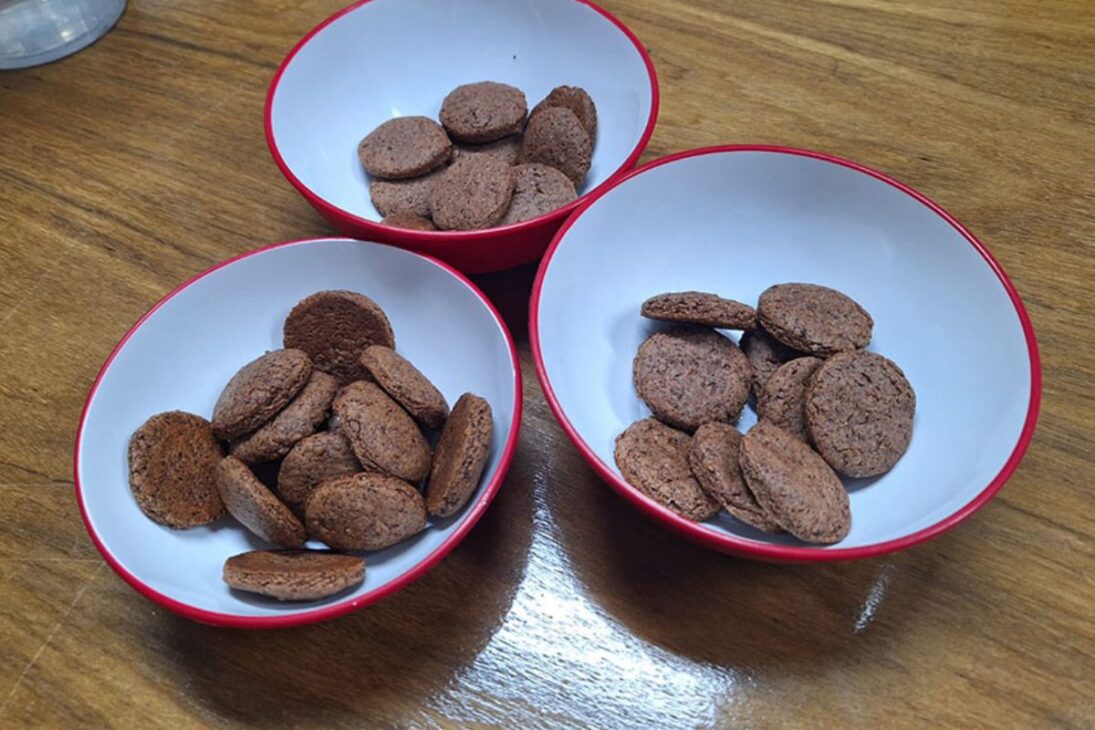
The coffee cookie developed by Embrapa Rondônia in partnership with the University of Brasília (UnB) is drawing attention for combining flavor, science, and sustainability, according to a report published.
The recipe, patented at the National Institute of Industrial Property (INPI) on September 4, uses 30% husk flour from Amazon Robusta coffee, replacing part of the traditional flour and offering a healthier and more sustainable alternative.
This innovation arises from the desire to value Amazon Robustas, cultivated by family farmers, Indigenous peoples, and traditional communities in the North region.
-
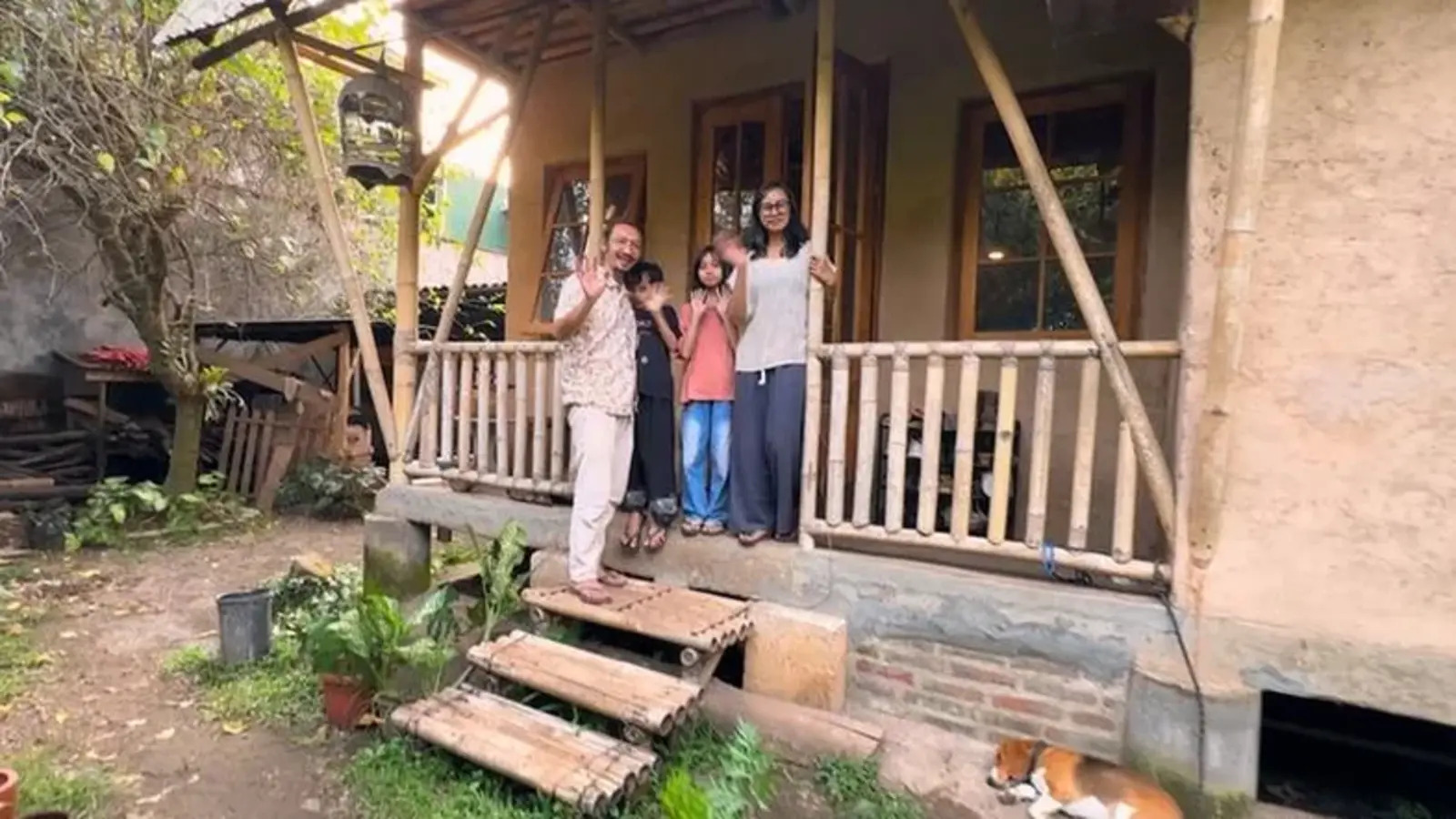
With earth, bamboo, straw, and lime mortar, a specialist builds a house for just over $460 and draws attention for its cost being much lower than traditional construction.
-
Rodrigo de Freitas Lagoon advances in environmental recovery with sanitation, elimination of irregular sewage, and the resumption of water sports in Rio de Janeiro.

-
Sustainable housing gains strength with a nationally awarded project in Campo Grande, highlighting innovative solutions that combine sustainability, urban integration, and efficiency in the use of natural resources.
-
City Where Residents Live Underground to Escape 52°C May Be a Picture of the Future on an Increasingly Hot Planet

With an official launch expected during the International Coffee Week in Belo Horizonte on November 6, the product will also be presented at COP30, reinforcing Brazil’s commitment to balanced nutrition and the circular economy.
Food Sustainability and Husk Utilization
The coffee cookie is the result of two years of scientific research conducted by Embrapa and UnB, aimed at transforming a previously discarded byproduct, the husk, into a noble and functional ingredient.
According to researcher Enrique Alves from Embrapa Rondônia, these husks from fine coffees, which score over 80 points according to the Specialty Coffee Association (SCA) criteria, have aroma, flavor, and nutritional content as rich as the beans themselves.
However, until recently, they were only used as fertilizer in Brazil.
The varieties of Amazon Robustas studied are part of the Geographical Indication (GI) Matas de Rondônia, the world’s first for Coffea canephora type coffees, granted by INPI in 2021.
This recognition is the result of decades of work by over 17,000 producing families in the region, who cultivate clones adapted to the Amazon Rainforest.
Rondônia’s production today reaches 55 bags per hectare, while technologically advanced properties surpass 200 bags, numbers well above the 10 bags per hectare from previous years, according to data from Conab and IBGE.
Research by Embrapa and UnB Reveals New Uses for Amazon Robustas
The tests conducted by food engineer Lívia de Oliveira’s team from UnB evaluated the husks from three types of processing: natural, washed, and self-induced anaerobic fermentation.
The results indicated that the natural husks had higher levels of phenolic compounds, flavonoids, and anthocyanins, as well as a sweet and caramelized aroma.
On the other hand, husks fermented for 4 to 20 days showed sensory balance and fruity and floral notes.
These discoveries allowed the creation of the ideal coffee cookie, featuring an unprecedented replacement of 30% of traditional flour.
The enhanced formulations with lecithin and polydextrose increased fiber content by up to 15 g per 100 g of product, reduced saturated fats by 45%, and lowered added sugars by 25%, maintaining compliance with ANVISA Resolution No. 429/2020.
In tests with over 250 consumers, the product fermented for 8 days received the best sensory acceptance, balancing sweetness and fruity aroma.
This period maintains the natural sugar of the pulp without excessive fermentation, ensuring a mild flavor and crunchy texture.
Family Farming and Circular Economy at the Center of Innovation
The launch of the coffee cookie during the International Coffee Week in November symbolizes progress in the integration of science and family farming.
During COP30, the product will be presented at the Cooking Show, a space for tasting and exchanging traditional knowledge within the Agrizone, Embrapa’s Sustainable Agriculture House, in partnership with the Ministry of Agrarian Development and Family Farming (MDA).
The creation of the cookie reinforces the value of Amazon Robustas, which have transitioned from an almost extractive culture to a modern and sustainable production system.
The use of the husk, previously underutilized, demonstrates the potential of the circular economy in coffee farming, generating income and reducing environmental impacts.
Embrapa and UnB also plan new research fronts for 2026, including the development of fermented beverages based on coffee husks, such as kombuchas and flavored infusions, as well as cosmetic applications for treating alopecia.
With support from farmers, scientists, and public institutions, the coffee cookie becomes a symbol of sustainable innovation, highlighting the role of the Amazon in the transition to healthier and more conscious food production.
It combines technology, tradition, and flavor in a single product and paves the way for new research and business opportunities that strengthen the Brazilian agribusiness with environmental and social responsibility.







Seja o primeiro a reagir!