





 Portuguese
  English
  Spanish
  4 min of reading
  1 comment


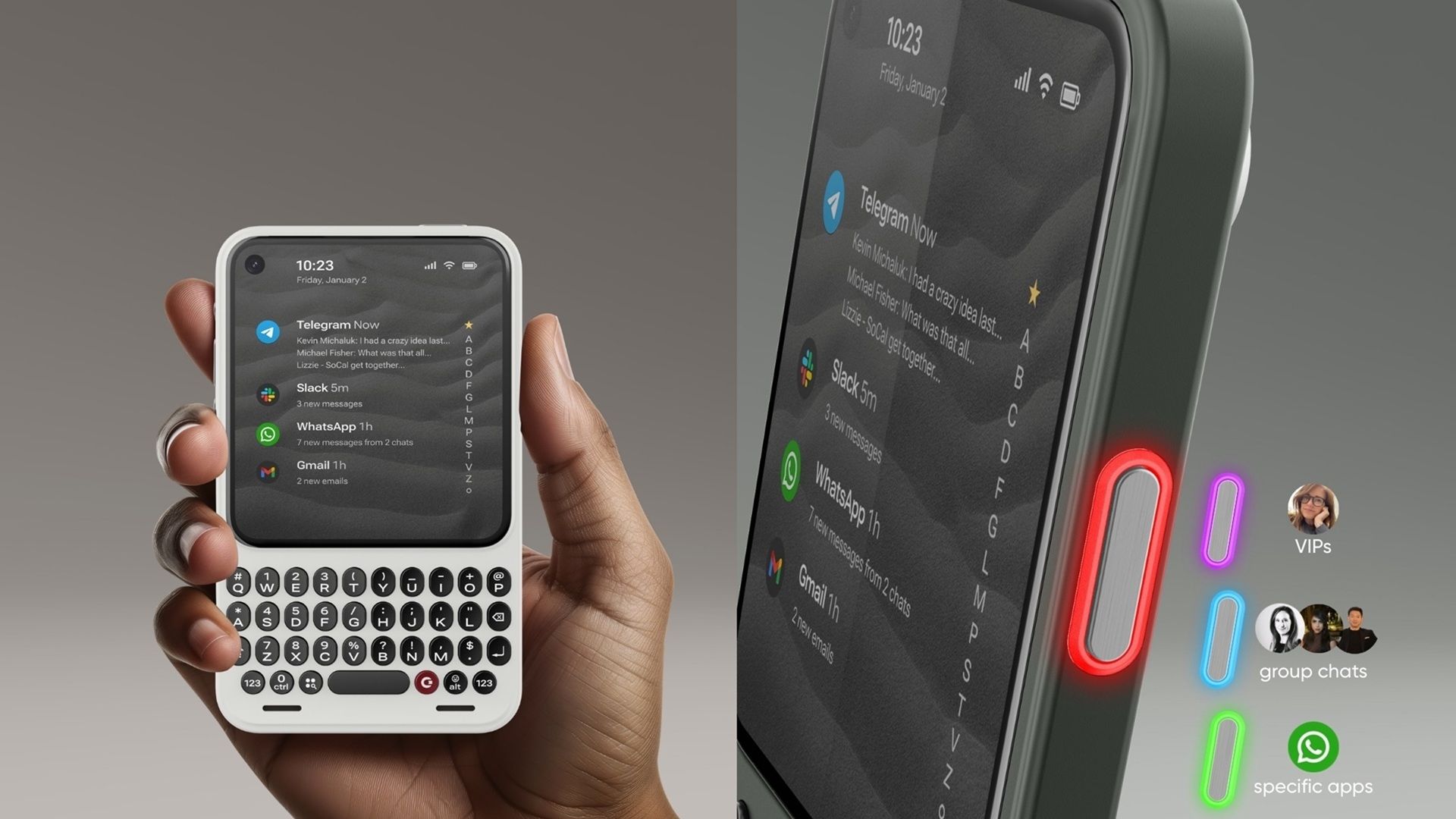


The Launch of the Communicator by Clicks Marks the Attempt to Restore the Concept of Smartphones with Physical Keyboard, Combining Android 16, Focus on Productivity, Programmable Signal Light, and Initial Price Below US$ 400, Targeting Professional Users Dissatisfied with the Current Model Dominated by Screens and Social Networks.
BlackBerry Is Back: Clicks Introduces the Communicator with Physical Keyboard, Android 16, Programmable Signal Light, 4,000 mAh Battery, and Initial Price of US$ 399 for Those Who Pre-Order by February 27
Clicks Technology Announced, Before the Consumer Electronics Show in Las Vegas, the Launch of the Communicator, Its First Smartphone, Aimed at Professional Users Who Prioritize Typing, Messaging, and Productivity, with Physical Keyboard, Customized Android 16, and Starting Price of US$ 399 for Early Buyers.
The Company, Known for Smartphone Accessories, Revealed Two New Products That Mark Its Definitive Entry into the Own Hardware Market. In Addition to the Communicator, Clicks Introduced an Independent Sliding Physical Keyboard, Signaling a Strategy Focused on Productivity in a Sector Dominated by Touch Screens.
-
The heatwave in Brazil that hit in March is set to end as a cold front arrives between Good Friday and Easter Sunday, causing a temperature drop of up to 6 degrees and rain in the Central-South region, according to the Easter weather forecast.

-
The U.S. Army has introduced its first new lethal grenade since the Vietnam War: the M111 kills using pressure shock waves that bounce off walls and can explode the enemy’s lungs without producing a single shard.

-
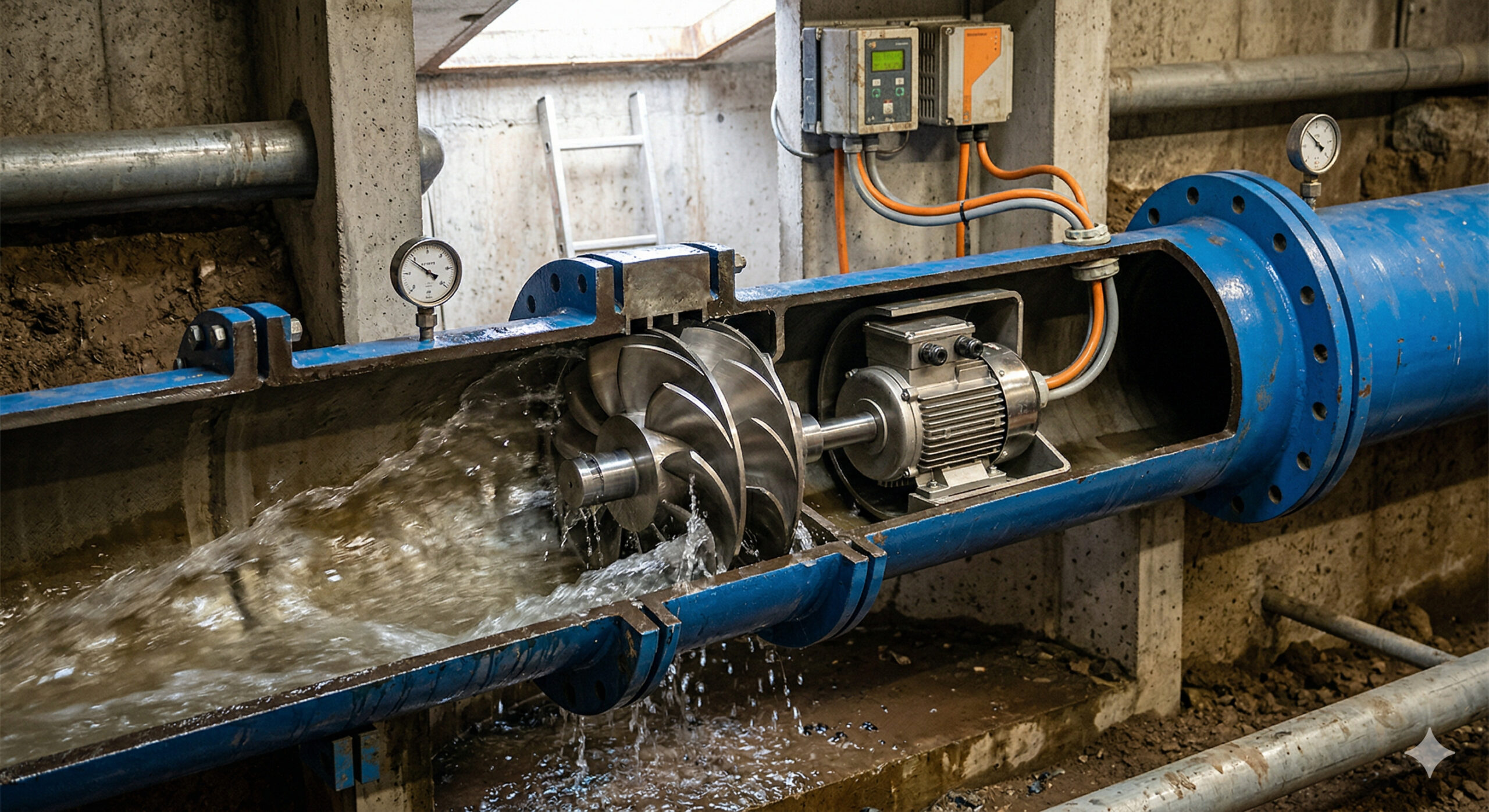
Engineers are replacing pressure valves with hydraulic microturbines within drinking water networks and are generating up to 1,100 MWh per year with in-pipe hydropower technology that harnesses energy previously wasted in urban pipelines.
-
Elon Musk focused on Brazil and lowered the price of Starlink, his internet service, but the question remains: is it worth it? An expert provides a detailed analysis of the internet that promises to connect any part of Brazil.


Smartphone Focused on Work and Typing
The Communicator Was Developed for Users Who Usually Carry Two Phones, Separating Professional Activities from Personal Use. According to Clicks, the Device Was Designed for Objective Tasks Such as Messaging, Emails, and Document Management, Avoiding Stimuli Associated with Continuous Browsing.
The Main Interface of the Device Is a Tactile Physical Keyboard, Designed to Offer Speed and Comfort for Prolonged Typing. The Keyboard Also Accepts Touch Input, Allowing Navigation Through Content Without Direct Contact with the Screen, a Feature Uncommon in Current Smartphones.
The Operating System Is Android 16, Running a Customized Experience Built on the Niagara Launcher. The Configuration Prioritizes Communication and Productivity Apps, Including Gmail, Telegram, WhatsApp, and Slack, Removing Most Distractions Linked to Social Media and Games.
Signal Light and Multifunction Button
One of the Differentiators of the Communicator Is the Signal Light, Positioned on the Side of the Device. It Is a Programmable Light That Allows Assigning Specific Colors and Patterns to Certain Contacts or Apps.
Messages from Priority Contacts Can Trigger a Distinct Color, While Group Chats or Different Apps Use Other Visual Patterns. The Light Also Functions as a Physical Shortcut Button, Expanding Its Functionality in Daily Use.
By Pressing the Button, the User Can Dictate Messages or Record Quick Voice Notes. Clicks Has Already Announced Its Intention to Integrate Future Artificial Intelligence Features Linked to This Control, Including Note-taking Tools and Voice Assistants, Although Specific Dates Have Not Yet Been Detailed.
Hardware Uncommon in Modern Phones
The Communicator Brings Together Hardware Specifications Rarely Found in Current Smartphones. The Device Includes a 3.5 mm Headphone Jack, Physical SIM Tray in Addition to eSIM Support, and Storage Expansion via microSD Card of Up to 2 TB.
A Tactile Switch Allows Activating or Deactivating Airplane Mode and Can Be Configured to Trigger Other Functions. The Phone Weighs 170 Grams, Measures 131.5 Millimeters in Height, and Offers Compatibility with Global 5G.
The Silicon-Carbon Battery Has a Capacity of 4,000 mAh. The Camera Setup Includes a 50 Megapixel Rear Sensor with Optical Stabilization and a 24 Megapixel Front Camera, Meeting Basic Visual Recording Demands in the Corporate Environment.
Modular Design, Prices, and Timelines
Clicks Bet on Modular Design for the Communicator. The Back Cover Can Be Removed, Allowing Color Changes According to User Preference. The Announced Options Are Smoke, Clover, and Onyx, Reinforcing the Visual Customization of the Device.
The Official Price of the Communicator Will Be US$ 499. However, Early Buyers Will Be Able to Acquire It for US$ 399 Upon Making a Deposit of US$ 199 by February 27. Customers Who Opt for Full Advance Payment Will Receive Two Extra Back Covers.
The Company Expects Shipments to Begin Later This Year, Although It Has Not Confirmed an Exact Launch Date. The Nostalgia for Physical Hardware, According to Clicks, Is a Central Part of the Product’s Proposal, Blending Modern Functions with Classic Elements.
Power Keyboard Expands the Strategy
Along with the Smartphone, Clicks Announced the Power Keyboard, a Sliding Physical Keyboard That Connects Magnetically via MagSafe or Qi2. The Accessory Is Compatible with Phones, Tablets, and Even TVs, Also Functioning as an Independent Bluetooth Keyboard.
The Power Keyboard Has a 2,150 mAh Battery, Supports Multiple Sliding Positions, and Can Be Used in Both Portrait and Landscape Modes. Customization Is Done via the Clicks App for iOS and Android, Allowing Behavior Adjustments and Shortcuts.
The Initial Price for First Buyers Will Be US$ 79, with a Final Retail Value Estimated at US$ 109. Pre-Orders Begin on January 2, with Expected Delivery in the Spring. With These Launches, Clicks Bets That Physical Keys Still Matter in Professional Use.









Me.parece excelente las.teclas son más prácticas para las personas que le cuesta las funciones táctiles y ya están mayores de avanzada edad y les cuesta manejar el aparato táctil