





 English
  Francês
  Alemão
  Italiano
  Japonês
  Norueguês
  Portuguese
  Spanish
  3 min of reading


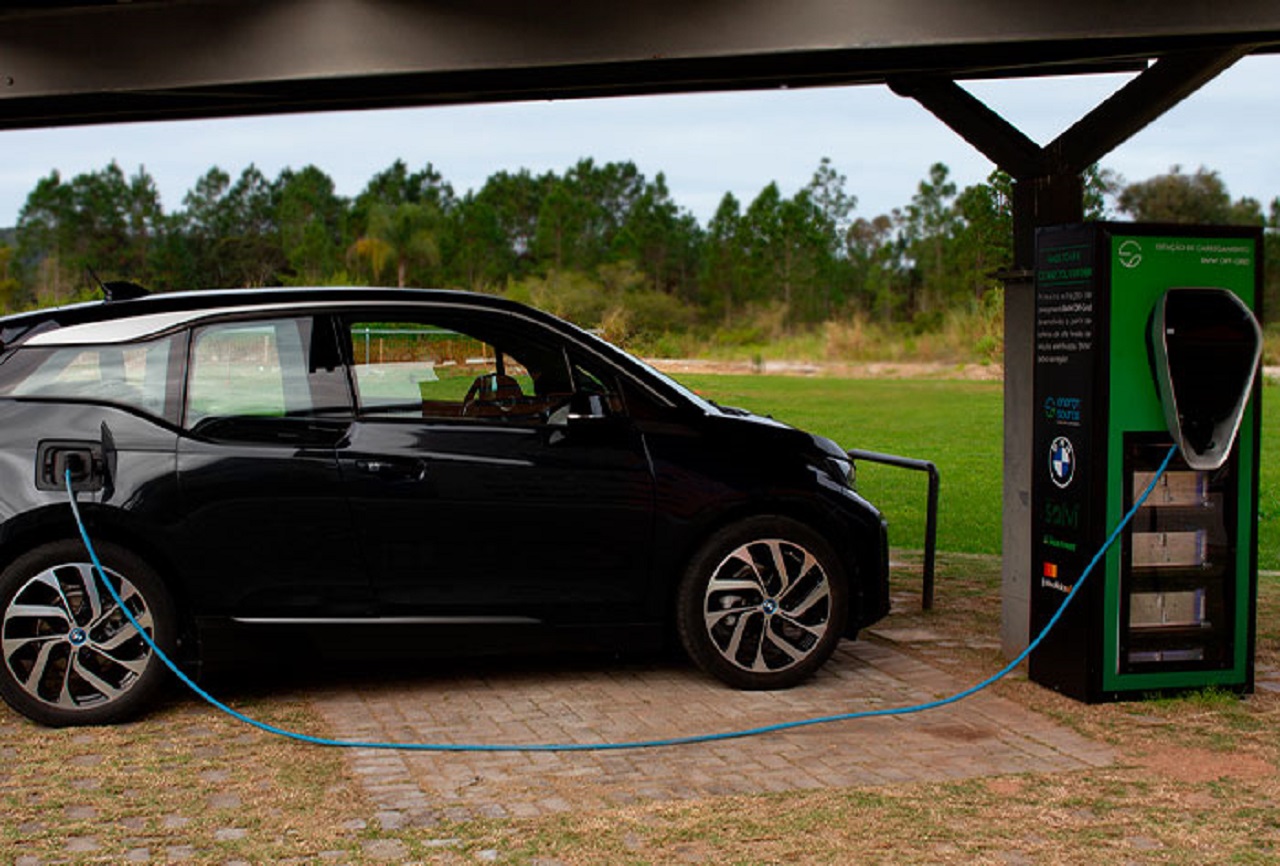
With the closure of the partnership with Energy Source and WEG, the creation of the fast charging station for electric cars, the 24-hour Power Bank from BMW Brazil, using batteries from the BMW i3 and solar panels, becomes finally possible.
BMW Brazil continues to invest in infrastructure that includes charging and recycling of electric car batteries. Based on the results obtained from the electric car charger prototype and other electrified vehicles that use used batteries connected to photovoltaic panels, BMW announced last Thursday, the 7th, a new partnership between the German automaker and the companies Energy Source and WEG to develop a fast charging station, powered by solar energy and used batteries from the BMW i3 model.
Prototype of Charging Station for Electric Cars Using Used Batteries Utilizes About 18 Solar Modules
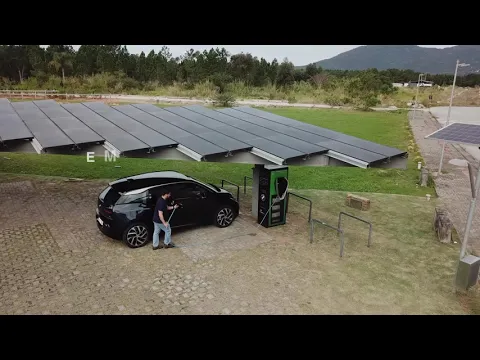

Named “Back to Life to Take You Further and Faster”, the program from BMW is developing a prototype electric car charging station that uses about 18 solar energy panels installed on the roof of a garage (Solar Carport) along with 24 used batteries from the BMW i3 model.
Although there is still no forecast for commercial launch, the prototype has been installed at BMW’s factory in Araquari, Santa Catarina. According to the Operations Director of BMW Group Brazil, Vivaldo Chaves, the future of premium automobiles is sustainable, and the BMW Group Brazil is supporting and encouraging the development of new technologies in the country, which will enable electric cars and other types of electrified vehicles to be increasingly present on the streets, becoming a global reality. The BMW intends to launch the new electric iX3 and i4 models in Brazil later this year, not to mention the beginning of iX deliveries in the Brazilian market.
-
Engineers propose a fourth traffic light for intersections – the change promises to affect crossings, queues, and waiting times.
-
Chevrolet Suburban Z71 lands in Brazil with a V8 engine, off-road design, air suspension, seven seats, and colossal size, a rare version imported for around R$ 1.3 million with luxury and exclusivity.
-
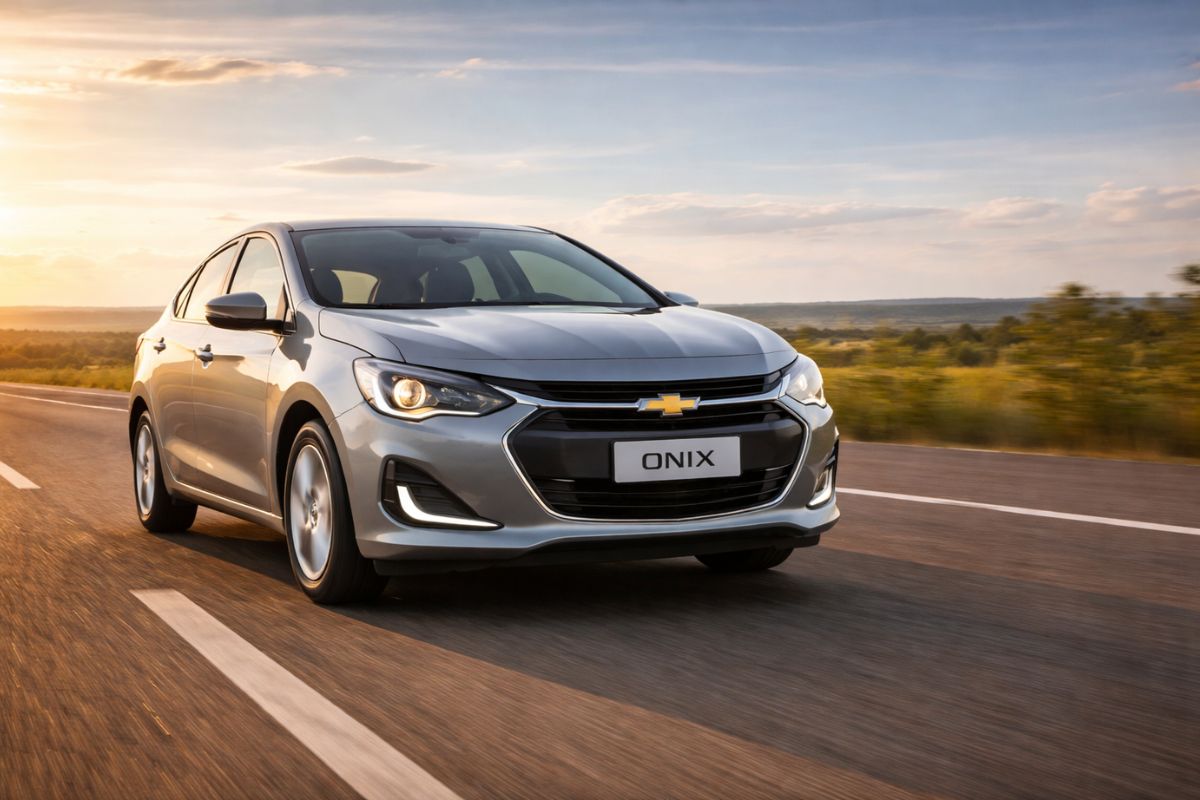
The Chevrolet Onix 1.0 turbo achieves 17.7 km per liter on the highway and ranks among the three most economical cars in Brazil in 2026, alongside two more expensive Toyota hybrids available at dealerships.
-
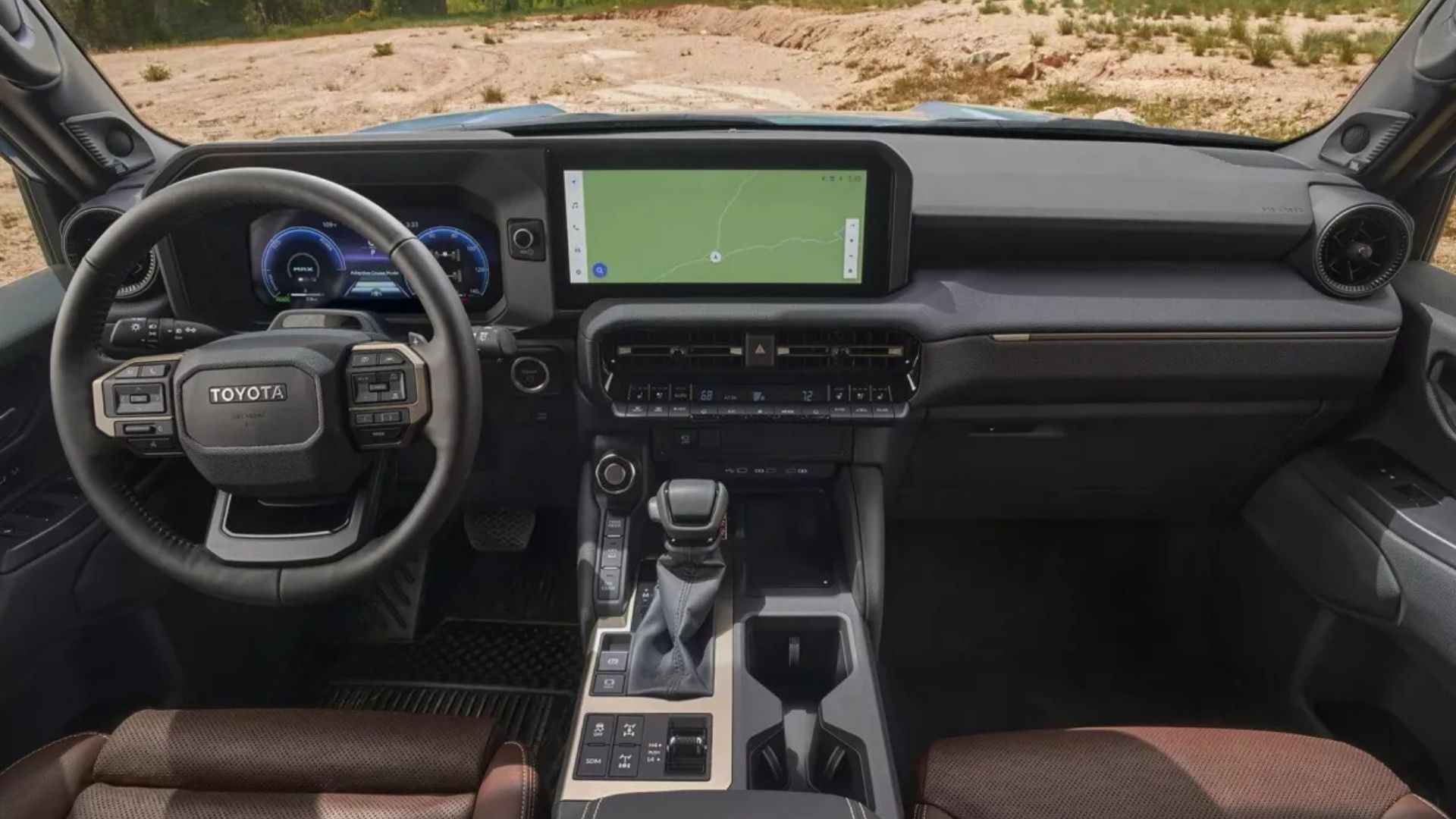
Little sister of the Hilux: Toyota launches Land Cruiser FJ with 4 radical versions, 2.7 engine with 166 hp and 4×4 traction with locking.

Energy Source, WEG, and Their Roles in the Partnership with BMW
With great effort in the development of new technologies, Energy Source applied an algorithm responsible for optimizing the correct selection of modules from batteries that have already been used in electric cars and other electrified vehicles.
The algorithm analyzes and selects the modules that are suitable for being properly sent for the reuse process, enabling the extension of their lifespan by up to 10 years or more.
Energy Source stores and monitors the condition of all battery modules within its energy bank, keeping them connected to a large energy manager from WEG, responsible for supplying a 60 kW fast charging station, in the WEMOB Station model.
Energy Managers from WEG
The WEG energy manager is responsible for connecting 18 solar energy panels to the power grid and the battery energy bank, making it possible to supply the Power Bank 24 hours a day, all week long.
When the Power Bank is 100% charged, all excess energy from the solar energy panels is fully returned to the power grid, which, in addition to being a form of compensation, also generates carbon credits (CO2).









Seja o primeiro a reagir!