






 Portuguese
  Spanish
  3 min of reading


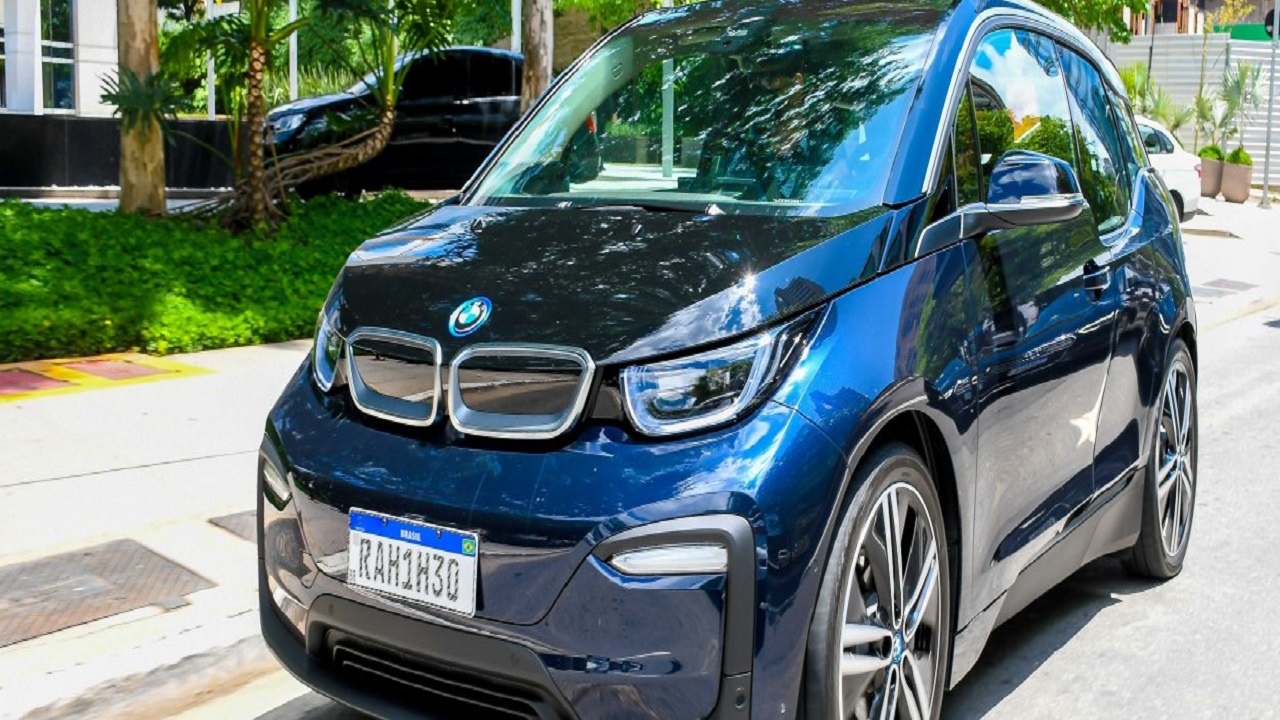
Thinking About Sustainability, The German Automaker BMW Will Include In Its Electric Car BMW i3 An Ethanol-Powered Range Extender
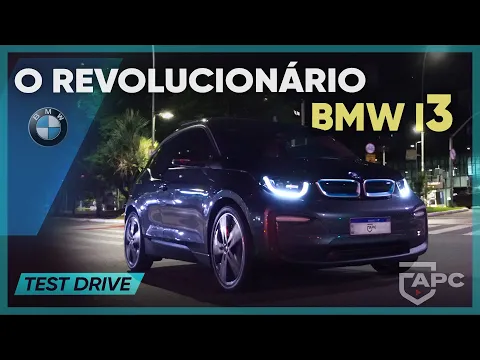
The BMW i3, an electric car that has been sold in the country since 2014, will soon receive updates. BMW announced that it is testing a unit of the model that has an ethanol-powered generator. In some versions of the BMW i3, small 650 cc scooter engines powered by gasoline are used to recharge the battery that supplies energy to the electric motor.
Read Also
New BMW i3 Model Will Be Fully Neutral

The electric car, which currently costs R$ 304,950, with the use of ethanol, will become fully neutral in CO² emissions since the gases released by the exhaust system can be reabsorbed by sugarcane crops.
-
Why can the crane operator only obey the correct signalman on the construction site: among dozens of workers, a hand raised by the wrong person can confuse the maneuver and turn a load of tons into an immediate risk.

-
What changes with the new public transportation rules that can reduce pressure on fares and pave the way for zero fare in Brazil?
-
Argentina confirms Belgian giant to lead strategic Paraná River waterway and promises to reduce logistical costs on one of South America’s most important routes
-
MBRF surprises the logistics sector by demonstrating how Artificial Intelligence can directly influence deliveries throughout Brazil by reorganizing distribution routes in seconds, optimizing fleet usage, reducing logistics costs, and speeding up product arrivals even in the face of unforeseen road incidents.


The electric generator of the BMW car is the same as the gasoline scooter engine, that is, 170 horsepower and 25.5 kgfm of torque. This two-cylinder engine that comes from BMW Motorrad scooters acts as an electricity generator but allows the electric car’s motor to function even with the batteries drained.
Even so, this does not make it a hybrid, as the small engine of the BMW i3 Rex does not drive the wheels; it only generates an extra charge for the electric car’s batteries, increasing the range by up to 60 kilometers. It is precisely this small scooter engine that can be converted to ethanol to neutralize the CO2 emissions in the BMW vehicle.
Changes Made By BMW To The Electric Car
To install the ethanol conversion, the automaker revealed that it was necessary to make some changes to the engine head and increase the compression ratio, which has also been done in cars that used gasoline engines and became flex. The development of the ethanol-powered BMW i3 was carried out by the automaker in partnership with AVL do Brasil.
The company does not yet have an official date to launch the technology in Brazil and states that there is no chance of presenting the ethanol-powered electric car in the short term, but knows that the setup is almost ready for the streets.
Get To Know The Electric Car Of The German Automaker That Is A Success
The electric car BMW i3, which has been on sale in Brazil for over 7 years, has an acceleration from 0 to 100 km/h in an impressive 7.3 seconds. The vehicle can reach a speed of 150 km/h and its battery allows it to achieve a range of 335 km on the WLTP cycle and 440 km with the optional range extender (using the small engine mentioned before).

Graduated in Journalism and Marketing, he is the author of over 20,000 articles that have reached millions of readers in Brazil and abroad. He has written for brands and media outlets such as 99, Natura, O Boticário, CPG – Click Petróleo e Gás, Agência Raccon, among others. A specialist in the Automotive Industry, Technology, Careers (employability and courses), Economy, and other topics. For contact and editorial suggestions: valdemarmedeiros4@gmail.com. We do not accept resumes!





Be the first to react!