Portuguese
  Spanish


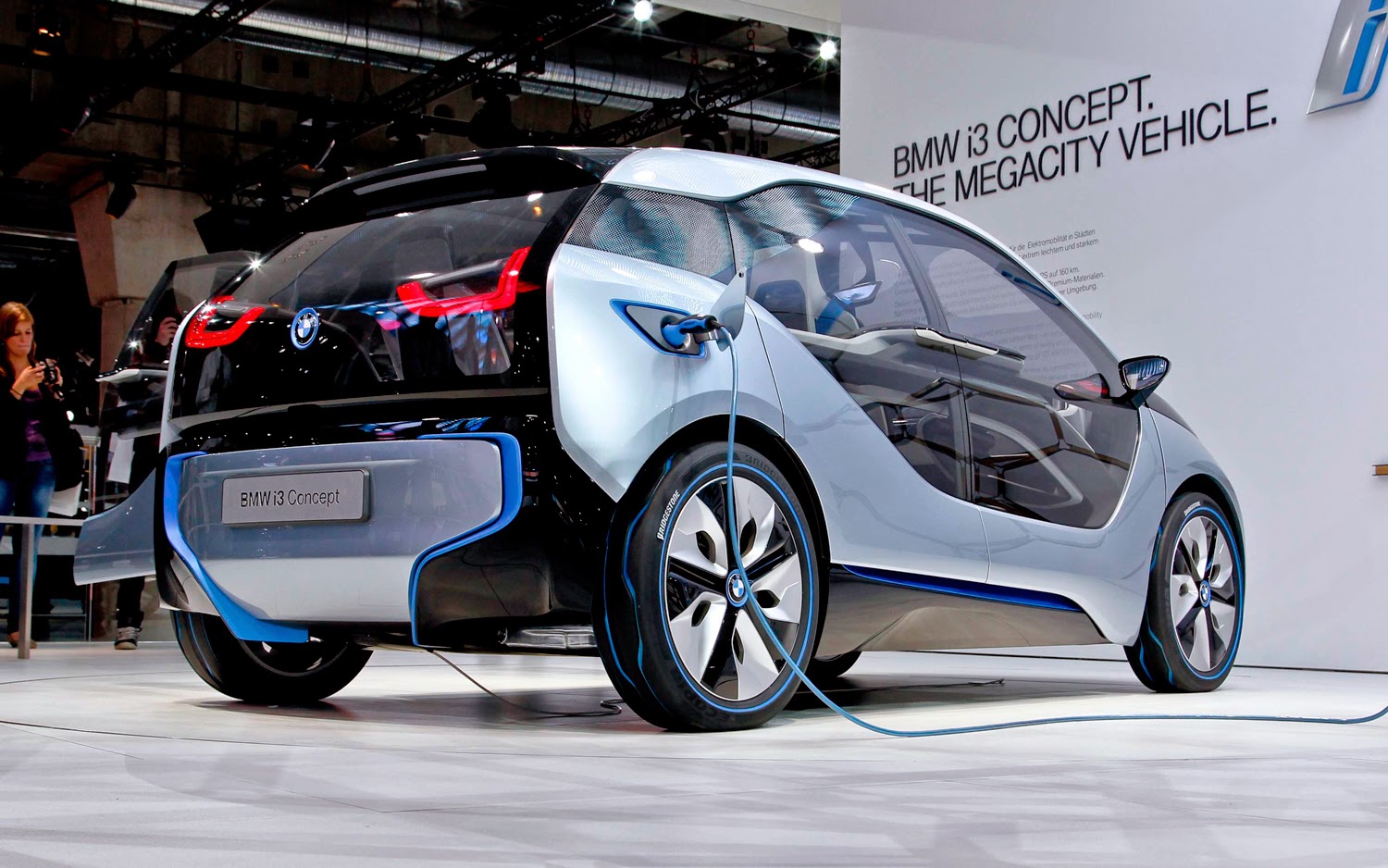

Companies Initially Invested More Than R$ 3 Million in the Lithium-Ion Battery Recycling Project for BMW Electric Cars in Brazil
In an effort to develop a more sustainable process capable of ensuring the recovery of chemical compounds from electric car batteries, Tupy – a Brazilian multinational in metallurgy – along with BMW Group Brazil and Senai Paraná, have formed a partnership with an initial investment exceeding R$ 3 million.
Each company will bring specific knowledge to the studies within its area of expertise. For example, Tupy, through Tupy Tech, has been conducting research in metallurgy materials and developing technologies that contribute to decarbonization.
In this project, the goal is to develop recycling of BMW electric car batteries using hydrometallurgy, which is a more sustainable recycling process than pyrometallurgy, more commonly used today. This recycling technology involves lower emissions of greenhouse gases and a reduced need for mineral extraction.
-
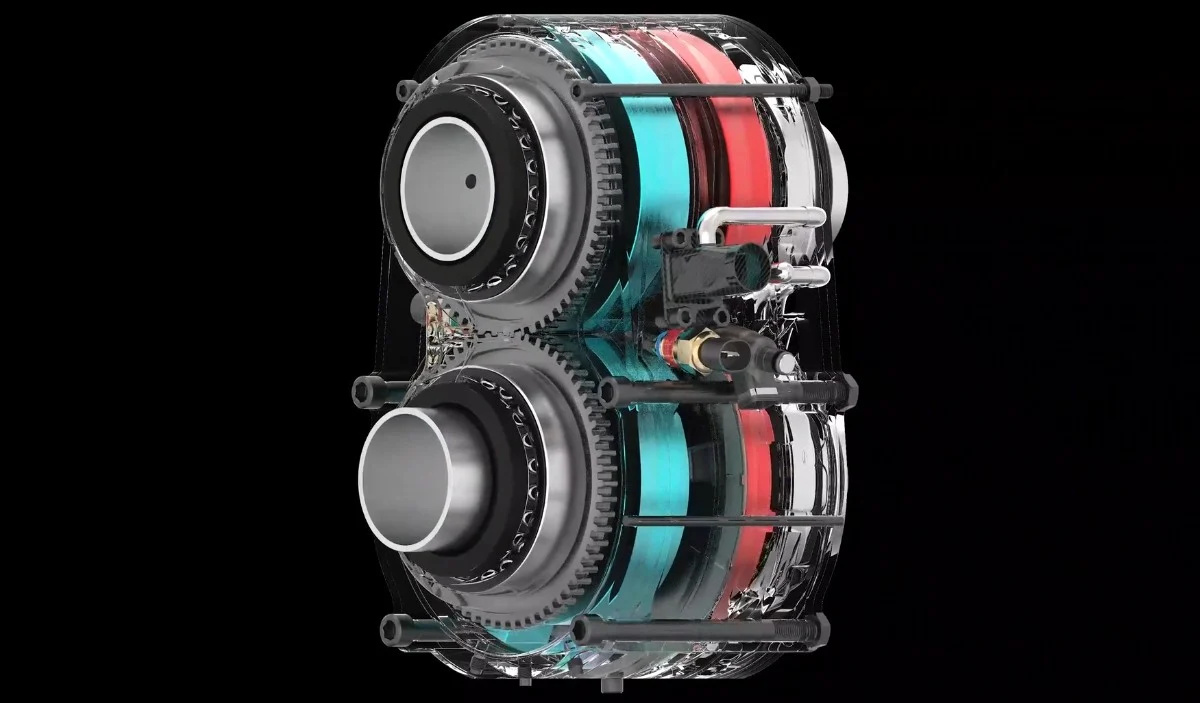
Suitcase-sized hydrogen engine spins at 25,000 rpm, nearly doubling the efficiency of conventional cars and replacing exhaust smoke with water vapor

-
1983 Chevrolet Runs Over 100,000 km Without Gasoline, Powered by Wood Chips, Reaches 125 km/h in Airport Test

-
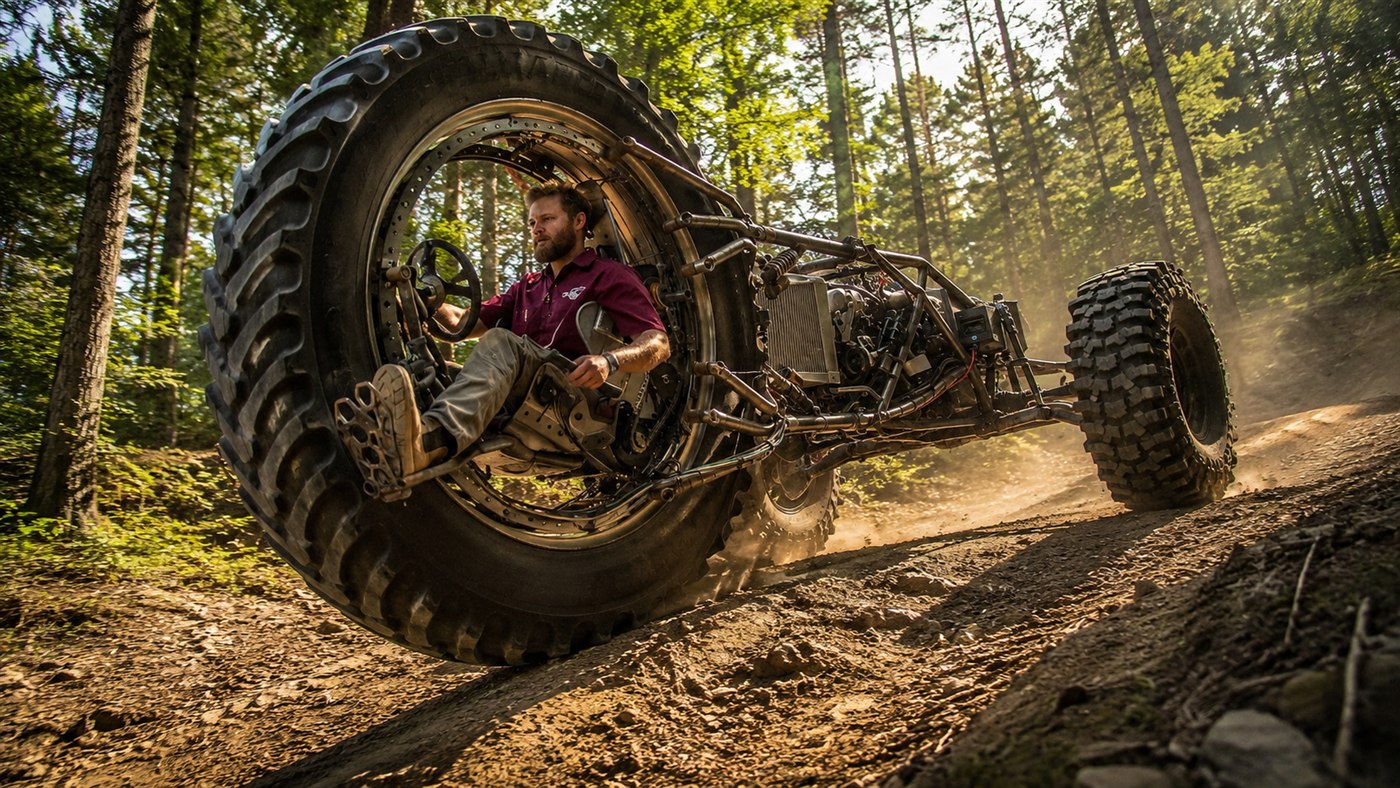
Workshop Converts Giant Tractor Tire Tricycle into a Three-Wheel Drive Hybrid with 36,000-Watt Electric Motor Capable of Climbing Hills

-
Chery Offers Lifetime Battery Warranty and Car Replacement for Major Failures Under New Chinese Regulations

In addition to executing the project, Senai Paraná will be responsible for the activities and respective results of the research, which will take place at the Senai Institute of Innovation in Electrochemistry in Curitiba.
On the other hand, BMW Group Brazil, a pioneer in the development of electric transportation worldwide, will provide its technical knowledge and the batteries from the BMW i3 electric car to assist in the hydrometallurgical recycling process. With its global goal of sustainability and circular economy, the reproduction of recycled materials for the manufacturing of new battery cells is also part of the project with Senai.
About the Project
The project opens a new possibility for the use of recycled minerals in the production of new electric car batteries, thereby reducing dependence on primary mineral raw materials. The expectation is that the first results will be evaluated within 2022. The goal is the resynthesis of the active material of a battery cathode, using 100% recycled material.
According to Fernando Cestari de Rizzo, CEO of Tupy, “Chemical compounds are rare in nature, and their reuse represents a significant scientific and technological challenge for society as a whole. This partnership between Tupy, BMW Group Brazil, and Senai is aligned with numerous global initiatives related to the value chain of electric cars and, primarily, the decarbonization journey, to which we have dedicated several research fronts.”
Totally Brazilian Technology
Researchers from the Senai Institute of Innovation in Electrochemistry, Marcos Berton and Heverson Renan, emphasize that for the automotive sector, the project’s development, aiming to recycle lithium batteries and resynthesize the active cathode material, will allow companies to possess a fully Brazilian technology. For them, recycling and resynthesis of the material to be reused in the production of new batteries for electric cars is the major innovation of the project and is aligned with the vision of circular economy for electric cars.
The Director of Sustainability and Infrastructure at BMW Group Brazil, Vivaldo Chaves, states that BMW Group Brazil aims to ensure sustainability in transportation. BMW Group Brazil is developing several projects and studies for the second use of electric car batteries, such as the development of a charging station for electric cars that is completely disconnected from the power grid. Chaves concludes by saying that the partnership with Tupy and Senai is a significant step, as it could eventually make it feasible to manufacture new electric car batteries with reduced extraction of raw materials from the environment.