





 Portuguese
  English
  Spanish
  3 min of reading
  0 comments


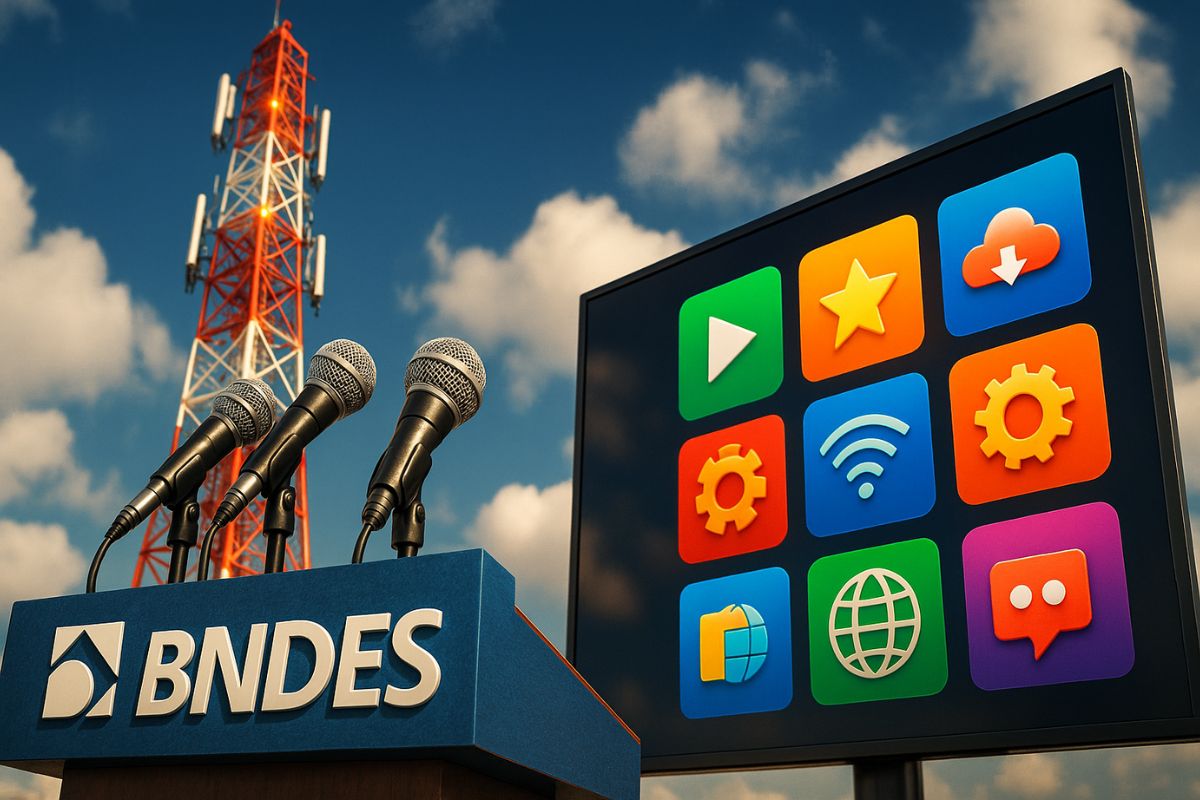
BNDES Will Finance Broadcasters for the Implementation of Interactive TV 3.0. President Lula Signals BNDES Credit for Broadcasters to Adapt TV 3.0 Technology with Interactivity and New Digital Resources.
The federal government announced that the BNDES will finance television broadcasters to enable the transition to the TV 3.0 standard, which integrates free-to-air channels with the internet and brings resources such as live voting, camera angle selection, and even direct purchases during programming. The measure was confirmed by Folha de S. Paulo, which highlighted the decree signed this Tuesday (19) by President Luiz Inácio Lula da Silva.
The estimated investment for the implementation of TV 3.0 ranges between R$ 9 billion and R$ 11 billion, with R$ 2 billion solely for the replacement of transmitters. To reduce sector costs, the president indicated that BNDES will finance broadcasters with subsidized credit lines, something that did not occur during the transition to digital TV in 2007, when financial support promises were not fulfilled.
Who Will Have Access to BNDES Financing
The proposal stipulates that all about 600 generating companies and thousands of retransmitters can adopt the new technological model. However, BNDES will finance broadcasters only after changes to its statutes, allowing broadcasting companies to meet credit criteria. Internally, the bank’s president, Aloizio Mercadante, is still assessing the format, but technicians confirm that the topic is already under discussion with the Ministries of Communications and Development, Industry and Trade.
-
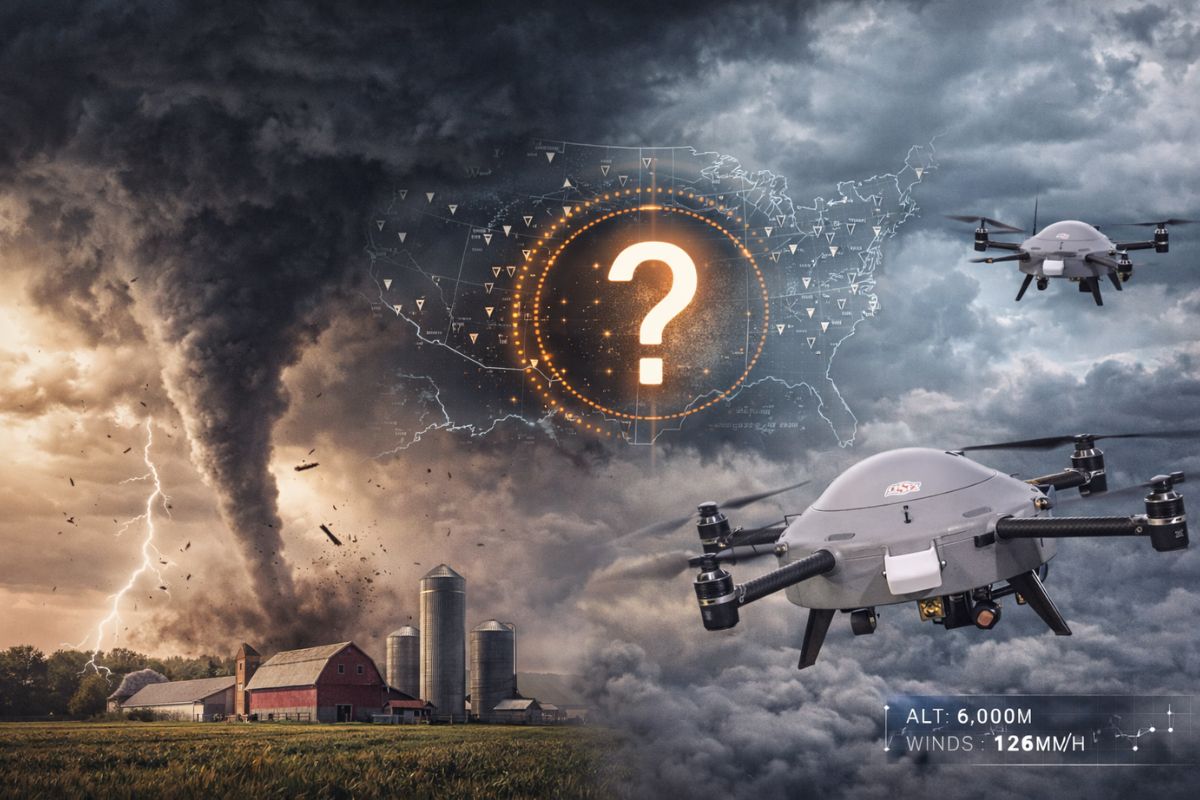
There is a gap of hundreds of kilometers between weather observation points in the United States, and now drones flying at 6,000 meters altitude in strong winds are filling this gap to predict tornadoes before they kill.
-
The most famous volcano in the world could paralyze one of the largest metropolises on the planet: Japan accelerates emergency plans for the eruption of Mount Fuji, which could bury Tokyo in ash for over two consecutive weeks.

-
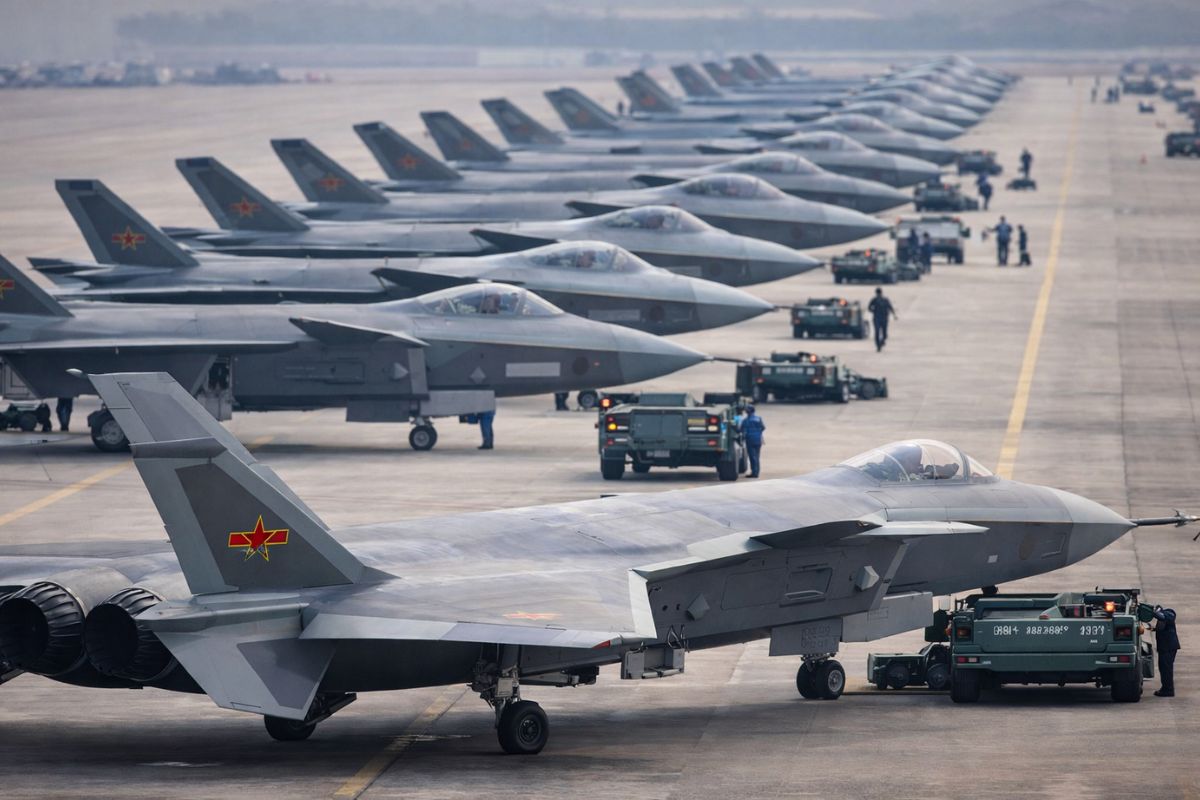
The United States has a serious problem with its F-35s: China is already producing fighters at a pace that exceeds American capacity and could manufacture up to 300 aircraft per year before the end of the decade, shifting the global military balance.
-
Remains with battle wounds of over 100 soldiers from the Roman Empire are found beneath a football field in Vienna, leaving everyone surprised.


According to advisers from the Planalto, the intention is for broadcasters to have access to BNDES’s innovation program, which offers subsidized interest rates for strategic projects. This model would facilitate the acquisition of new transmitters and digital systems, ensuring that the transition occurs in time for the 2026 World Cup, when the technology is expected to be fully operational.
How Much Will the Transition to TV 3.0 Cost
The cost of technological change is considered high. Only the public broadcasters will need about R$ 93 million for the acquisition of new equipment. Additionally, viewers will also have to invest in compatible televisions or acquire specific converters. For low-income families, the government will distribute free kits, as occurred during the analog signal shutdown process.
The broader calculation indicates that BNDES will finance broadcasters up to R$ 11 billion, should all opt for adherence to the new standard. This amount is considered essential to enable the change, as financial returns will come from new business opportunities and interactive advertising.
Why TV 3.0 is Strategic for the Market
TV 3.0 is seen as a revolution in the broadcasting sector. The system will allow viewers to watch live broadcasts with interactivity, as well as offer integrated services such as e-commerce, personalized advertising campaigns, and government applications accessible directly on screen.
For broadcasters, the model may open new revenue streams in an increasingly competitive market with streaming platforms. This is why the indication that BNDES will finance broadcasters is considered decisive: without accessible credit, many networks could be left out of the technological modernization process.
Is It Worth Investing in the New System?
Experts state that adherence to TV 3.0 will bring new business opportunities, but also requires large initial investments. Financial support is seen as a crucial factor to ensure that small and medium-sized broadcasters can keep up with the large networks.
For consumers, the change may also represent benefits, such as increased interactivity, easier access to services, and even new forms of entertainment. However, it will be necessary to renew equipment, leading to immediate costs for families. The government’s decision that BNDES will finance broadcasters aims to balance this equation between investment and innovation.
The decree signed by Lula marks the beginning of a new phase for open television in Brazil. With the confirmation that BNDES will finance broadcasters, the country is preparing to adopt TV 3.0 in time for the 2026 World Cup, bringing interactivity and new business possibilities.
And you, do you believe that BNDES financing will really help broadcasters modernize open TV, or will it just be another public expenditure without return? Share your opinion in the comments — we want to hear from those closely following the impact of this change.








-

Uma pessoa reagiu a isso.