





 Portuguese
  English
  Spanish
  4 min of reading
  0 comments


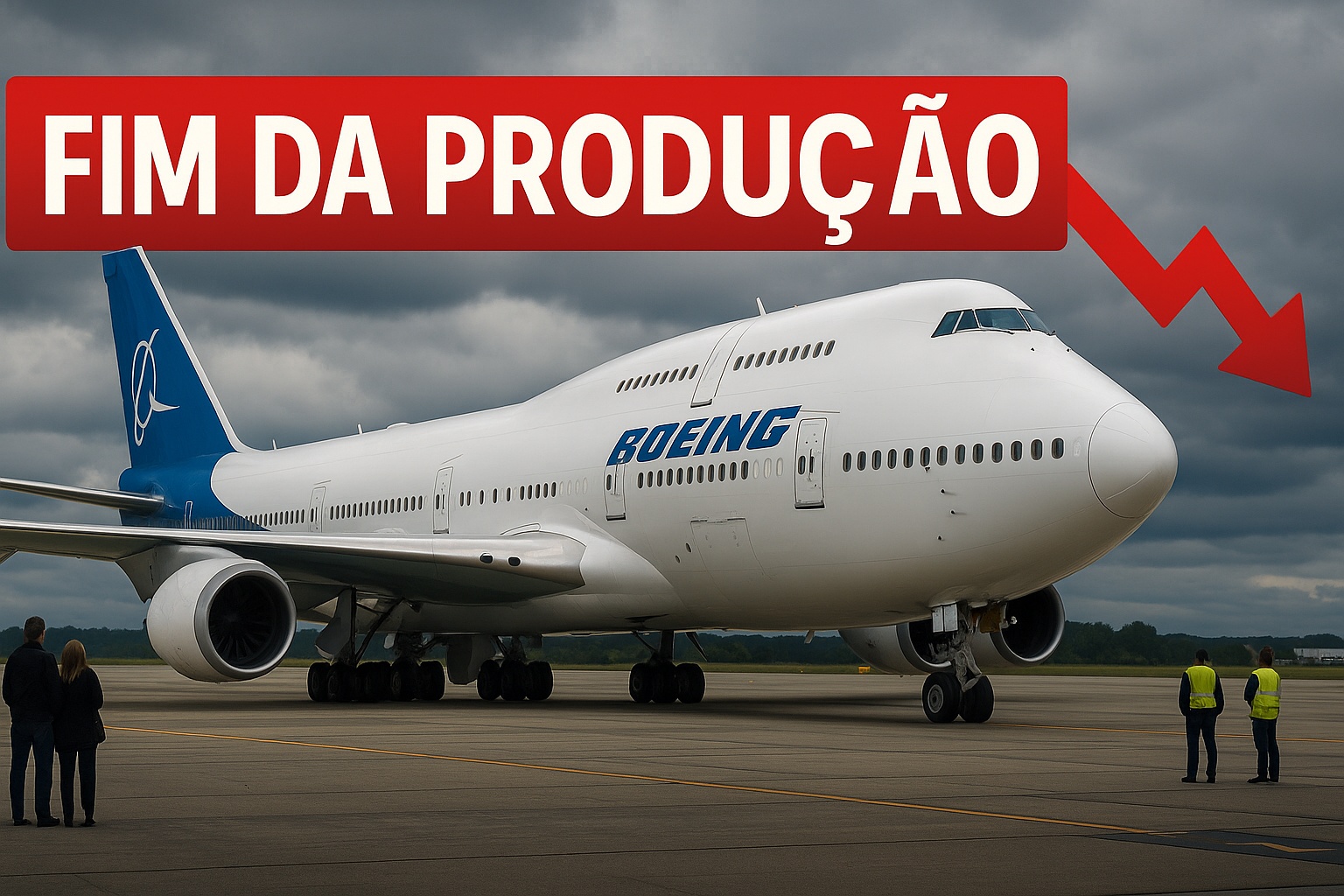
Few know, but Boeing officially ended 747 production in 2023, after more than 50 years. The plane, popularly known as Jumbo, carried billions of passengers, made history in aviation, and remains a legend of the skies.
In January 2023, Boeing put an end to one of the grandest chapters in global aviation. After more than five decades in the skies, the legendary Boeing 747 was officially retired. Known as the “Jumbo Jet” and nicknamed the Queen of the Skies, it was much more than a plane: it transformed the way the world traveled, united continents, and made mass air transport a reality.
A total of 1,574 units were produced since its inaugural flight in 1969. During this period, the 747 carried billions of passengers on intercontinental flights and became the greatest symbol of the golden age of commercial aviation.
The Revolution That Began in 1969


At the turn of the 1970s, aviation was undergoing a transition: commercial jets had already accelerated international travel, but costs were still high and the number of seats limited.
-
Chaos On Airplane Could Be Expensive: Proposal Aims To Prevent Disruptive Passengers From Flying For Up To 1 Year In Brazil And Face Fines Of Up To R$17,500

-
Man Arrested After Halting Takeoff of Fire Department Helicopter During Child Rescue in Guaratuba

-
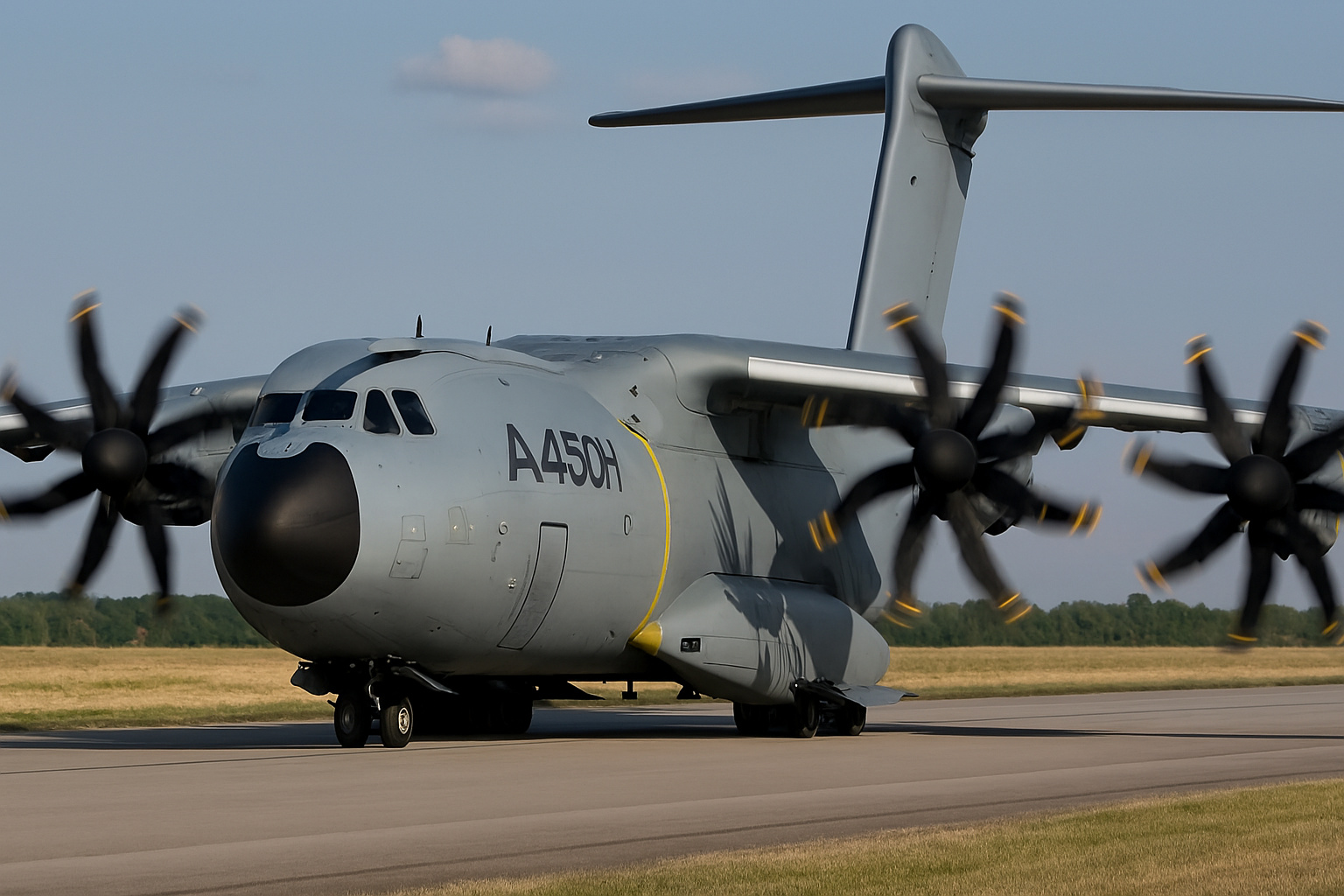
With 37 Tons of Cargo, Over 8,000 km Range, and Ability to Land on Unpaved Runways, the Airbus A400M Demonstrates How Europe Created a Military Giant That Transports Armored Vehicles, Aerially Refuels Fighters, and Operates in Conflict Zones and Humanitarian Missions Worldwide
-
Emergency Landing in Campos Amarais After Bird Strike on Small Plane


It was in this context that Boeing launched a bold project: a plane with two decks, capable of carrying more than 400 passengers, transoceanic range, and a robust design that became iconic.
The first flight took place on February 9, 1969, and quickly the 747 entered service with Pan Am, the largest airline in the world at the time. The impact was immediate: airfares became more accessible, competition increased, and flying on a plane stopped being a luxury reserved for a few to become an increasingly democratic experience.
The Unmistakable Design
The most distinctive feature of the 747 has always been its “hump” at the front, where the upper deck was located. There, in many airlines, bars, lounges, and luxury cabins were installed, giving the plane an unparalleled air of sophistication.
With four engines, wide wings, and colossal dimensions, the Jumbo was, for decades, the largest passenger plane on the planet. Its initial version could carry around 400 passengers, but later variants accommodated more than 600 people on a single flight.

Additionally, the 747 also stood out for its versatility: aside from the commercial version, it was used as a cargo plane, military transport, and even as Air Force One, the U.S. presidential aircraft.
The Peak and Domination of the Skies
In the 70s, 80s, and 90s, the Boeing 747 solidified its place as the main aircraft for intercontinental routes. It dominated flights between America, Europe, and Asia, connecting cities that previously had no direct links.
For decades, flying on a 747 was a symbol of status — for passengers, airlines, and even countries. Over 100 airlines worldwide operated the model, which was responsible for more than half of the seats on long-haul flights.
The Beginning of the End: Costs and New Rivals
Despite its glory, the very greatness of the 747 began to weigh against it. High fuel consumption, the need for larger runways, and maintenance costs opened the door for new generations of more efficient aircraft.
Models like the Boeing 777 and the Airbus A350, twin-engine planes with advanced technology, offered the same range and almost the same passenger capacity but with far superior efficiency.
Another giant, the Airbus A380, competed for the title of largest commercial aircraft in the world but also faced difficulties due to a growing demand for smaller aircraft, with direct flights between more cities.
The Last Flight and the Official Goodbye
On January 31, 2023, Boeing delivered the last 747 in history to a cargo company, officially ending production in Everett, Washington, where the plane had been built since the beginning.
The event featured emotional tributes, gathering engineers, former pilots, executives, and aviation enthusiasts. It was the farewell to an icon that not only carried passengers but also dreams and memories of several generations.
The Immortal Legacy of the Jumbo
Even out of production, the Boeing 747 continues to fly with various airlines, primarily in the cargo version, which remains extremely efficient for transporting large volumes. It is estimated that it will remain active in the skies for at least another decade.
In aviation history, however, its place is already secured. The 747 was the plane that:
- Democratized international travel.
- Carried billions of people around the globe.
- Become a symbol of the golden age of aviation.
- Inspired generations of engineers, pilots, and passengers.
The End of a Reign, Not of a Legend
The end of 747 production does not mean the end of its story. The “Jumbo Jet” remains the greatest classic of commercial aviation, a plane that changed the world and made the idea of traveling the planet something accessible.
More than an aircraft, the 747 was a cultural and technological landmark. Its silhouette will continue to be instantly recognized in airports, museums, and memories. The Queen of the Skies leaves the production line, but will never cease to reign in the hearts of those who knew her.










Seja o primeiro a reagir!