





 English
  Francês
  Alemão
  Italiano
  Japonês
  Norueguês
  Portuguese
  Spanish
  3 min of reading
  0 comments


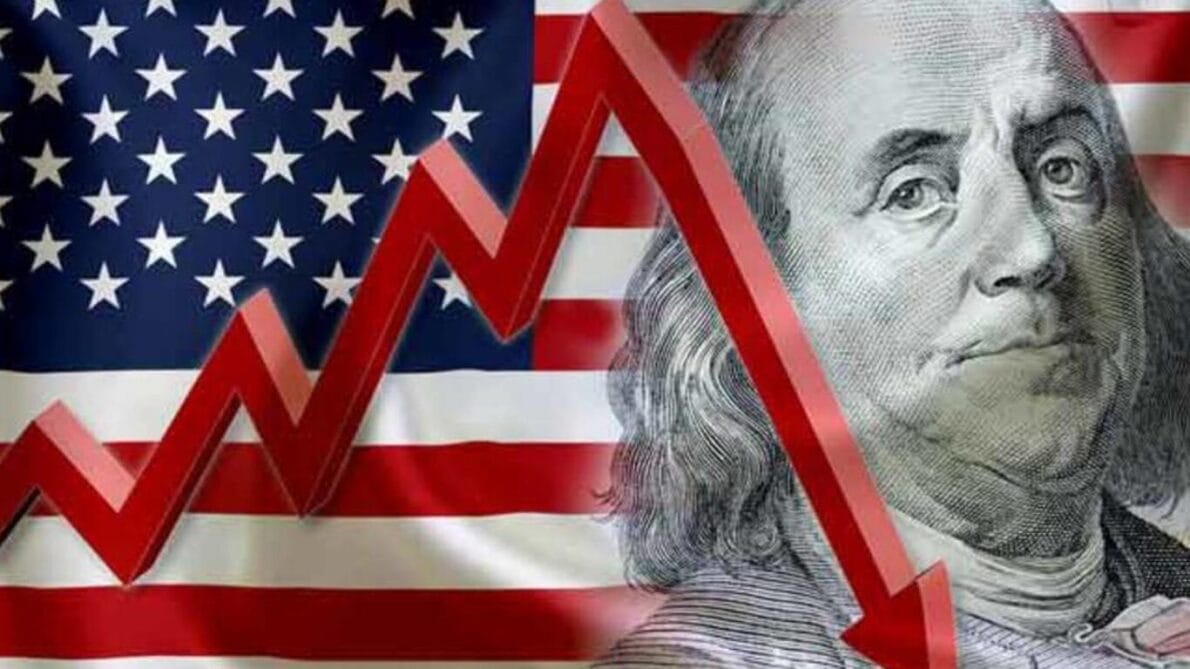
Global Crisis: Effects on Financial Markets and Bitcoin, Risk of Recession in the USA and Impact on the World Economy!
Stock markets around the world began the week in free fall, with markets in Asia leading the negative movement. The expectation of an interest rate hike in Japan and signs of a possible recession in the USA are causing global turbulence. Bitcoin, in turn, was not immune and also experienced a significant devaluation. Let’s understand the reasons behind this scenario and its implications, according to revistaforum.
Performance of the Markets in Asia
Circuit Breaker on the Tokyo Stock Exchange
On Monday morning, Asian stock markets faced a true storm. The Nikkei 225 and the Topix, main indicators of the Tokyo Stock Exchange, recorded drops exceeding 7%, accumulating losses of about 20%. This extreme situation triggered the circuit breaker, a mechanism that halts trading to avoid even sharper fluctuations, something that hadn’t happened since the dark times of the coronavirus pandemic.
In addition to Tokyo, other Asian markets such as Seoul and Istanbul also suffered sharp declines. Futures indices of the New York Stock Exchange plummeted, reflecting the pessimism spreading across global markets. In the world of cryptocurrencies, Bitcoin fell more than 10% on Sunday night, intensifying the sense of crisis.
-
Unemployment rises again to 5.8% at the beginning of 2026, raising alarms about the end of temporary positions and its impact on the Brazilian job market.
-
Document organization can cut invisible costs in small businesses, a simple step that prevents waste, rework, and losses in daily operations.

-
Chinese giant worth nearly R$ 4 billion that manufactures cables for electric cars, solar energy, and robotics wants to open a factory in SC.
-
Many employers do not know, but the law guarantees domestic workers a 25% increase in salary during trips, 50% for overtime, 20% for night shifts, and 17 additional benefits that can lead to labor lawsuits if not paid.


Threat of Recession in the USA
Concerning Economic Indicators
The economy of the USA is flashing warning signs. Analysts from JPMorgan point to a 50% risk of recession due to recent negative economic indicators. The unemployment rate, for instance, rose to 4.3%, raising concerns about a possible economic slowdown. These weak data fuel fears of a recession, leading investors to adopt a more cautious stance and divest from higher-risk assets such as stocks.
The effects of this pessimism are not limited to the USA. Global economic uncertainty has led to a reassessment of investment positions, resulting in sharp declines in stock markets around the world.
Increase in Interest Rates in Japan
Impacts on Exports and Carry Trade
Another factor putting pressure on the markets is the expectation of an interest rate hike by the Bank of Japan. After a long period of ultra-accommodative monetary policy, the possibility of a hike in Japanese interest rates is generating a significant impact. An increase in interest rates could result in the appreciation of the yen, which would negatively affect Japanese exports and, consequently, the profits of exporting companies.
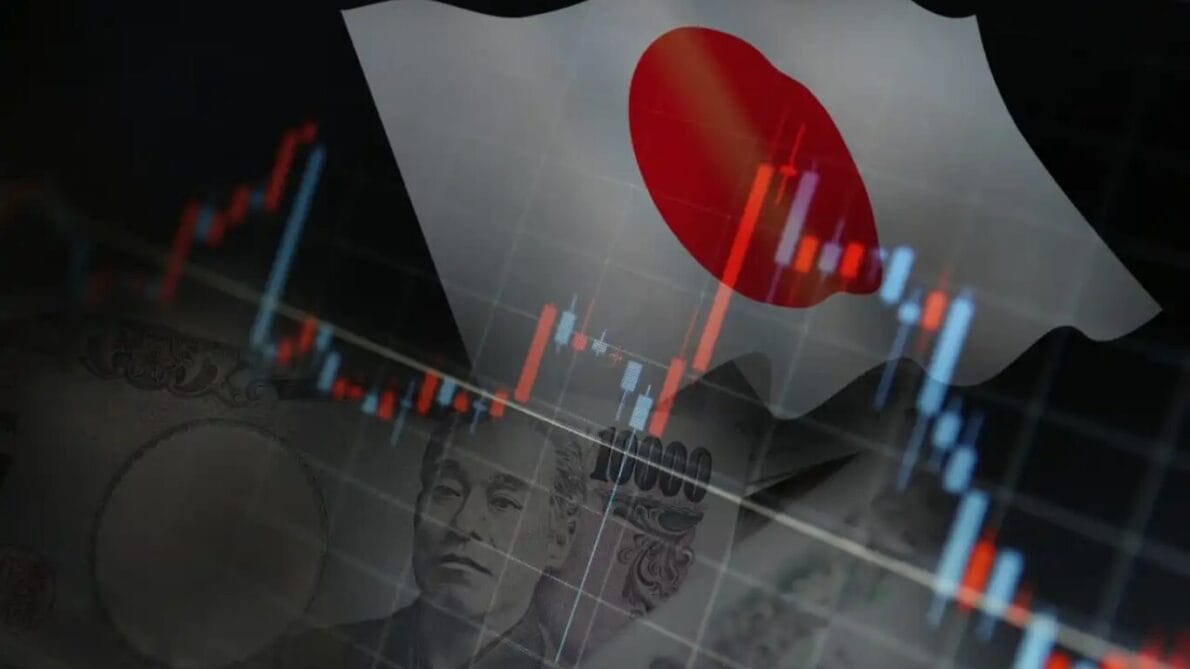
The Carry Trade strategy, which involves borrowing in yen at low rates to invest in higher-yielding assets in other countries, has also become less attractive with the prospect of higher rates in Japan. This adjustment in monetary policies is creating a scenario of uncertainty, contributing to volatility in financial markets.
Strategies
Protecting Assets in Times of Crisis
With the global market in decline and volatility on the rise, it is essential for investors to adopt asset protection strategies. Staying informed about economic and political changes, diversifying investments, and seeking refuge in safer assets are important steps to navigate through times of crisis. The global economy is facing significant challenges, and being prepared for these fluctuations can make all the difference.







Seja o primeiro a reagir!