





 Portuguese
  English
  Spanish
  3 min of reading
  0 comments


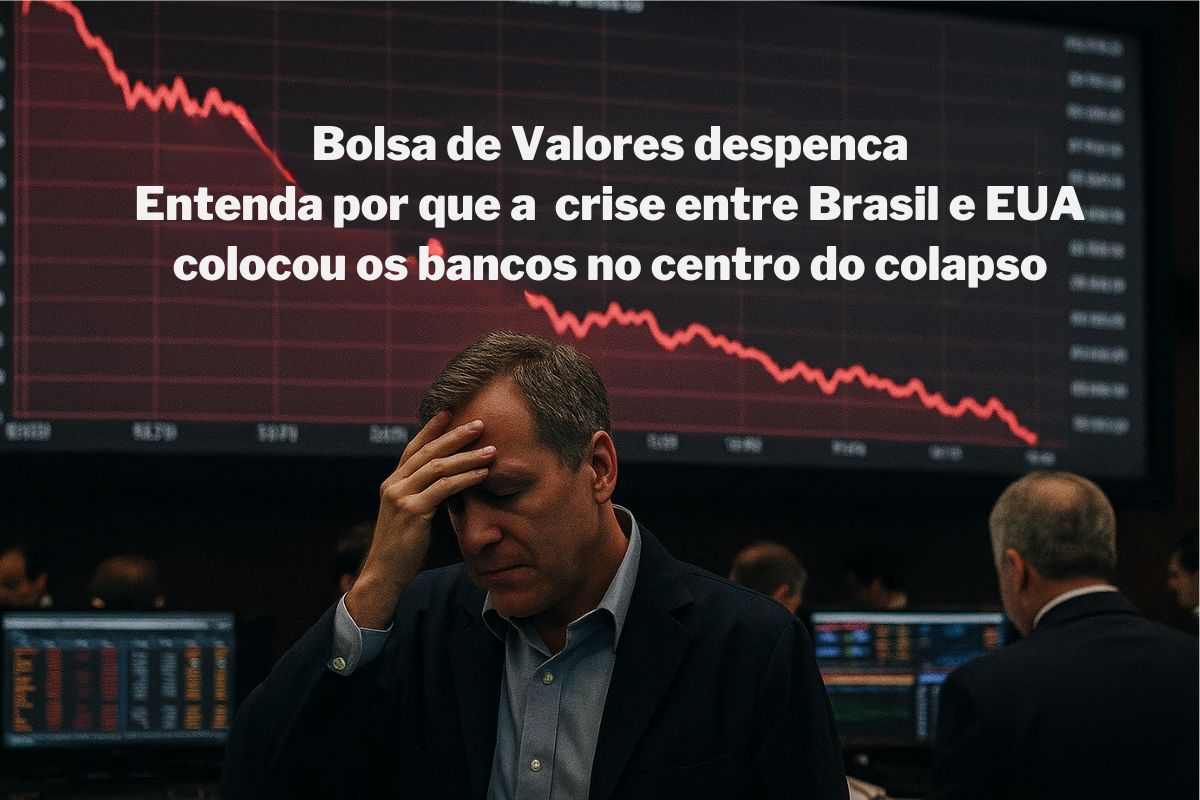
Ibovespa Has Worst Day of the Month with 2.1% Drop: Understand How the Political Crisis Became a Threat to the Economy
Tuesday was a day of tension in the Brazilian economy. The main index of the São Paulo stock exchange, the Ibovespa, fell 2.1% and closed the day at 134,000 points. This index serves as a thermometer for the market, gathering the shares of the largest companies traded in the country. When it drops, it means that investors are selling more than buying, indicating distrust and fear regarding the future.
The decline was mainly driven by the shares of major Brazilian banks such as Banco do Brasil, Santander, Itaú, and Bradesco. They recorded significant losses because they found themselves caught in a delicate dispute between the Supreme Federal Court (STF) and the United States.
What Is Happening Between Brazil and the United States
On Monday, STF Minister Flávio Dino made a decision to try to counteract the effects of the sanctions that the United States imposed on Minister Alexandre de Moraes under the so-called Magnitsky Act. This law is used by Washington to punish officials accused of violating human rights or acting against democracy.
-
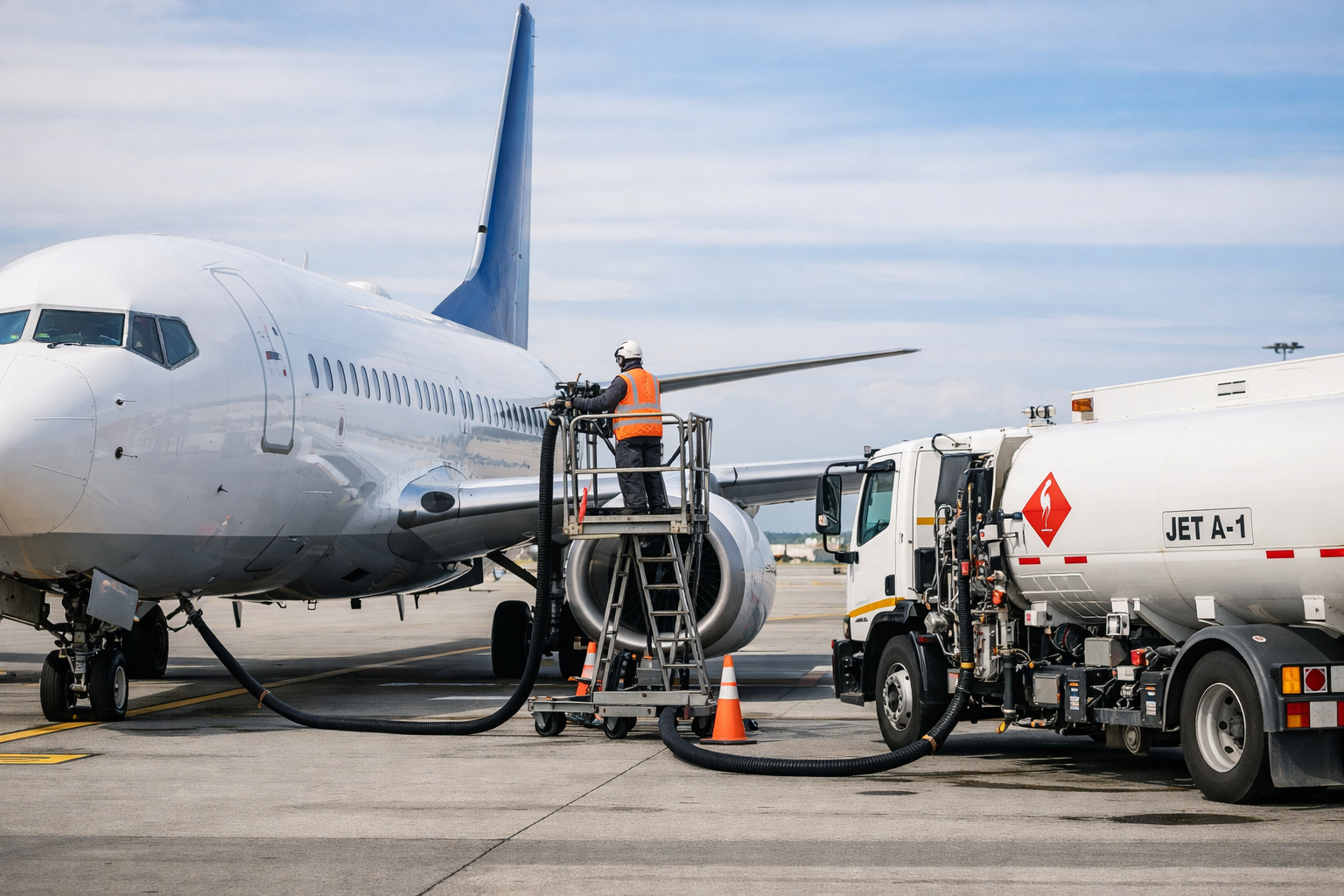
Airfare prices may rise with increasing fuel costs, and the government is considering urgent measures to avoid a direct impact on the wallets of Brazilians.
-
Chocolate prices soar nearly 15% and become a luxury item for Easter 2026, with increases surpassing inflation and changes in Brazilian consumption habits.

-
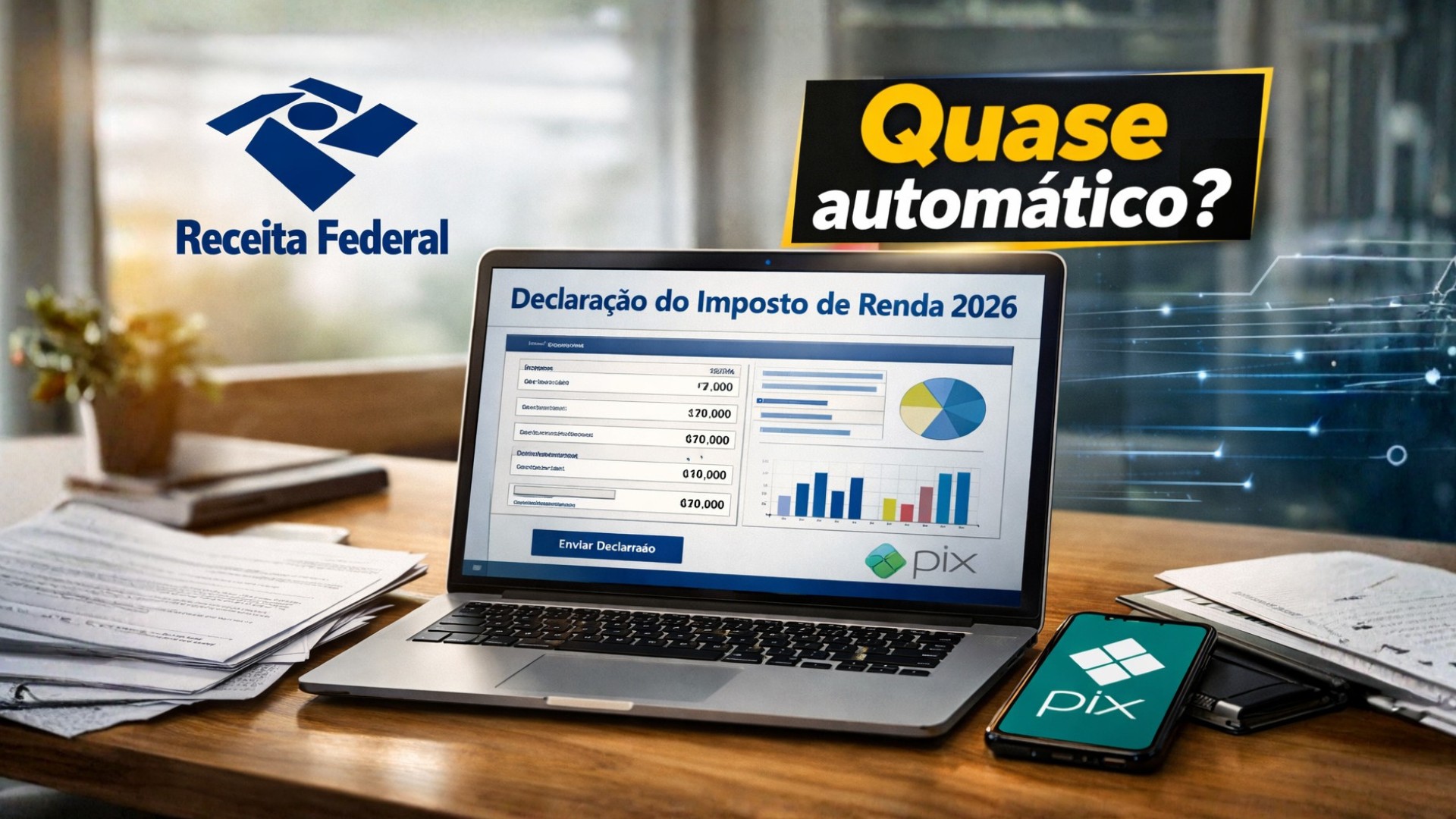
The Federal Revenue issues a good alert for Brazilian taxpayers: 60.9% are already using the pre-filled tax return, automatic refunds via Pix reach millions, and the government plans for a fully automated income tax in the coming years.
-
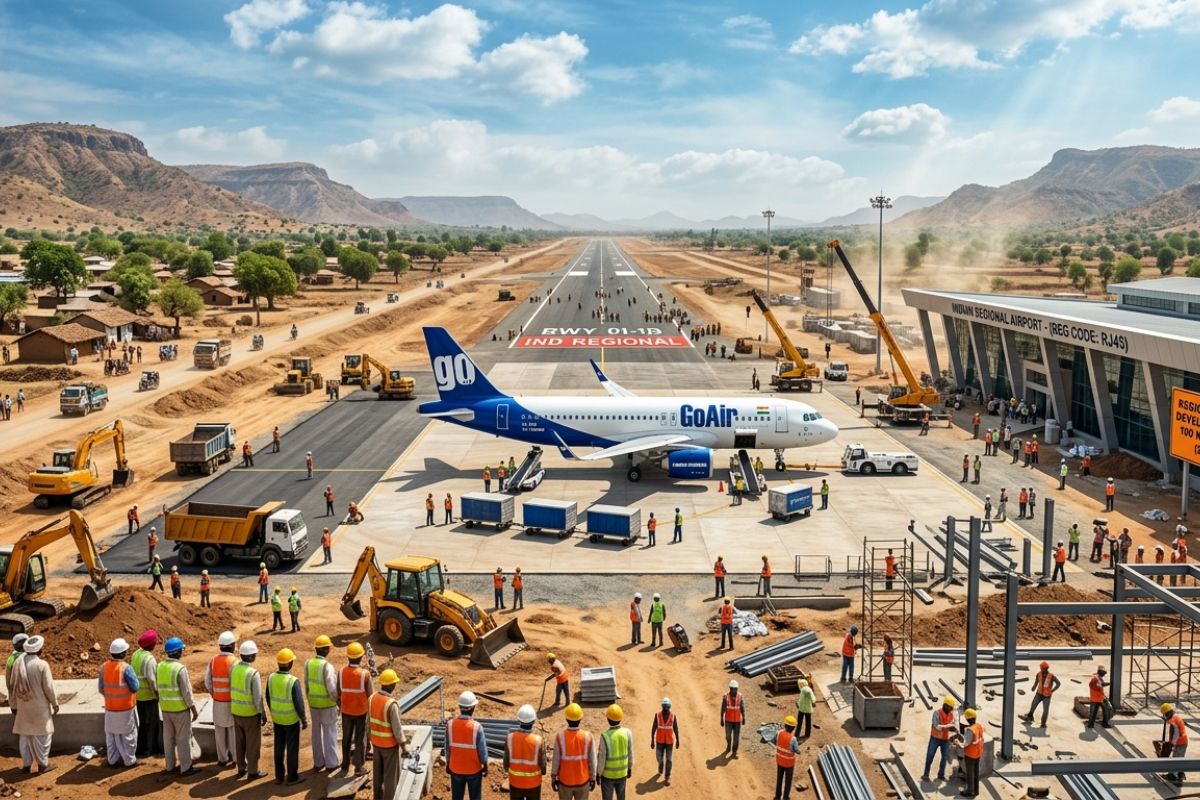
India announces a plan of $3.06 billion to bring aviation to forgotten regions: 100 new airports, $1.07 billion in subsidies, and regional routes guaranteed for 10 years, from 2026 to 2036, away from the centers.
The problem is that when a country imposes such sanctions, international banks typically follow suit to avoid issues with the global financial system. This means that Brazilian banks may find themselves at a crossroads: on one hand, they need to comply with the STF; on the other hand, they risk facing international penalties if they ignore U.S. rules.
“If Brazilian banks are cut off from the international financial system, that would be very bad for the country,” explained Bruno Takeo, an investment strategist. Another analyst, Alison Correia, stated that the market is reacting cautiously because it is still unclear how far this dispute may go.
The Risk for Banks and Brazil
According to sources in the financial sector, if Brazilian banks disregard the U.S. agency that enforces the sanctions, they could be virtually excluded from the global payments system. This would have a direct impact on the economy, complicating international operations and reducing investors’ confidence.
A bank director interviewed by Reuters summarized the situation: “Brazil has no choice. The difference in power between the American and Brazilian economies leaves us in a position of subjection.”
Banco do Brasil stated in a note that it is prepared to handle complex situations and that it complies with all Brazilian and international laws in the countries where it operates.
President Lula also met on Tuesday with ministers and leaders of state-owned banks and the Central Bank to discuss the crisis and attempt to reduce the risks of instability.
Drop Also in Other Companies
In addition to banks, other companies experienced significant losses. Raízen, from the energy sector, plummeted nearly 10% after Petrobras denied any partnership project with the company in the ethanol area.
On the positive side, few stocks escaped the general downturn. Companies like Minerva, Suzano, and Hypera managed to record small gains, but they were exceptions in a predominantly negative day.
Analysts emphasize that the Ibovespa is facing difficulties in advancing in the short term, as the international and political climate remains heavy. For many investors, the option at this moment is to seek protection in the dollar, selling stocks until the scenario becomes clearer.







Seja o primeiro a reagir!