





 Portuguese
  English
  Spanish
  3 min of reading
  0 comments


The Imposition of 50% Tariffs by the USA on Brazilian Products Triggers the Worst Week for Ibovespa in Years, Crashes State-Owned Company Shares, and Pressures the Central Bank with Price Increases.
The economy of Brazil experienced a strong jolt last week. Following the announcement by former U.S. President Donald Trump to impose a new round of tariffs on several countries, the Brazilian market was the most affected. The news of a 50% tax on domestic products hit like a bomb, generating a chain reaction that crashed the stock market, sank shares of Banco do Brasil, and raised a red flag on inflation.
The result was a week of widespread losses and uncertainties, placing investors and consumers on high alert for the upcoming developments of this crisis.
Stock Market in Free Fall: The Worst Week in Over Two Years
The impact of the tariffs was immediate on the Brazilian stock market. The Ibovespa, the main index of our market, recorded its worst week since December 2022, with five consecutive days of decline.
-
The largest food company on the planet, JBS, has just opened a 4,000 square meter laboratory in Florianópolis to develop customized proteins that modulate muscle mass gain, immune response, and metabolic performance.

-
After nearly 30 bids and competition among industry giants, a Spanish company purchases one of the largest airports in Brazil for almost R$ 3 billion and takes over the management of Galeão in a concession that will last until 2039.

-
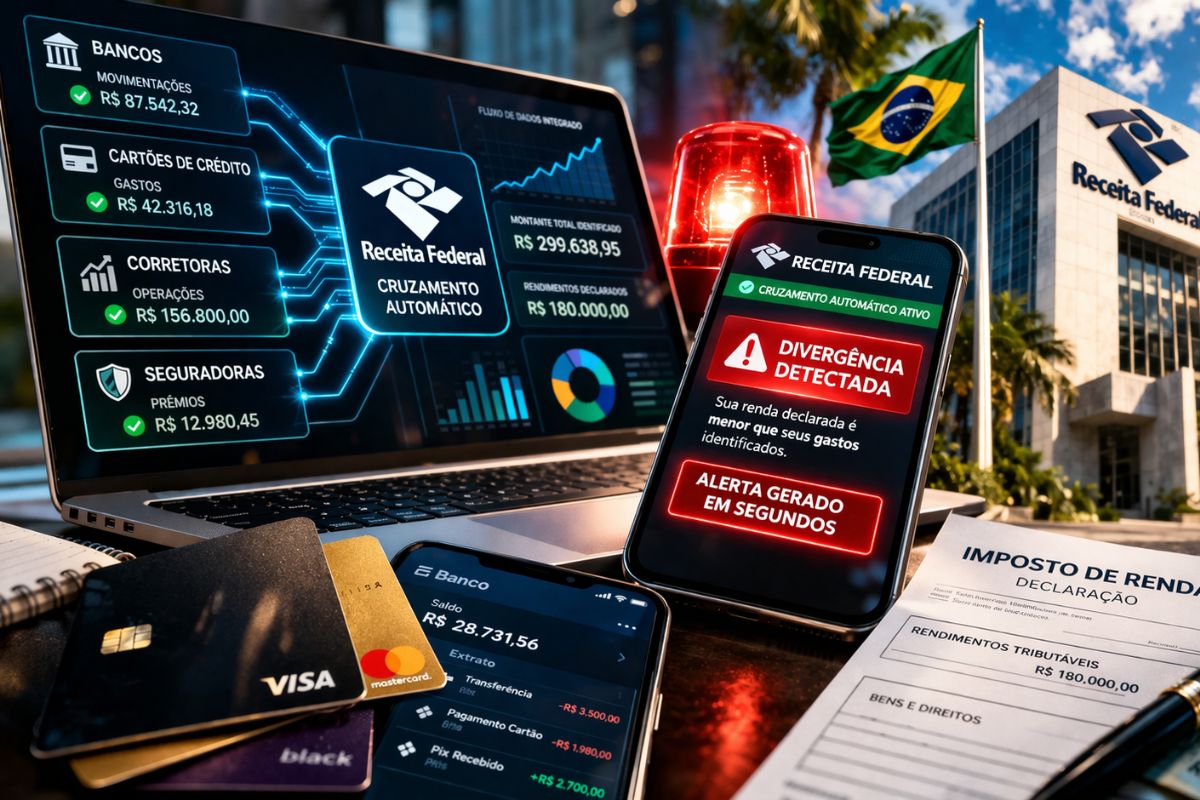
The Federal Revenue Service now automatically cross-references everything you declare with data from banks, credit cards, brokerage firms, and insurance companies, and any discrepancy between your income and your expenses triggers an alert in seconds.
-
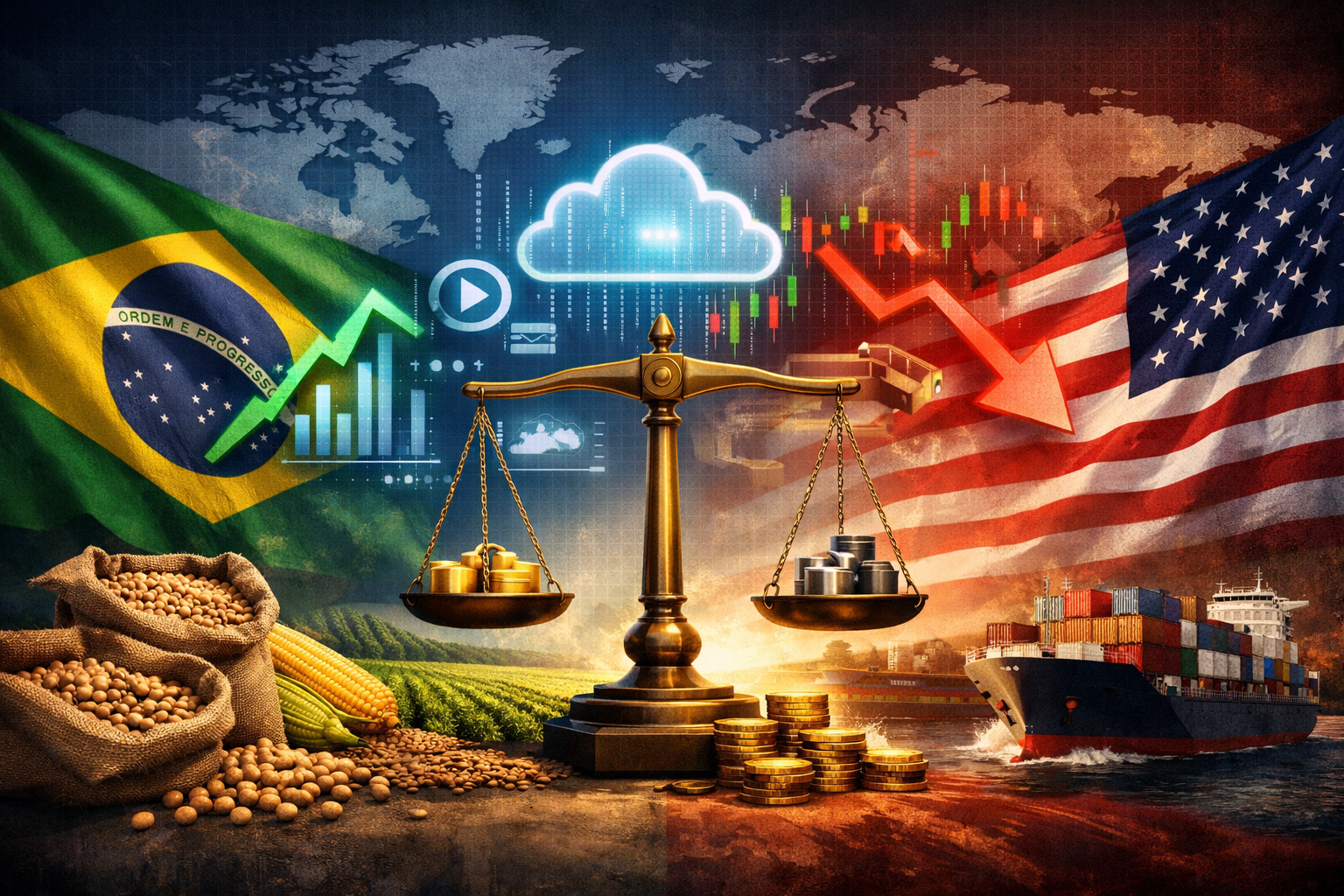
Amid global tensions, Brazil blocks the United States’ proposal at the WTO and paves the way for a trade crisis and possible retaliations.

The bleeding started with exporting companies, such as Embraer, which are directly affected by trade barriers. Then, pessimism spread, hitting banks and meatpacking companies hard, which helped pull the index down. Even the relatively good performance of giants like Petrobras and Vale was not enough to contain the losses.
Banco do Brasil: At the Epicenter of the Crisis
Banco do Brasil (BBAS3) was one of the companies that suffered the most. Its shares hit a yearly low, accumulating a drop of more than 28% since mid-May. The pessimism among investors, especially foreign ones, is so great that there are already over R$ 5 billion betting on the continuous decline of the bank’s shares.
The main reasons for this distrust are:
Delinquency in Agribusiness: The rise in defaults on rural credit, one of the bank’s mainstays, worries the market.
Credit for Companies: Analysts from major banks, such as Safra, warn that the results of credit for companies may also disappoint expectations.
Low Profitability: Although its share price is considered “cheap” by some metrics, Banco do Brasil shows a profit margin and return on equity lower than those of its main competitors, such as Itaú and BTG Pactual.
Out-of-Control Inflation: IPCA Exceeds the Target Ceiling
To complete the crisis scenario, the official inflation, measured by IPCA, surged. The accumulated rate over the last 12 months exceeded 5.3%, surpassing the Central Bank’s target ceiling of 4.5%.
In practice, this means that the room for the Central Bank to cut interest rates (Selic) has virtually disappeared. With prices rising, the monetary authority is cornered: if it cuts rates to stimulate the economy, inflation may spike even more; if it keeps rates high, the country’s growth is stifled.
Trump’s “tariff bomb,” combined with high inflation, creates an environment of great volatility. The trend, in times of global crisis, is for investors to withdraw money from emerging countries like Brazil, which may further pressure our economy in the coming months.
And how are you feeling the impact of this crisis on your investments and your wallet? Do you think the worst has passed or is the turbulence just beginning? Share your opinion in the comments.







Seja o primeiro a reagir!