





 Português
  Inglês
  Espanhol
  3 min de leitura


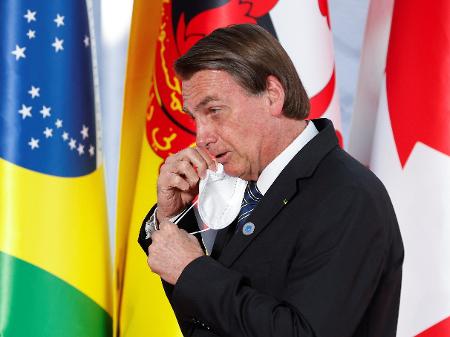
On his trip to the G20 summit, President of the Republic, Jair Bolsonaro, addressed a new increase in prices in Brazil regarding fuels such as diesel and gasoline. The accumulated increase is already around 50%. During the trip to Rome, Italy, he also spoke again about the possibility of privatizing the state-owned company Petrobras by 2022. The desire for closure and sale is not only Bolsonaro’s but also shared by other Brazilian politicians like João Dória, the governor of São Paulo, who recently also mentioned the possibility of selling the Bank of Brazil, BB.
- Read more:
- Michelin and General Motors Launch Airless Tire That Doesn’t Puncture; New Technology Will Revolutionize the Automotive Industry Worldwide
- Ingredion, Leader in Natural Source Ingredient Solutions, Has Job Openings at Its Factories in São Paulo, Rio de Janeiro, Paraná, and Pernambuco
In the same meeting, the President of the Republic stated that he intends to join a party this year. However, despite uncertainties regarding the matter, one of the options could be the Republicans. The PP and PL are also in this race. Regarding the elections in 2022, Dória is expected to run, along with Pacheco, the current President of the Senate.
Petrobras Privatization: Is It Good or Bad?
This may depend on the point of view. Liberals argue that it could be a good way to pay Brazil’s external debt, which has already reached over R$ 5.4 trillion, equivalent to about 80% of GDP, Brazil’s Gross Domestic Product. On the other hand, leftist groups argue that the state-owned company would be a good way to “keep the money coming in” and ensure the country’s subsistence. Furthermore, the federal government has already initiated some processes on the matter: in 2021, some Petrobras units were already sold while the brand had to start paying for rent.
-
Brazilian city gains industrial hub for 85 companies that is equivalent to 55 football fields.

-
Peugeot and Citroën factory in Argentina cuts production by half and opens a layoff program for more than 2,000 employees after Brazil drastically reduced purchases of Argentine vehicles.

-
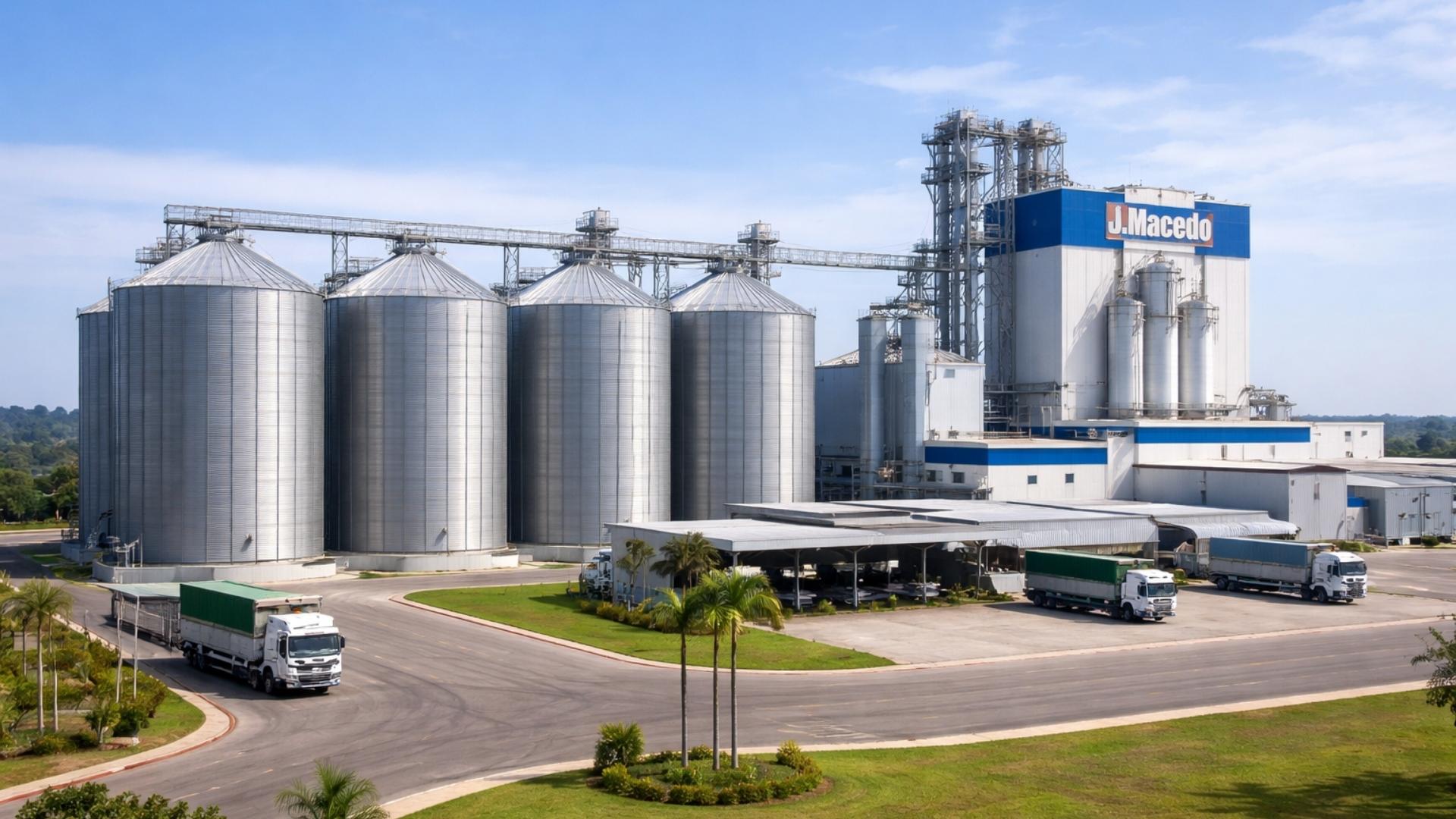
A Brazilian city gains a factory worth R$ 300 million with the capacity to process 200 thousand tons of wheat per year, a mill of 660 tons/day, silos for 42 thousand tons, and an industrial area of 276 thousand m².
-
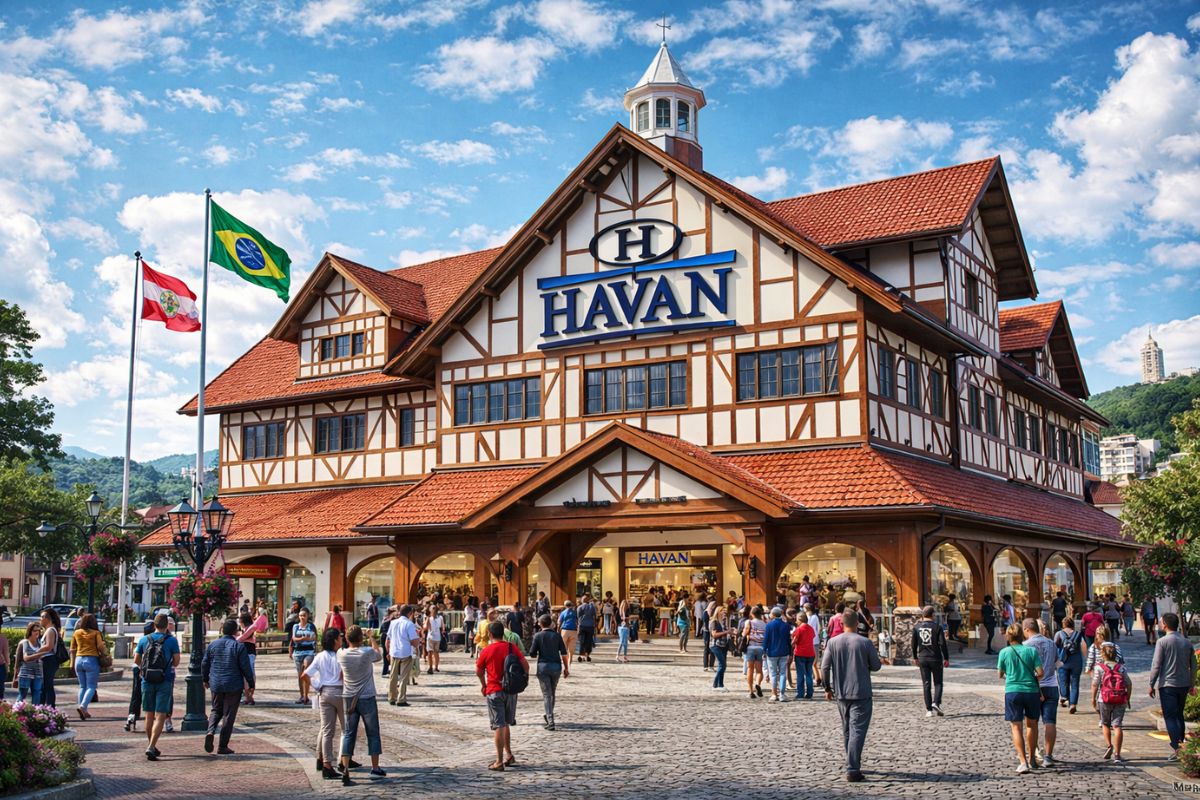
Havan will leave the shopping mall in Blumenau to inaugurate something that the chain has never done before: a megastore in half-timbered style in the Historic Center of the city, which is expected to be completed in May and change the landscape of local retail.

In recent times when Jair Bolsonaro discussed the sale of Petrobras units, the Brazilian stock market rose again, reaching increases above 2% per day, while the dollar remained stable. This indicates that at least investors see the action as positive for the country.
The state-owned Petrobras is not the only one on the list of President Jair Bolsonaro; the Post Office and even Eletrobras have also made it to the list of potential sales for 2021, although the project is still stalled.
- Read more:
- After Ford Announced the End of Troller in Brazil, Americans Discover That the Vehicle Manufacturer Was Preparing Troller with Ranger Raptor Engine and Mustang Transmission
- National Leader in Manufacturing and Renting Flexible Canvas and Steel Warehouses Calls for Candidates Seeking Reemployment or First Job in Various Areas
New Fuel Price Increase
As mentioned earlier, the president addressed the possibility of a new fuel price increase at the G20 summit. In at least seven Brazilian states, the price of a liter of gasoline is already over R$ 7. In Santa Catarina, a state where the truck drivers’ strike was banned by the STF, the Supreme Federal Court, the price could exceed R$ 8 by the end of the year. Currently, the average is R$ 6.50.
Acre, Rio de Janeiro, and Rio Grande do Sul are the states that are experiencing the most significant increases so far. Pacheco, the President of the Senate, recently stated he would meet with Petrobras President, Luna e Silva, to discuss the current pricing policy and think about ways to address the instability.









Seja o primeiro a reagir!