





 Portuguese
  English
  Spanish
  2 min of reading


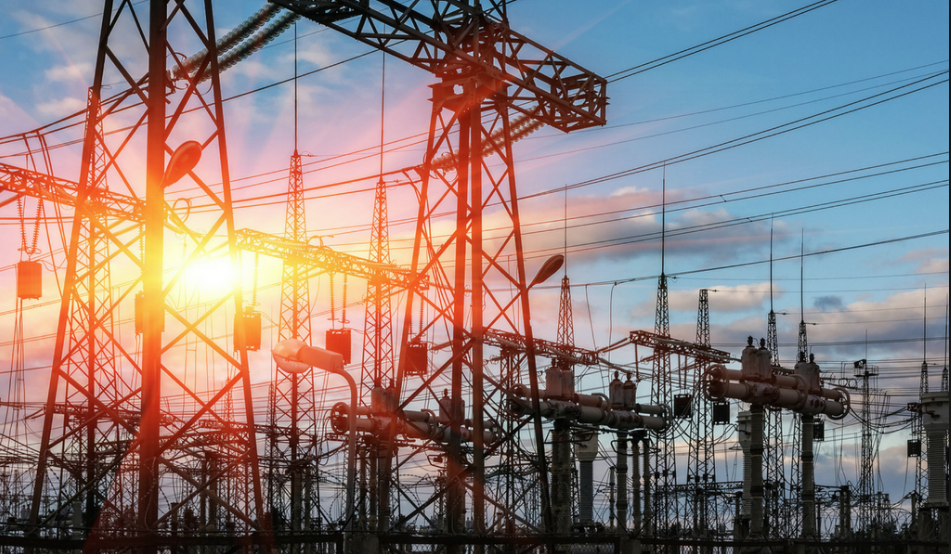
In Addition To The Reduction Of Electricity Tariffs, The Provisional Measure Approved By The President Also Allows The Private Sector To Explore The Nuclear Power Plant Of Angra 3
The President of the Republic, Jair Bolsonaro, sanctioned a provisional measure to try to reduce tariffs for electricity consumers until 2025, resume construction of the Angra 3 nuclear power plant, and change the incentive rules that encourage clean energy companies. Bolsonaro says he only vetoed what he considered to be against the public interest.
Also Check Other News Of The Day:
Electricity
The project approved by Congress has the main objective of reducing the economic impact of the pandemic on the sector, lowering electricity prices for electricity users across Brazil, and continuing to monitor electricity prices in the North region, especially for distributors linked to Eletrobras, which were privatized.
For example, according to the law, consumers in the northern states will no longer need to pay for loans granted to distributors when they were temporarily controlled by the alliance prior to privatization.
-
With an investment of R$ 612 million, a capacity to process 1.2 million liters of milk per day, Piracanjuba inaugurates a mega cheese factory that increases national production, reduces dependence on imports, and repositions Brazil on the global dairy map.

-
Brazilian city gains industrial hub for 85 companies that is equivalent to 55 football fields.

-
Peugeot and Citroën factory in Argentina cuts production by half and opens a layoff program for more than 2,000 employees after Brazil drastically reduced purchases of Argentine vehicles.

-
A Brazilian city gains a factory worth R$ 300 million with the capacity to process 200 thousand tons of wheat per year, a mill of 660 tons/day, silos for 42 thousand tons, and an industrial area of 276 thousand m².

Angra 3 Nuclear Power Plant
The proposal also allows the private sector to conduct the exploration of the Angra 3 nuclear power plant under the authorization regime. The National Energy Policy Commission (CNPE) is the agency responsible for granting the authorization, which can be used for up to 50 years and extendable for another 20 years.
Incentives For Clean Energy
The proposal also changed the incentives to encourage companies based on clean energy, such as solar, wind, and biomass power plants. The text outlines the benefits of tariffs applicable to energy transmission and distribution systems and applies to clean energy companies that apply for financing within 12 months from the date of approval of the project and start operations on the day the project is implemented 48 months after that. Subsequently, the resources will not be applied to these new projects.








Seja o primeiro a reagir!