





 Portuguese
  English
  Spanish
  6 min of reading
  0 comments


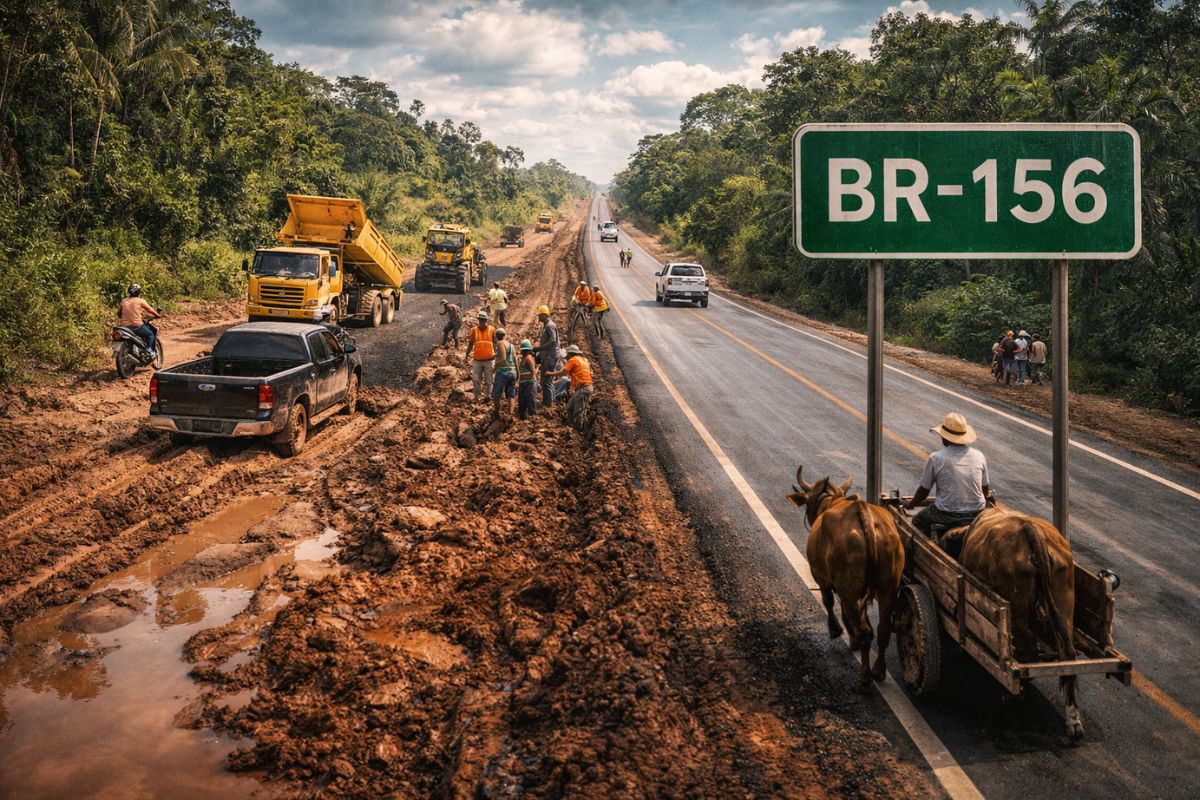
BR-156 South Trunk Works Receive R$ 380 Million, Pave 62 Kilometers Between Igarapé Água Branca and Maracá, Integrate the New PAC by 2026, and Promise to Reduce Stuck Vehicles, Delays, Accidents, and the Daily Isolation of Those Who Depend on the Highway Between Macapá and Laranjal do Jari in the Far South of Amapá
The federal government detailed the R$ 380 million package allocated to the BR-156 in the stretch known as the South Trunk, between Macapá and Laranjal do Jari, within the New PAC schedule planned until 2026. The project aims to pave approximately 62 kilometers between Igarapé Água Branca, in the Jari area, and the community of Maracá, with an estimated timeframe of 36 months after the signing of the Service Order and the release of environmental licenses.
Over decades, BR-156 has become synonymous with getting stuck, unpredictable trips, and isolation for communities in southern Amapá. The goal now is to turn the South Trunk into a continuous paved corridor, capable of shortening travel time between Macapá and Laranjal do Jari, reducing regional freight costs, and ensuring that ambulances, school buses, and trucks no longer get stuck in the mud whenever the rain intensifies.
What is Contracted for the New Section of BR-156 South Trunk

The announced package for BR-156 in the South Trunk includes paving, platform adjustment, and special works along approximately 62 kilometers, connecting Igarapé Água Branca to the community of Maracá.
-
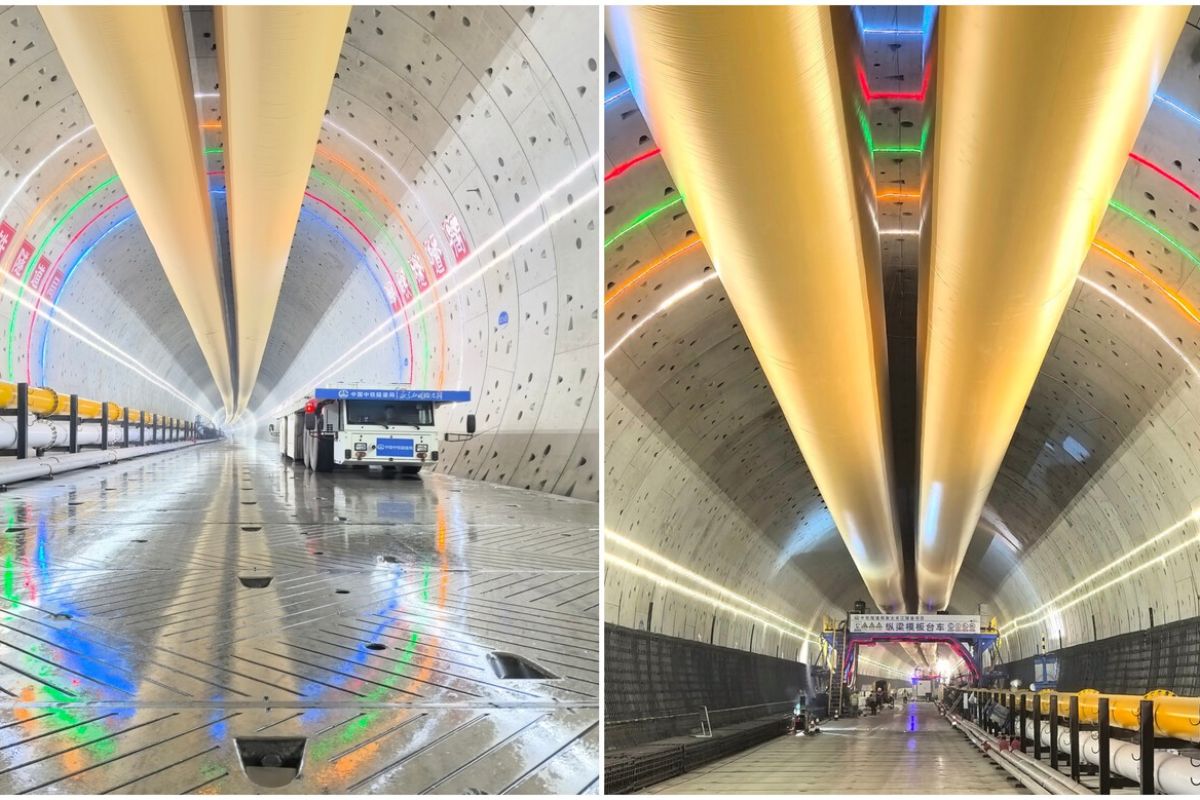
China completes the most critical section under the Yangtze River with the intelligent tunneling machine Linghang, excavating 11.32 continuous kilometers at depths of up to 89 meters and transforming the Chongming-Taicang tunnel into a landmark that redefines the scale of high-speed rail engineering in the 21st century.
-
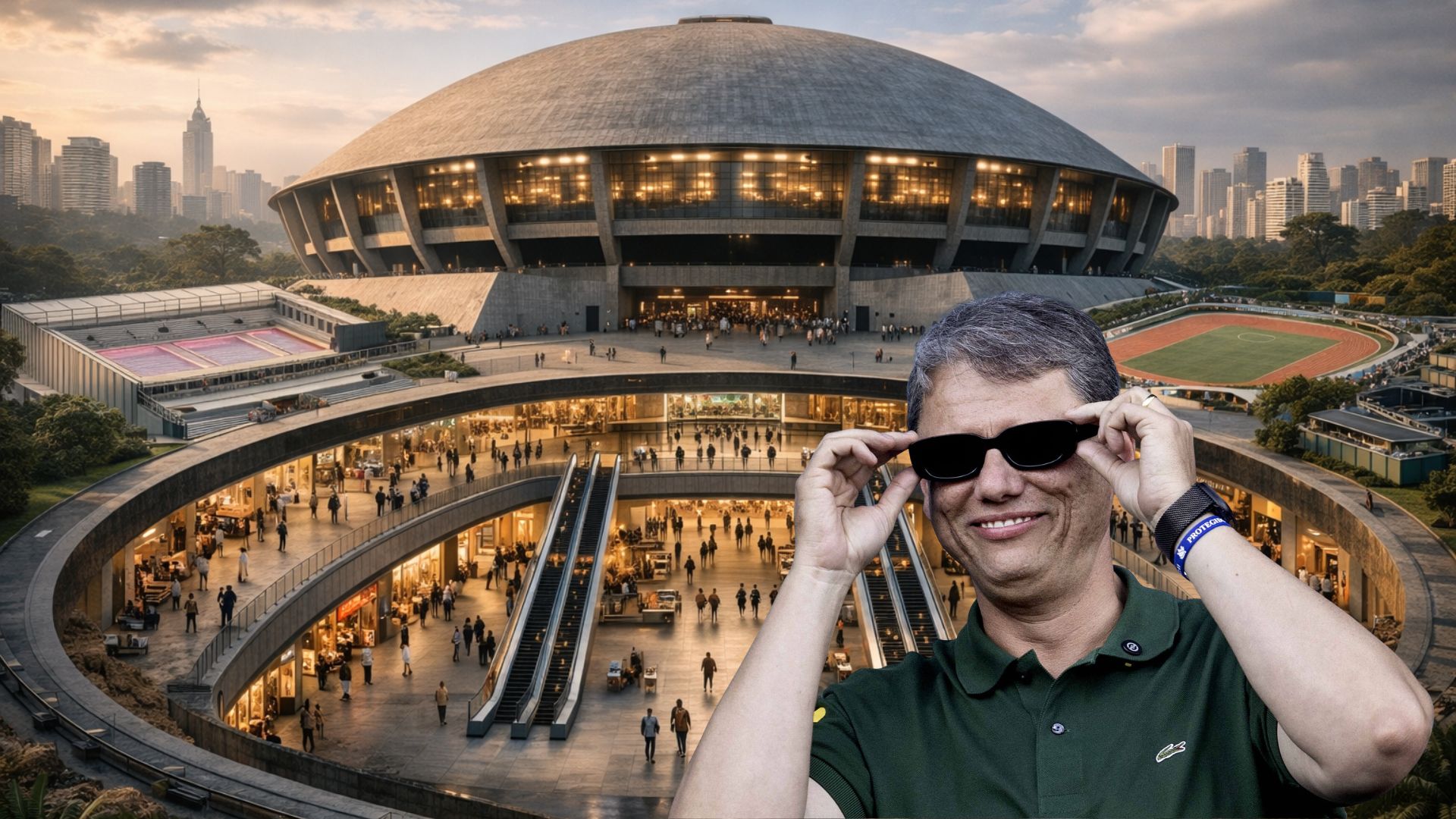
The government of São Paulo surprises South America with a plan to transform the famous Ibirapuera with underground shops, air conditioning, and a 25-year concession in a billion-dollar project that expands the audience, alters a protected area, and provokes an immediate reaction.
-
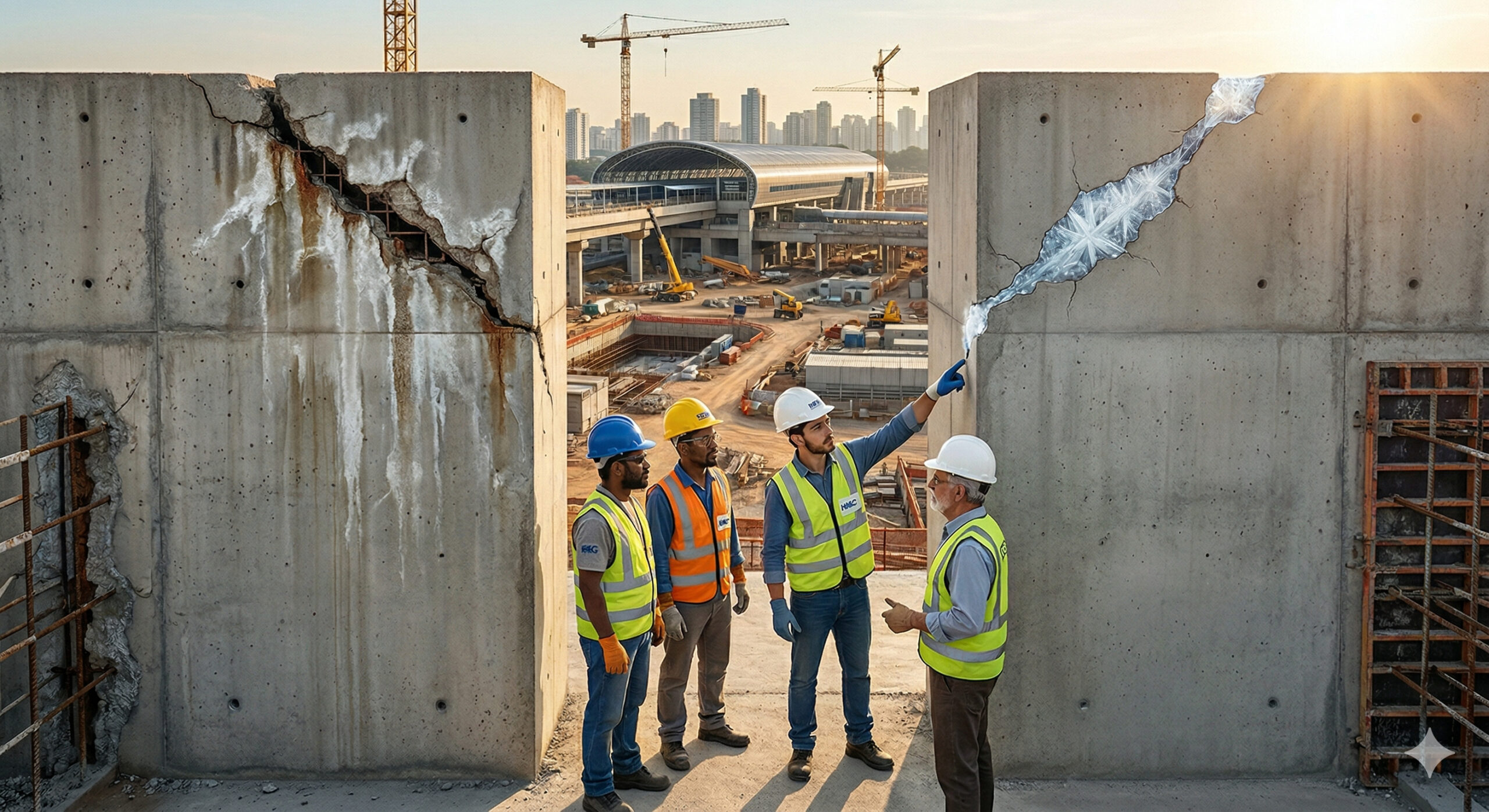
With a lifespan of up to 60 years and a cost up to 30% higher than conventional concrete, self-healing concrete is already being used in Brazil to eliminate leaks, reduce maintenance, and is changing the real cost of construction projects.
-
Engineered wood CLT challenges steel and concrete and promises construction that is up to 2x faster with a lower environmental impact in modern civil engineering.

This section is in an area of forest and unstable terrain, where trafficability is currently limited, with dirt stretches prone to deep potholes, permanent puddles, and critical stuck areas during rainy periods.
The investment of around R$ 380 million is linked to the New PAC, which prioritizes interventions in strategic federal highways in the North region.
In practice, each paved kilometer of BR-156 in this stretch represents less time wasted on the road, less mechanical wear for trucks and buses, and more predictability for those who rely on road transport to work or to move produce.
The work includes drainage, curve correction, base reinforcement, and the implementation of structures such as culverts and small bridges, ensuring that the paving is not just a layer of asphalt over weak soil, but a set of solutions designed to withstand years of intensive use, heavy rains, and heavy traffic.
How the Bidding Was Structured and the Current Status of BR-156
The bidding for Lot 2 of BR-156 South Trunk was launched at the end of 2024, with plans for contracting in the first half of 2026, following the schedule for proposal analysis and environmental licensing.
This lot will be the third in the region to begin work, joining Lots 1 and 4, which already have active work fronts, and Lot 3, which is being executed in other segments of the highway.
The division into lots was planned to allow for phased execution, with a lower risk of widespread stoppages, facilitating contract management and technical and environmental oversight. While one stretch advances in earthworks, another can be in paving or drainage phases, preventing the entire BR-156 corridor from being stalled waiting for a single license or administrative decision.
This model also helps adapt the schedule to weather windows and the logistics of mobilizing heavy equipment, engineering teams, and supplies.
On a highway that passes through isolated areas, logistical planning is as decisive as budgeting, and any mistake can delay the entire operation in practice.
Why BR-156 South Trunk is a Strategic Corridor for Amapá
BR-156 has a total length of about 821 kilometers, but the South Trunk, between Macapá and Laranjal do Jari, concentrates about 243 kilometers with a central role for Amapá.
In this stretch, the highway is the main land link between the capital and the Jari region, serving as an axis for freight transport, worker movement, and access to basic services.
Today, much of this route still presents sections of dirt, narrow curves, and critical points that jeopardize safety.
When BR-156 is impassable, the flow of agricultural, timber, and industrial supplies production is compromised, and entire communities see medical consultations, medication deliveries, and school routes suspended for days.
The continuous paving of the South Trunk is expected to complement river transport and integrate the region with ports, cargo terminals, and other federal highways, expanding logistical options and attracting new productive enterprises.
The expectation is that a BR-156 that is more stable will stimulate investments in local value chains, reducing dependence on few suppliers and fragile routes.
What Changes in the Routine of Those Who Depend on BR-156
For those living in communities along BR-156, the main expected change is predictability.
Instead of leaving at dawn not knowing whether they will arrive at their destination in six hours or two days, drivers can now plan work shifts based on a minimum speed floor guaranteed by the asphalt.
This reduces fuel costs, tire wear, and the risk of damage to the suspension of cargo and passenger vehicles.
The circulation of ambulances and school buses is also directly affected. With a paved BR-156, transporting critically ill patients to Macapá is no longer dependent on the luck of not encountering completely stuck sections.
Similarly, students from rural areas are less likely to have interruptions in their academic calendar due to rainfall and mud.
In commerce, the improvement of the highway tends to lower the prices of some products and increase the supply of perishable items in cities like Laranjal do Jari, reducing losses with goods that currently spoil along the way.
At the same time, local producers gain better conditions to send their products beyond the region, connecting with broader markets without solely depending on boats and river navigability conditions.
Next Steps to Solidify BR-156 as a Corridor by 2026
The next few years are set to be decisive for the future of BR-156 South Trunk.
The expected schedule includes completing open bidding, signing pending contracts, and effectively issuing Service Orders for all lots still in the preparatory phase.
In parallel, the environmental licensing process, adjustments to the executive project, and agreements with communities affected by the work continue.
With the onset of field implementation, the priority will be to ensure continuous work fronts, quality oversight of the asphalt, and compliance with deadlines, avoiding abandoned sections or works stalled due to basic planning flaws.
The completion of the lots is expected to gradually render the layout between Macapá and Laranjal do Jari more homogeneous in terms of paving, signaling, and safety standards.
The declared goal is that by 2026, the South Trunk of BR-156 will be close to a standard of stable logistical corridor, with a lower risk of prolonged interruptions and the capacity to sustain regional economic growth.
Until then, the challenge will be to transform allocated resources into kilometers effectively delivered, under constant monitoring by oversight bodies, the Ministry of Transport, and the local community.
Given this scenario, in your opinion, what is currently the biggest problem to be resolved in BR-156 South Trunk: quickly completing the 62 kilometers of pavement announced or ensuring that the entire highway is maintained in good condition after the works are inaugurated?






-

-

-

-

-

-

20 pessoas reagiram a isso.