Portuguese
  Spanish


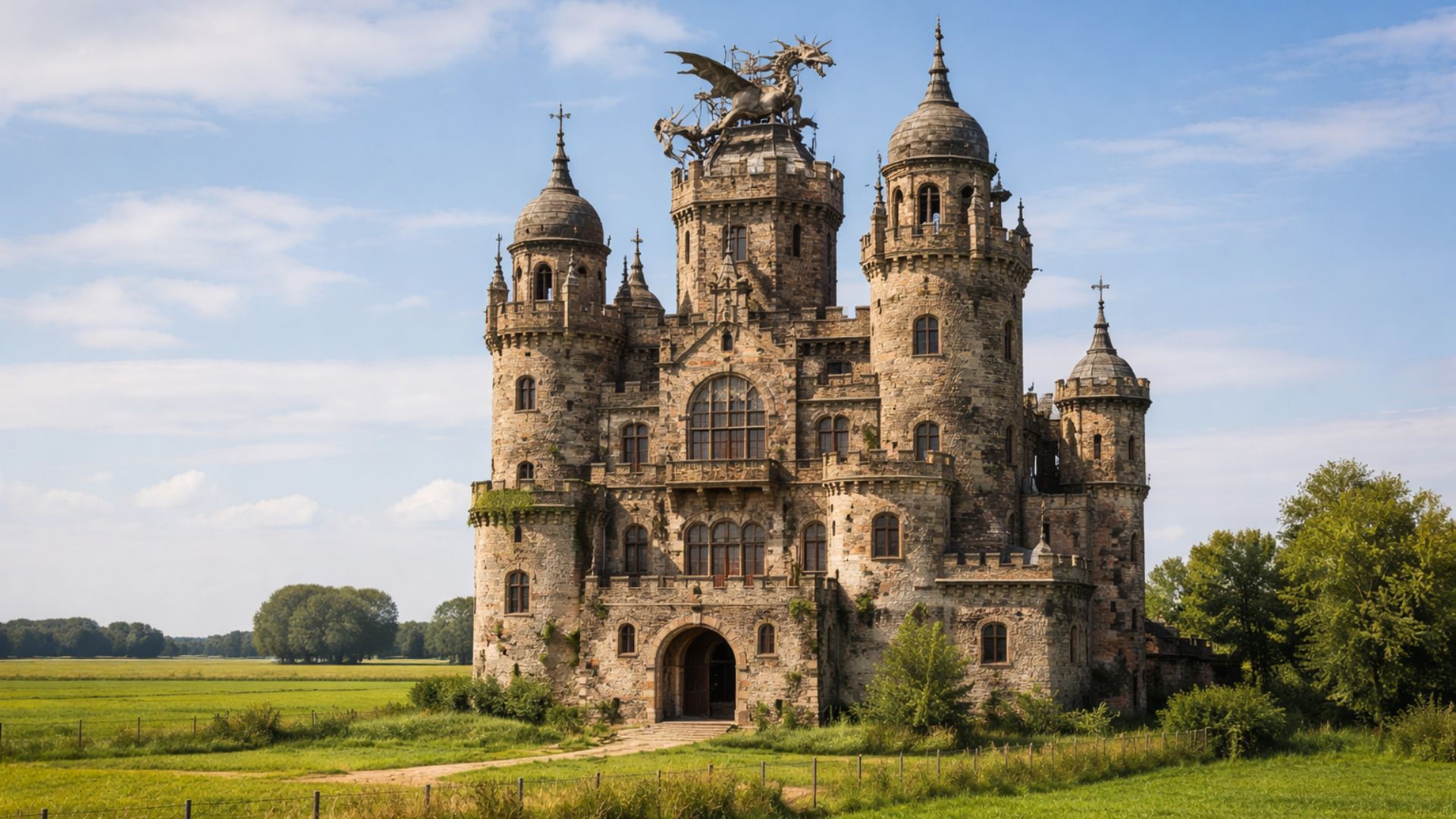

Unusual construction in the interior of Holland mixes architecture, recycling, and cultural references from several countries in a personal project that took decades to take shape and became a visitable attraction.
In the north of Holland, in the village of Blesdijke, retired Gregorius Halman built a five-story castle about 26 meters high in his backyard, which became a local attraction and started to receive guided tours.
Named Olt Stoutenburght, the construction began in 1990, without a formal plan or architect, and continues to transform more than three decades later.
Construction without formal project and continuous growth
The work draws attention not only for its unusual size in a rural area of flat landscape but also for the collection gathered over the years.
-
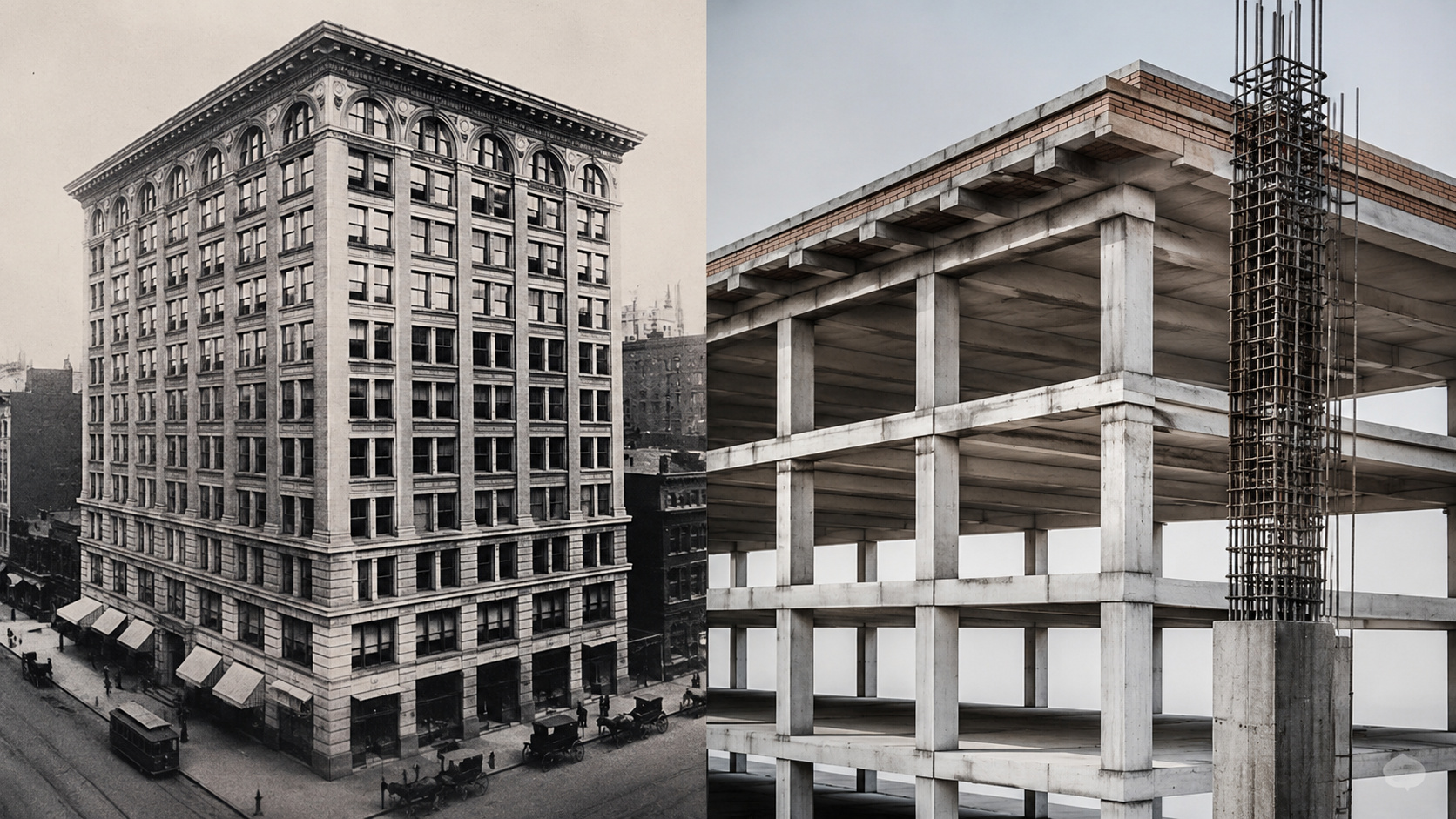
Builders challenged experts, erected a 16-story building using only reinforced concrete when the known limit was six floors, and proved that skyscrapers would never be the same again.

-
Up to 60 concrete mixer trucks pour 380 m³ of concrete onto the “big slab” of Niemeyer’s first work in Amazonas, in a decisive stage of the construction of the monumental oca that will mark the Parque Encontro das Águas in Manaus.

-
Alert in Santa Catarina: the Anita Garibaldi Bridge on BR-101 is completely closed in both directions due to “structural risk,” and drivers are diverted to a 20 km/h detour that promises kilometer-long queues until July 20.

-
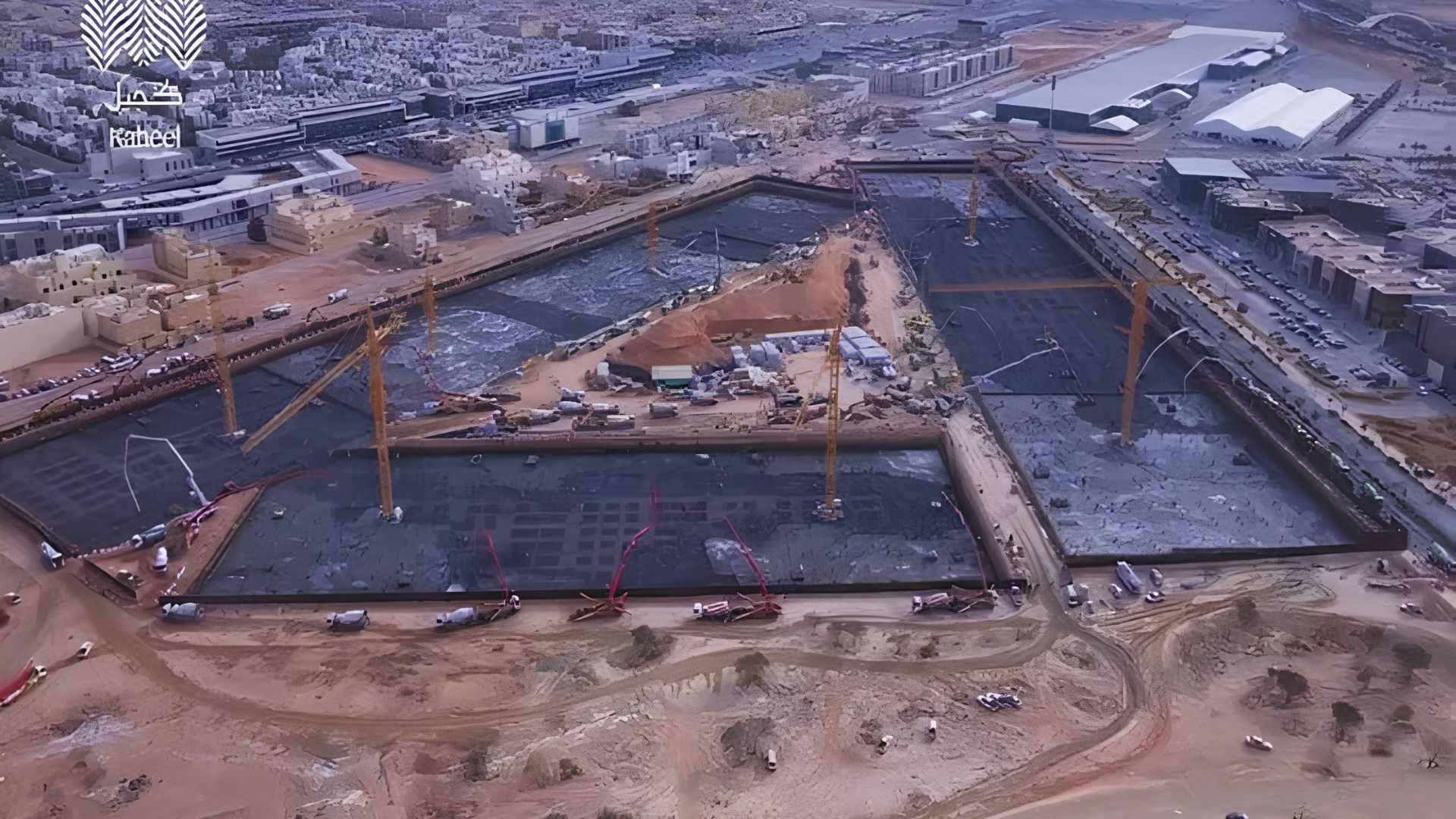
More than 6,000 trucks poured nearly 70,000 cubic meters of concrete without interruption for 72 hours to create the largest continuous concrete pour in history and erect a megaproject in Saudi Arabia.


According to the official website of the castle, Halman worked with over 250,000 hand-carved bricks and incorporated recycled and antique materials, such as prison doors, an English fireplace, and ornamental stones from different parts of Europe.
A report distributed by AFP in May 2024 added that the project also gathered pieces from dozens of countries, including ornamental railings in Jugendstil style brought from Libya and a metal chandelier from Istanbul for the main hall.

The same report described the ensemble as a Roman-style construction, marked by visual influences that escape from a single architectural tradition.
Authorial project and vision of the creator
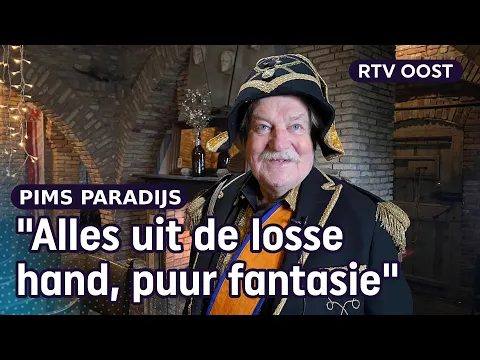
Halman is presented by the official website as an artist, builder, and “lord of the castle,” a definition that helps summarize the personal nature of the venture.
Instead of reproducing a historical fortress with museum rigor, he transformed the land into an authorial project, guided more by aesthetic vision and manual work than by conventional residential engineering methods.
The very narrative of the castle highlights that everything started with an idea developed outside the usual construction standards.
The official portal states that Halman laid the first stone in 1990 and progressed without a detailed technical drawing, making the work a continuous process.
In an interview reported by AFP, he said he already had the complete image of the building in his mind when he decided to start construction.
Recycled materials and international references
This method helps explain the hybrid appearance of Olt Stoutenburght.

The towers rise in contrast to the open fields of Friesland and produce an unusual visual effect for the region, known for its wide horizons, water, and rural areas.
The location in Blesdijke, in the municipality of Weststellingwerf, reinforces the uniqueness of the castle precisely by distancing it from the traditional settings associated with European palaces and walls.
The selection of materials is a central part of the castle’s identity.
The official website states that each stone was chosen, cut, and laid by Halman, while antique and recycled items were integrated into the structure to give historical texture to the ensemble.
Instead of uniformity, the construction bets on the layering of origins, styles, and eras.
The AFP report detailed some of these elements and showed how the decoration spreads across different cultural traditions.
In addition to the Libyan railings and the chandelier from Istanbul, the interior houses objects linked to travels made by the retiree in search of pieces compatible with the image he intended to materialize.
The choice of items, according to the report, does not follow a single school but a deliberately varied composition.
At the top of the construction, one of the most visible symbols summarizes this logic well.
AFP described a dragon made from hundreds of recycled metal fragments, installed above the building as a reference to the Chinese tradition of house protection.
The same report also mentions a metal snake inspired by the imagery of ancient Egypt, which broadens the visual repertoire of the project and reinforces its character of architectural collage.
Although the work is often associated with a medieval appearance due to the towers, battlements, and sculptures, the official material insists on another source of inspiration.
The castle is described as a creation with a Roman base, built in contrast to the more functional lines of contemporary architecture, and later expanded with additions that made the result more scenic and less classifiable.
Guided tours and opening to the public

Over the years, Olt Stoutenburght ceased to be just a long-term home project and began to operate as a visitable space.
The official website states that the tours are conducted by Gregorius Halman himself, although there may be substitutions in specific cases, and that the route presents the history of the construction, the philosophy behind the project, and details that the creator considers essential for the experience.
The visiting conditions show that the opening to the public has gained a more organized structure.
According to the official scheduling page, guided tours last about an hour and a half, operate by reservation, and are generally intended for groups of at least 15 people.
The castle also offers rental for photography, filming, events, and accommodation in the vicinity.
On the agenda published by the site, there is even a program of open doors and activities linked to the space, a sign that the project has gained a clearer tourist dimension.
Still, the institutional narrative maintains the focus on the idea of “work in progress,” emphasizing that the castle is never completely finished and that each visit finds an environment slightly different from the previous one.
Unexpected visual landmark in the Dutch landscape

What sustains the ongoing interest in the castle is the rare combination of scale, persistence, and individual authorship.
Instead of arising from a developer, a specialized office, or a historical preservation policy, the building was born from the insistence of a single visionary.
The official presentation itself defines the place as a “life’s work,” built stone by stone over more than 35 years.
Also for this reason, the construction escapes the logic of historical replica.
Olt Stoutenburght does not intend to be an ancient castle restored, nor a faithful copy of a famous fortress.
It is a private creation set in the Frisian countryside, where towers, sculptures, repurposed materials, and cultural references from various points in the world form a set that is difficult to fit into rigid categories.
Today, the castle stands as one of the most improbable images of Blesdijke.
Five stories raised without a traditional plan, over 250,000 hand-carved bricks, international pieces, and a metal dragon on top help explain why the place has become a point of curiosity.
In a region known for the horizontality of the landscape, Halman produced a visual breaking point that transformed his backyard into a destination for visitors.