





 Portuguese
  English
  Spanish
  3 min of reading
  0 comments


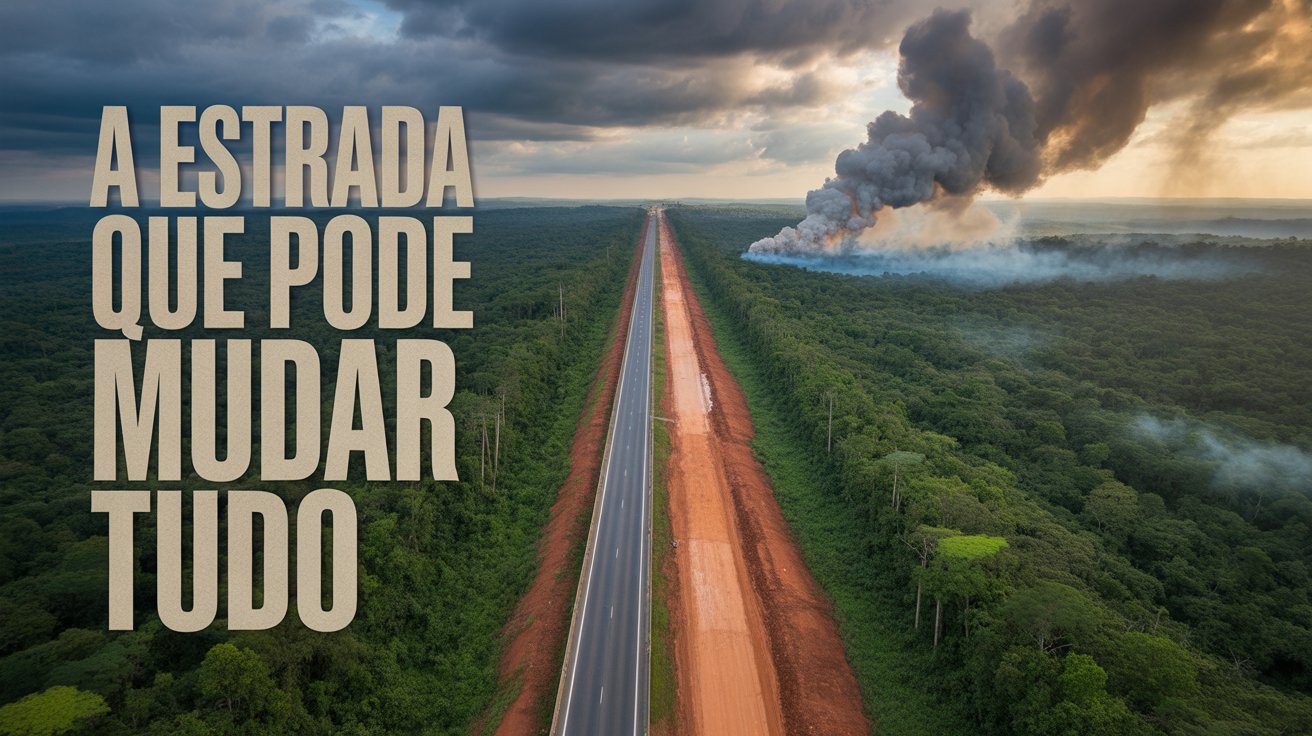
The Central Section of BR-319 Concentrates Dispute Between Development and Preservation, Exposing Amazonian Communities to Dilemmas of Infrastructure, Environmental Impacts, and Governance, With High Risk of Deforestation and Greenhouse Gas Emissions.
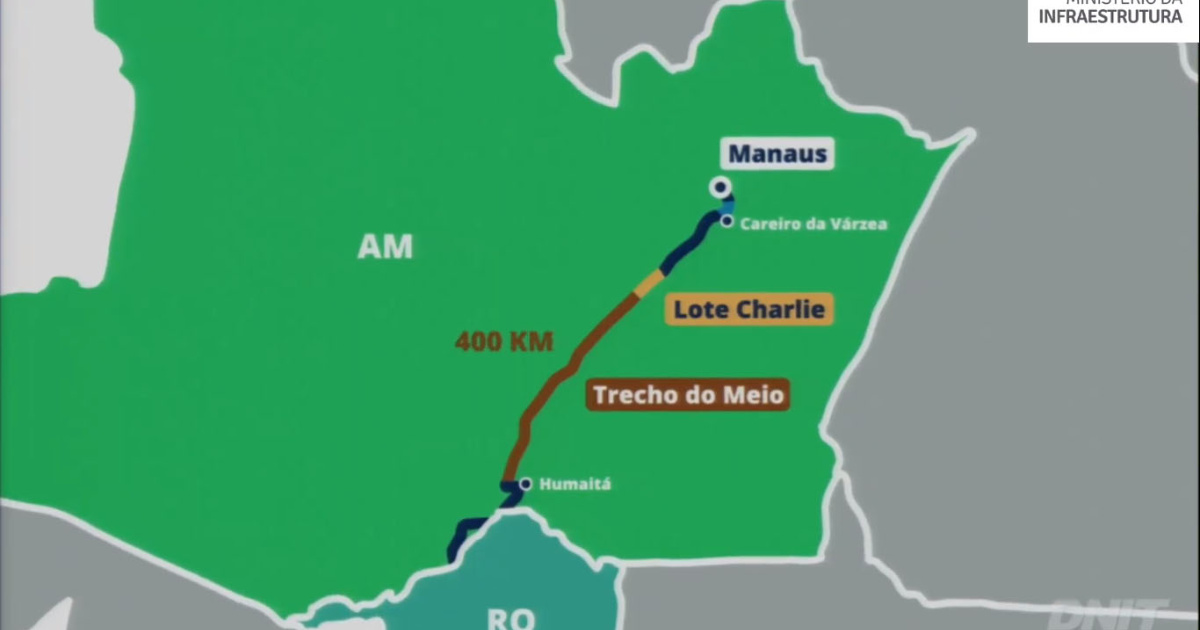
The 52 km section in the “middle” of BR-319 has kept the road that connects Manaus (AM) to Porto Velho (RO) at the center of a dispute between development and conservation for decades.
Among the riverside communities, the desire for mobility coexists with the warning of 8 billion tons of CO₂ and the pressure on 6 million hectares of public lands and protected areas if the project advances without safeguards.
The paving of BR-319 appears as a promise of lower prices and access to services, but also as a vector for deforestation, land grabbing, and land conflicts.
-
Meta and YouTube condemned for addiction to social media: ruling links the operation of the platforms to the worsening of anxiety and depression.

-
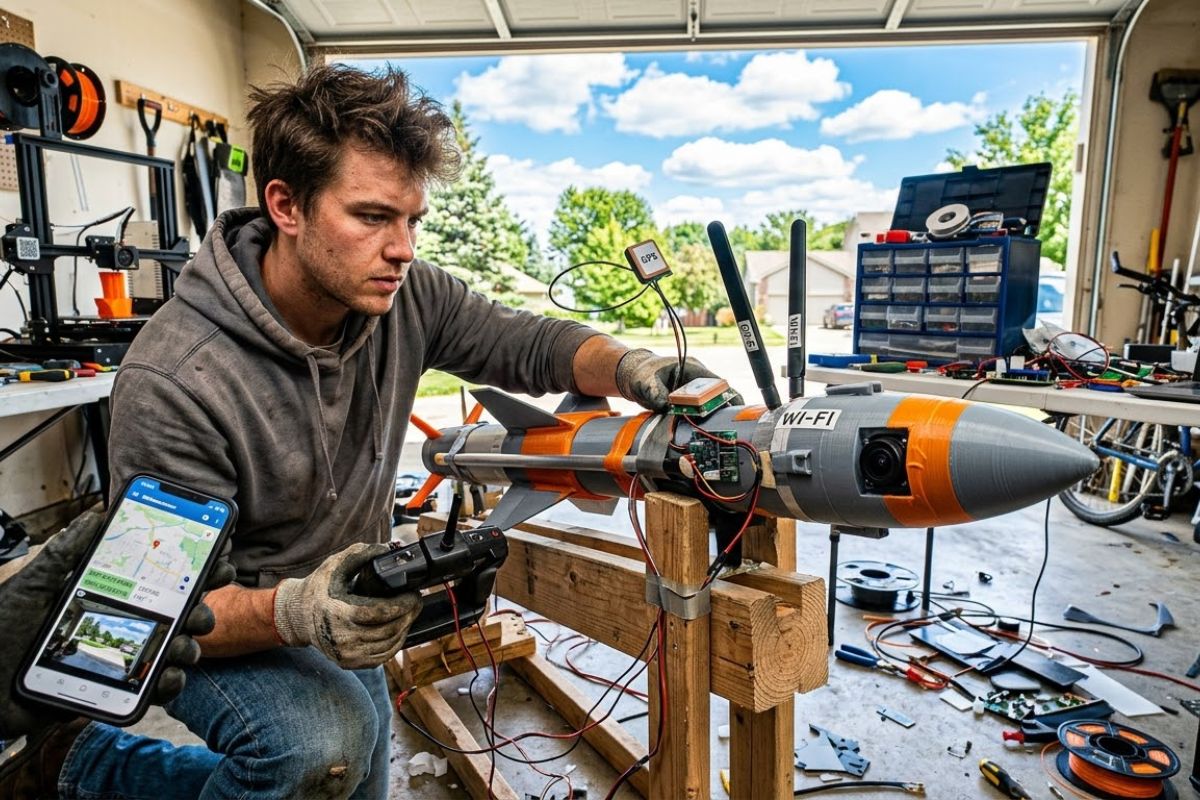
For just 96 dollars and with a 3D printer, an amateur created a prototype of a homemade guided missile with GPS, camera, and Wi-Fi tracking system, and this raised the debate about printed weapons to a frightening level.
-
The government will charge up to R$ 650 from pet owners in 2026, and tourists traveling with their dogs will have to pay a daily fee; the measure surprised thousands of pet ‘parents’ in Italy.
-
Man swaps his cellphone and modern life for a shelter in a tree to test the limits of mental sanity and physical preparedness.

In Santo Antônio do Mamori (AM), 58 families live this contradiction in their daily lives.
The community leader Nilcinha Amaral supports the road but demands planning.
“We know it will facilitate the arrival of grains, access to food, such as meat and chicken.
So I ask: what project is being made for this?
What does it contemplate?
What security do we, who live around BR, have to prevent this impact?
What projects are coming to serve these communities?”
What Is at Stake in the 52 km
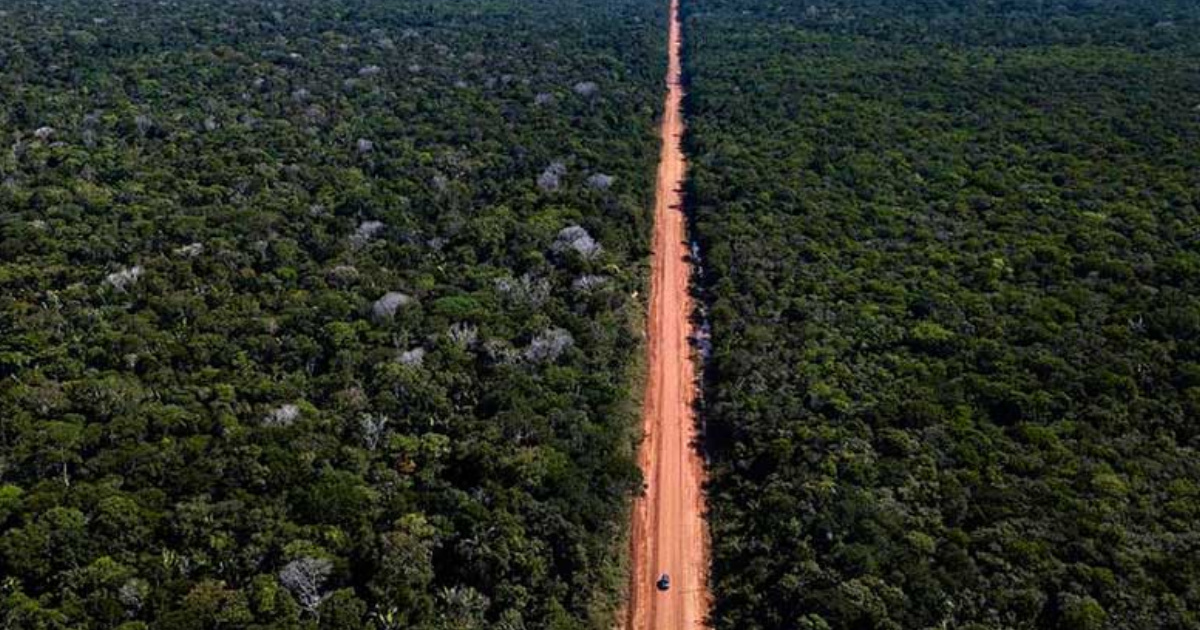
The work focuses on the central section, surrounded by Conservation Units and indigenous lands.
According to academic studies, reopening and paving could release 8 billion tons of CO₂, an amount comparable to more than two decades of deforestation in the Amazon.
Why does such a short segment generate so much debate?
Because roads in the forest tend to open “branches,” facilitating illegal occupations and accelerating deforestation.
For environmental organizations and civil society networks, the paving of BR-319 contradicts goals such as zero deforestation by 2030 and climate commitments made by Brazil.
At the same time, residents ask that the work moves forward with clear conditions, effective oversight, and basic public services in the territory.
Voices of BR-319
Raquel Bastos, from the NGO Casa do Rio, sums up the local sentiment.
“People want it, but in a way that guarantees the permanence of these forest peoples, of the fauna and flora.
Here in the territory, we, who interact with the communities, see that it is very difficult to find anyone who does not want the paving.”
The executive director of the same organization, Eliane Soares, points to the collateral effects of circulation.
“From the moment we do this paving, when we make this vein work 100%, there will be more traffic, people will migrate from the riverbanks to the roadside.
What makes me angriest is what will be done about this, to mitigate these problems.”
Legal Impasse and Licensing
The future of the paving of BR-319 oscillates between licenses and injunctions since the early 2000s.
In July 2025, the Regional Federal Court of the 1st Region (TRF-1) reactivated the effects of an injunction that suspends the preliminary license issued in 2022 by the Brazilian Institute of the Environment and Renewable Natural Resources (Ibama).
Previously, in October 2024, the injunction had been lifted, allowing the resumption of service fronts, months after the 7th Federal Environmental and Agrarian Court of Amazonas had blocked the license due to “risks of irreversible damage.”
For Suely Araújo, coordinator at the Climate Observatory, the paving tends to explode deforestation due to lateral access and invasions.
She conditions any progress to a package of environmental governance that includes land regularization, allocation of public forests, regional development, and consolidation of Conservation Units.
Without this, she states, there is no technical basis for a new preliminary license.





-

Uma pessoa reagiu a isso.