





 Portuguese
  English
  Spanish
 3 min of reading
  9 comments


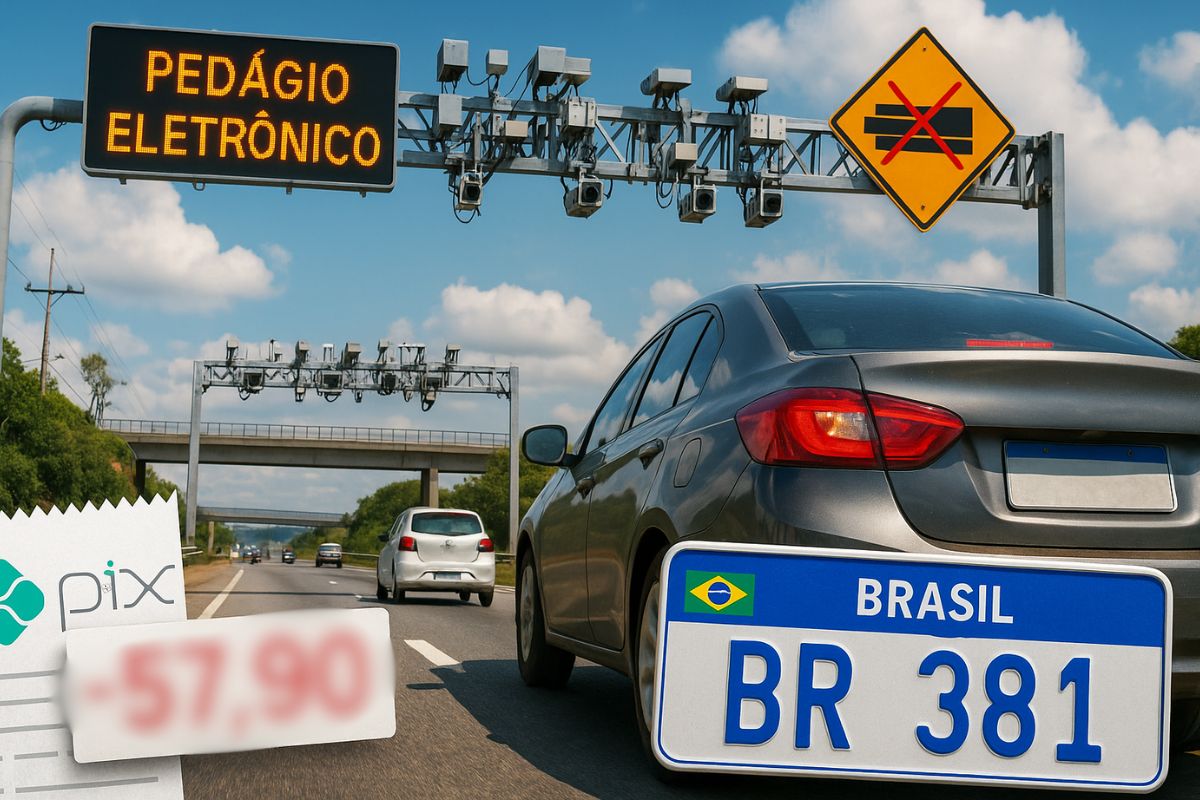


The Adoption of Electronic Toll Without Barriers in Minas Gerais Promises Fluidity and Modernization, but Already Raises Concerns Among Drivers About Fines, Delayed Pix Payments, and Automatic Plate Billing, According to Agência Brasil
Starting this Saturday (27), BR-381/MG will operate with electronic toll without barriers, in an automatic billing model through cameras and sensors installed on portals located in Caeté and João Monlevade. The system, known as free flow, eliminates stops and aims to improve the flow on one of the busiest highways in the country, reports Agência Brasil.
Despite the technological advancement, drivers are already reporting apprehension regarding unjust fines, delays in Pix payments, and possible issues with automatic billing. The new system makes BR-381 the first federal highway with 100% of operations conducted via electronic toll, a milestone that simultaneously brings promises of agility and practical adaptation challenges.
How the New Toll Model Works
According to Agência Brasil, the system works through cameras that identify vehicle license plates as they pass through the portals, automatically registering the toll charge. For drivers who do not use electronic tags, the concessionaire Nova 381 has installed 25 payment kiosks along the route, at gas stations, restaurants, and service units.
-
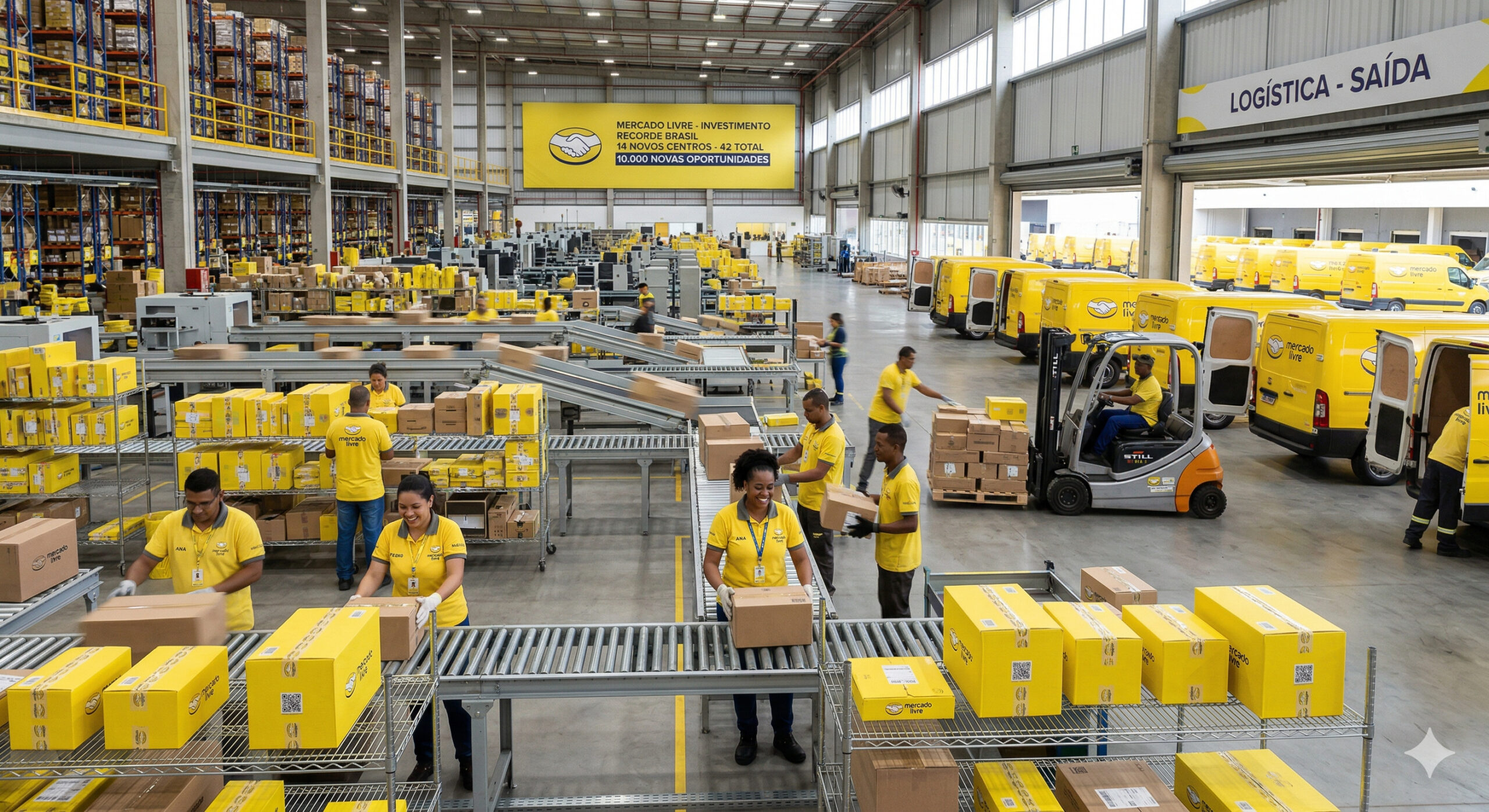
Mercado Livre “opens the vault” and announces a record investment of R$ 57 billion in Brazil in 2026, a value 50% higher than the previous year, with an expansion plan that includes 14 new logistics centers, totaling 42 units in the country and hiring an additional 10,000 employees.
-
How investment in technology can revolutionize the national economy and enhance industrial gains, according to a study that highlights the direct impact on productivity, innovation, and wealth retention within Brazil.

-
The largest food company on the planet, JBS, has just opened a 4,000 square meter laboratory in Florianópolis to develop customized proteins that modulate muscle mass gain, immune response, and metabolic performance.

-
After nearly 30 bids and competition among industry giants, a Spanish company purchases one of the largest airports in Brazil for almost R$ 3 billion and takes over the management of Galeão in a concession that will last until 2039.


At these kiosks, the driver enters the license plate and settles outstanding debts using a card or Pix. “The goal is to facilitate access, as the kiosks are located where drivers naturally stop”, explained the operations manager of Nova 381, Diego Dutra.
Investments and Scope of the Concession
The implementation of electronic toll without barriers is part of an investment package of R$ 9.3 billion planned for BR-381 since Nova 381 took over the management of the highway in February. So far, R$ 319.7 million has already been invested in improvements, including infrastructure works and technological modernization.
ANTT established that 90% of the risk of non-payment will be absorbed by the Union, while the concessionaire will be responsible for 10%. This division aims to reduce disputes and ensure that the system remains sustainable even in the face of potential defaults.
Concerns and Controversies Among Drivers
Although the model brings advantages such as reduced congestion, drivers express concerns about errors in license plate reading and difficulties in proving payments made via Pix if the system does not register in real-time. Another fear is the possibility of automatic fines in cases of communication failure, increasing the feeling of insecurity.
The issue has already reached the Chamber of Deputies, which is discussing in Bill 4,643/2020 the possibility of amnesty for defaulting drivers and clearer rules regarding fines. Exemptions are maintained for ambulances, official vehicles, diplomatic cars, and motorcycles, as provided in the contract with the concessionaire.
Brazil on the Path to Modernization
According to Agência Brasil, the free flow model is already in use in states such as São Paulo, Rio de Janeiro, and Rio Grande do Sul, and is expected to expand rapidly. The São Paulo government, for example, plans to have 58 charging points by 2032, including the Rodoanel.
Experts highlight that the system follows a global trend of highway modernization, while also challenging authorities to ensure transparency, digital security, and clarity for users. For drivers, the adaptation will be gradual, but inevitable.
The electronic toll without barriers marks a new era on BR-381: more fluidity and fewer queues, but also new risks and uncertainties for those who rely on the highway. The change requires a balance between technological innovation and user protection.
And you, do you believe that the toll without barriers will really make drivers’ lives easier or increase insecurity on the roads? Have you faced issues with automatic billing on highways? Share your experience in the comments.






E prá quem não usa o pix? Como pagar com dinheiro vivo? Como encarar um pedágio????
Tudo conversa do governo,fazem o que querem com o povo e fica por isso mesmo,mais pedágio mais taxa para ir na praia,governo inimigo do povo,e o povo aplaudindo.
Não deve ser bom . Primeiro não gera emprego.Segundo ,pra que ganhar mais 5 minuto em uma viagem se a estrada está cheia de.radares de 60km e um monte caminhão com excesso de peso e com o sistema de freios comprometido .E tem mais o governo gasta milhões para fazer uma estrada e depois entrega para concessionária ganhar dinheiro.Ta tudo errado !
Tá tudo errado inclusive você com esse seu comentário indiota acusado os caminhões com excesso de carga sendo que você não os pesou, com cisterna de freios complementaido sendo que não fez uma inspeção, oque mais tens a acusar? Pois te garanto que nem todos andam errados quanto você se estão carrecarregando não e de graça as vezes é de combustível pra que seus carros não tenham pane seca ou de algum alimento que com certeza uma hora vai passar por sua garganta um dia ou outro você vai ter que comer então se eu tô errado você também tá só em da com a língua nos dentes. E me acusar de uma que você não sem a interferência de um caminhão.