





 English
  Francês
  Alemão
  Italiano
  Japonês
  Norueguês
  Portuguese
  Spanish
  3 min of reading


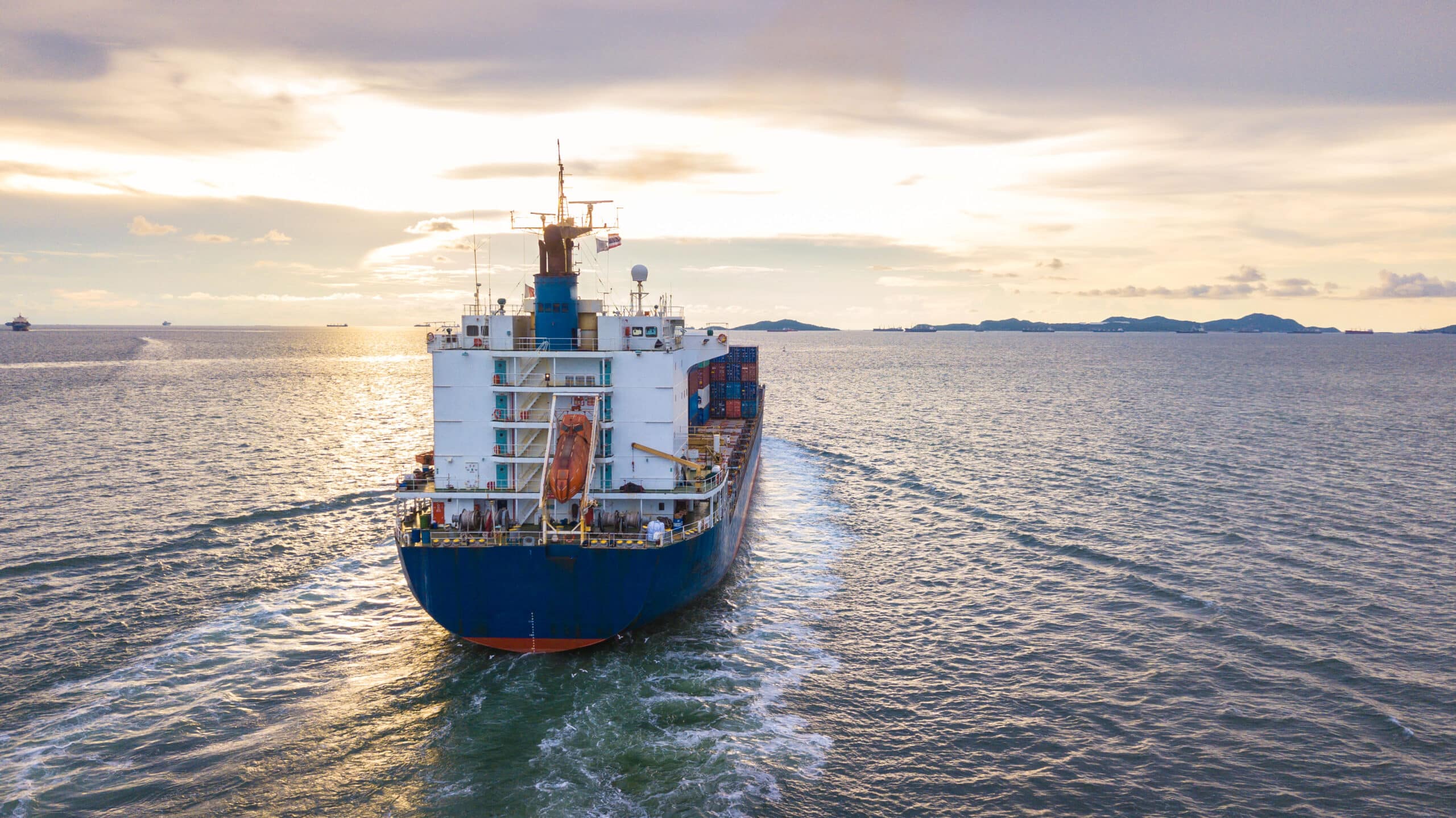
After a Long Wait, the Debates Concluded and the Federal Government Delivered This Tuesday, 11, the Consolidated Text of the Bill for the “BR do MAR” Plan, Which Aims to Encourage and Foster Cabotage in Brazil.
The BR DO MAR Project is quite bold and carries out a complete reform in the regulation of Maritime Cabotage Transport. The name refers to a logistical alternative to highways. It is an important measure from the Ministry of Infrastructure, comparable in significance to the large highway construction programs in Brazil that began in the 1960s.
See Also
- Applications Are Open for the Petrobras Innovation Program (Startups Module) on This May 11
- Construction of the Port of Macaé Is About to Start with 7,000 Job Openings at the Peak of the Project
- ANP Will Make TPC to Encourage Investments in Production Development
- Petrobras Launches Retirement Program and Expects to Lay Off 3,800 People
Cabotage
Cabotage is maritime transport carried out between ports of the same country. It stands out for being safe, efficient, low-cost, and environmentally friendly.
Cabotage navigation is one of the most logical modes of transport for Brazil, due to the continental dimensions we possess. There are more than 8,500 km of coastline. Additionally, 80% of the Brazilian population lives within 200 km of the coast, and most of our industry is concentrated near the sea, strengthening our vocation for cabotage.
-
New shoe factory in Ceará is expected to create 400 jobs and strengthen the local economy.
-
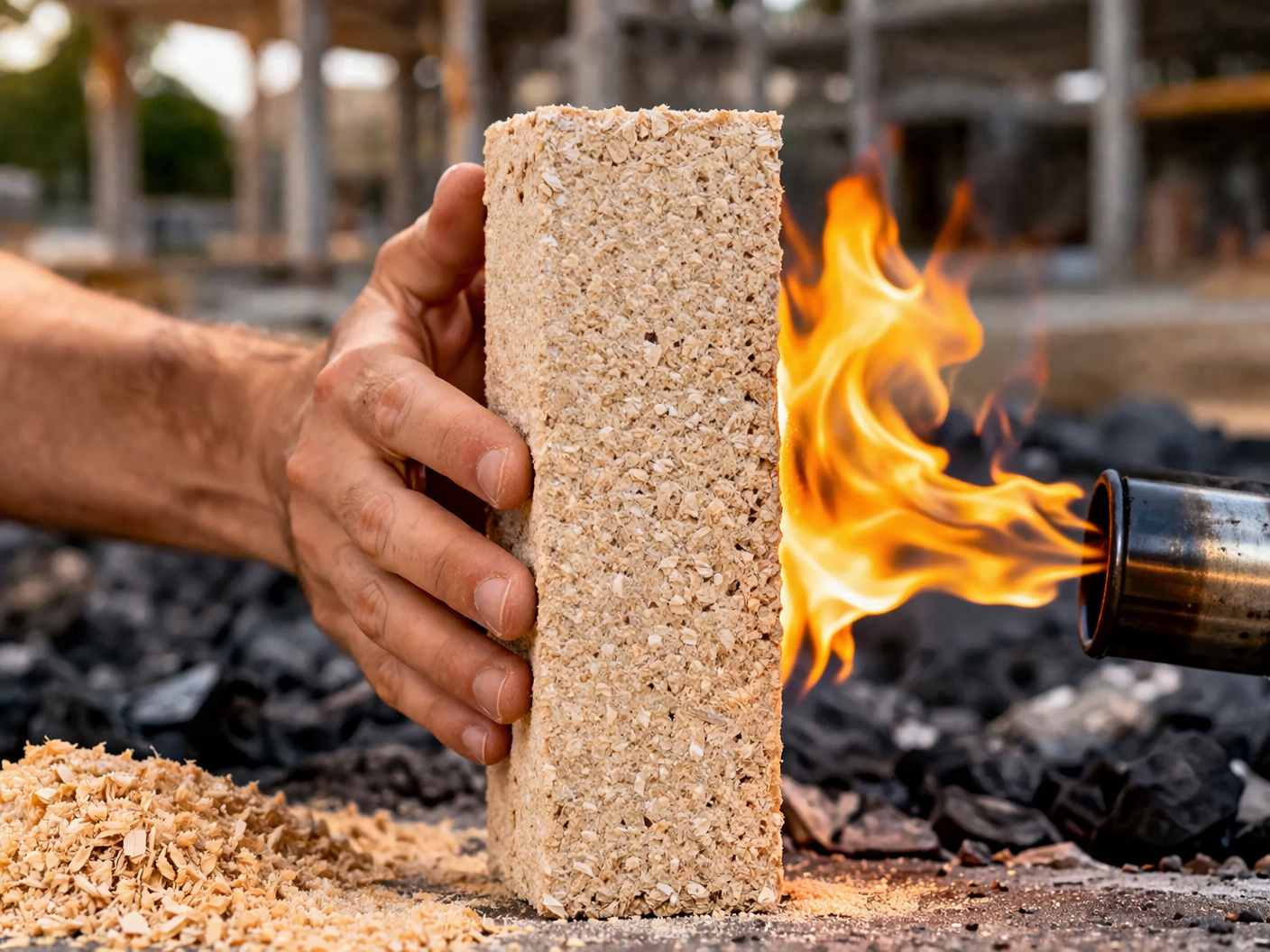
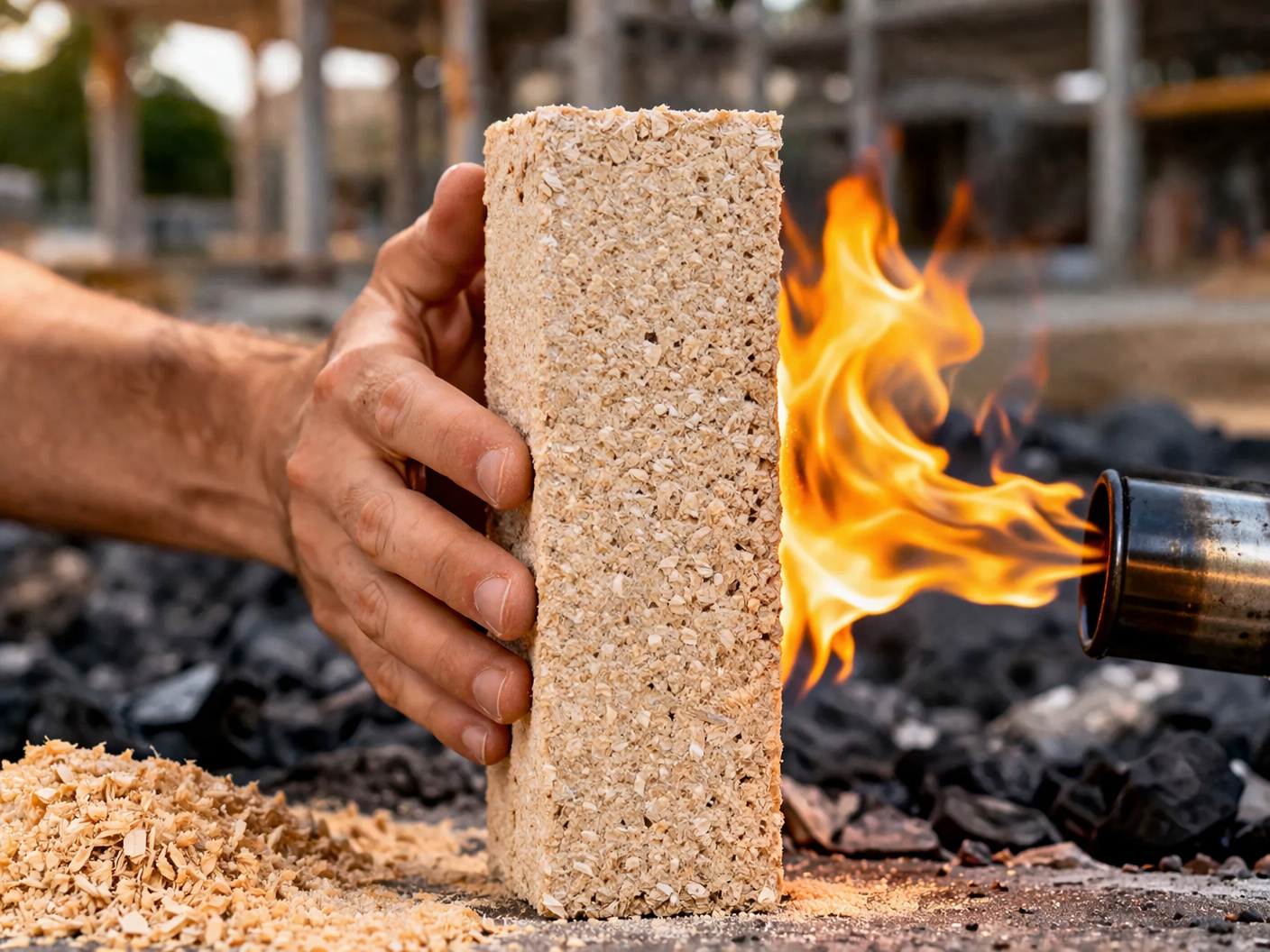
No one imagined it, but a mixture of sawdust with a mineral that fights fires surprises scientists with a result that changes the course of fire-resistant construction.
-
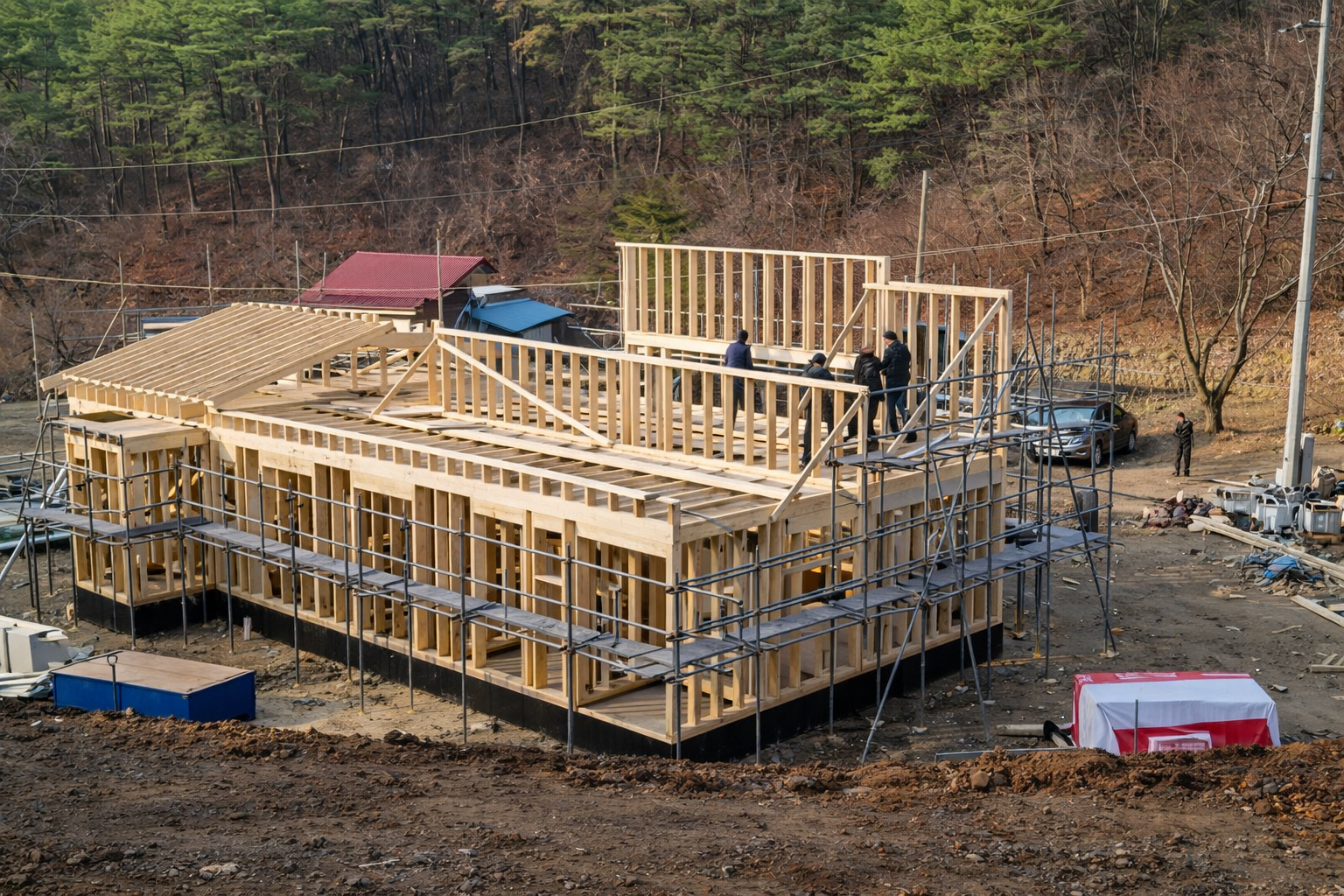
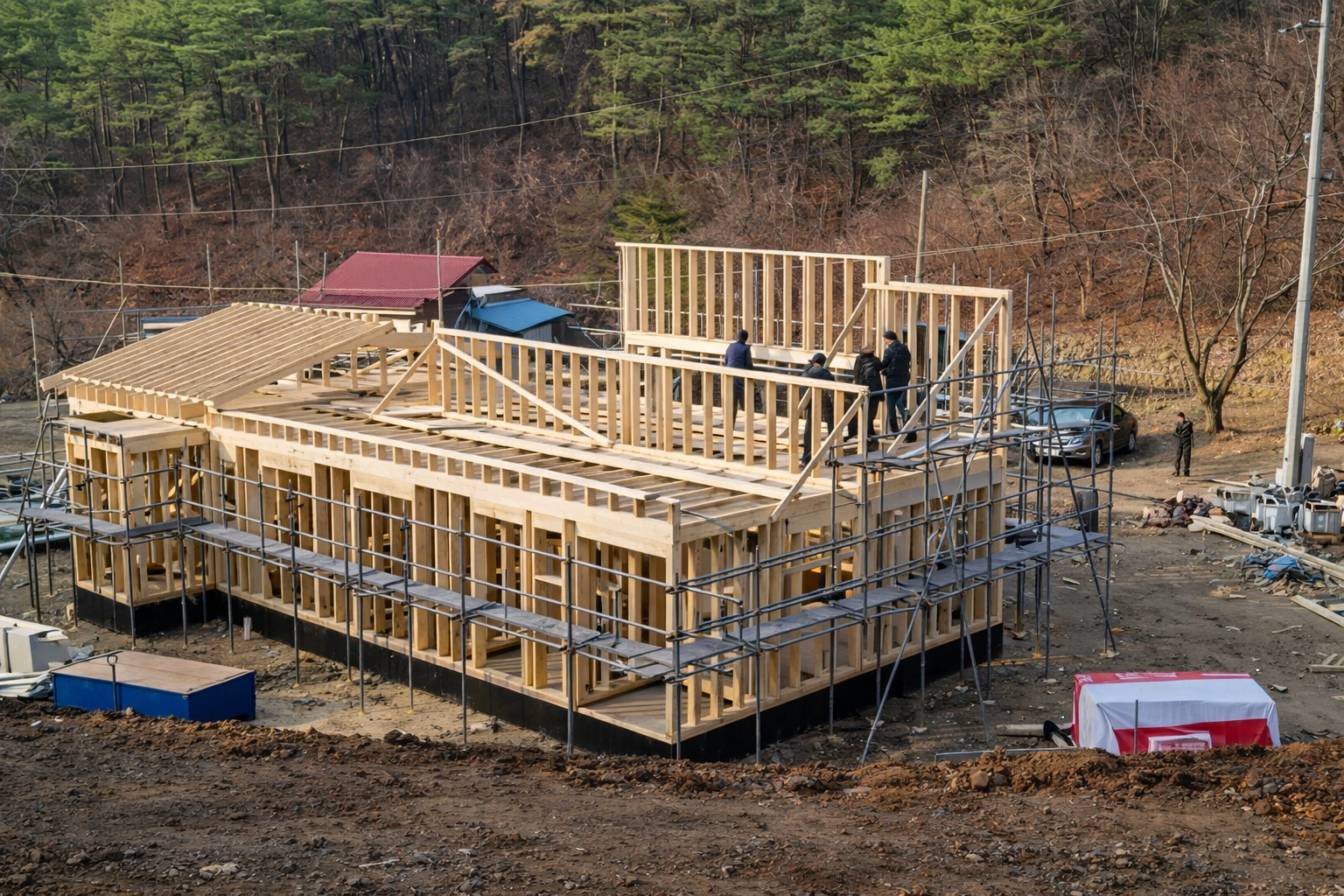
From empty land to a high-end house, wooden construction uses a lightweight system, metal structure for the foundation, ventilated ceramic cladding, and special windows to create an efficient and comfortable living space throughout the year.
-
From vacant land to a high-end house, wooden construction uses a lightweight system, a metal structure for support, ventilated ceramic cladding, and special windows to create an efficient and comfortable living space throughout the year.
However, the Brazilian logistics matrix is still heavily dependent on road transport. Nevertheless, cabotage has been growing at double-digit rates in recent years, especially after the truck drivers’ strike demonstrated our logistical fragility and how dependent we are on highways.
What Is the Main Objective of the BR do Mar Project?
The Ministry of Infrastructure’s objective with the Bill is bold: they aim to jump from 1.2 million TEUs (twenty-foot equivalent units) in 2019 to 2 million TEUs in 2022.
They also estimate a 40% increase in the fleet of vessels engaging in cabotage over the next three years and that cabotage growth will be approximately 30% per year. To achieve this, the project explores four fundamental axes: fleet, shipbuilding industry, costs, and ports.
Fleet and Shipbuilding Industry
The Government has relaxed restrictions on leasing foreign vessels for cabotage services, creating several exceptions, in addition to allowing vessels built abroad to fly the Brazilian flag.
In the shipbuilding industry, the Government intends to promote the maintenance and repair of vessels by allowing the use of resources from the Merchant Marine Fund for both foreign and national companies that utilize Brazilian shipyards.
Costs and Port Logistics
Cost reduction will be achieved through the reduction of bureaucratic procedures and regulatory adjustments, along with the creation of a national policy for the sector. In port logistics, there is a provision for incentivizing special cabotage operations with the provision of temporary contracts directly with the Organized Port Administration, without the need for a bidding process if only one company is interested.
The goal is to expedite the startup of terminals dedicated to cabotage.
Finally, the BR do Mar promotes the training, development, and qualification of national seafarers, reaffirming the need for 2/3 of the crew to be formed by Brazilians. Furthermore, it stipulates that the employment contracts of the crew members of chartered foreign vessels follow the labor norms of the flag state.
CREDITS: Larry Carvalho – Senior Partner – Promare









Seja o primeiro a reagir!