





 Portuguese
  English
  Spanish
  3 min of reading
  0 comments


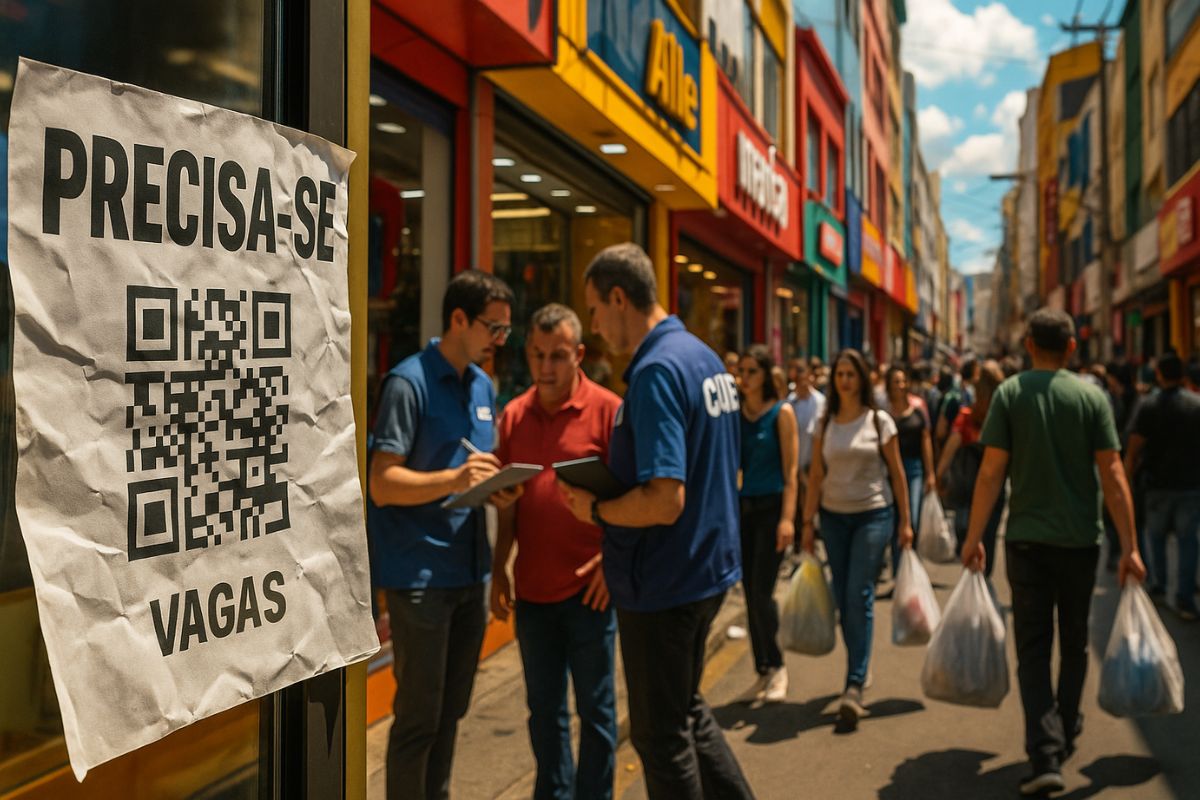
Brás Faces Labor Shortage and Seeks Government Support to Recruit Workers. Largest Pole of Popular Commerce in Latin America Suffers from a Lack of More Than 10 Thousand Employees and Bets on Joint Actions with the City Hall
Brás, a central region of São Paulo known as the largest open-air market in Latin America, faces an unprecedented challenge: the difficulty in recruiting workers in sufficient numbers to meet the demand. According to Alobrás (Brás Merchants Association), more than 10 thousand employees are needed for the approximately 5,000 stores in the neighborhood, including large chains that sometimes request up to 400 hires at once.
The scenario is so critical that merchants report high turnover, with employees who stay only a few days and leave without notice. “People come, but stay very little time. There’s even an internal joke that some go out for lunch and don’t come back,” says Lauro Pimenta, vice president of Alobrás.
City Hall and Merchants Join Forces to Reverse the Situation
To face the crisis, the City Hall of São Paulo, through the Cate (Support Center for Work and Entrepreneurship), initiated a special action. Technicians from the agency walked through streets like Oriente, Miller, and Casemiro de Abreu to register vacancies and present the labor intermediation service. In addition, the opportunities are being digitized on the official Cate platform, replacing the traditional method of putting up “help wanted” signs on doors.
-
Elderly individuals aged 65 or older who have never contributed to the INSS can receive R$ 1,621 per month in 2026 without having paid any contributions in their lifetime: learn how the benefit works that already supports nearly 7 million Brazilians.

-
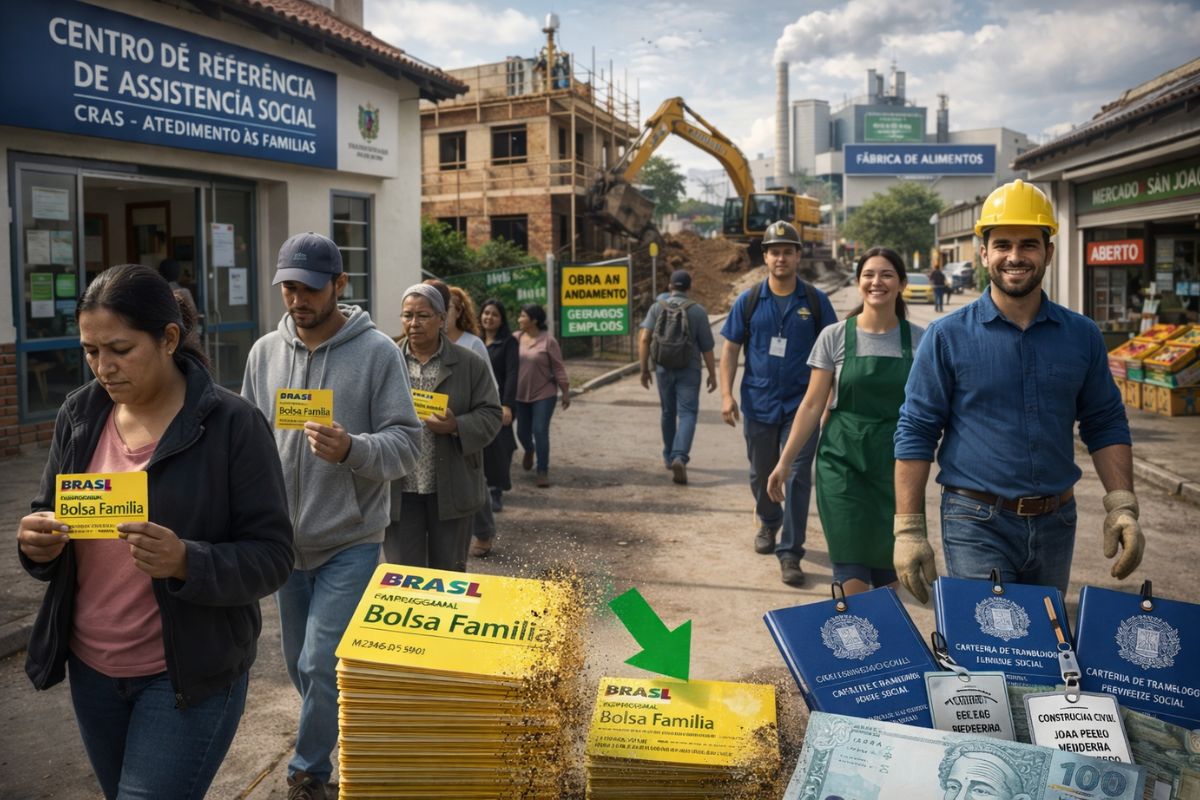
The gaucho city reduced the number of Bolsa Família beneficiaries by almost 40% in just a year and a half with active outreach that connects each registered person directly to job vacancies in Bento Gonçalves in Rio Grande do Sul.
-
The bluest city in Brazil has just gained a new floating bridge for the free crossing between the island and the mainland, connecting residents and visitors to the historic center of São Francisco do Sul every day of the week.

-
In a silent race, Shopee signs a mega contract in Guarulhos and accelerates the e-commerce war with faster deliveries, pressured shipping, and a new threat to rivals in Brazil.


Another step will be the Contrata SP mutirão, scheduled for September, which will concentrate selection processes and interviews in a single event. The expectation is that the measure will increase the visibility of vacancies and attract candidates from different regions.
Why Is It So Hard to Recruit Workers in Brás?
Among the causes, experts point to competition with self-employment and the rigidity of hours in retail. Many young people reject the 6×1 schedule and the 44-hour weekly workload, preferring delivery or transportation platforms. At the same time, there is a growing presence of workers over 60 years old returning to the market to fill gaps.
There are also structural issues. The neighborhood has undergone significant changes in recent years, with an increase in popular shopping centers and crackdowns on street vendors. This scenario has reduced the traditional base of vendors and pushed away part of the workforce that was previously engaged in the informal trade.
Violence and Instability Deter Workforce
Another factor cited by researchers and associations is insecurity. Cases of violence involving workers, such as the Senegalese vendor killed in April during a police operation, impact the perception of the area. Additionally, programs like Tô Legal, which provides temporary authorization for street vendors, offer little stability, as permits can be revoked over bureaucratic details.
For Professor Felipe Rangel from UFSCar, this tension between formal and informal hampers the attraction of professionals. “There’s a discourse against informal trade that, in practice, pushes part of the workforce out of the market,” he explains.
What to Expect from the Next Actions
SMDET (Municipal Secretary of Economic Development and Labor) states that it is in dialogue with Alobrás to implement new employability measures this year. The goal is to create a continuous flow of hiring and retention, adapted to the demands of the commercial hub.
In the meantime, Brás continues to operate with reduced teams, which affects sales and service. The ability to reverse this situation could define the future of the region as a nationally recognized shopping center.
And you? Do you believe that actions like the mutirão and the digitalization of vacancies will solve the labor shortage in Brás? Or do you think it will be necessary to change the way of hiring and working in popular commerce? Leave your opinion in the comments.










-

-

5 pessoas reagiram a isso.