Portuguese
  Spanish


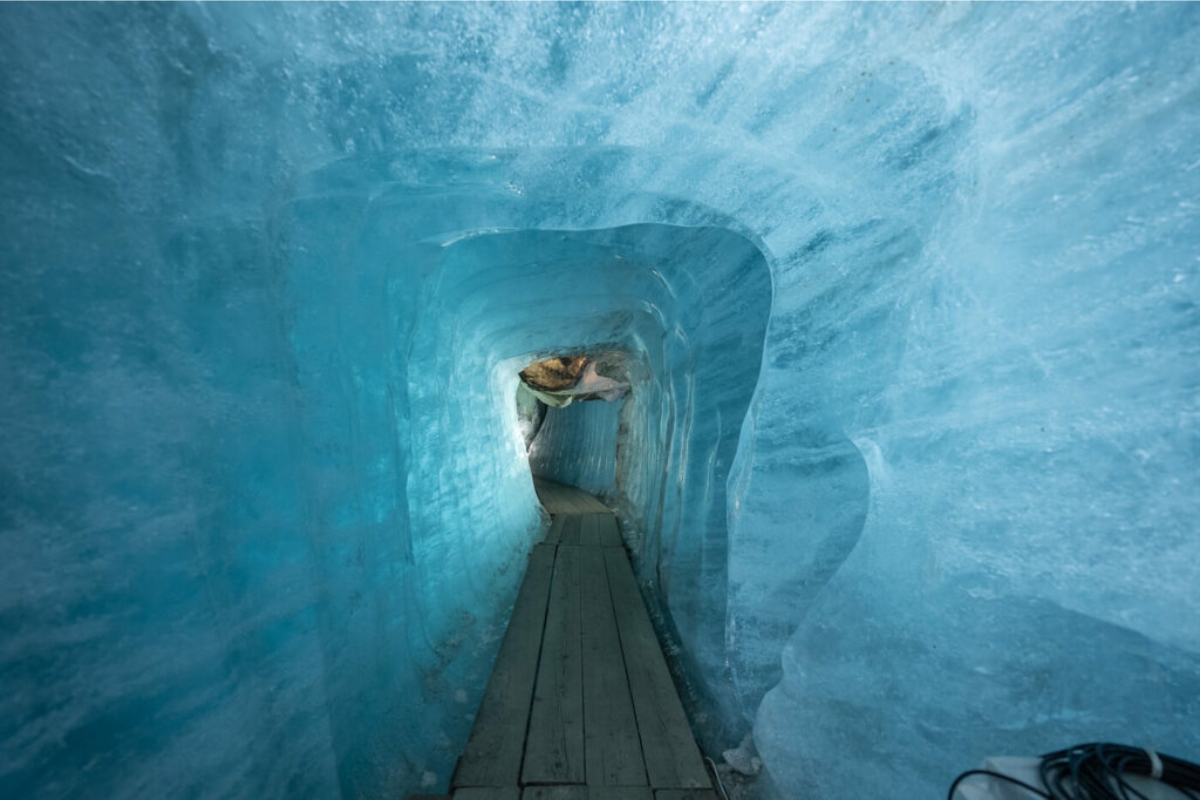


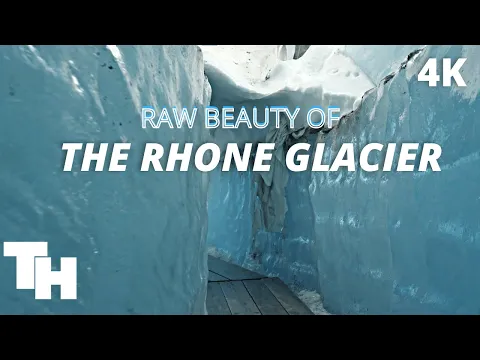
Structured inside a glacier in the Alps, the cave is recreated every year and visibly shows the advance of ice melting
An artificial glacier cave opened inside the Rhône Glacier, in the Swiss Alps, has become one of the clearest ways to visualize the melting ice from within.
Since 1993, workers have been manually excavating the interior of the glacier, removing over 6,000 tons of ice over the decades to allow for the opening of the tunnel and access to its interior.
What started as a tourist attraction has transformed into a physical portrait of warming, as the tunnel shortens, deforms, and needs to be rebuilt every year.
-
How to Prevent Brown Recluse Spider Bites: Common Hiding Spots and Free Tips to Reduce Risks

-
Natto: The Unusual Japanese Superfood Gaining Popularity on Social Media and Driving Record Exports
-
Brazilian Mayor Goes Undercover as Homeless for 24 Hours to Assess Public Services

-
15-Year-Old Entrepreneur Malu Lira Publishes 20 Children’s Books on Financial Education, Earns $500,000, and Expands Her Project to the Amazon Rainforest




Where is the cave excavated inside the Rhône Glacier
The structure was created directly in the Rhône Glacier, located about 2,300 meters above sea level, near the Furka Pass, an alpine region with direct access to the ice.
The location allows visitors to get very close to the body of the glacier, something rare in high mountain areas, where the retreat of the ice usually distances human access.
The cave is not permanent. It exists only as long as the tunnel can remain open before melting makes the structure unstable.

Why the tunnel needs to be excavated again every year
Unlike a natural cave, this structure is completely artificial and depends on human labor to exist, as the glacier is in constant motion.
The ice flows slowly, deforms, and reacts to temperature variations, which alters the shape of the tunnel over time.
At the beginning of the summer season, the cave usually has over 100 meters in length, but can lose more than 30 meters during the hottest months due to internal melting.
What is the manual work of excavating ice inside a living glacier like
The opening of the tunnel takes about four weeks and involves direct cuts into the body of the glacier, made carefully to reduce the risk of collapse.
The ice does not behave like solid rock. It acts like a viscous material, slowly sliding and creating tensions that affect the walls and ceiling of the cave.
The internal temperature is close to the melting point, which causes constant dripping, the formation of water channels, and progressive thinning of the walls.
What can be seen when walking through the interior of the blue cave

Upon entering the cave, it is possible to observe layers of compacted ice accumulated over decades, internal fissures, and channels formed by the water from the melting itself.
The intense blue color draws attention and occurs because the dense ice absorbs almost all colors of visible light, reflecting mainly blue.
As the weeks go by, visitors notice real changes in the structure, as parts of the tunnel disappear throughout the summer.
The white blankets used to try to slow down the melting of ice

To reduce ice loss in specific areas, parts of the glacier are covered with white geotextile blankets during the hottest months.
These covers reflect solar radiation and decrease heat absorption, reducing the melting rate by up to 70 percent, and can reach 80 percent in some sections.
Even with this effect, the technique does not prevent the retreat of the glacier and serves only as a temporary solution.
Why the cave became a physical portrait of melting in the Alps
Despite the interventions, the glacier continues to lose volume year after year, requiring the cave to be excavated again each season.
The human effort to keep the tunnel open ends up highlighting the problem, as the structure only exists because the ice is disappearing.
The cave remains one of the few places where it is still possible to see, touch, and walk inside a living glacier, while it rapidly shrinks in the Alps.