





 Portuguese
  English
  Spanish
  4 min of reading
  0 comments


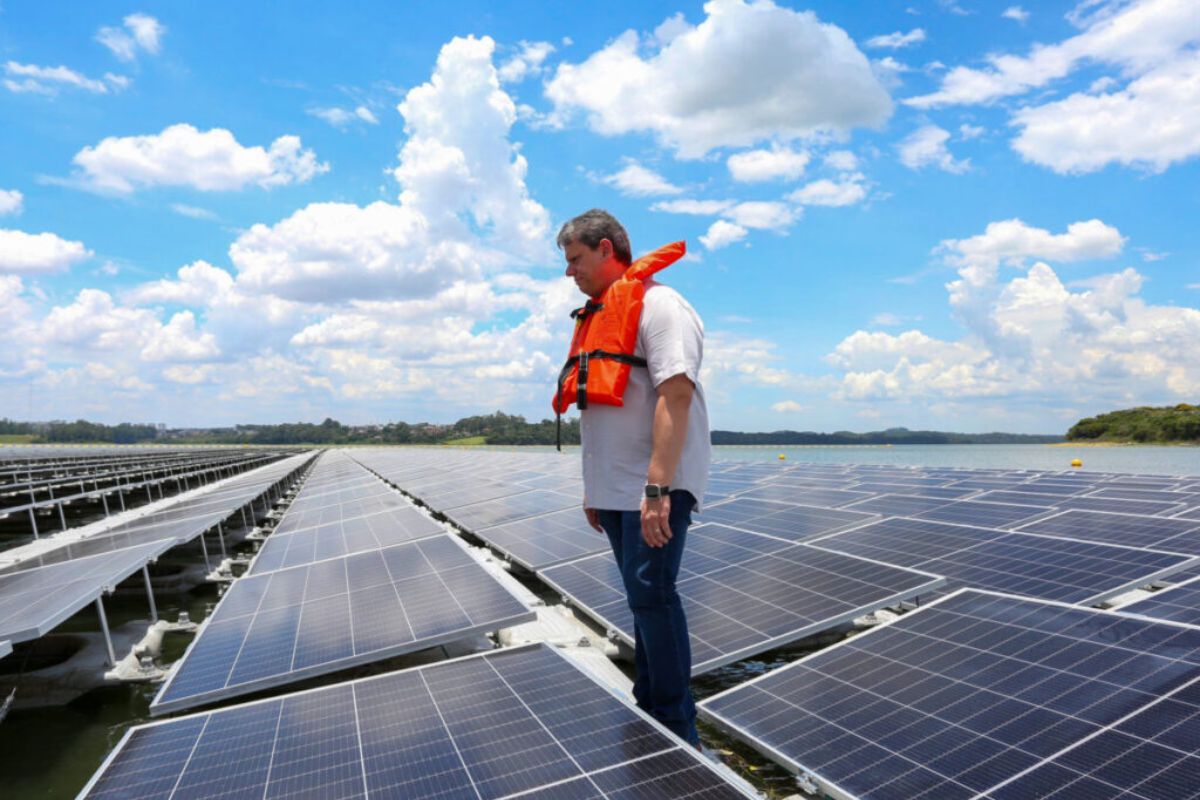
Brazil Stands Out in Innovative Floating Photovoltaic Solar Energy Technology (FPV). Discover Which Is the Largest Floating Solar Plant in Latin America Currently in Operation and the Immense Potential of This Clean Energy Source.
In a strategic move to optimize its vast water resources and expand its renewable energy matrix, Brazil has stood out in the implementation of floating solar plants. The assertion that the largest floating solar plant in Latin America is on national territory is not just an engineering feat but a sign of Brazil’s potential in this innovative technology that generates clean energy directly on the water’s surface.
This article explores the main floating solar energy projects in the country, identifies which plant currently holds the title of largest floating solar plant in Latin America in operation, and discusses the advantages and challenges of this promising energy frontier for Brazil.
Floating Solar Energy
Floating photovoltaic solar energy (FPV) consists of installing solar panels on bodies of water. This innovative technology is gaining global traction due to the increasing scarcity of land and the potential for greater efficiency of the panels through water cooling. Brazil, with its vast water resources and hydroelectric reservoirs, has a unique advantage to expand FPV, optimizing existing energy infrastructure.
-
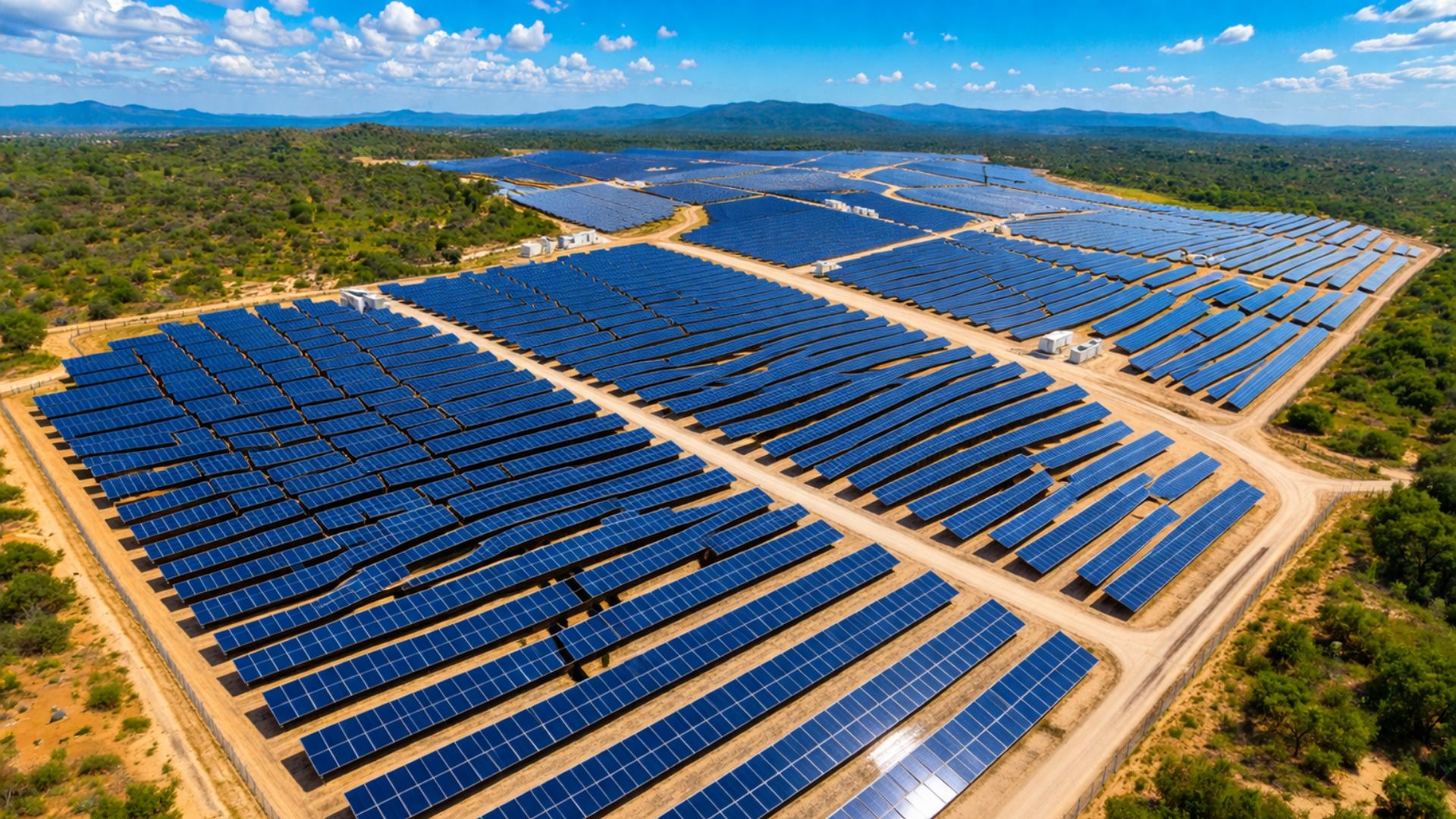
The Sol do Agreste Photovoltaic Complex begins operations in Pernambuco and accelerates the expansion of solar energy in Brazil, directly impacting the reduction of emissions and strengthening the sustainable energy matrix.
-
The Sol do Agreste Photovoltaic Complex begins operations in Pernambuco and accelerates the expansion of solar energy in Brazil, directly impacting the reduction of emissions and strengthening the sustainable energy matrix.
-
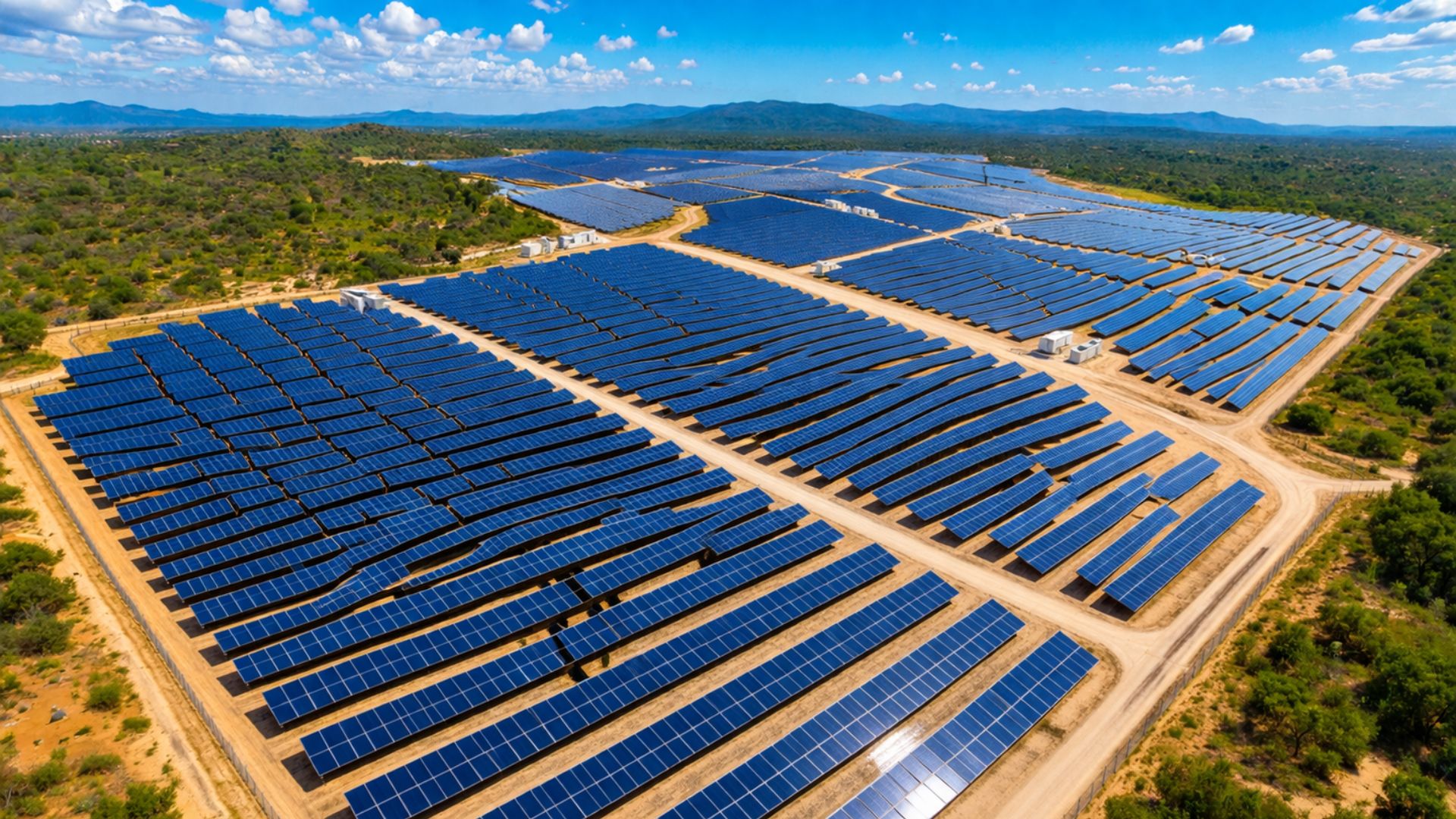
Roraima bets on the sun to escape high tariffs: Amid the energy crisis and price hikes, solar energy is growing in Roraima and transforming consumption in the North region.
-
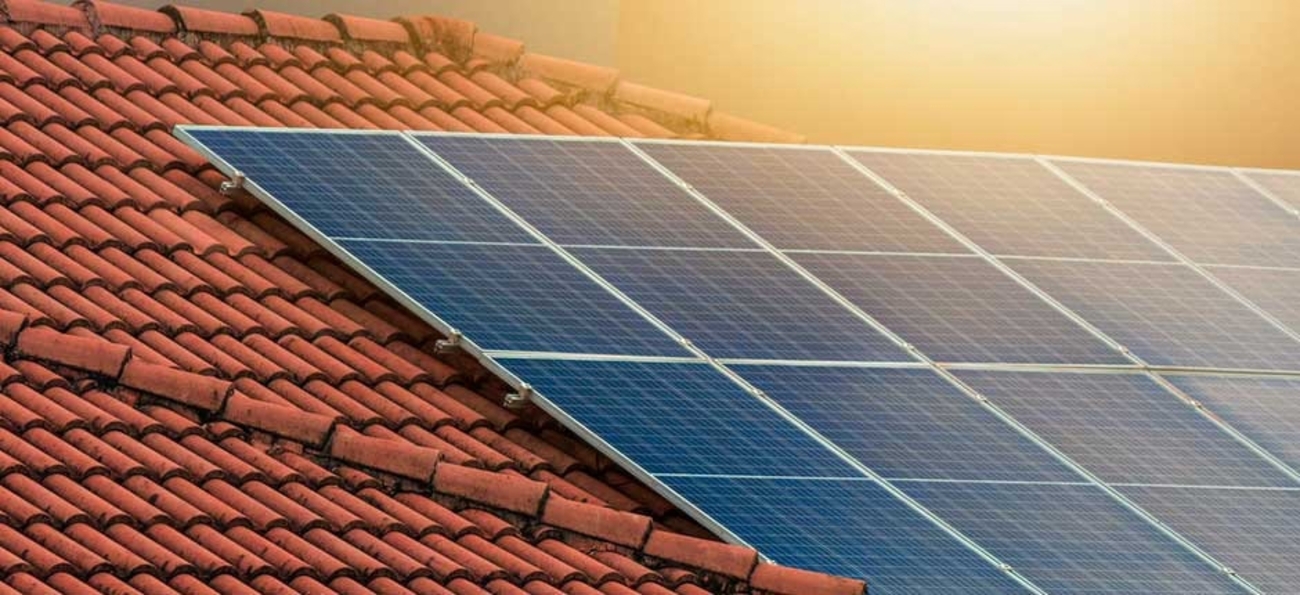
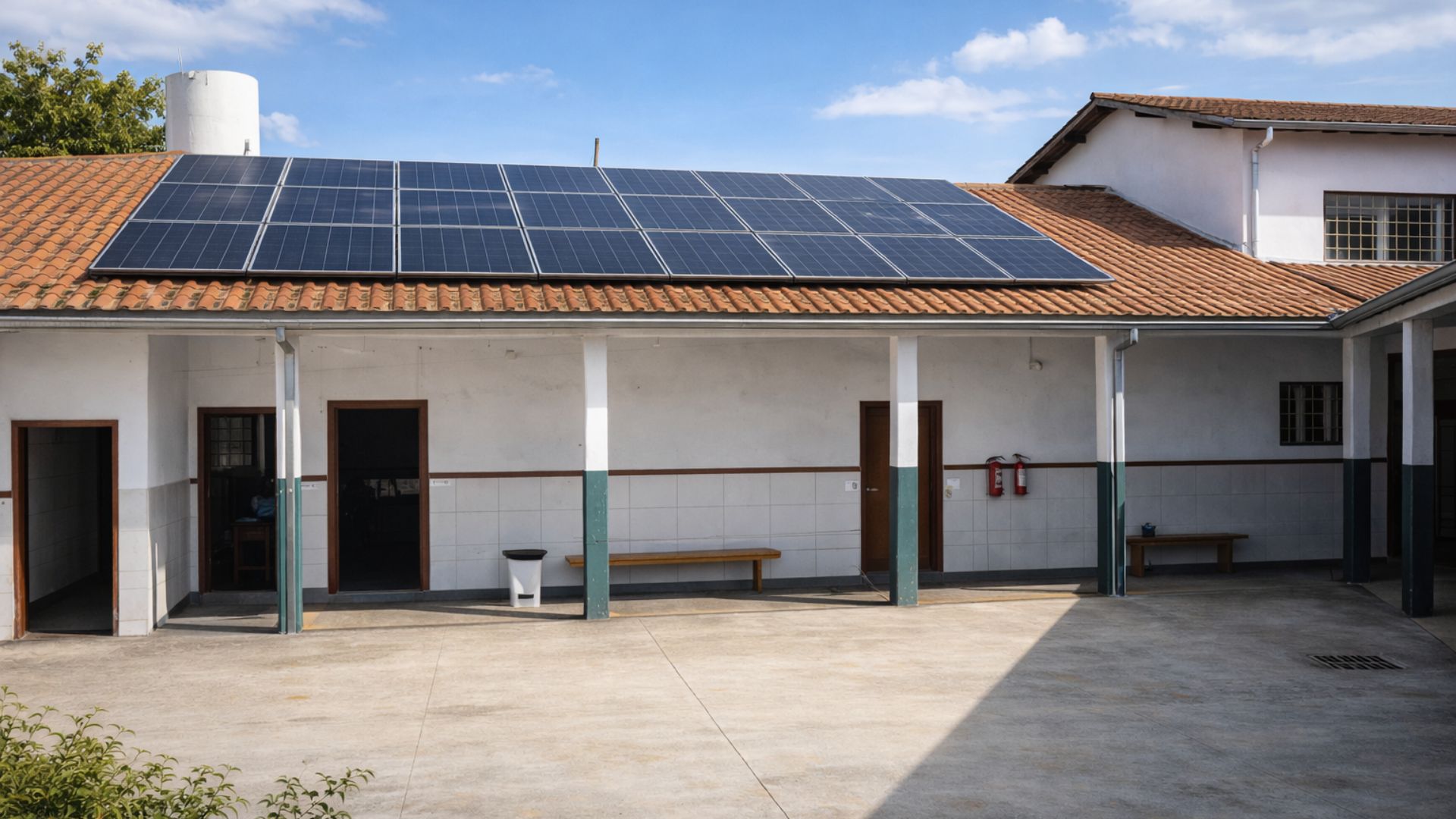
Copel boosts solar energy in Paraná and brings innovation to public schools, promoting savings on electricity bills, energy efficiency, and a direct impact on the quality of education.
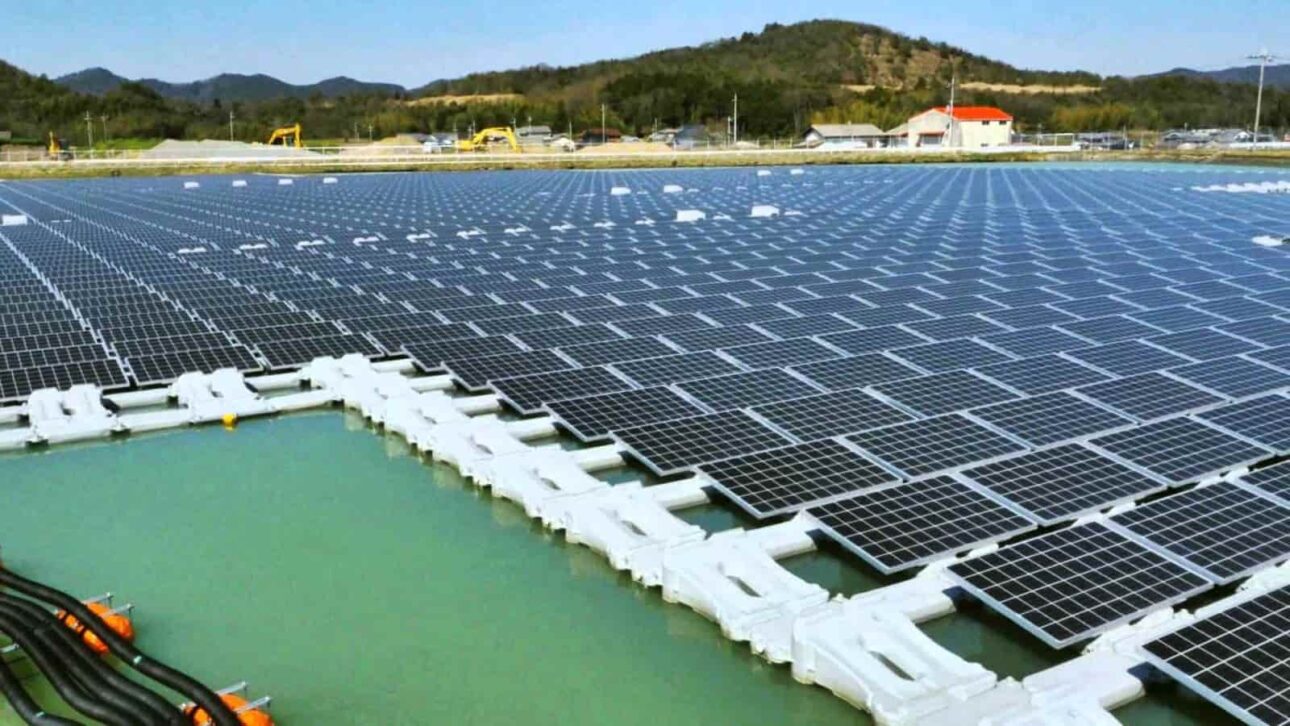
An initial milestone was the Research and Development (R&D) project by CHESF in the Sobradinho Hydroelectric Reservoir (BA), inaugurated in 2019 with 1 MWp, which served as a laboratory to validate the technology in the country.
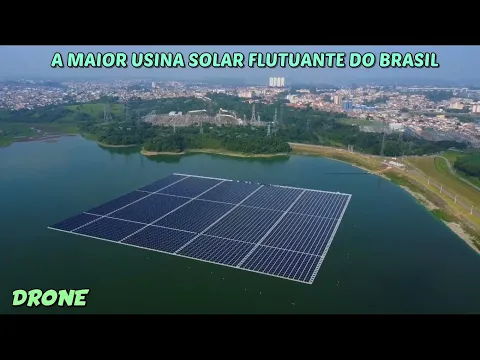
UFF Araucária (Billings, SP): The Current Largest Floating Solar Plant in Latin America in Operation in Brazil
Currently, the Floating Photovoltaic Plant (UFF) Araucária, in the Billings Reservoir in São Paulo, stands out as the largest floating solar plant in Latin America in operation. Developed by Metropolitana, its first phase was inaugurated in January 2024 with a capacity of 5 MW (reaching 7 MWp), resulting from an investment of R$ 30 million and 10,500 solar panels.
Expansion plans are ambitious, aiming to reach 80 MW by the end of 2025, with a total investment of R$ 450 million. This project operates under the Distributed Generation model, providing energy to customers through compensation.
Other Giants on the Rise: Projects That Boost Floating Solar Energy Capacity in Brazil
Brazil has other significant projects. The Lajeado Floating Solar Plant, in Tocantins, has a planned capacity of 69 MWp (54 MW AC) and is expected to be completed by December 2025, with the potential to become the largest FPV plant in Brazil. Technologies such as Tigo Energy optimizers will be employed to maximize efficiency.
Other initiatives include the plant in Grão Mogol (MG), with 1.2 MWp planned to serve around 1,250 families, and a 1 MW plant by F2B in an old mining pit in Roseira (SP), inaugurated at the end of 2023. This dynamic shows that the title of largest floating solar plant in Latin America is fluid, with new projects constantly redefining the leadership.
Strategic Advantages
FPV offers advantages such as increased energy yield from the panels due to cooling by water, conservation of water resources through reduced evaporation, and optimization of land use, freeing areas for other purposes. The synergy with existing hydroelectric infrastructure in Brazil is a major attraction, reducing grid connection costs.
However, there are challenges. The initial capital cost (CAPEX) of FPV is generally higher than that of land-based plants. There are technical complexities in installation and maintenance in aquatic environments, and the environmental impacts on aquatic ecosystems need to be carefully assessed. The development of a specific regulatory framework and the durability of materials in humid environments are also points of attention.
Prospects for Floating Solar Energy in Brazil and Leadership in Latin America

The potential of FPV to contribute to the Brazilian energy matrix is considerable. Factors such as global reductions in solar technology costs and pressure for renewable energy solutions with less land use should continue to drive its growth. Brazil is well-positioned to become a hub of knowledge and reference in FPV in Latin America.
The existence of the largest floating solar plant in Latin America on national territory is a milestone. To consolidate this leadership, it is important to simplify licensing processes, invest in R&D, develop local productive chains, and foster international collaboration. Floating solar energy signals a promising path toward a cleaner and more sustainable energy future in Brazil.







Seja o primeiro a reagir!