





 English
  Francês
  Alemão
  Italiano
  Japonês
  Norueguês
  Portuguese
  Spanish
  3 min of reading


Increase in Biodiesel Blending Is Another Step Toward the Green Economy, Improving Public Health, Economy, and Family Farming
In April of this year, Brazil took a significant step toward energy sustainability: the mandatory biodiesel blend increased from 10% to 12%, according to the National Energy Policy Council (CNPE). And the progress doesn’t stop there. In the coming years, this percentage is expected to continue growing, reaching 15% by 2026. This advancement aligns with the country’s commitments to promote a clean energy transition, which reduces greenhouse gas (GHG) emissions, contributing to public health and strengthening the economy and family farming.
Biodiesel is a strategic component for Brazil’s decarbonization goals in transport and fuels. Carlos Eduardo Hammerschmidt, Commercial and Institutional Relations Vice President of Grupo Potencial, explains: “For every 420 liters of biodiesel produced in our factory, we remove 1 ton of CO2 from the atmosphere.”
The Environmental Contribution of Biodiesel: Impressive Numbers
In environmental terms, the biofuel has replaced the import of 59.6 billion liters of diesel between 2008 and 2022. This resulted in the removal of 113.1 million tons of CO2 from the atmosphere, equivalent to planting 826 million trees, a space larger than the states of Sergipe and Alagoas.
-
With 160,000 m² of collectors, an area larger than 20 football fields, Silkeborg, in Denmark, hosts a solar thermal plant that heats 19,500 homes and could become the largest solar heating plant in the world.

-
A study reveals the expansion of renewable energy procurement in Brazil and shows how companies are taking advantage of opportunities to reduce expenses, ensure energy efficiency, and strengthen strategic environmental commitments.

-
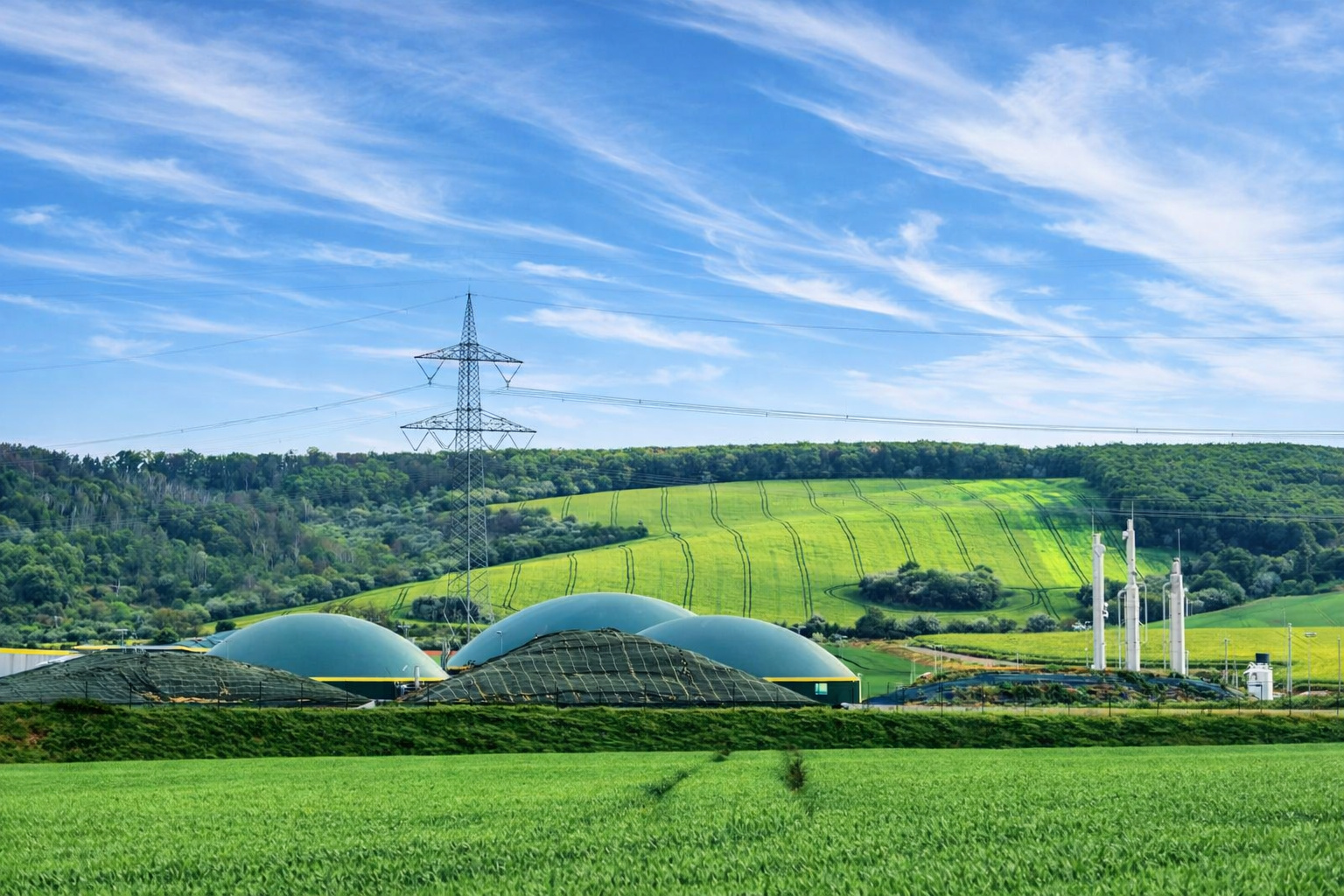
Brazil accelerates decarbonization in the South: International forum in Foz do Iguaçu gathers leaders to discuss the advancement of biomethane in the energy matrix and the potential of “caipira pre-salt.”
-
Mato Grosso do Sul excels in the sugar-energy sector: the state reaches a milestone of 22 operating mills and accelerates the production of clean energy in MS with a focus on sustainability.


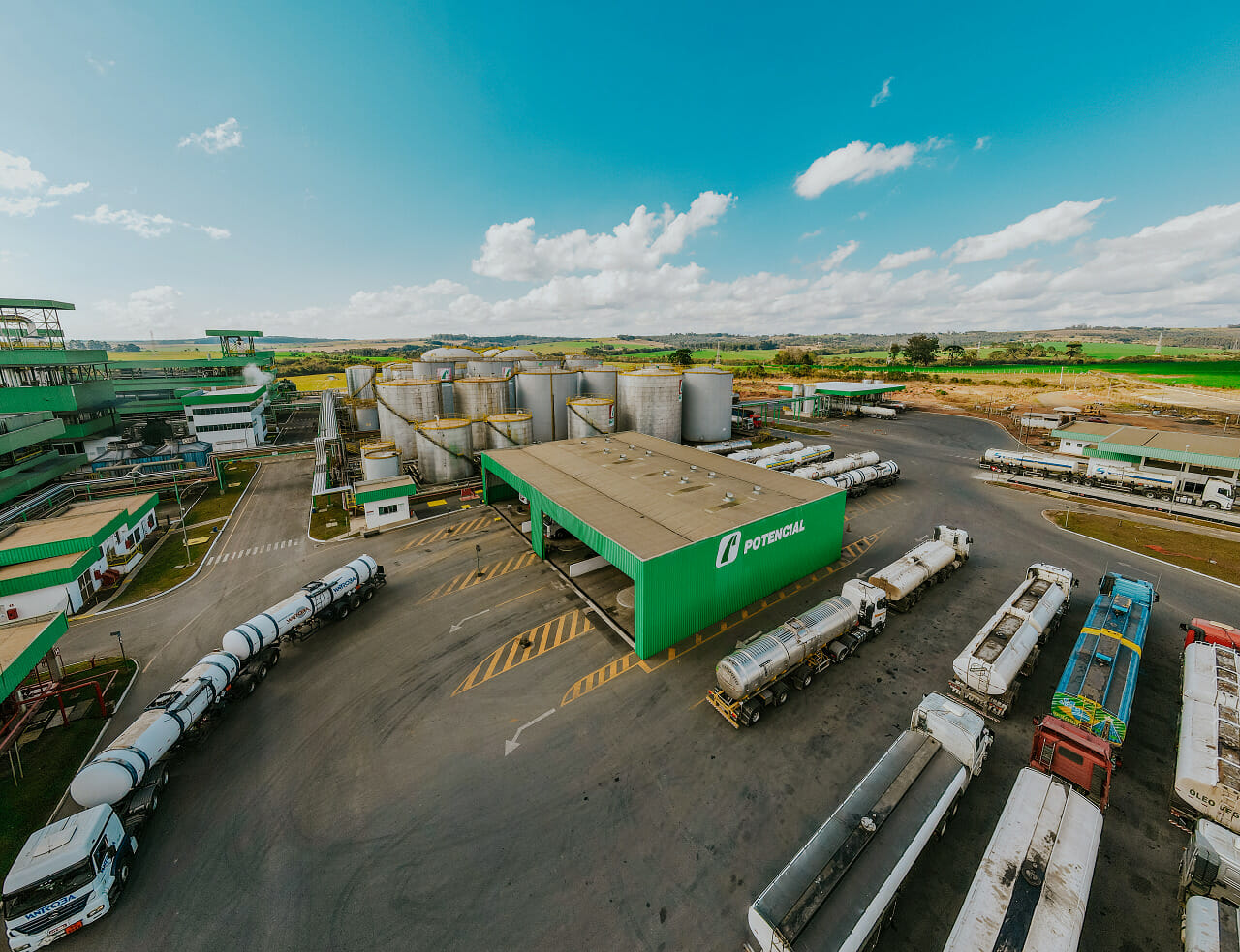
Brazil has the potential to become a global reference in energy transition, moving away from fossil diesel and embracing renewable energies such as biodiesel, ethanol, bio-kerosene, and green hydrogen. With the largest biodiesel plant in the country, located in Lapa, Metropolitan Region of Curitiba, Grupo Potencial has a production capacity of 900 million liters per year.
The cutting-edge technology of the plant also allows for the complete reuse of by-products, transforming them into synthetic oil for biodiesel production. Refined glycerin, for instance, is a highly valued by-product by the pharmaceutical industry for developing products such as shampoos, soaps, and oil capsules.
Diversification in Production: Beyond Soy
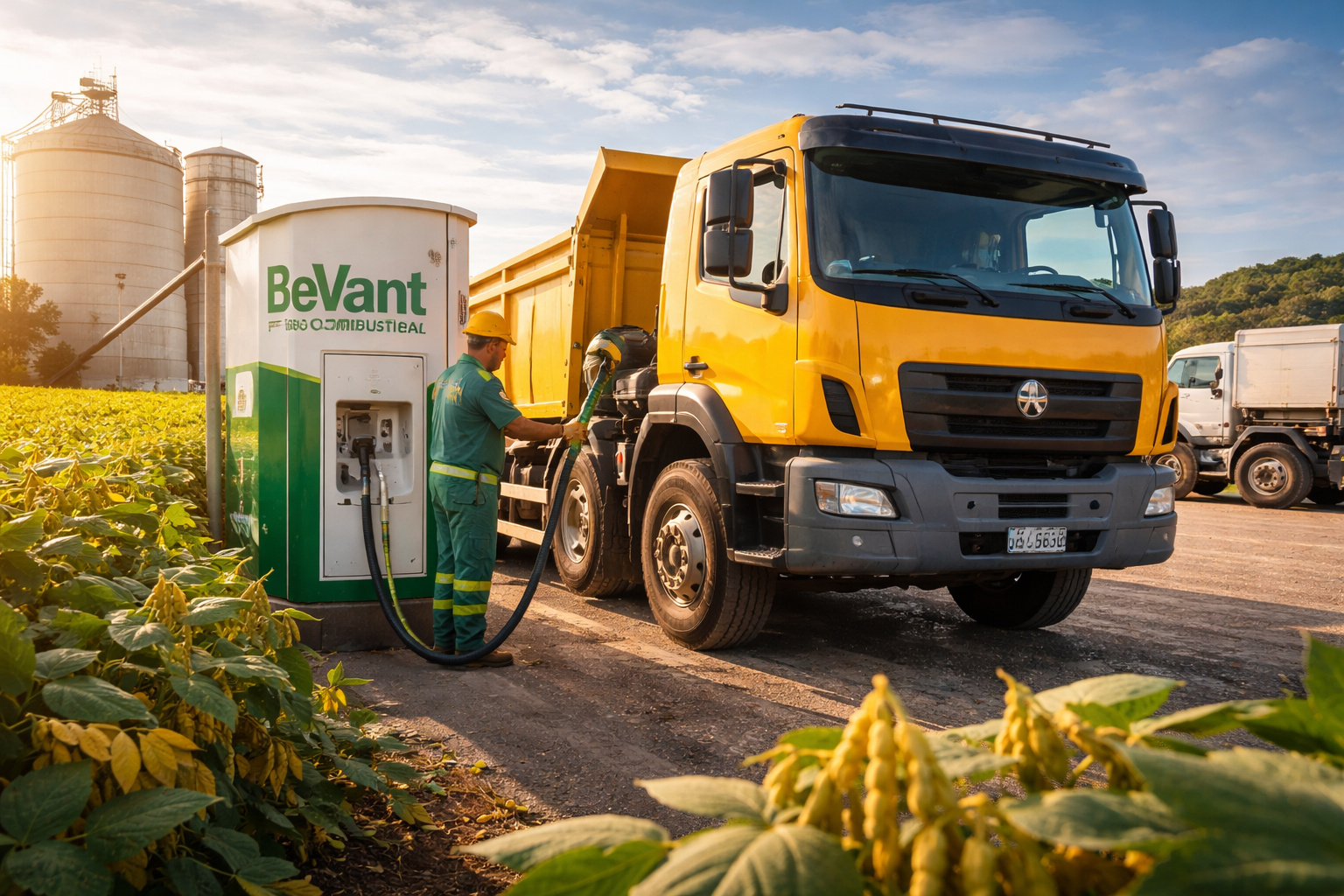
Biodiesel production goes far beyond soybeans. Corn, palm, chicken offal, cotton, and recycled cooking oil are also used. Just from cooking oil, the plant has already collected 23 million liters since its launch in 2012, avoiding the contamination of over 575 billion liters of water.
Economic and Social Impact: A Promising Future
Brazil is the third largest producer of biodiesel in the world, behind only Indonesia and the United States, with 59 plants spread across 15 states. With production estimated at 14 billion liters per year, the country has sufficient capacity to meet the new demand generated by the increased requirement for biodiesel blending.
Benefits for Public Health: Breathe Easier
The environmental and economic benefits of biodiesel production directly impact the health of the population. The World Health Organization (WHO) estimates that between 20% and 30% of all respiratory diseases are linked to air pollution. In Brazil, 50,000 deaths per year are forecasted due to pollution, according to the Ministry of Health.
Biofuels emerge as a solution to the pollution caused by the transport sector. “Biodiesel is the only way for the transport sector to reduce GHG emissions in the atmosphere,” explains Donizete Tokarski, CEO of the Brazilian Union of Biodiesel and Bio-Kerosene (Ubrabio).
However, even with these benefits, Brazil imported about 12 billion liters of fossil diesel in 2022, while biodiesel industries remained over 50% idle.
The Quality of Biofuel: International Standards
Brazilian legislation for biofuel quality is among the most stringent in the world. Updated by the National Agency of Petroleum (ANP) in March, it has stricter rules than those in effect in the United States and Europe.








Seja o primeiro a reagir!