






 Portuguese
  Spanish


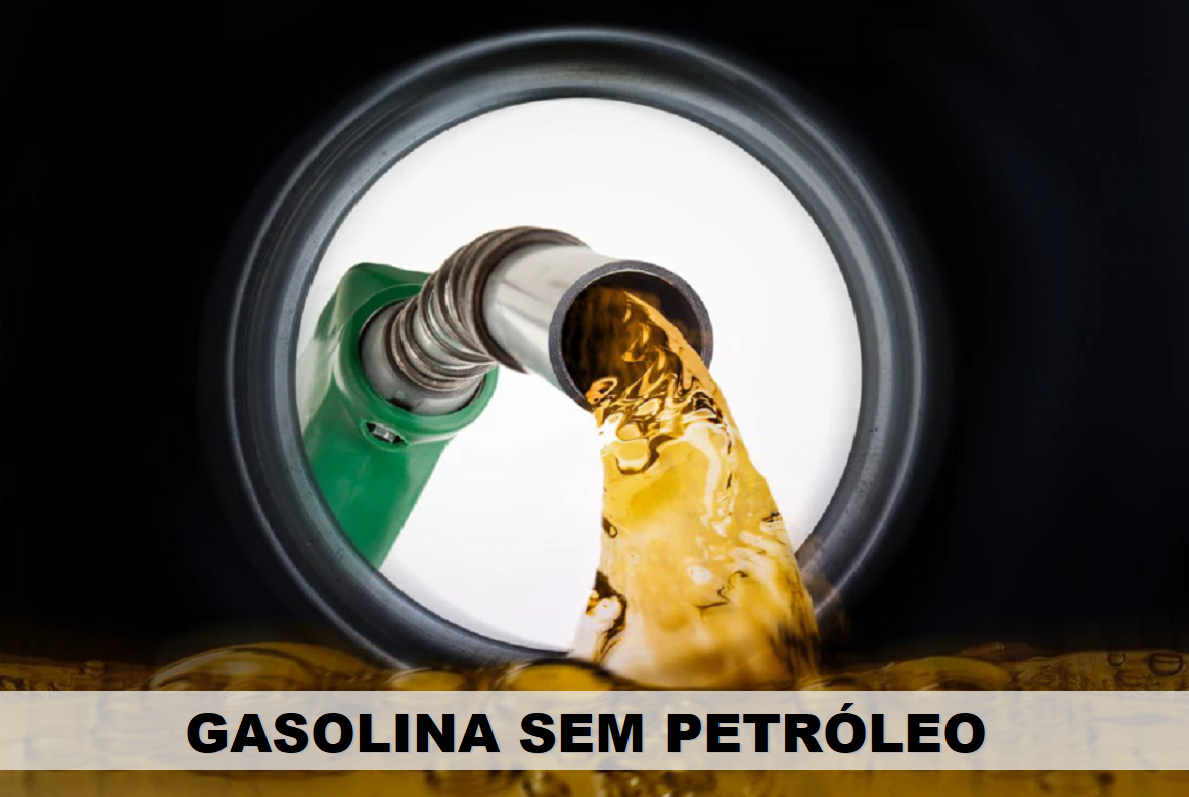

In The Face Of The Fluctuating Oil Prices, New Alternatives For Commodity Independence Are Being Studied, One Of Which Is The Development Of 100% Sustainable Gasoline
Since the discovery of the harmful effects of fossil fuels on the environment, the search for cleaner and more sustainable energy sources has become a global priority. The new sustainable gasoline is an alternative independent of oil, capable of offering various benefits, but also has disadvantages to be considered, according to the site Olhar Digital.
The new sustainable gasoline is a clean fuel independent of oil, which can be made primarily from hydrogen, but also from plants, food waste, and other renewable raw materials. It is produced through the fermentation of these substances, which are converted into alcohol, which is then refined to become the new gasoline.
Oil-Free Gasoline Had A Version In The 70s
But the story of the new gasoline didn’t begin yesterday. The technology behind it has been developed over many years. The first commercial version of renewable gasoline was launched in 1978, but production was largely halted due to oil prices remaining low for many years.
-
Astronaut from Artemis II steps down after mission to the Moon and decision surprises after a record of 406,771 km, a historic 10-day journey, and an unprecedented achievement for Canada.

-
A fossil kept for years in a small museum in Montreal concealed 450-million-year-old soft tissue, a discovery that has only happened once before in history.

-
Three teenagers transform cut cardboard into Japanese origami-style packaging that promises to retire styrofoam and bubble wrap, win a $12,500 prize, and target giants like Amazon, FedEx, and Home Depot after a robot motor arrived broken.

-
The large jar blender has a rival: Oster Ultra Power bets on 1,000 W, six stainless steel blades, and two portable cups with leak-proof lids.




Nowadays, the new sustainable gasoline is being seen as a viable and attractive alternative to oil-derived gasoline. And with greenhouse gas emissions being such a pressing issue, it’s not hard to see why.
The new sustainable gasoline brings several advantages over fossil fuels. The significant reduction in toxic gas emissions is one of the main benefits, making the new gasoline much more environmentally friendly and healthier for humans. Additionally, the energy efficiency of the new gasoline is higher, meaning engines that use it can travel a greater distance with the same amount of fuel.
Another important benefit is the possibility of partially or fully replacing the use of oil. This could represent a significant change for economies that heavily depend on oil, such as Brazil. The new gasoline can also contribute to the development of domestic production and reduce dependence on other countries.
The New Gasoline And Its Disadvantages
Despite the economic and environmental advantages of this new form of fuel, there are still challenges to be faced, especially regarding production costs. In an interview, engineer Everton Lopes highlighted the difficulties faced in this process.
The main obstacle relates to obtaining hydrogen, an essential component in the production of e-fuel. Currently, extracting hydrogen from the atmosphere is a costly process, and one of the hopes to reduce costs lies in the use of electrolysis, which consists of separating hydrogen from water using large amounts of electricity instead of extracting hydrogen directly from the air.
However, it is important to note that the electricity used in this process must come from clean and renewable sources, thus ensuring the sustainability of e-fuel production. Everton Lopes emphasizes the importance of using energy forms that do not have negative impacts on the environment, aligning with goals for reducing greenhouse gas emissions and environmental preservation.
Fossil Fuel Vs Renewable Fuel
Another challenge mentioned by the engineer is the predominance and ease of obtaining oil as a raw material for fuel production. Oil is still widely used and has an established extraction and refining process, making the shift to e-fuel more complex. Furthermore, the production cost of oil is currently lower compared to e-fuel, which represents an additional challenge for the large-scale adoption of this new alternative.
Despite the challenges faced, the pursuit of more sustainable solutions in the fuel sector is crucial for reducing pollutant emissions and mitigating environmental impacts. The development of technologies like e-fuel represents a step forward in this regard, and it is necessary to overcome the challenges of costs and feasibility to ensure a more sustainable future less dependent on fossil fuels.


