





 Portuguese
  English
  Spanish
  3 min of reading
  0 comments


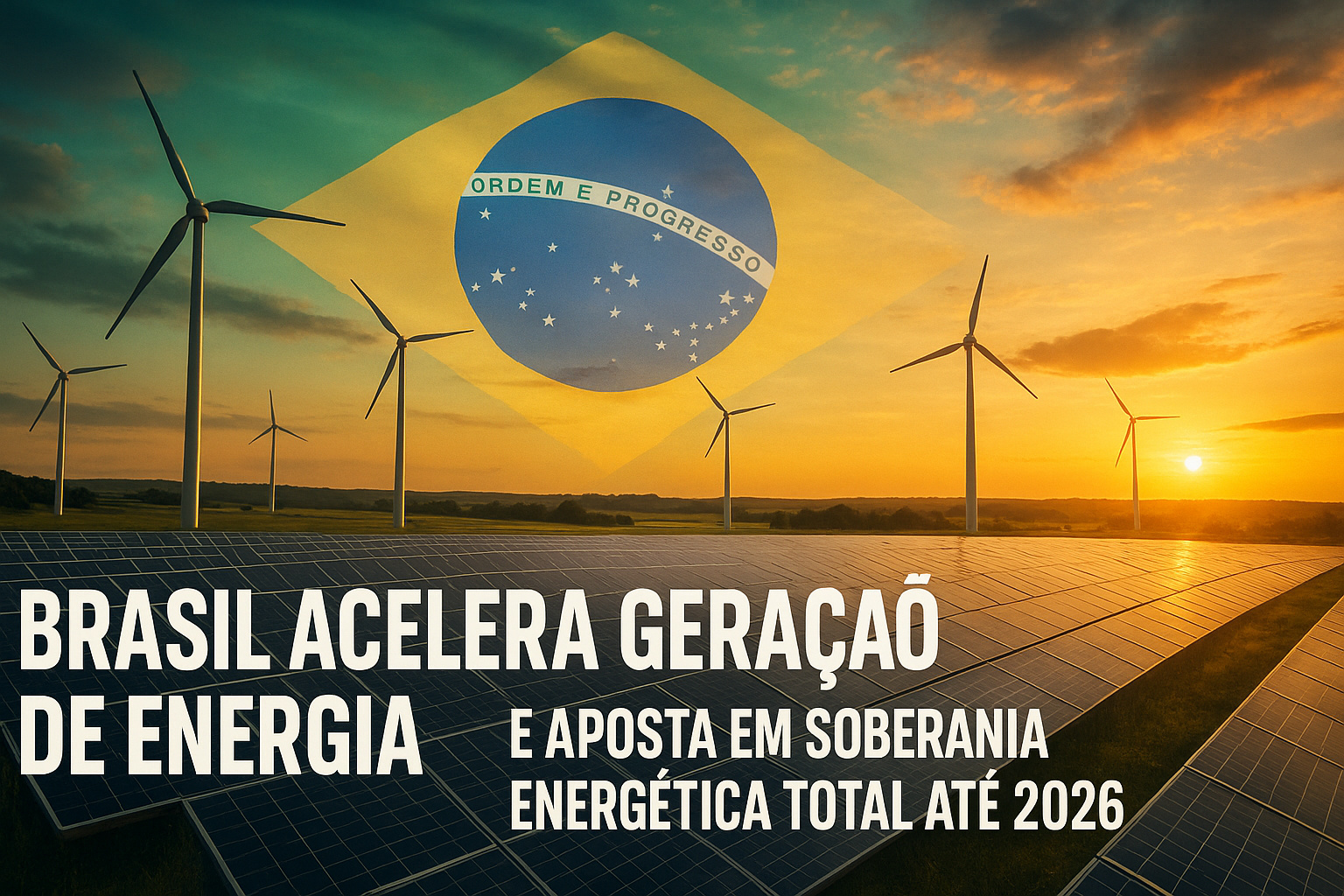
Brazil Will Strengthen Energy Generation to Ensure Sovereignty and Energy Autonomy by 2026 in Response to the 2025 Blackout.
Energy Generation Will Be Expanded to Ensure Autonomy and Energy Sovereignty in Brazil by 2026
Brazil places energy sovereignty at the center of its economic and industrial strategies for 2026. In this context, the new State Budget, announced this Monday (13) in Brasília, officially consolidates this decision.
Following the electric blackout in April 2025, the government intensifies measures to reduce external dependence, expand national energy generation, and increase the country’s autonomy. Thus, it clearly defines the priority: to protect the economy and simultaneously strengthen the national power grid.
Moreover, by integrating energy growth and economic security, Brazil reinforces its commitment to a sustainable and resilient strategic policy, ensuring more stability for the sector and for the population.
-
Brazilians paid R$ 18 billion more for energy from the Itaipu plant, reflecting a direct impact on tariffs and generating discussions about costs, transparency, and balance in the national electricity sector.

-
Equatorial adopts new national number for consumer units on electricity bills starting in April, following ANEEL standards and modernizing energy bills in several states.
-
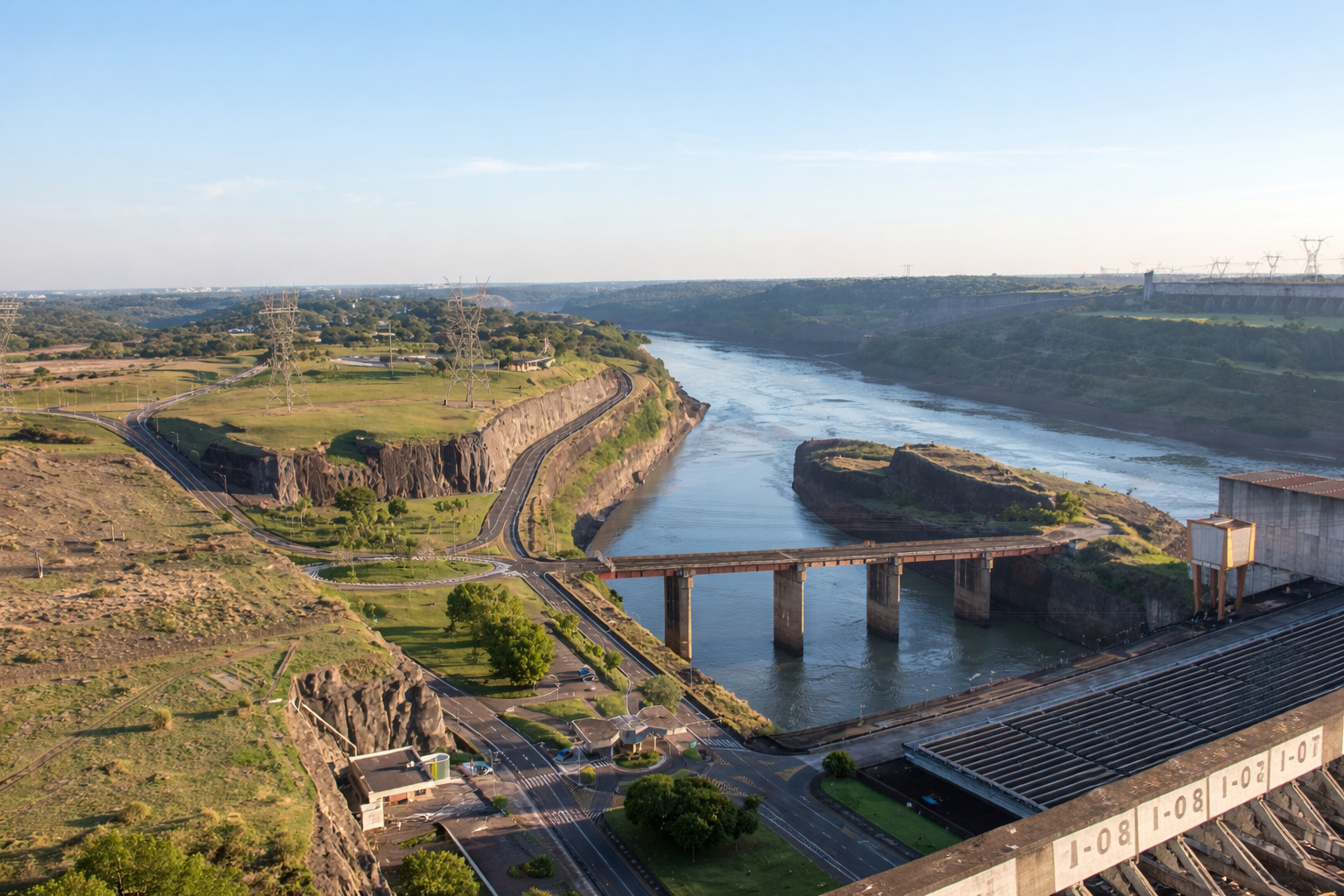
Itaipu Impresses the World: Hydroelectric Plant with 20 Turbines and 14,000 MW Generates Over 2.9 Billion MWh and Leads Global Clean Energy Production
-
Aneel Revokes CMAA Thermal Power Plants After Network Restrictions and Excess Energy in the System


Energy Sovereignty Strategy Is Consolidated in the Budget
In the new budget plan, the government places energy sovereignty at the center of public policy and defines it as a structuring axis of national development.
Firstly, the government reinforces national energy production, recognizing it as an essential pillar to ensure energy security and protect the system against new crises.
Next, it expands strategic interconnections both within the national territory and in the Iberian and European Union frameworks, increasing supply stability.
At the same time, the government implements more efficient storage management, balancing supply and demand during critical periods.
As a result of this integrated strategy, Brazil strengthens its autonomy, significantly reduces the risks of blackouts similar to that of 2025, and builds a solid, resilient energy base capable of sustaining future growth.
Diversification of Sources and International Interconnections Are Prioritized
To ensure energy sovereignty, Brazil implements a broad and diverse strategy, incorporating different sources of energy generation.
First, the country prioritizes renewable energies, such as solar and wind, while also increasing investments in clean technology and infrastructure. At the same time, it strengthens international interconnection projects, considered essential to stabilize supply and ensure autonomy by 2026.
Consequently, the dependence on imports gradually decreases, strengthening internal production.
Additionally, the government intensifies actions to enhance the security of the power grid and increase capacity to respond in emergency situations, consolidating a more resilient and sovereign system.
Reduction of External Vulnerability Is Considered Essential
After the blackout in April 2025, Brazil transformed energy vulnerability into a strategic priority. In response, the government developed a robust plan to modernize the system and reinforce national energy security.
To achieve this goal, the government placed the resilience of the power grid at the center of its actions, investing in the modernization of infrastructure and expanding internal energy generation.
By defining energy sovereignty as a pillar of economic stability and geopolitical security, the country adopts a more autonomous and preventive stance. As a result, Brazil will significantly increase its energy autonomy by 2026.
Social Supports Are Maintained to Ensure Access to Energy
The government expands energy generation and, at the same time, maintains social protection measures. Through support for gas cylinders, it ensures that low-income families remain protected in the face of adjustments in the sector.
Thus, the policy reconciles energy sovereignty and social justice, ensuring that structural advancement does not exclude the most vulnerable. In addition, by integrating energy growth and social protection, the government promotes a balanced and sustainable transition.
As a result, the country modernizes and expands the sector without compromising the safety of the most vulnerable populations, simultaneously strengthening energy autonomy and social equity.
Outlook for 2026 Indicates Greater Energy Autonomy
Brazil strengthens national production, diversifies sources, and expands international interconnections, establishing energy sovereignty as a concrete goal for 2026.
To achieve this objective, the government implements measures that increase autonomy and reduce the risks of future crises, transforming energy generation into a strategic axis of national decisions.
As a result, Brazil opens a new chapter in energy policy, ensuring more stability and consolidating its role in the global scenario.
Additionally, by using energy generation as a tool for national strengthening, the country reinforces its energy sovereignty, increases its autonomy, and builds a safer and more sustainable future by 2026.








Seja o primeiro a reagir!