





 Portuguese
  English
  Spanish
  5 min of reading
  3 comments


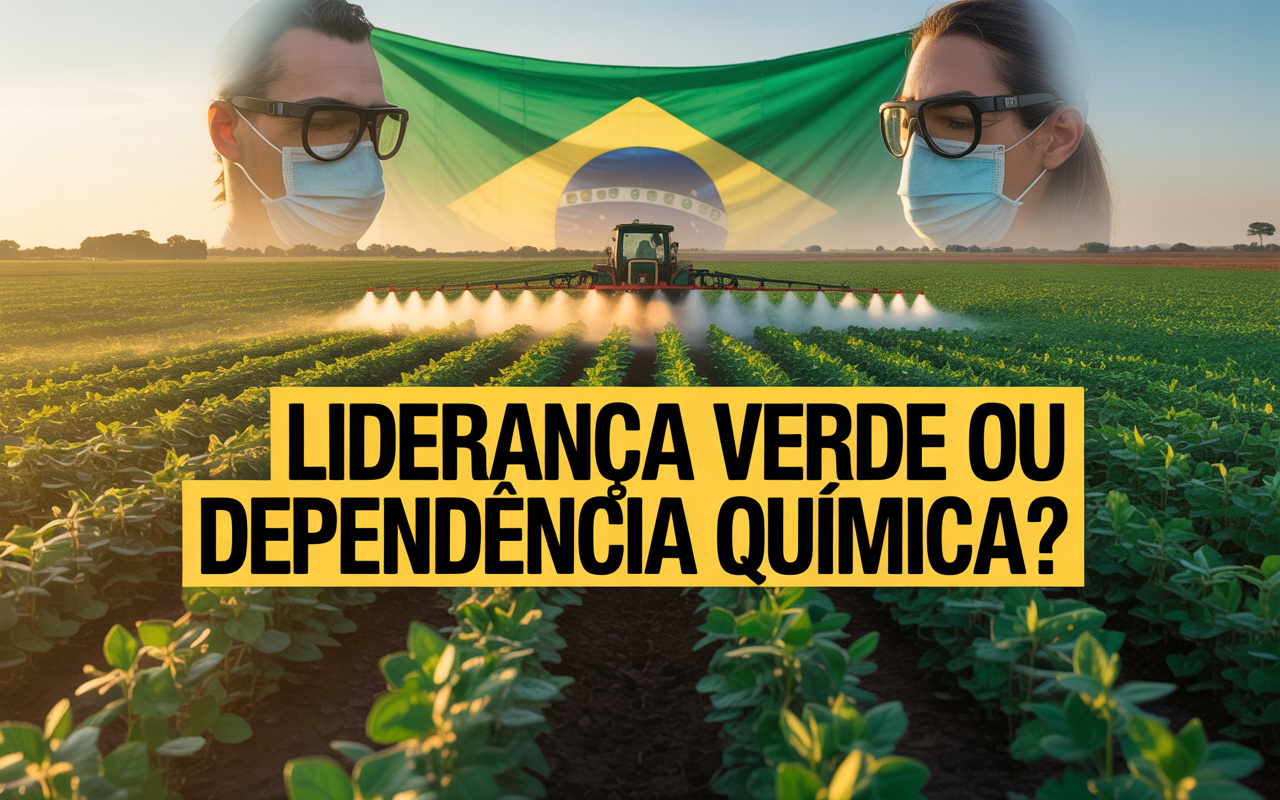


While Defending Global Green Leadership, Brazil Remains Among the World’s Largest Consumers of Pesticides, Releasing Hundreds of Substances Banned in Europe and Contradicting Global Environmental Goals.
In recent years, Brazil has presented itself to the world as a protagonist in the environmental agenda. The official discourse speaks of climate neutrality by 2050, billion-dollar investments in clean energy, and commitments made at international conferences. However, behind the green narrative, official data reveals a troubling contradiction: the country promising to lead the sustainable transition continues to be one of the largest consumers of pesticides in the world — and keeps authorizing the use of substances banned in much of the developed world.
According to surveys from the Brazilian Institute of Environment and Renewable Natural Resources (IBAMA) and the Pesticide Observatory from Fiocruz, Brazil recorded a historic high in agricultural pesticide approvals over the past five years. Just between 2019 and 2024, more than 2,300 new chemical products were authorized for commercial use, many containing active ingredients banned by the European Union due to risks to human health and biodiversity.
While countries like France, Germany, and Denmark gradually reduce the use of pesticides, Brazil is moving in the opposite direction — and at an alarming speed.
-
Rain gains strength in April, potentially exceeding 150 mm, placing the North, Northeast, and the coasts of the South and Southeast at the center of the heaviest forecast of the week.

-
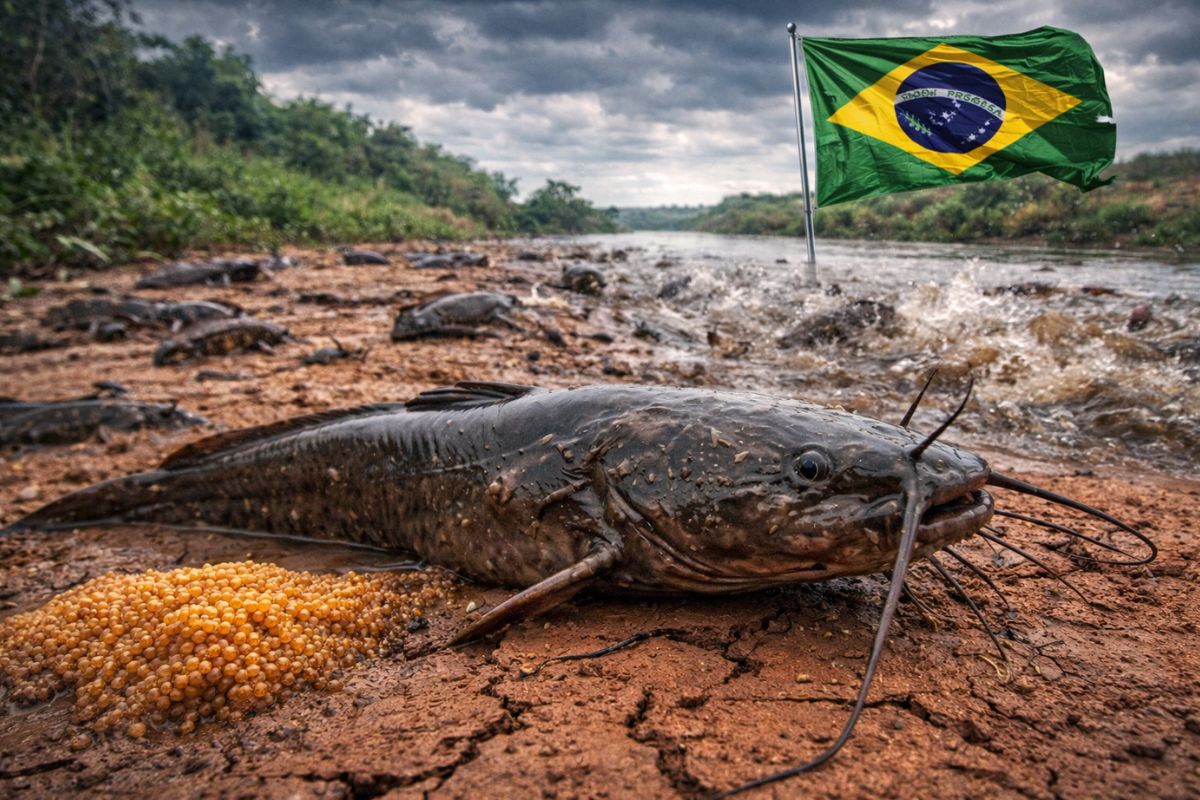
A fish that survives out of water, crawls on land until it finds another river, and whose female lays 80,000 eggs at once is infesting rivers and lakes in Brazil, and no one can stop this invasion.
-
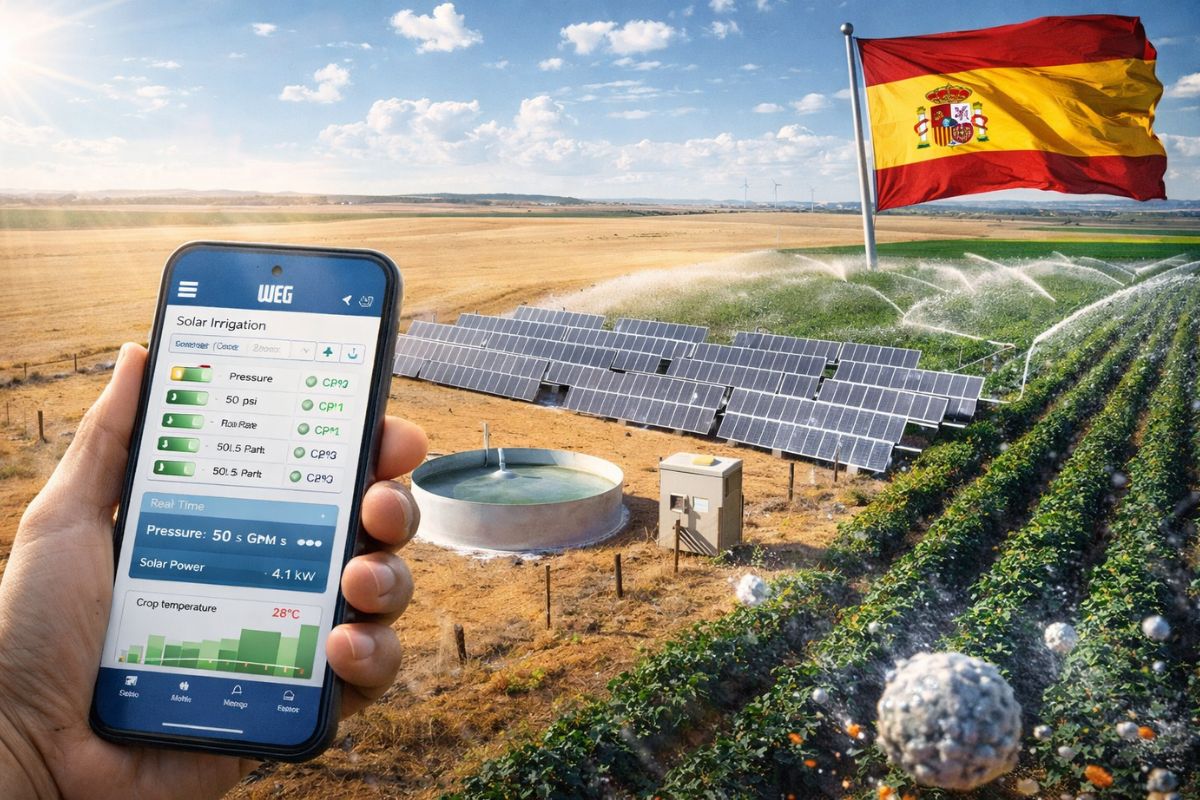
WEG took its technology to Spain to create a solar irrigation system that operates independently without needing an electrical grid, and now farmers control everything remotely via their mobile phones.
-
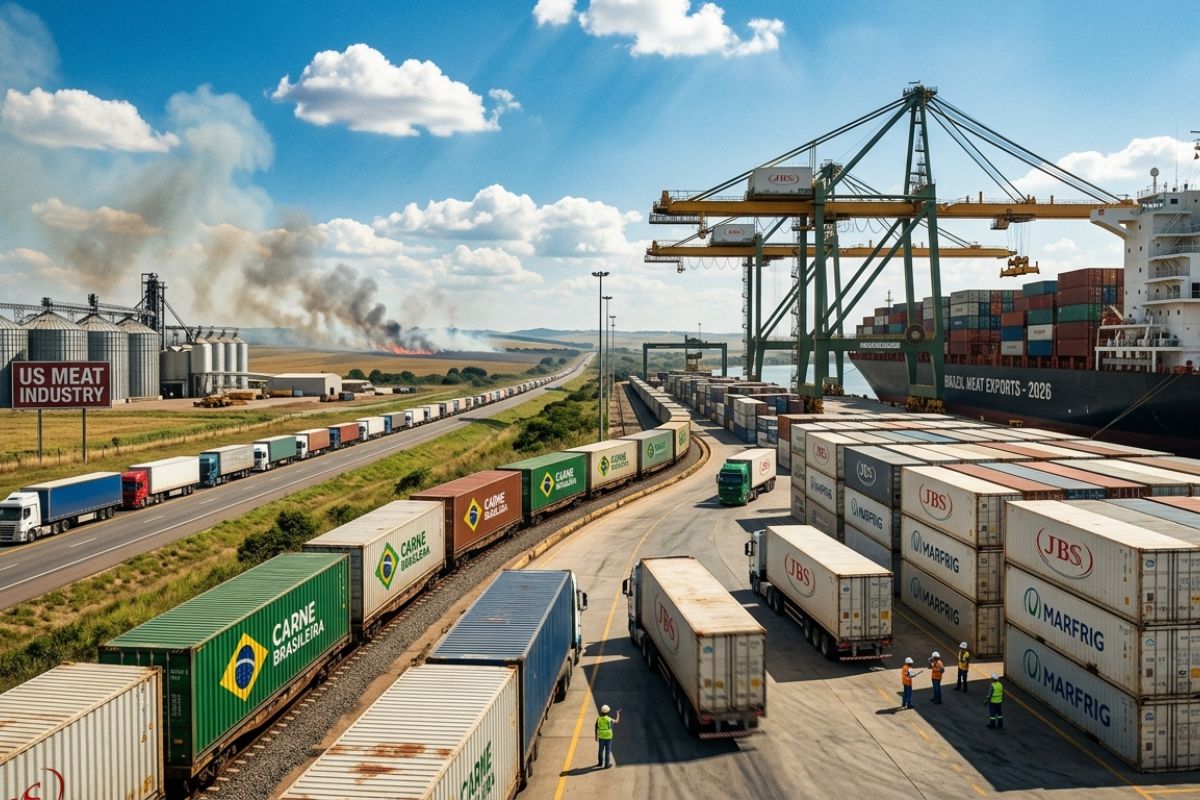
The US faces a meat crisis with fires, pests, and strikes, consumption rises and supply falls to the lowest level since 1952, creating a billion-dollar opportunity for Brazilian exports to grow in 2026.

The Contradiction of Brazilian Sustainability
The contrast between discourse and practice became evident in the recent official statements about sustainability. In international forums, the Brazilian government has emphasized climate goals and the advancement of programs like the Ecological Transition Plan. However, internally, the Ministry of Agriculture continues to accelerate the approval of highly toxic pesticides, including those classified as carcinogenic or endocrine disruptors by the World Health Organization (WHO).
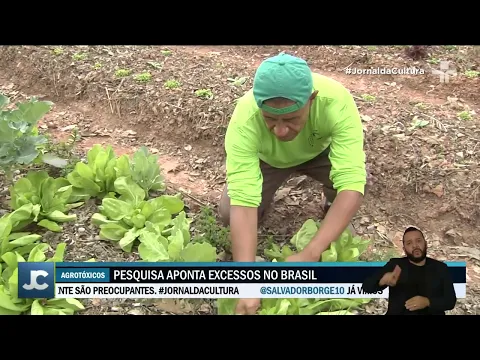

IBAMA maintains a list of active ingredients considered to be of “high risk,” but many of them continue to be authorized under the argument of “regulatory modernization” and “harmonization with international standards.” In practice, however, many of these standards coincide only with countries that have intensive agricultural economies, and not with European environmental safety regulations.
Experts warn that the advancement of this policy could put the country on a collision course with its international commitments. According to Fiocruz, there is “an evident mismatch between environmental discourse and agricultural practice,” as over 60% of the pesticides used in Brazil are banned in the European Union.
A Billion-Dollar Growing Market
The agricultural pesticide sector is now one of the most profitable in the country. According to a report from the National Association of Plant Defense (Andef), the market generated R$ 89 billion in 2024, driven primarily by the expansion of soy, corn, and cotton. Brazil is now the second-largest consumer of pesticides in the world, trailing only the United States, according to data from the Food and Agriculture Organization of the United Nations (FAO).
For producers, pesticides are essential to maintain competitiveness in the global market, as tropical pests and climate favor the emergence of diseases that impact productivity. However, critics of the policy argue that intensive and unregulated use represents a growing threat to public health and the environment.
The Ministry of Health, for example, records an increase in cases of pesticide poisoning in rural areas — with over 16,000 notifications in 2023. Studies from Fiocruz and the Federal University of Mato Grosso (UFMT) point to a correlation between chronic exposure and the rise of neurological diseases and cancer in agricultural communities.
Substances Banned There, Allowed Here
Among the most controversial products released in Brazil are ingredients like paraquat, acephate, carbendazim, and imidacloprid, all with severe restrictions or completely banned in the European Union. The case of carbendazim is emblematic: banned in Europe since 2014 for being potentially mutagenic and toxic to reproduction, it is still widely used in soy, bean, and fruit crops in Brazil.
Paraquat, used as a herbicide, was banned by Anvisa in 2020 but was brought back to debate under pressure from agribusiness sectors. Imidacloprid, linked to bee mortality and the collapse of hives in various countries, also remains in regular use.
In a 2023 report, Human Rights Watch highlighted that “pesticide regulation in Brazil favors the industry over environmental and human safety,” pointing out the country as one of those that “rollback” the most in control policies.
Green Export, Toxic Consumption
The contradiction deepens when observing the destination of national production. Brazil exports billions in agricultural products certified as “sustainable,” but many of them are grown with pesticides that could not be used in the importing countries themselves. This is known as the “green paradox”: soy, coffee, and fruits that arrive in Europe with a sustainability label, but produced under practices banned there.
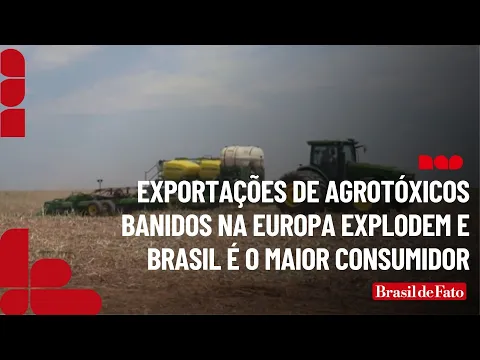
In 2023, the European Commission even discussed the adoption of sanitary barriers against products grown with banned pesticides, which could directly impact the Brazilian agribusiness — especially if new environmental guidelines are approved by the European Parliament.
Brazil at the Environmental Crossroads
The question echoing among environmentalists and economists is straightforward: how can the country be a leader in the green transition if it does not confront its chemical dependency in the field?
According to researcher Pedro Côrtes from the Institute of Energy and Environment at USP, “Brazil is experiencing a kind of environmental schizophrenia.” He explains:
“The country has immense potential in clean energy and tropical forests, but it remains stuck in an agricultural model based on volume and chemicals. Sustainability, at this rate, becomes mere marketing.”
Behind the scenes in Brasília, the agrochemical lobby is one of the most powerful. Among the 20 largest companies in the sector in the country are Syngenta, Bayer, BASF, Corteva, and UPL, which dominate over 70% of the market and have significant influence over technical and advisory committees.
A Still Cloudy Green Future
Despite the criticism, the Brazilian government tries to balance environmental discourse and economic pressure. Incentive programs for organic farming and agroecological production are underway but represent less than 1% of the total agribusiness budget.
Meanwhile, the numbers of new pesticide registrations continue to rise. In 2024 alone, the Official Gazette published 423 new authorizations, including products classified as “highly hazardous” by the FAO.
The contradiction, therefore, persists: the country seeking to lead the global ecological transition still poisons its own soils and rivers with the same intensity as in past decades.
And on the international stage, this incoherence comes at a cost: it compromises trade agreements, tarnishes the image of Brazilian agribusiness, and threatens the sustainability discourse that Brazil seeks to build.








As informações desse artigo são antigas, parece um cópia e cola. kkkkk.
O Brasil não usa mais o Paraquat e o Carbendazim. Esses produtos foram banidos do mercado brasileiro, mas o artigo cita que são utilizados, pura desinformação.
Esse artigo também omite as informações que a maioria esmagadora dos pesticidas aprovados não são novos, ou seja, são produtos genéricos. O artigo também omite a informação que os pesticidas químicos ou biologicos, são avaliados de forma rigorosa pelos órgãos de saúde (Anvisa) e Meio Ambiente (IBAMA) e são aprovados, antes mesmos de serem registrados pelo Ministério da Agricultura.
Os pesticidas são utilizados nas lavouras para controlar as pragas de forma responsável, pois são insumos e fazem parte dos custos de produção. Os produtores não usam em excesso, somente o necessário.
Os agricultores brasileiros preservam 35% da vegetação nativa em suas propriedades, sem receber nenhum pagamento por isso!. Só cumprindo a Lei.
Nenhum país europeu tem isso!!
Matéria que carece de argumentos mais factíveis… somos um dos países que menos consome defensivo agricola por hectare plantado.
Quanto a paraquat e carbendazim, ja sao proibidos.
O Agro e um dos piores propagandista de bem estar alimentar no Brasil. Seguindo com informações falsas e mentirosas na mídia para convencer o consumidor a consumir produtos com alto risco a população de envenenamento e contaminação de lençóis freáticos sem precedentes . Um total interesse financeiro e descaso com os consumidores.