





 Portuguese
  English
  Spanish
  4 min of reading
  0 comments


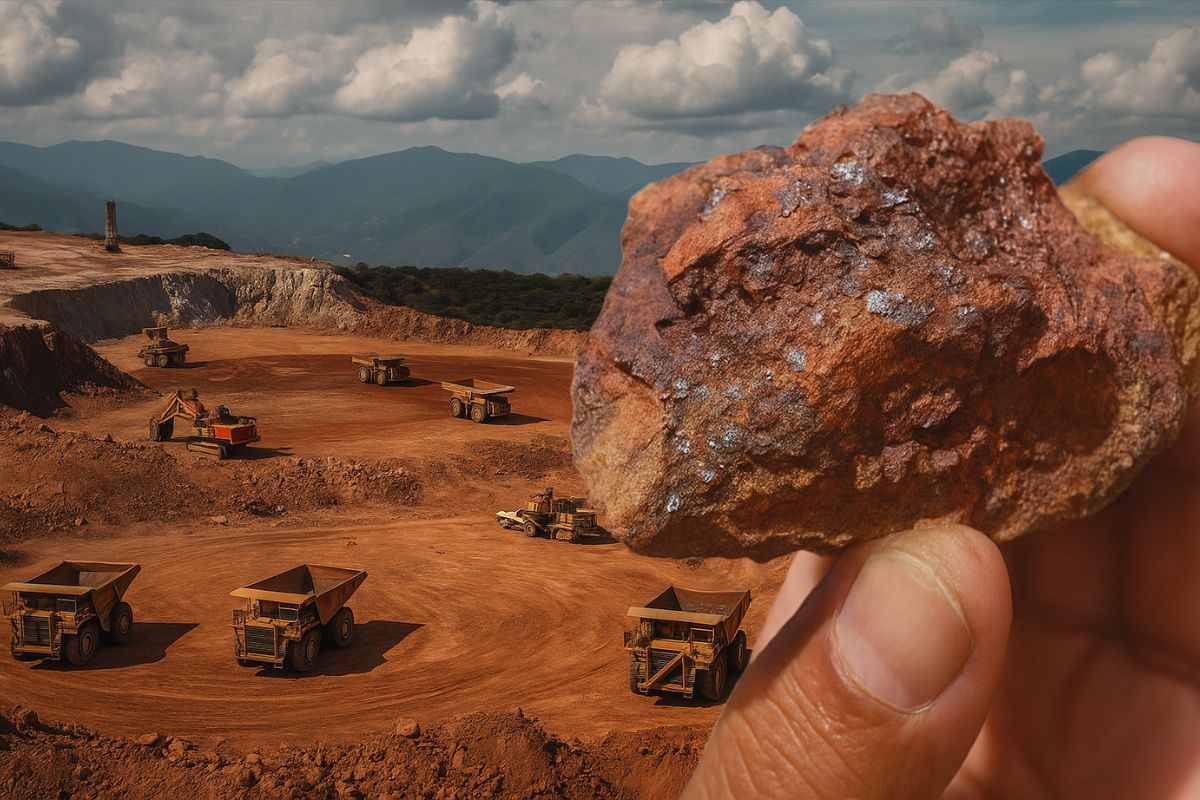
At The Heart Of Bahia, The Boa Vista Project Emerges As A Promise To Insert Brazil Into The Battery Production Chain, But Success Will Depend On Overcoming Global Competition And Technological Challenges
The discovery of cobalt in this region comes at a crucial moment. The metal is one of the most expensive and controversial components of the lithium-ion batteries that power the electric mobility revolution. The possibility of Brazil exploiting this resource in its territory could signify a decisive step to strengthen its position on the energy transition map.
A new frontier for Brazil’s ambitions in the electric vehicle industry is being drawn in Itagibá, in the interior of Bahia. The “Cobalt of the Sertão,” as the Boa Vista Project has been nicknamed, represents the country’s latest bet on the mining of critical minerals. By 2025, the project is in the feasibility studies and licensing phase, an initial stage that could be a game-changer for the national industry.
What Is The Boa Vista Project And Why Is This Cobalt Discovery Strategic?
The Boa Vista Project is the initiative seeking to explore the newly identified cobalt in the municipality of Itagibá, Bahia. The current phase of studies and licensing is crucial to determine the technical and economic viability of extraction, in addition to ensuring that the operation adheres to the highest environmental, social, and governance (ESG) standards.
-
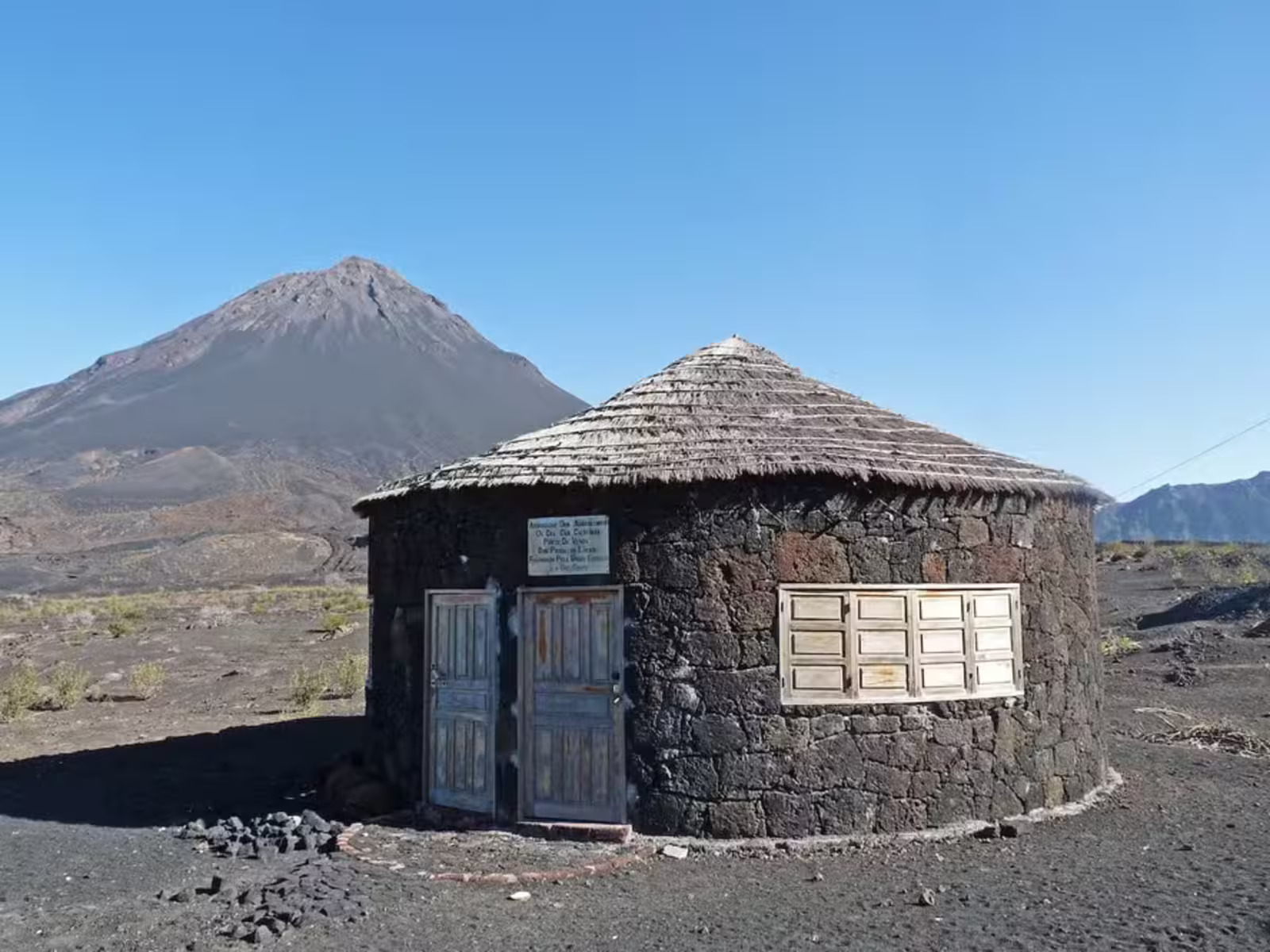
Inside an active volcano in Africa, residents use volcanic rocks to build houses in an impressive setting.
-
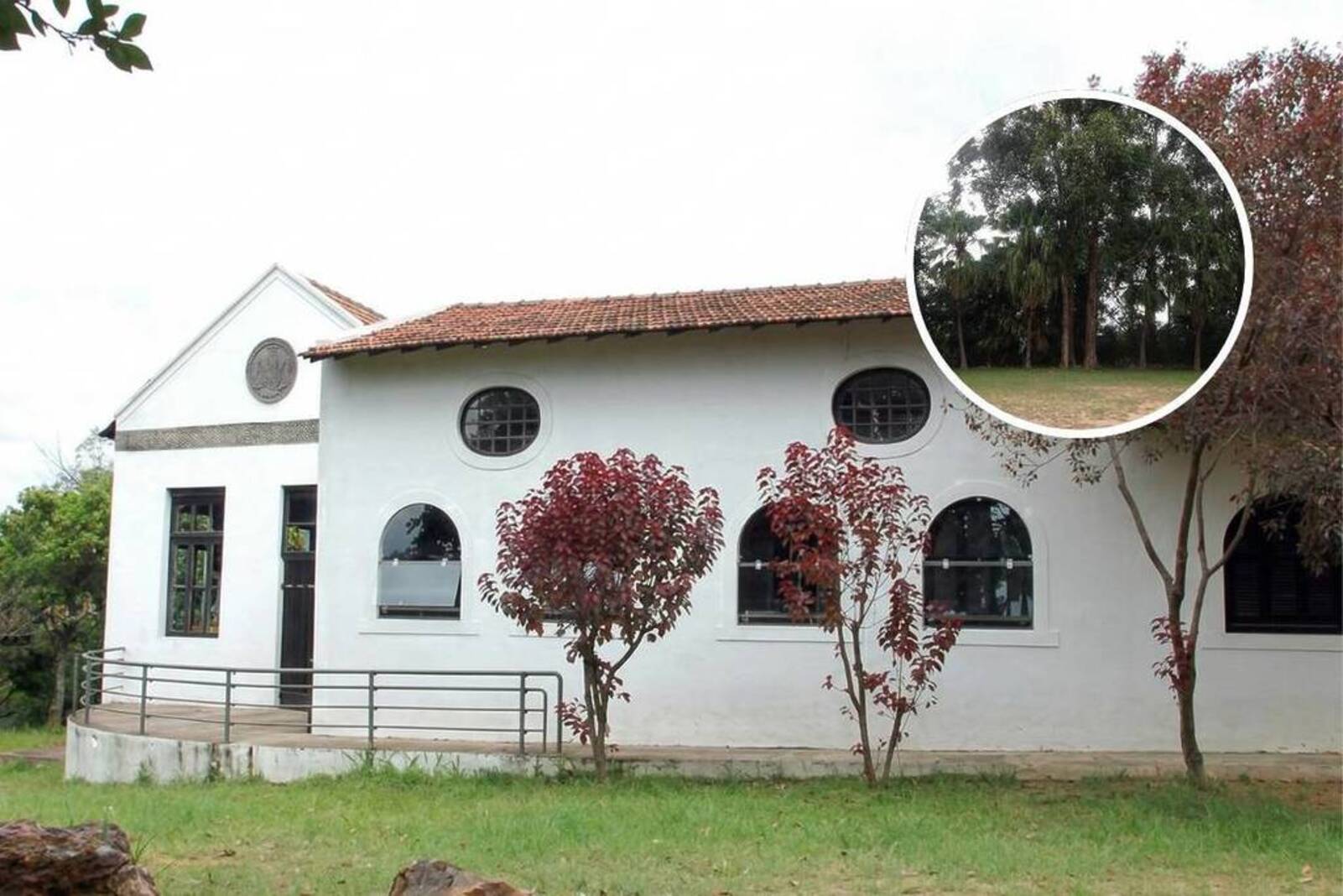
After 14 years of waiting, a rammed earth mansion built in 1702 in the North Zone of São Paulo will become a park with leisure facilities and green areas, with a million-dollar investment.
-
With 2 unfinished nuclear reactors, up to 25 billion in costs, and proven fraud, the Nukegate case has left 800,000 consumers still paying today for energy that will never be produced.

-
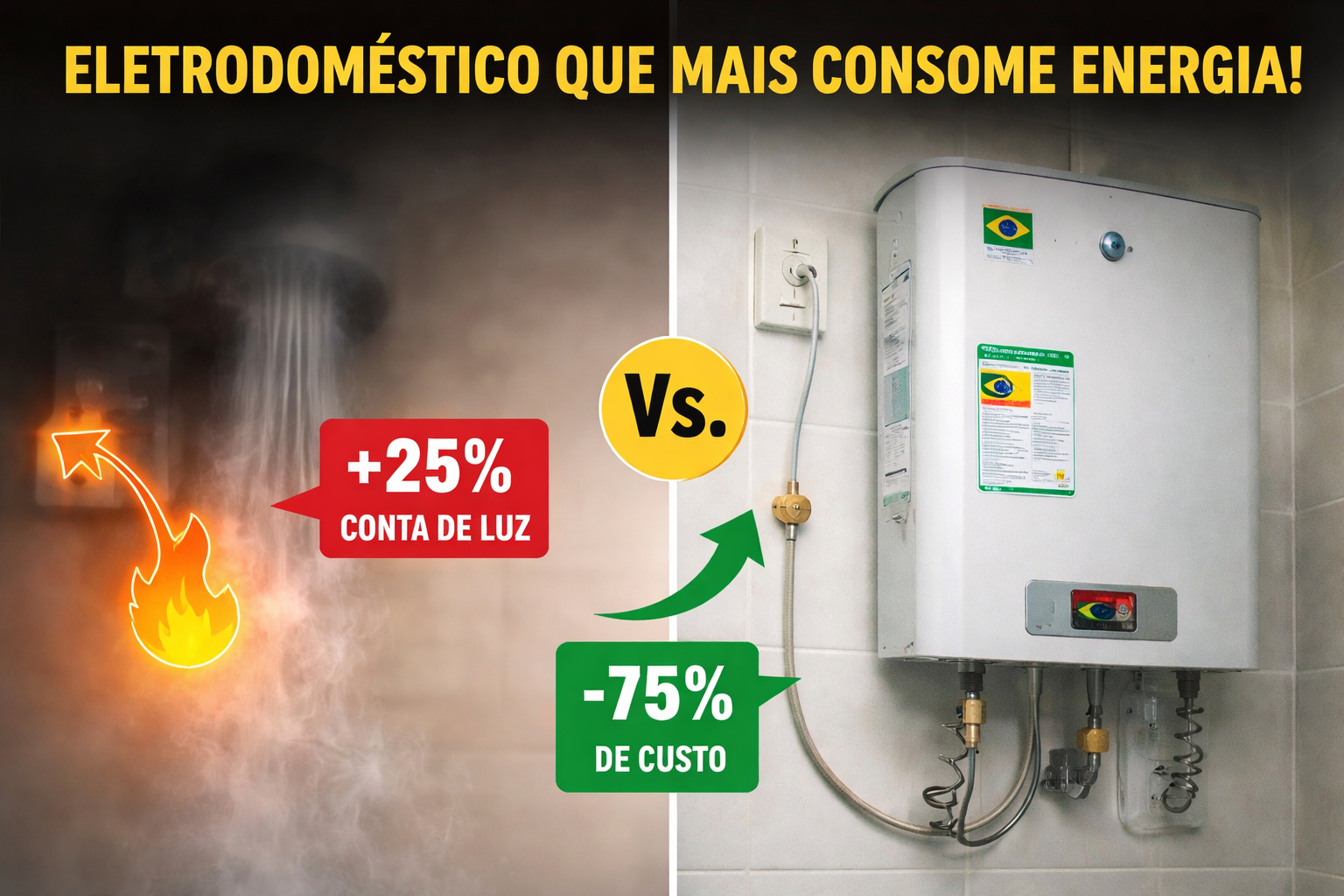
The household appliance that consumes the most energy in Brazilian homes is not the air conditioner; it is located in the smallest room of the house, is used daily, and can account for up to 25% of the electricity bill, while an alternative in the same outlet can reduce this cost by up to 75%.

This cobalt discovery is strategic because Brazil has vast mineral wealth but still participates timidly in the battery value chain. Developing a domestic source of cobalt, a high-value item, would allow the country not only to export the raw material but also, in the future, to add value and participate in more advanced stages of production.
The Global Scenario: A Challenging Market For Cobalt Discovery
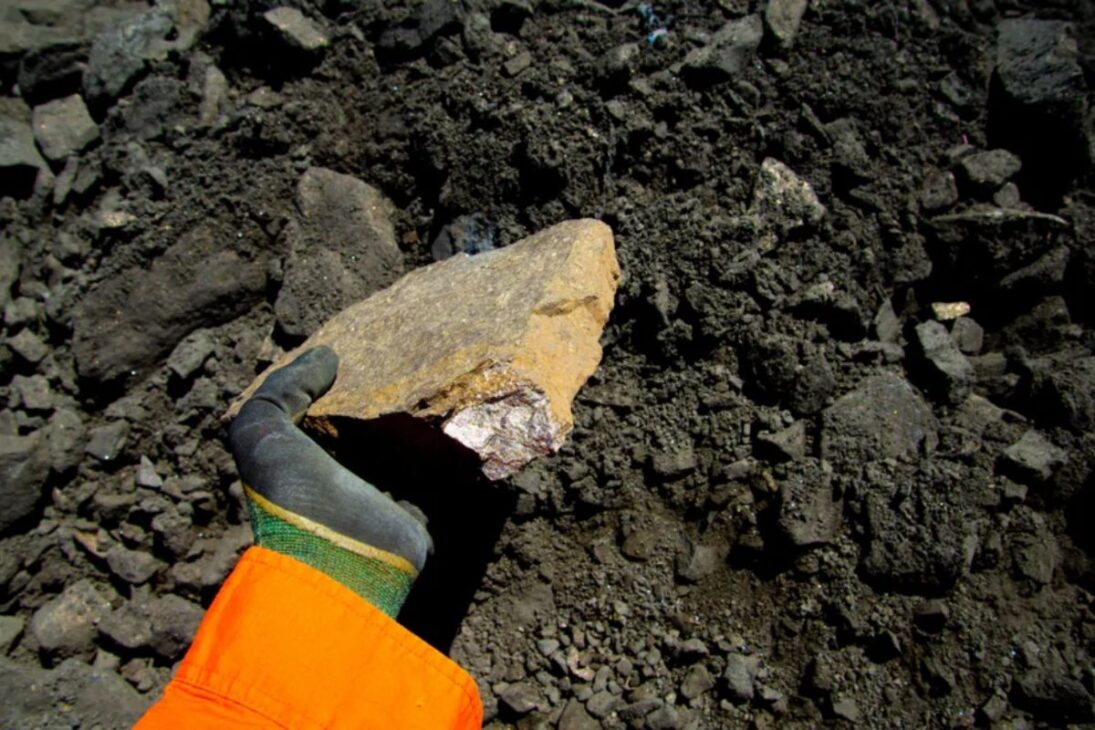
Entering the global cobalt market will not be an easy task. Supply is highly concentrated, with the Democratic Republic of Congo (DRC) accounting for 76% of global production in 2024. Following closely, Indonesia is emerging as a rapidly growing, low-cost producer.
This dominance by a few players has created an oversupply in 2024, causing prices for the metal to drop by more than 20%. For a new project like that in Bahia, this means facing stiff competition, requiring not only proof of reserves but also a clear competitive advantage, whether in production costs or sustainability.
How Can Brazil Benefit From Responsible Mining?
Cobalt is a controversial mineral. Much of its bad reputation comes from extraction conditions in the DRC, often associated with child labor and dangerous conditions. This reality creates a strong market demand for “responsible cobalt,” and this is where Brazil can stand out.
The Itagibá region already has mining operations with high ESG standards, such as those of Atlantic Nickel. The ability to demonstrate ethical and sustainable extraction may become Brazil’s greatest asset in cobalt, attracting buyers and investors willing to pay a premium for material derived from transparent sources that respect human rights and the environment.
The Technological Threat: The Advancement Of Cobalt-Free Batteries
The future of cobalt is not guaranteed and faces a direct technological threat: the advancement of cobalt-free batteries. Lithium Iron Phosphate (LFP) batteries, which do not use the metal, are increasingly gaining market share. They are cheaper, safer, and have a longer life cycle.
Although cobalt-containing batteries still offer higher energy density, ideal for long-range vehicles, LFP technology is rapidly evolving and taking over the energy storage sector. This trend may limit future demand growth for cobalt, creating a scenario where the metal serves a high-performance niche but loses ground in the mass market.
Brazil’s Challenges To Create A Complete Production Chain
The discovery of cobalt is only the first step. For Brazil to truly benefit, it needs to create a production chain that goes beyond mining. A strategic asset in this puzzle is Jervois Global’s nickel and cobalt refinery in São Paulo. Currently dormant, the unit has plans to restart operations and has the capacity to refine cobalt extracted in Bahia.
This would allow for added value to the ore within the country. However, the challenge is significant and requires a cohesive national strategy, with incentivizing policies, investments in technology and logistics. The success of the “Cobalt of the Sertão” will depend on Brazil’s ability to align its natural resources with a long-term industrial vision, transforming a mineral discovery into a driver of technological development.






Seja o primeiro a reagir!