





 Portuguese
  English
  Spanish
  4 min of reading
  0 comments



Even Amid The Climate Crisis, Brazil Is Expanding Its Natural Gas Production, With Investments That Could Reach R$ 94.6 Billion In The Coming Years. Learn More About This Energy Strategy
The historic drought that Brazil is facing has raised concerns in various sectors, especially regarding energy supply. The decline in hydroelectric reservoirs, which represent the country’s main source of energy, has forced the government to seek alternatives to ensure supply. One of these alternatives is natural gas, which is being placed at the center of attention to meet energy demand.
Recently, the Brazilian government announced a series of measures to increase natural gas production, aiming to reduce external dependence and strengthen energy security. However, this strategy is not without criticism.
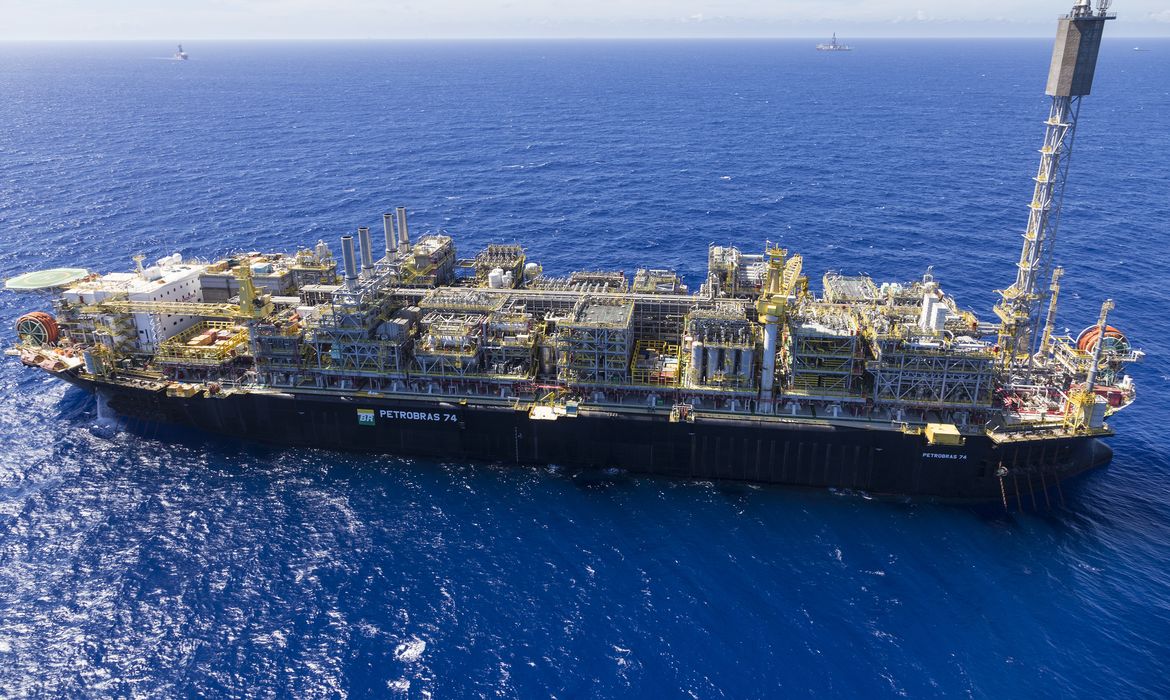
The Role Of Natural Gas In Brazil
The government’s bet on natural gas is based on its accessibility and its ability to ensure stable supply, especially during a water crisis. According to the Minister of Mines and Energy, Alexandre Silveira, the measures aim to increase the resource’s availability, reinforcing national production and reducing dependence on imports.
-
Lula reveals a masterstroke by Petrobras to undo a deal made by Bolsonaro, which involves the return of an important refinery that currently produces less than half of what was expected and makes Brazil dependent on international diesel.
-
A study confirms that the natural gas sector will reduce greenhouse gas emissions in Brazil by 0.5% and accelerate the energy transition by 2026.

-
Petrobras implements a severe adjustment and confirms a 55% increase in the price of aviation kerosene with a proposal for installment payments for the companies.

-
The rise in oil prices could ensure an extra revenue of R$ 100 billion for the Federal Government, indicates a recent economic study.


To this end, a government decree was signed at the end of August 2023, which promises to lower the price of natural gas through a “shock” in supply. The National Agency of Petroleum, Natural Gas and Biofuels (ANP) received more powers to increase production in oil and gas fields that are already under development.
This new directive seeks not only to prevent possible energy crises but also to improve the utilization of Brazil’s natural gas reserves. According to Sylvie D´Apote, executive director of gas at the Brazilian Institute of Oil and Gas (IBP), natural gas is a safe and viable source in Brazil’s current energy scenario. However, she acknowledges that the transition to cleaner energy sources, such as green hydrogen, will take time, making gas a necessary temporary solution.
Criticisms Of The Use Of Natural Gas
Despite the government’s justifications and industry experts, the increased investment in natural gas faces opposition, mainly from environmentalists and climate specialists. Carolina Marçal, project coordinator at the ClimateInfo Institute, points out that the expansion of fossil fuel use, such as natural gas, may delay the transition to clean energies.
According to her, incentives for gas may create a blockage of investments in the electricity sector, as well as raise electricity costs and contribute to the escalation of the climate crisis.
Another concern raised by Marçal is the possibility of the government allowing the use of fracking, a gas and oil extraction technique highly criticized for its environmental impacts.
Countries like Germany and the United Kingdom have already banned fracking due to its risks, but the practice is still being considered in Brazil. Regions such as Amazonas, Pará, Piauí, and Maranhão are identified as areas with potential for gas extraction through hydraulic fracturing, and companies in the sector have already shown interest in exploring these reserves.
Advances In The Natural Gas Sector
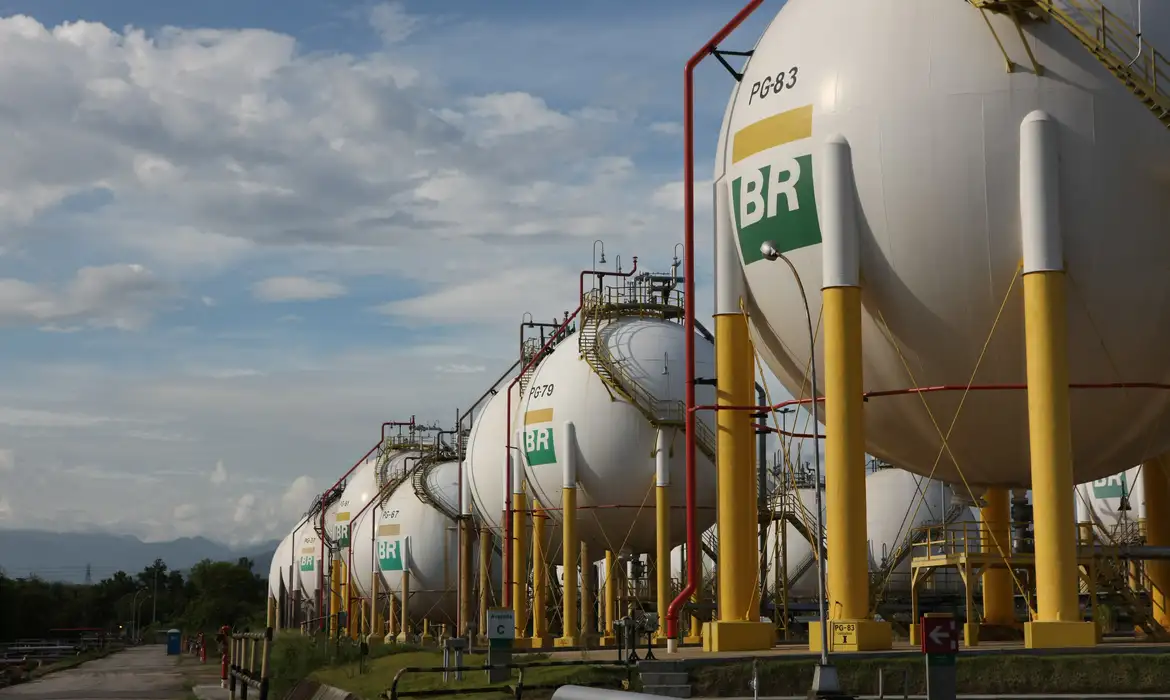
Despite the criticisms, the natural gas sector in Brazil is in full expansion. According to estimates from the Energy Research Company (EPE), investments in this sector could reach R$ 94.6 billion in the coming years.
An example is the Rota 3 Gas Pipeline, which aims to increase the flow of gas from the Santos Basin, with inauguration scheduled for soon. Additionally, the Sergipe Deep Waters Project (SEAP), in the Sergipe-Alagoas Basin, is set to begin operations in 2028.
Even with these advances, Brazil still significantly depends on natural gas imports to meet its demand. Although national production reached a record 150 million cubic meters per day in 2023, the country still imports about 17.7 million cubic meters daily, mainly from Bolivia and the United States.
Challenges And Perspectives
The energy scenario in Brazil is complex and full of challenges. The dependence on natural gas to ensure energy supply during a water crisis is a temporary but necessary solution, according to experts.
However, there is widespread skepticism about the effectiveness of the government’s recent measures to lower the price of natural gas and ensure its supply. According to Vínicius Romano, natural gas specialist for Latin America at Rystad Energy consultancy, the measures announced so far have had limited impact on business and domestic production.
Romano warns that natural gas production in Brazil is closely linked to oil production. If the government tries to balance the gas market by reducing production, it may negatively impact investments in oil, compromising the attractiveness of new projects and the revenue generated by the sector.
Still, there is an expectation that the increase in natural gas supply could indeed reduce prices for consumers in the medium term. However, the challenges of a sustainable energy transition and the environmental risks associated with fracking and the use of fossil fuels remain issues that require careful consideration for Brazil’s energy future.









Seja o primeiro a reagir!