






 Portuguese
  Spanish


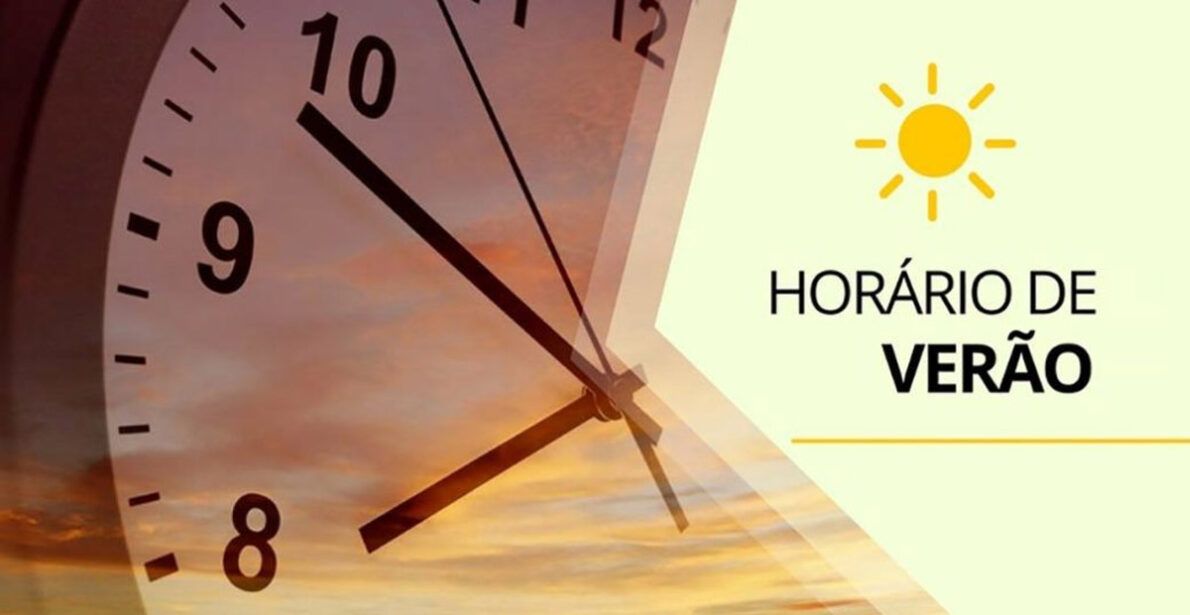

Worst Drought In Brazilian History Led The Lula Government To Consider The Return Of Daylight Saving Time. The Measure, Which Was Abolished In 2019, May Return As An Attempt To Avoid Energy Rationing.
Brazil is facing the worst drought in its history, and the federal government may be planning a drastic action that has already been abolished: the return of daylight saving time.
The drought affecting the country has had deep impacts on energy generation, and extreme measures are beginning to be discussed behind the scenes of the Ministry of Mines and Energy. But is this the only viable solution or just a short-term band-aid?
According to sources, the Ministry of Mines and Energy is studying the resumption of daylight saving time as a way to minimize the risk of electric energy rationing.
-
How Many Outlets Should Each Room Have? Guidelines Suggest 6 to 10 in the Kitchen, One Every 3.5 Meters in Living Rooms, and Specific Recommendations for Bedrooms, Bathrooms, Laundry Rooms, and Outdoor Areas

-
Family Turns Homemade Cheese Bread Recipe into a $17 Million Frozen Foods Business with 200 Tons Monthly Production and Over 1,400 Clients

-
Ancient 4,000-Year-Old City in Brazil Grew Wealthier and Reduced Inequality, Study Finds
-
Lost Page from Archimedes Palimpsest Resurfaces in French Museum After Decades, May Reveal Hidden Mathematical Calculations with X-ray and Multispectral Imaging




The lack of rain has severely impacted reservoir levels, and the forecasts are not optimistic. This measure, which has divided opinions in Brazil for years, may return to the national scene in an attempt to prevent the country from facing a new energy blackout.
A Controversial Return: What Does The Government Have In Mind?
Since it was abolished in April 2019 by then-President Jair Bolsonaro, daylight saving time is no longer used in Brazil.
The idea of its return was considered in 2023 when a severe drought hit the country. However, at that time, Lula’s government officials dismissed the possibility.
At the time, Brazil’s water reservoirs were in relatively good condition, even with the lack of rain. Now, however, the situation seems to have changed drastically.
According to the newspaper Poder 360, the possibility of returning to daylight saving time is being discussed in the government’s corridors. Currently, the situation of reservoirs is not considered as critical as in previous crises, such as in 2021, but the alert has already been raised.
The Devastating Impact Of The 2024 Drought
This year, Brazil is facing one of the most severe droughts in its history, according to data from Cemadem (National Center for Monitoring and Alerts of Natural Disasters).
The Madeira and Negro rivers in the Amazon region are reporting alarmingly low levels, which directly affects the riverside communities, who are now facing isolation and supply difficulties.
Manaus, the capital of Amazonas, is also feeling the devastating effects of this drought, and climate projections do not indicate any improvement in the short term.
During a visit to the North of the country, President Lula announced the creation of a climate authority and the implementation of a legal framework for climate emergencies, an effort by the government to mitigate the impacts of global warming in Brazil.
Emergency Measures To Avoid A Blackout
The government is not only discussing the return of daylight saving time as an emergency measure. Other actions have already been taken to deal with the approaching energy crisis.
The Ministry of Mines and Energy has authorized the operation of gas-fired thermal power plants to meet part of the energy demand. Among the authorized plants are those in Santa Cruz, Rio de Janeiro; Linhares, Espírito Santo; and Porto Sergipe, Sergipe.
Additionally, energy tariffs have also been impacted. The increase in tariff flags has already been a direct consequence of the drought, causing consumers to feel the financial effects of adverse weather conditions.
Reservoirs In Critical Condition?
Despite the worsening drought, some government officials claim that the level of water reservoirs has not yet reached a point as critical as in previous crises, such as that of 2021.
Measures taken throughout 2024, such as water retention in reservoirs, have helped to avoid a greater catastrophe. Today, the volume of water is more than double that recorded during the last major crisis, but the future remains uncertain if the drought continues.
With climate forecasts indicating a possible worsening, the question remains: is Brazil prepared to face a new energy collapse?
And Now, Daylight Saving Time Or Rationing?
The government faces a tough choice: betting on a measure that has already been rejected previously or moving forward with more drastic alternatives, such as energy rationing.
The return of daylight saving time, a controversial solution, may be seen as an emergency measure to buy time. But is this really the best choice?
With unpredictable climate conditions and the impacts of the drought devastating various regions of the country, Brazil may be at a turning point. The adoption of new strategies to deal with the water and energy crisis will be crucial in the coming months.
Do you think Brazil should bring back daylight saving time or seek other solutions? Share your opinion in the comments!





Sou a favor ao retorno do horário de verão!
Sou totalmente CONTRA a volta do horário de verão.